Japanese bags offer distinct design personalities: PORTER’s functional details, TOGA’s metal accents, beautiful people’s construction and BUNZABURO’s textured shibori surfaces.
SOU・SOU and Tsuchiya Kaban add graphic textiles and leather. There is no need to rank them universally; what you carry and how you retrieve it are better starting points.
Key details
Labels: PORTER, TOGA, beautiful people, BUNZABURO, SOU・SOU and Tsuchiya Kaban.
A Japanese label does not establish the manufacturing origin of every product.
Exchange rates, local prices, tax conditions and stock need separate checks.
Function and hardware need practical testing
For PORTER, compare compartments, zips and carrying positions against your phone, bottle and other daily objects. Similar-looking bags can open in different directions.
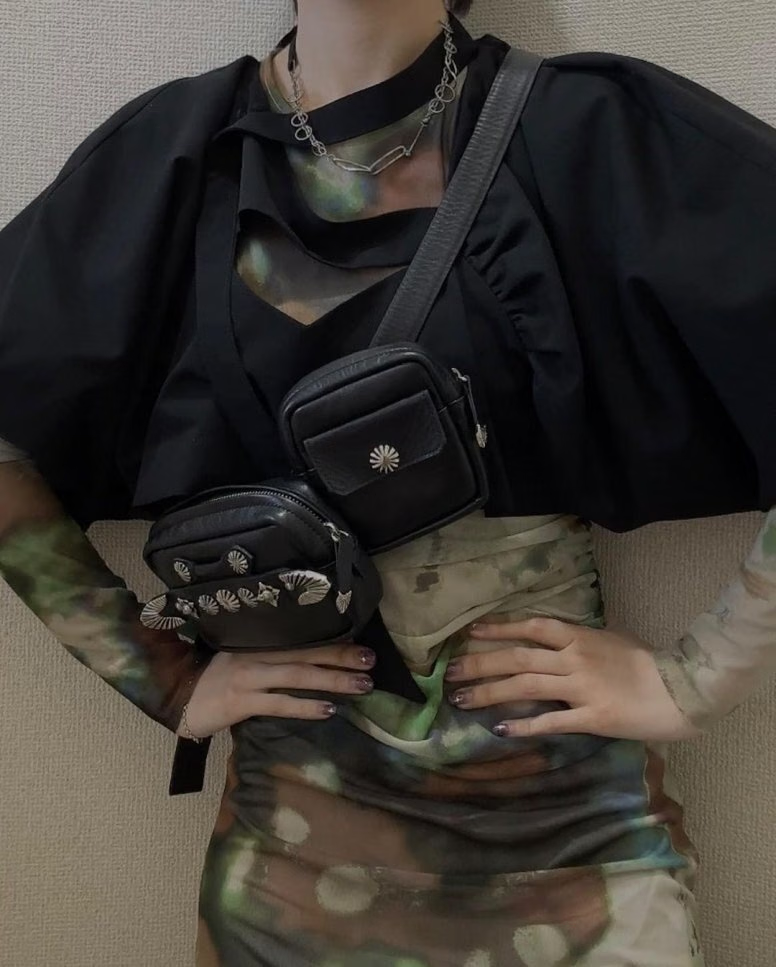
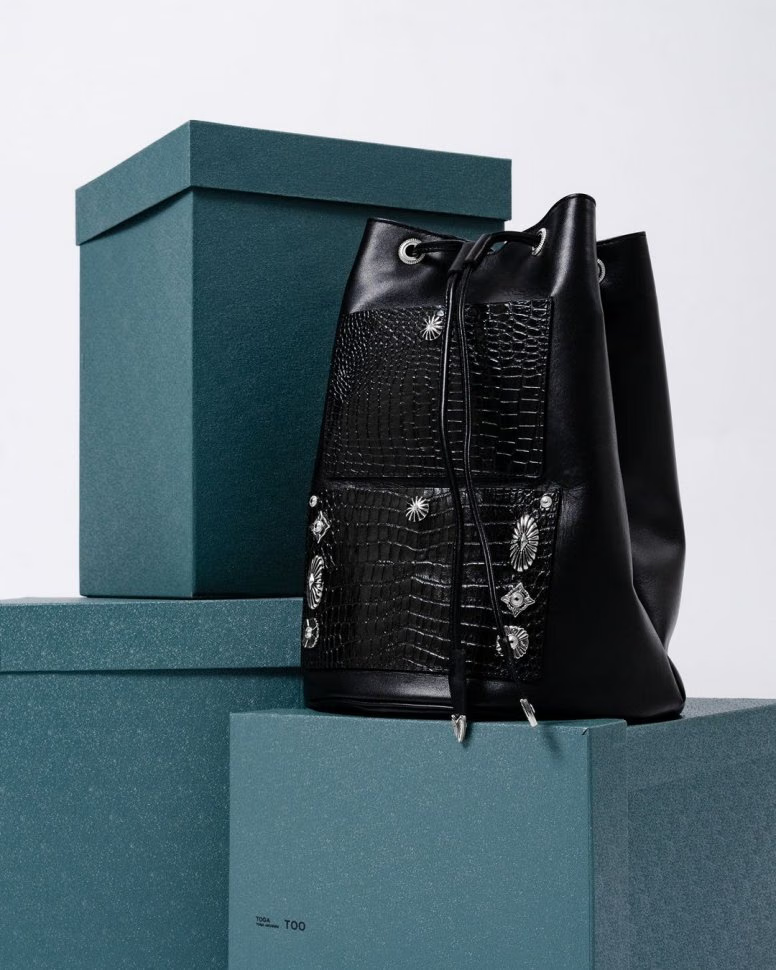
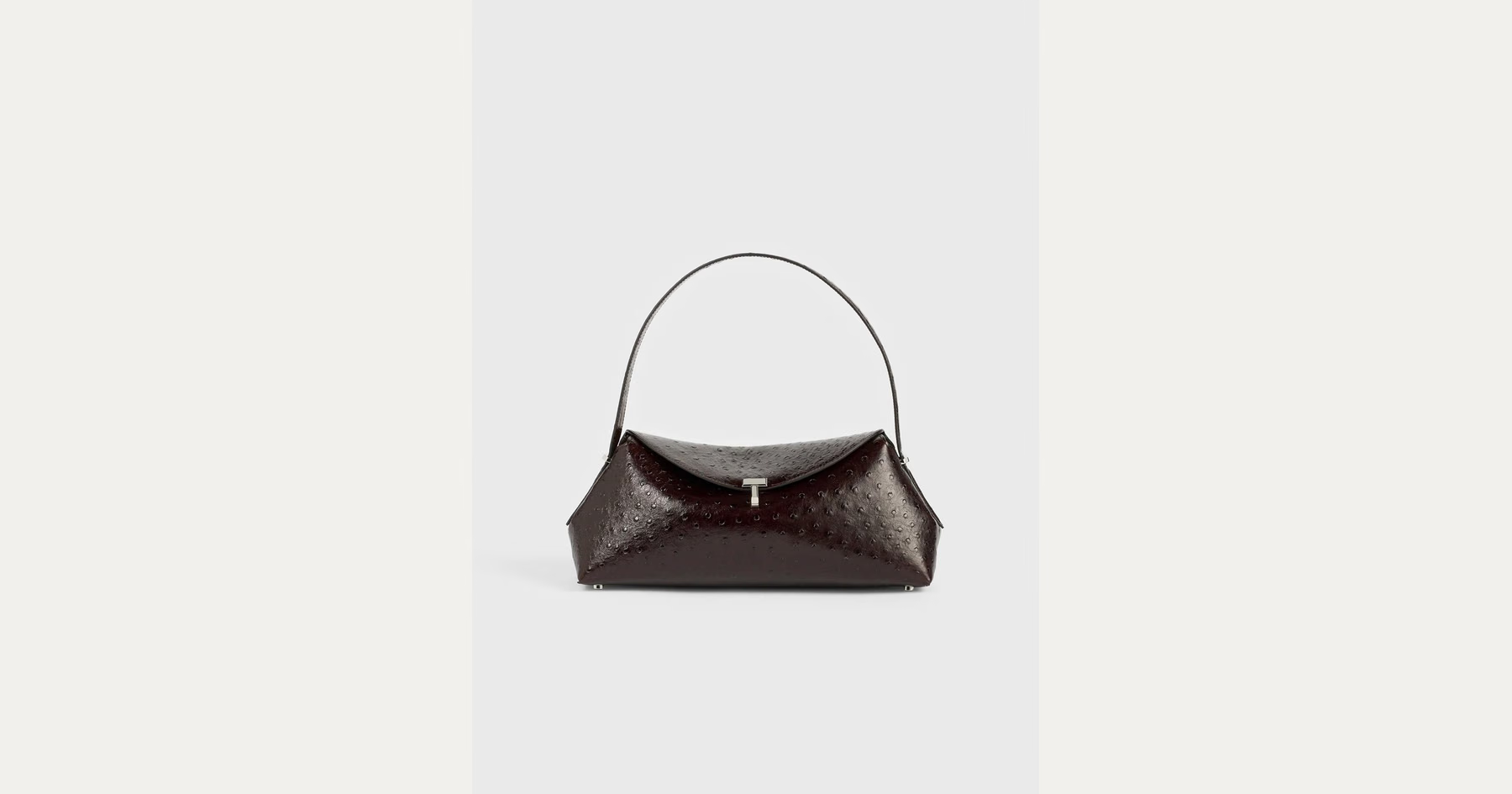
With TOGA, consider how metal details meet jewellery and outerwear. Strong design should still allow convenient fastening and a comfortable strap position.
Black and camouflage PORTER bagsMetal details on a black TOGA bag
Construction and texture shape the bag
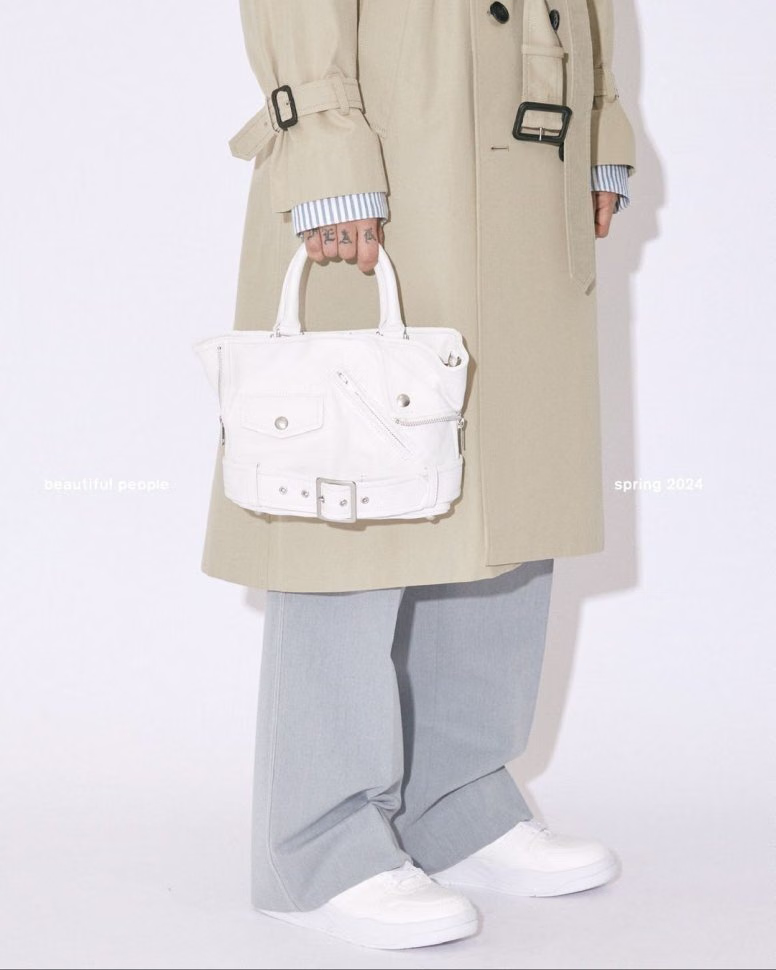
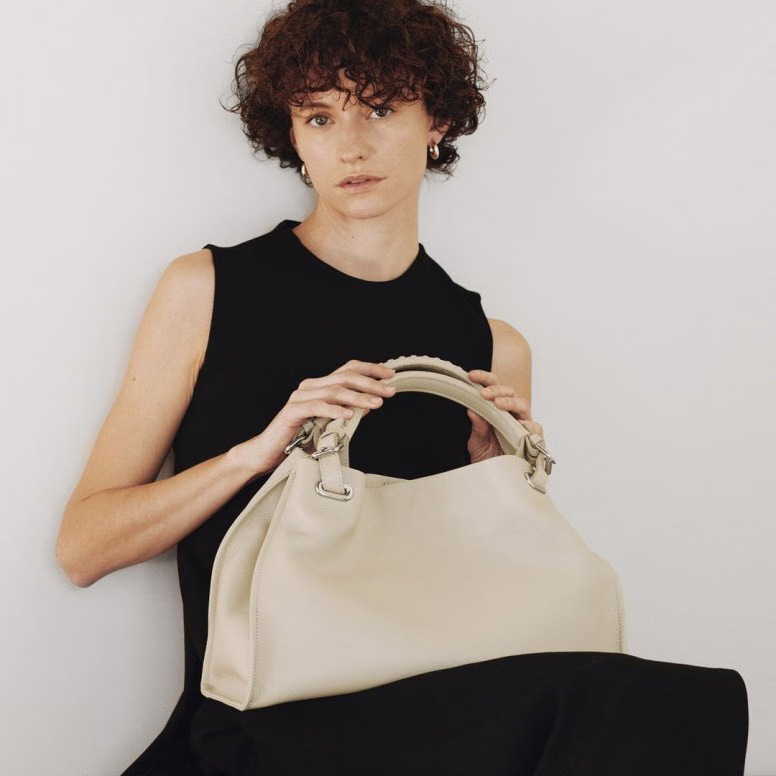
beautiful people’s handles, opening and body proportions deserve a look while wearing your usual coat. Contents can change the silhouette.
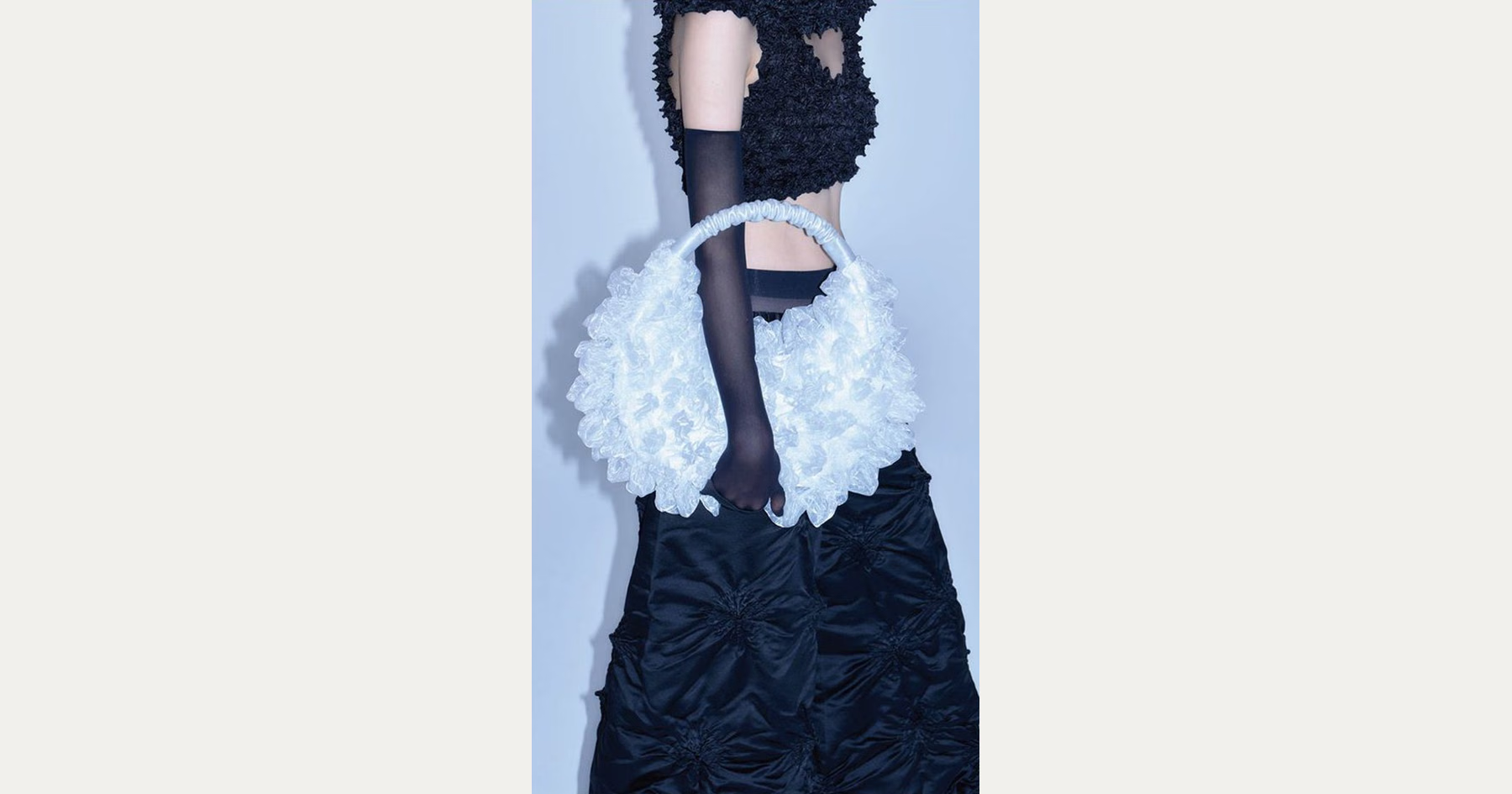
BUNZABURO’s gathered fabric expands to create volume. Stretch does not mean unlimited load; follow the individual product’s dimensions and use conditions.
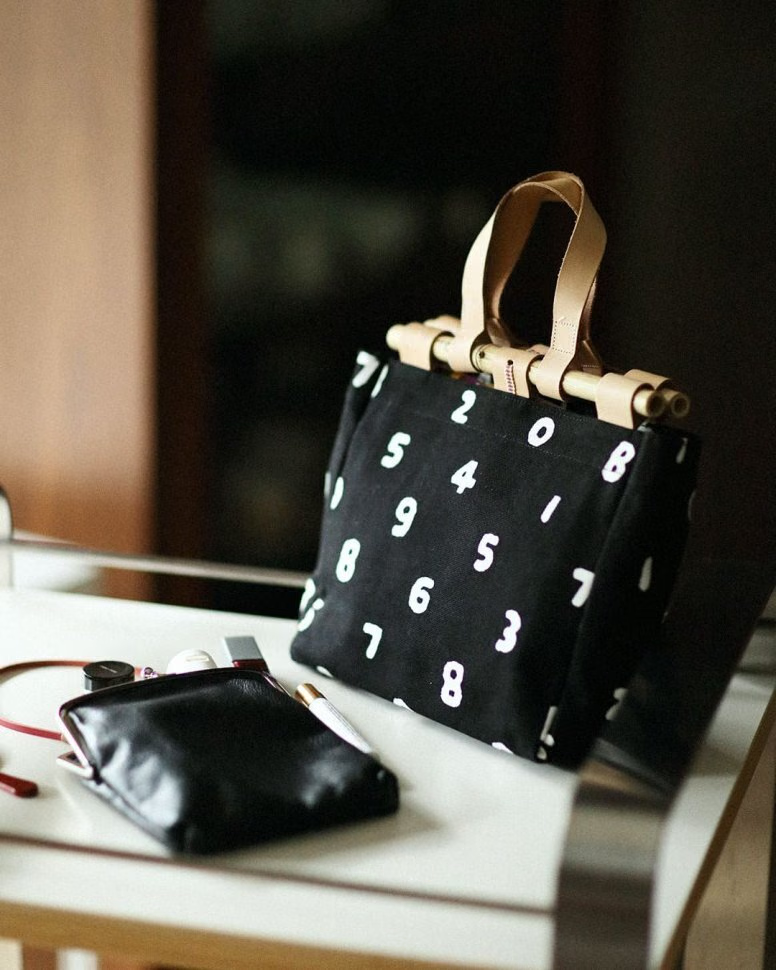
White beautiful people bag stylingSOU・SOU numerical-print bag
Graphics and leather answer different needs
SOU・SOU’s numbers and prints can animate plain clothes. Check pattern placement and whether the opening needs an additional pouch for smaller belongings.
For Tsuchiya Kaban, study handles, seams and structure. The brand also makes school backpacks, whose specifications should not be confused with women’s handbags.
Light leather Tsuchiya Kaban handbag
Questions answered
Which is best for work?
Compare your actual load with size, opening, weight and carrying method.
Can shibori bags stretch indefinitely?
No. Respect each product’s stated conditions and load guidance.
Is buying in Japan always cheaper?
No. Compare the same item using current prices, exchange rates and taxes.