What to know | Kim Yoo-jung in 100 Days of Lies: From Pickpocket to Undercover Agent
The key details: Set in 1932 Gyeongseong, the drama pairs Kim Yoo-jung with Park Jin-young. Her earlier period and contemporary roles offer context for watching the new character.
"100 Days of Lies" starring Kim Yoo-jung and Park Jin-young, is set in Gyeongseong in 1932. It describes the story of a top pickpocket who became a secret agent and her 100-day espionage romance after meeting an elite interpreter of the Japanese colonial Government-General of Korea. The public characters and video materials allow the audience to see Kim Yoo-jung change her character identity again: from the agility of street survival to an environment where her true purpose must be hidden.
Cover image: 金裕貞公開社群/作品宣傳圖像
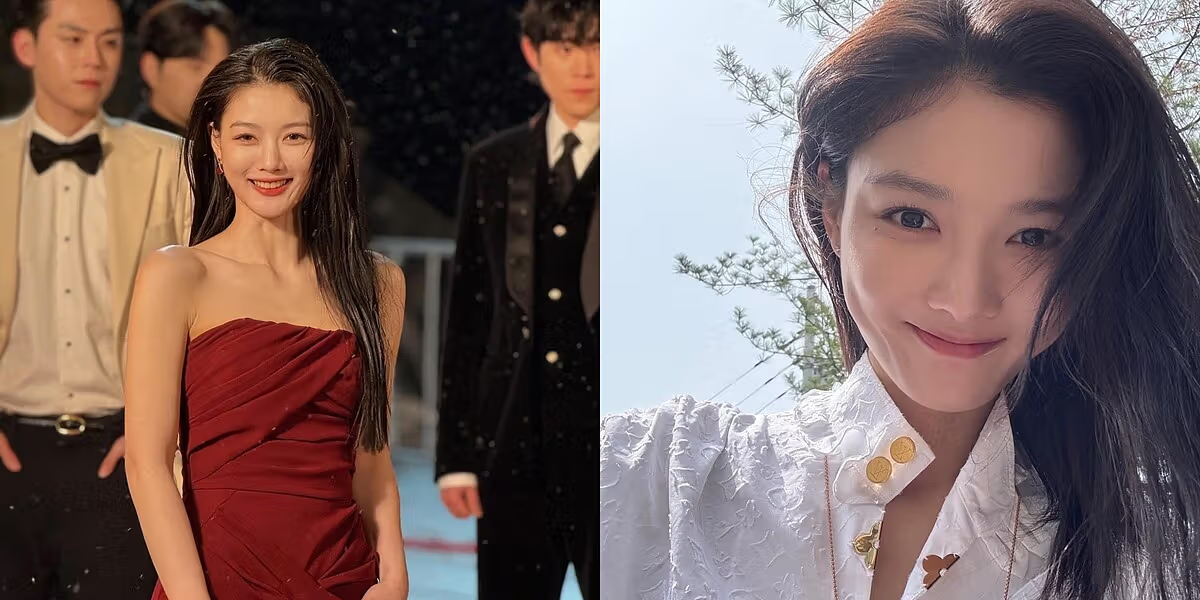
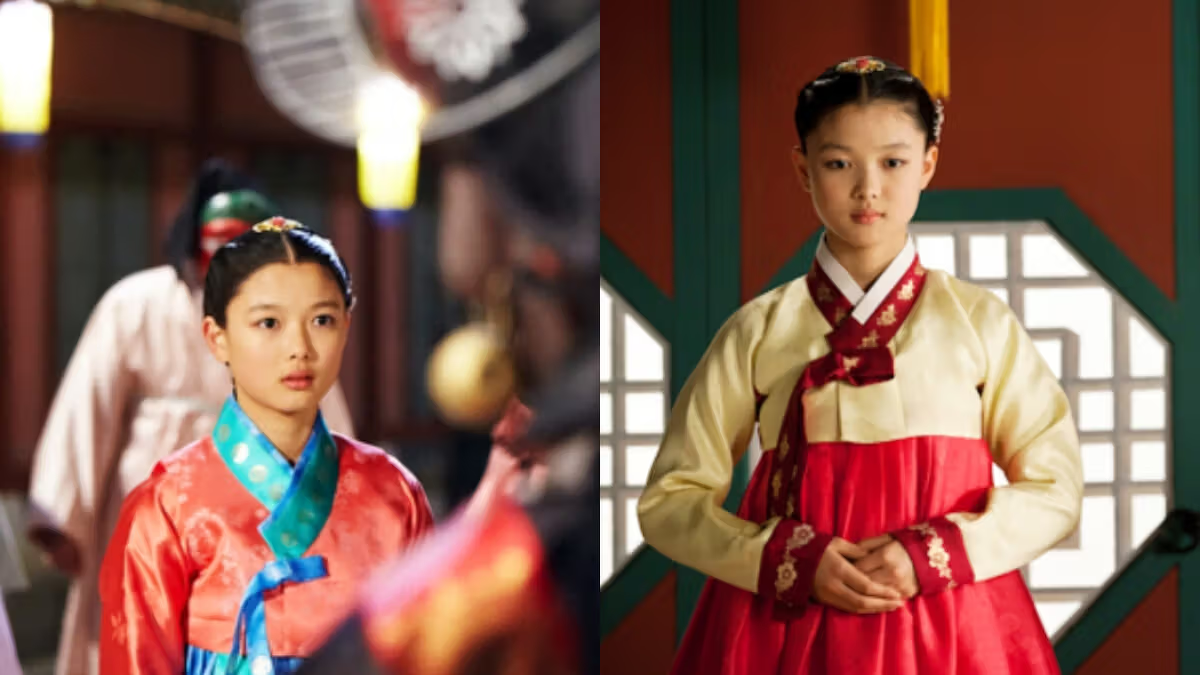
Images of Kim Yoo-jung's past costume works, not stills from "100 Days of Lies". Image: 金裕貞公開社群/作品宣傳圖像Kim Yoo-jung’s public profile photos. Image: 金裕貞公開社群/作品宣傳圖像
The tension of the new character comes from the fact that one’s identity cannot be seen through
Kim Yoo-jung plays Lee Ga-gyeong, who accepts a secret mission and enters the Government-General as an interpreter; Park Jin-young plays Kim Tae-ung. The relationship between two people is not only about whether they have feelings, but also about how much truth they can tell and when they must remain silent.
Kim Yoo-jung’s public life and style photos. Image: 金裕貞公開社群/作品宣傳圖像
The focus of watching this type of espionage love story can be on how the characters choose language and actions. The same sentence may have different meanings when spoken in public or in private; there will also be a gap between the character's superficial reaction and the actual purpose that requires continued interpretation by the audience.
From child actor to protagonist, her roles continue to develop
Kim Yoo-jung has been performing since she was a child. Works such as "Dong Yi" and "The Moon Embracing the Sun" have made many audiences aware of her child star period; later "Love in the Moonlight", "Lovers of the Red Sky" and "20th Century Girl" provide roles of different eras and narrative forms.
If you want to watch her performance again, you don’t have to catch up on all the pieces at once. You can first choose a costume and a modern work, and observe how she uses her speech speed, eyes, and interaction with her opponents to establish the characters in their respective worlds. It is not appropriate to only use the dichotomy between child actors and adult actors to understand works from different periods.
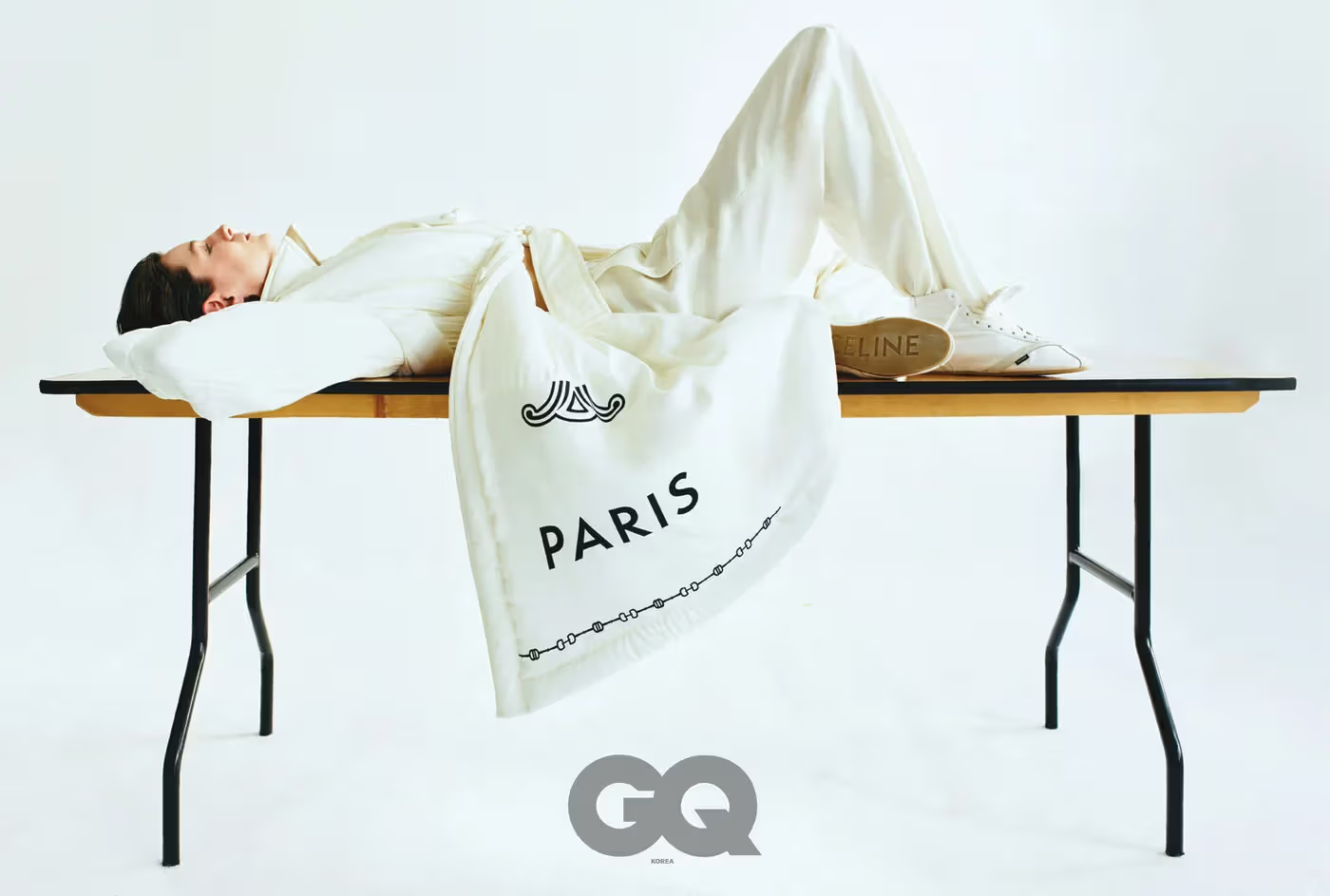
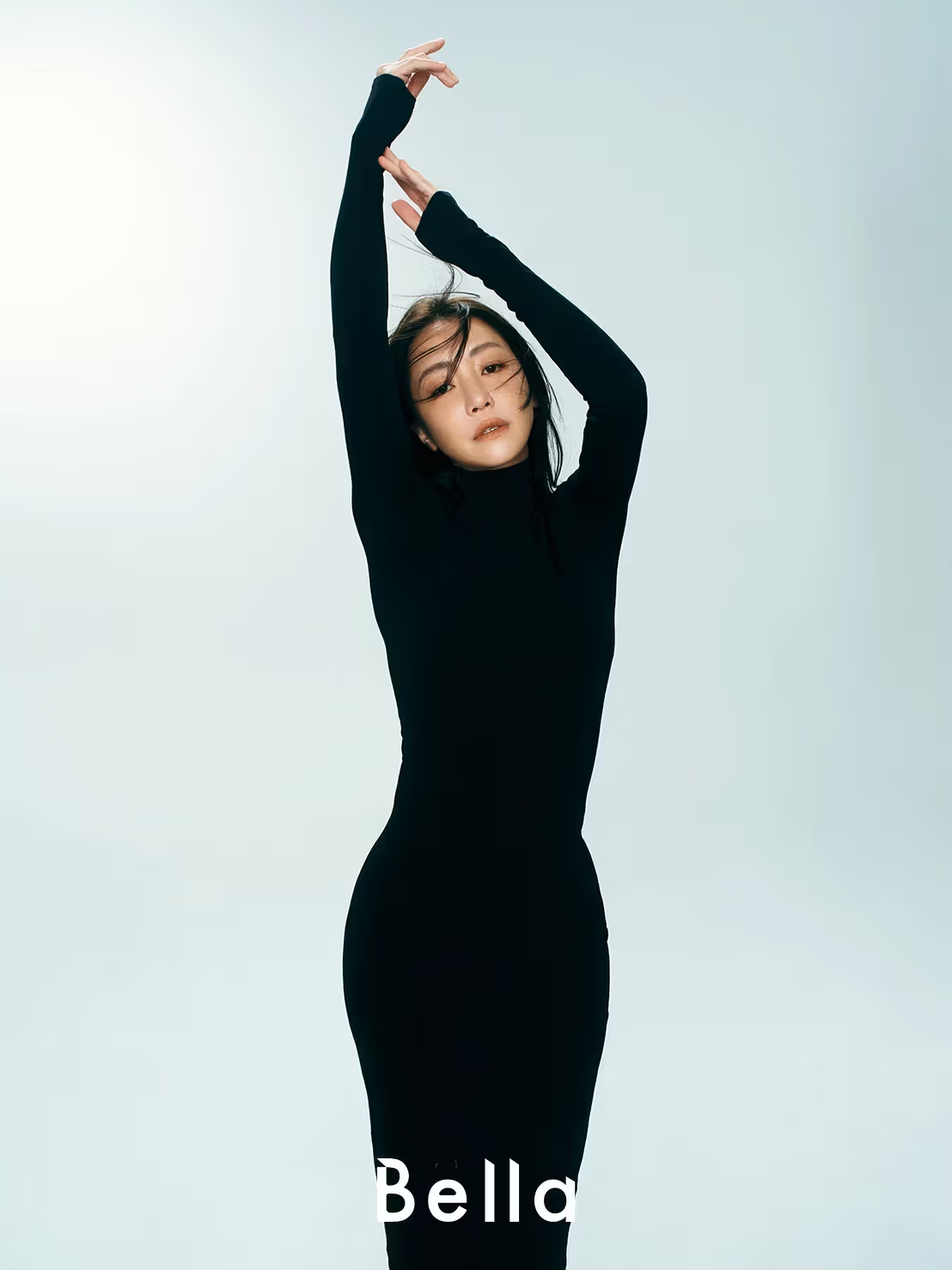
Images of Kim Yoo-jung’s past costumes and fashion works. Image: 金裕貞公開社群/作品宣傳圖像
"Dear X" provides another character entrance
In 2025's "Dear X", Kim Yoo-jung plays Baek Ah Jin, which is obviously different from the sweet image that the audience is familiar with. The character combines surface intimacy with inner calculation, and how she controls the degree of emotional exposure becomes part of the viewing experience.
Looking at this character alongside "100 Days of Lies", you can pay attention to the different functions of "hiding" in the two stories: sometimes it is to protect oneself, sometimes it is related to tasks and identity. This is a way to read characters without directly equating the choice of characters in the play with the actors themselves.
Historical background and drama setting, understood separately
"100 Days of Lies" uses 1932 Gyeongseong and its colonial institutions as the story environment. How the specific characters and events develop should still be judged based on the work itself and official information. Just because the scenes exist in history, all plots cannot be regarded as restorations of real events.
For readers who are ready to follow the drama, they should first grasp Lee Ga-gyeong's mission, Kim Tae-ung's position and the information gap between the two, and then they can establish a starting point for watching; as for the subsequent character motivations and turns, they can be left to the plot to gradually reveal. Kim Yoo-jung's recent work path also shows that her role selection no longer relies solely on a fixed external image, but continues to find performance space in different narratives.