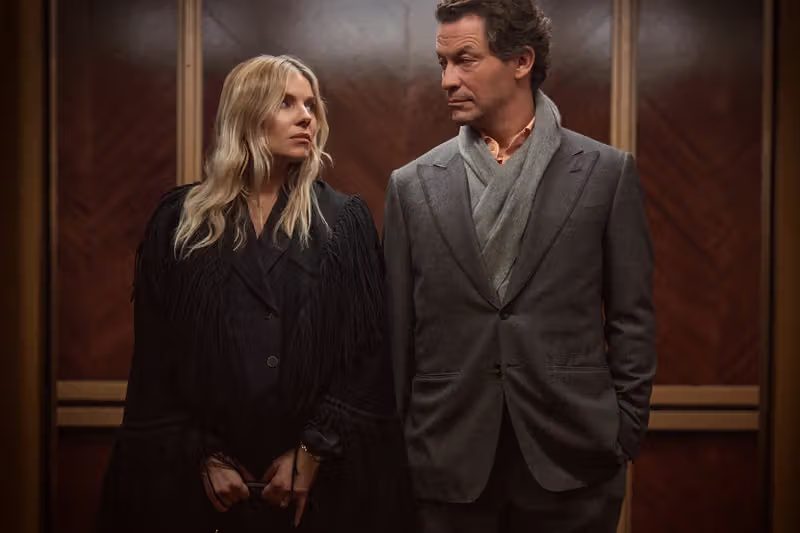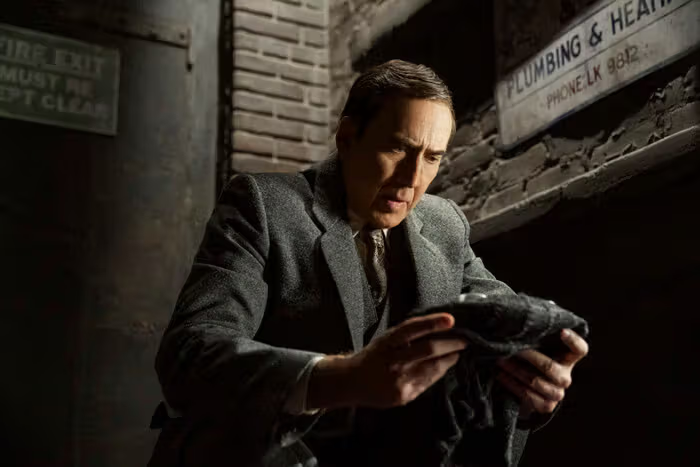
Actor Nicolas Cage said at a New York Comic-Con panel that he declined to sign a consent form for the Prime Video series 'Spider-Noir,' refusing to authorize the production to replicate and use his digital likeness through AI technology. He focused on an actor's right to choose how their voice and likeness are used, rather than on the show's storyline.
What's at the core of the controversy?
According to terminology published by SAG-AFTRA, a "digital replica" refers to the duplication of an actor's voice or likeness using AI or other digital technologies, and the same page defines informed consent as requiring clear and conspicuous agreement. What Cage rejected was precisely this kind of authorization—not the use of special effects or the production of the show itself—and it does not mean that 'Spider-Noir's' filming plans have been halted or canceled. The public should not over-interpret this as a legal dispute.
Why did he make this decision?
Cage said he does not hold a favorable view of AI, describing Amazon as a company heavily investing in the development of artificial intelligence within the industry. He emphasized that he does not align himself with that camp, which is why he chose not to sign the document allowing the production to use his AI likeness in 'Spider-Noir.' For him, this was a statement about actors' identity and autonomy, rather than simply a personal opinion about one particular project.