Storm Wrecks the Stage the Night Before, But AfroPlus Fest Still Gives the Afro Diaspora a Home in DC
The night before doors opened, a storm tore the stage apart. AfroPlus Fest went on anyway. Now in its second year, North America's biggest Afro-Caribbean hip-hop festival pulled crowds from Ghana, Jamaica, London, and Baltimore into Washington DC, where music became the thing that reconnected everyone to their roots.
The night before the show, a storm blew the stage apart. By all logic, a three-day festival hitting that kind of setback should've been called off. But AfroPlus Fest founder Michael Awosanya, a DMV native, said the next day exactly what you'd expect: the show goes on. According to firsthand reporting from The FADER's Kylah Williams, the festival — North America's largest Afro-Caribbean hip-hop gathering, now in its second year in Washington DC — pulled through and completed its full three-day run.
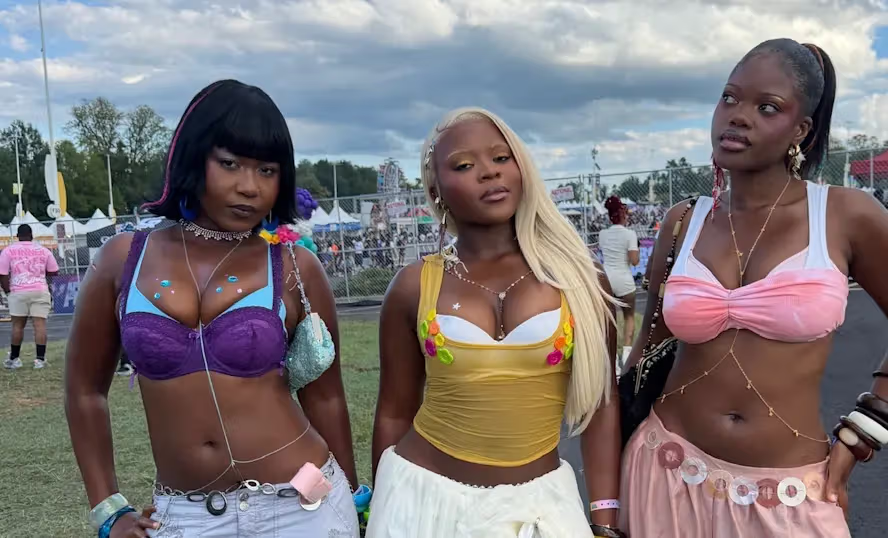
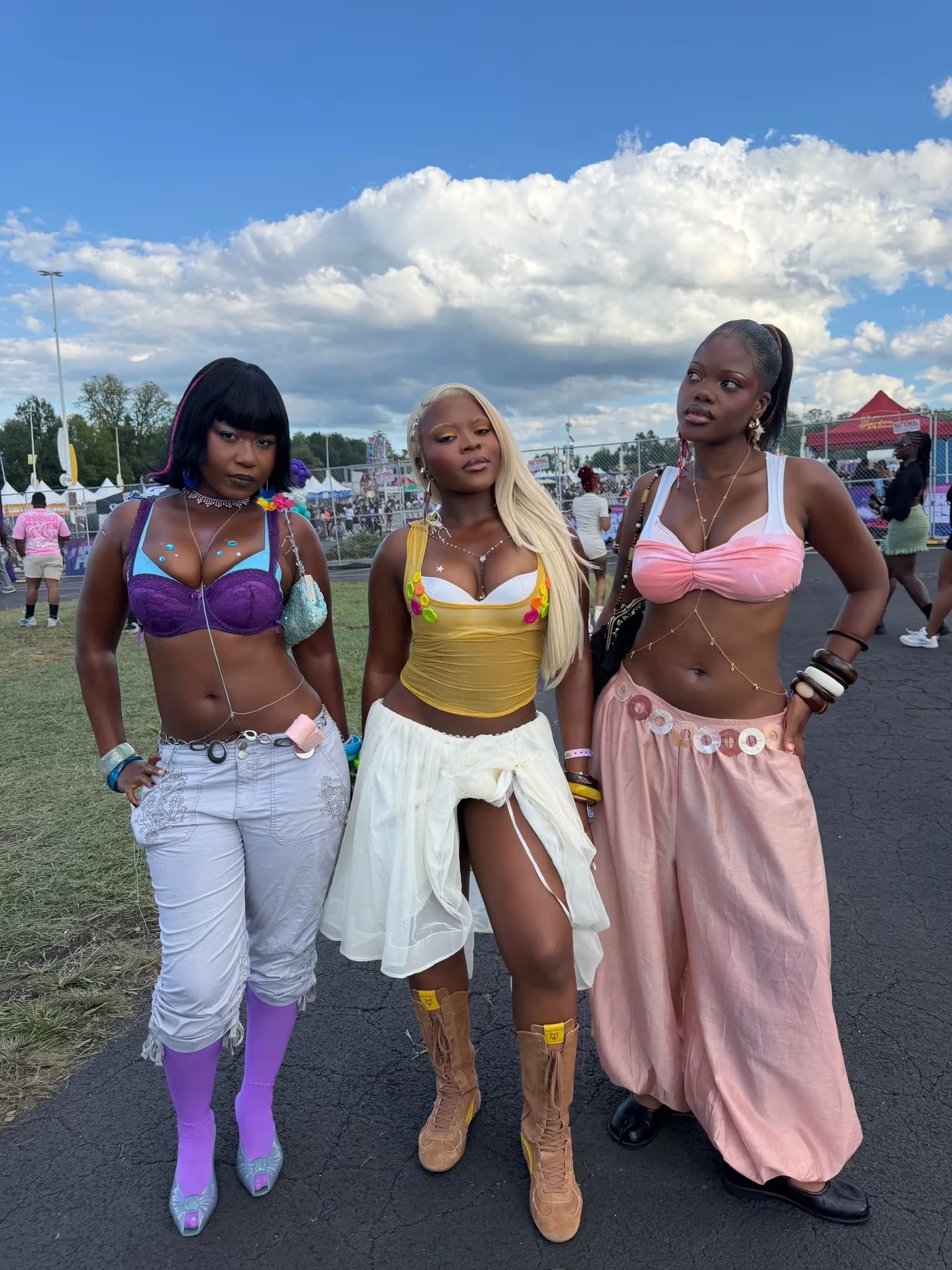
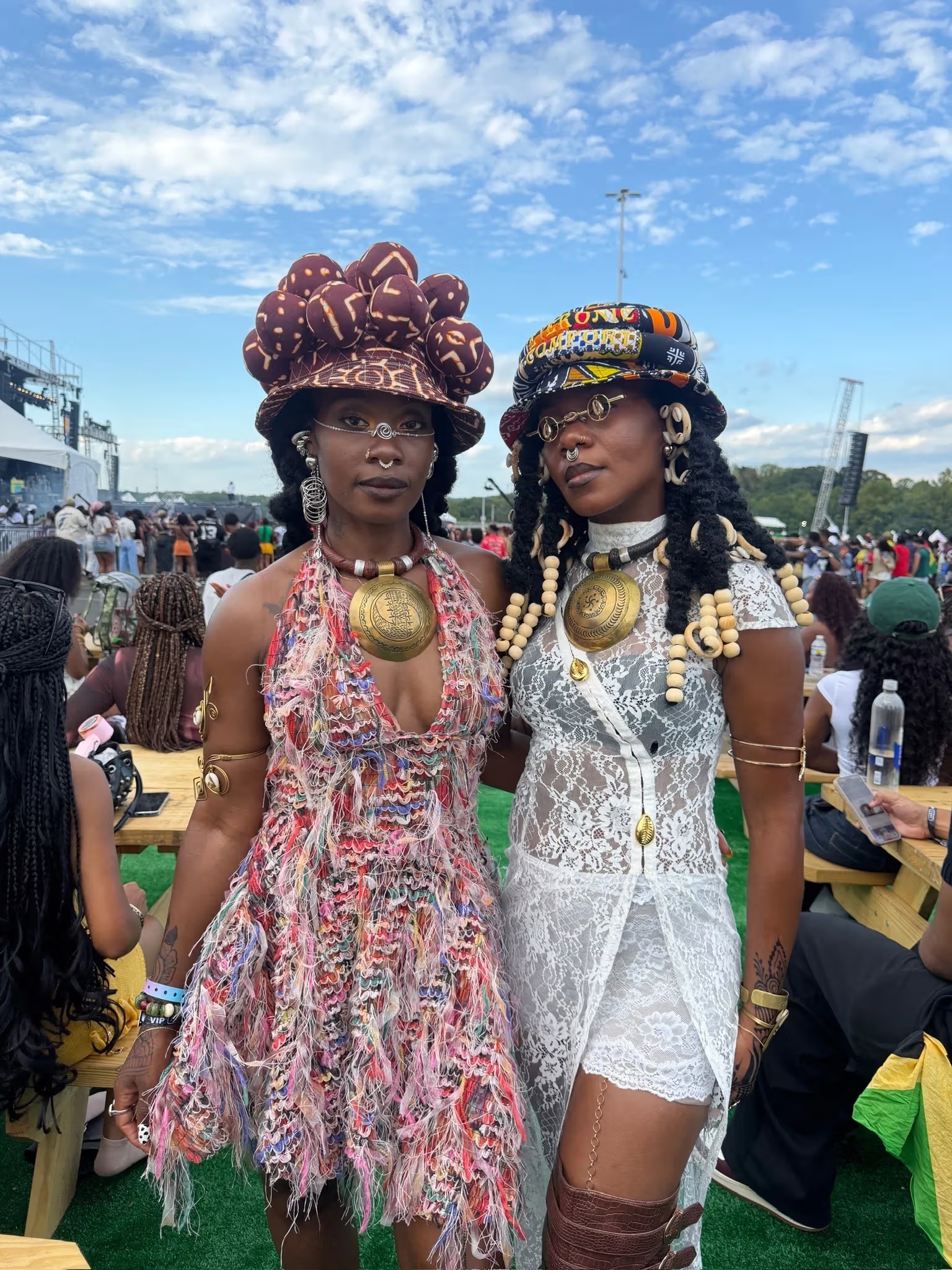
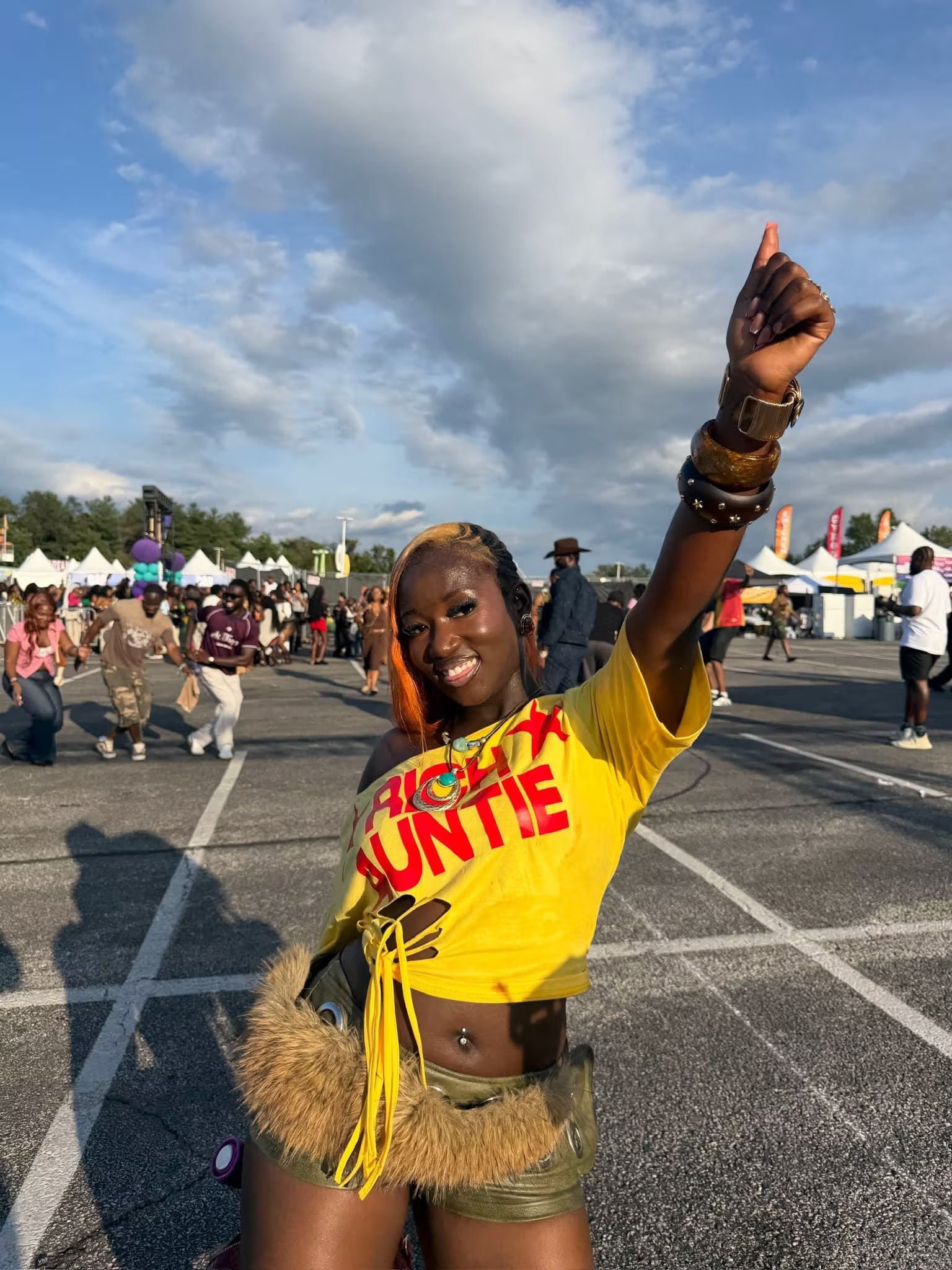
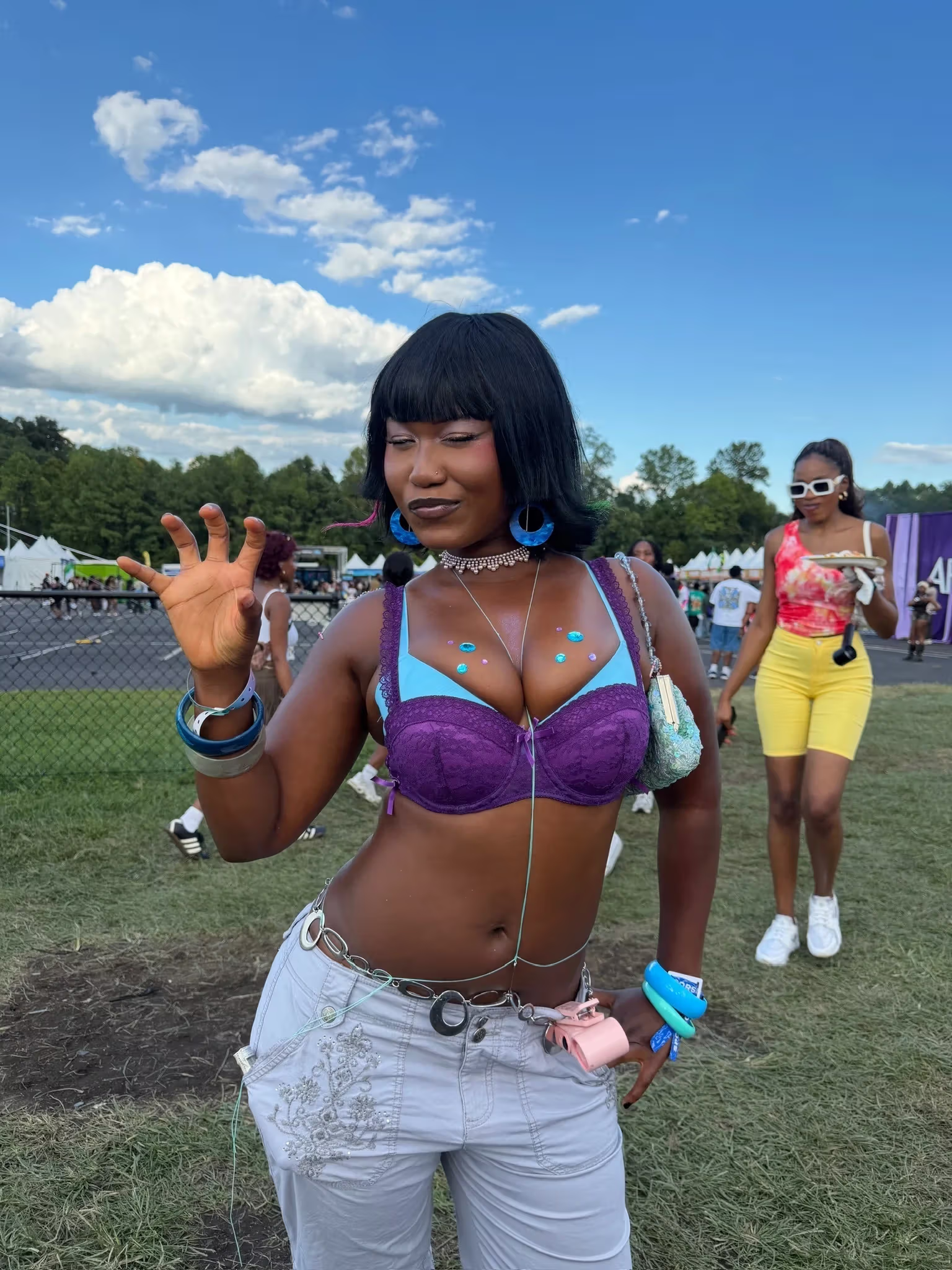
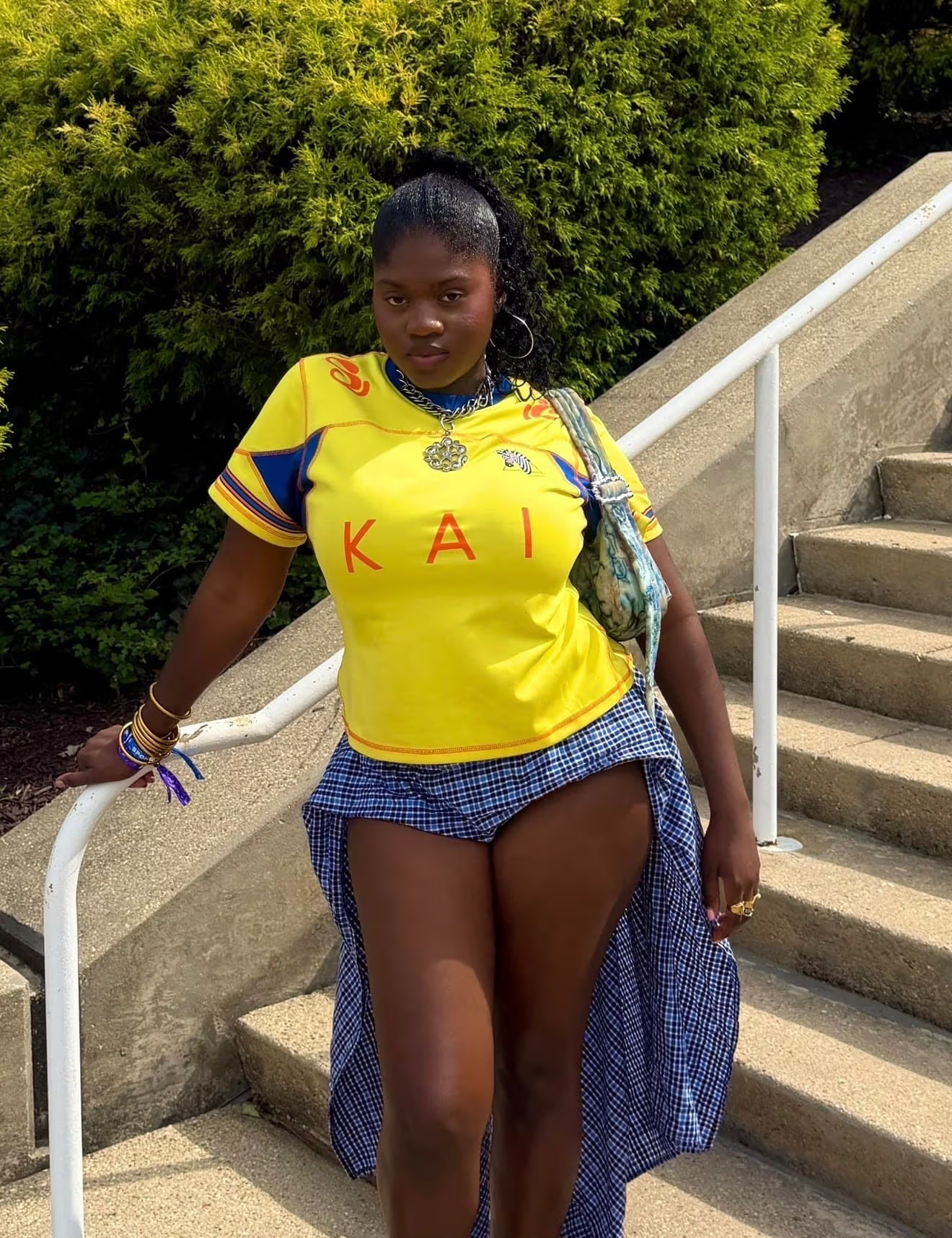
Williams, who is of St. Kitts and West Indian descent herself, described her first impression walking into the venue as an explosion of cultural markers all at once: Jamaican flags waving high, people dressed head to toe in Lagos brand Meji Meji, others swaying through the crowd in artist merch. A group of girls who'd never met before started screaming and hugging on the spot after realizing they were all part Zambian — that kind of instant-stranger-to-friend moment kept happening all over the grounds.
The crowd came from Ghana, Nigeria, Jamaica, DC, Baltimore, London, and even as far as Birmingham. Asked at the booths who they were most hyped to see, the names that came up most were Tems, Wizkid, Davido, Spice, Ayra Starr, DJ Tunez, Ruger, Alkaline, Jada Kingdom, and Dexta Daps. Even for artists people didn't know well, most just laughed and said they were there for the vibe.
A Few Words on What the Festival Means to Them
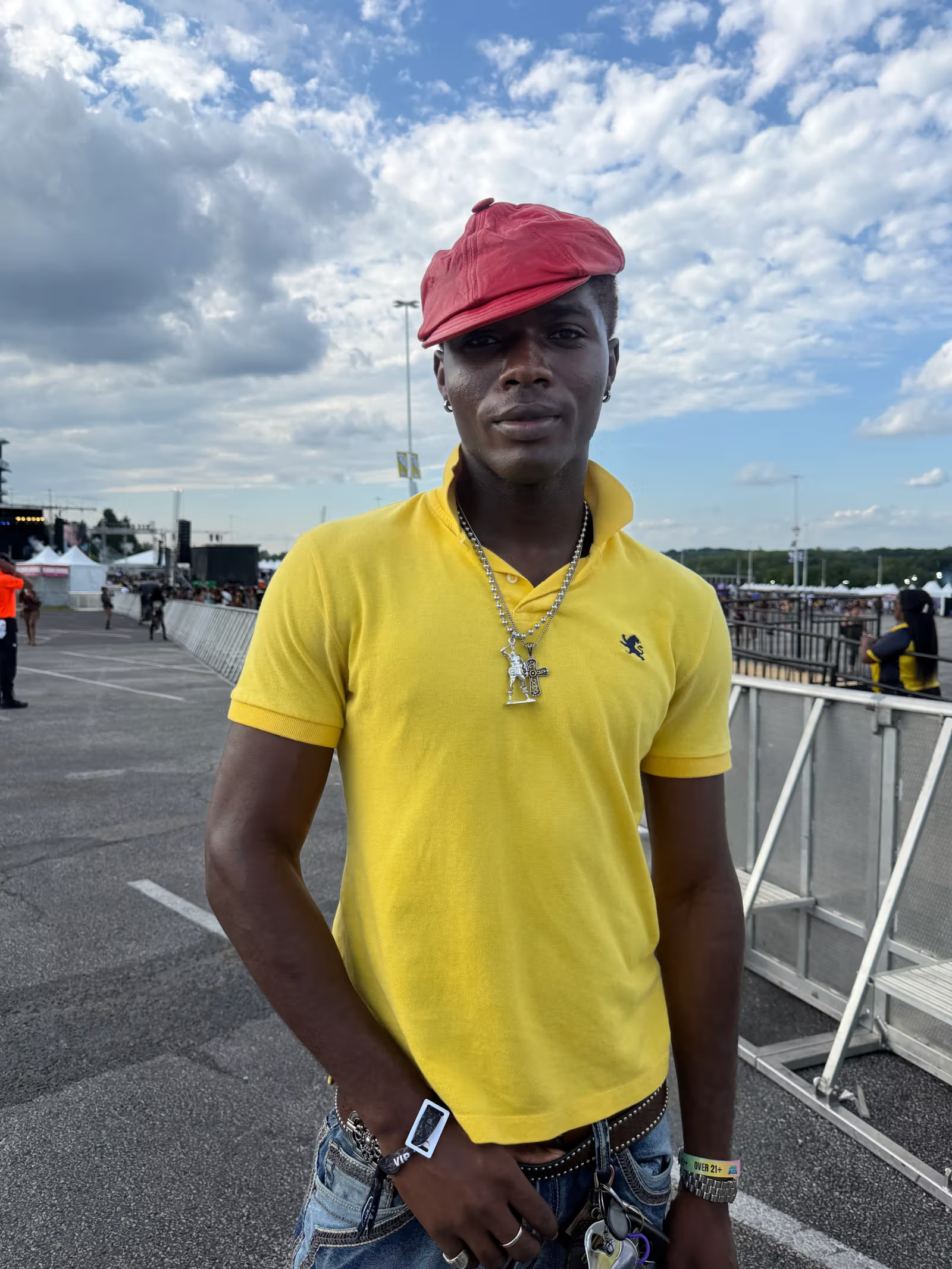
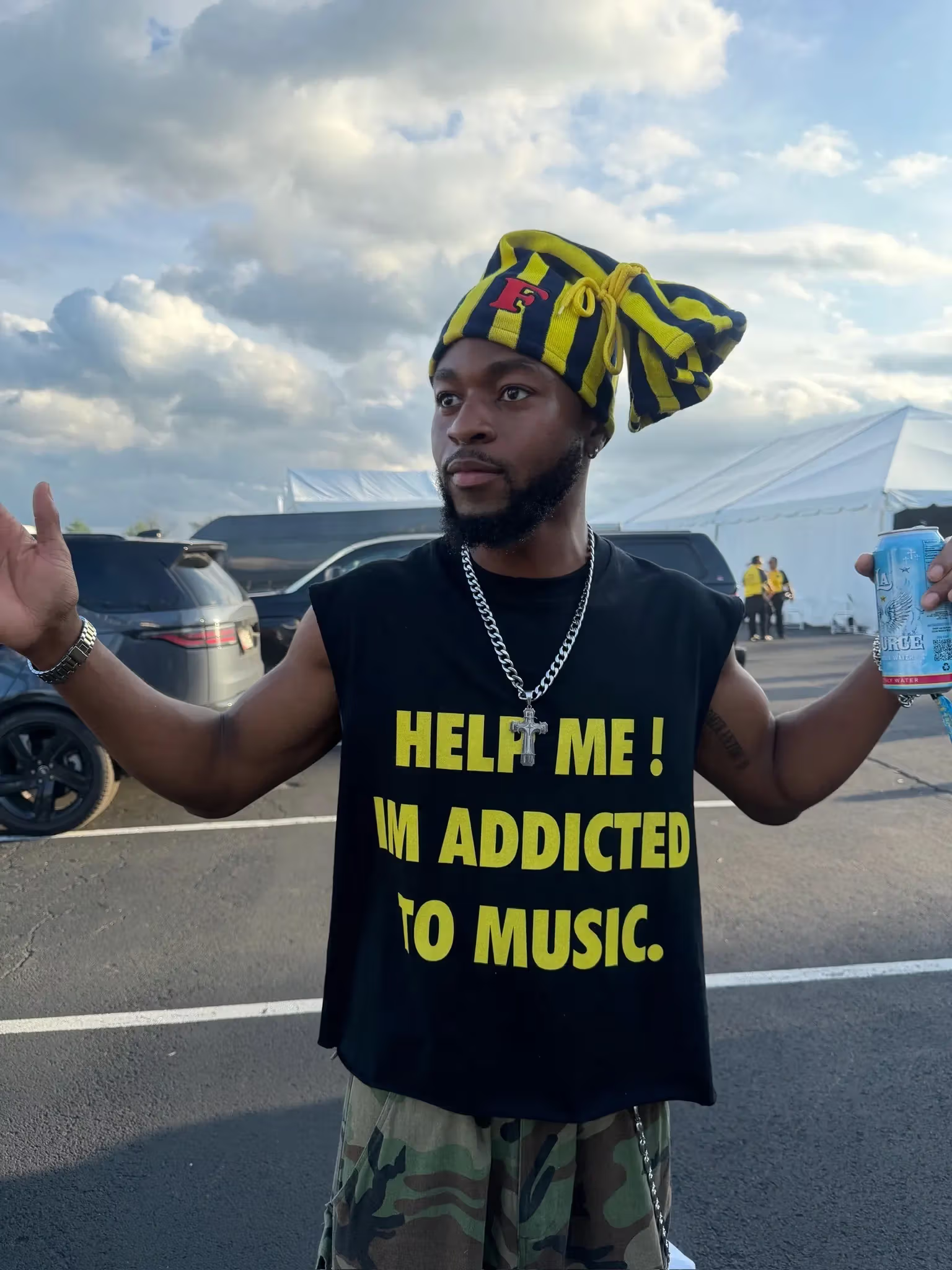
25-year-old Rama said what makes AfroPlus special to her is simple: "It's held right in my county — PG, Pretty Girl County." 30-year-old Oluwaseun put it as, "I love Afrobeats because it's an extension of home." 24-year-old Nigel Xavier described the music as something that "makes you want to move, makes you feel happy and free, always puts you in a better mood." 28-year-old Eze looked back on childhood memories of his parents taking him to dancehall parties, where he was often the kid who fell asleep right next to the speakers.
Pieced together, these moments say more about what AfroPlus really is than any lineup ever could: not just a packed schedule, but a place where different diaspora communities come back year after year to check in and confirm everyone's still here — even after the stage got flattened by a storm the night before.