What to know | Chopard Happy Diamonds at 50: Liu Wen Models a Design Built Around Movement
The key details: New watches and necklaces revisit sliding diamonds, a concept introduced in 1976. Happy Diamonds and the later Happy Sport collection have different histories.
Chopard’s Happy Diamonds marks its 50th anniversary in 2026. The brand continues the concept of sliding diamonds with a new image and watches and jewelry. Liu Wen appears in the anniversary campaign. The most recognizable part of this series is not that the diamonds are fixed into a certain pattern, but that they move with movement between transparent sapphire crystals, making the wearer's activities become part of the viewing experience.
Cover image: Chopard
What’s the difference between Happy Diamonds and Happy Sport?
The concept of Happy Diamonds emerged in 1976, so this year has a 50th anniversary theme. Happy Sport is a watch series developed later. All products with similar names cannot be regarded as coming out at the same time in 1976. When reading the anniversary news, first distinguish the concept, series and specific models, so that you can better understand which period of history the brand is revisiting.
Sliding diamonds also look differently than fixed settings. Static jewelry mostly looks at the outline from the cut, configuration and light; Happy Diamonds allow the position of diamonds to continuously change, and the same piece may appear in different combinations when raising the hand, turning around or stopping. This is a design mechanism, not a judgment on the investment value of diamonds.
The First watch and the rectangular necklace, what do they keep?
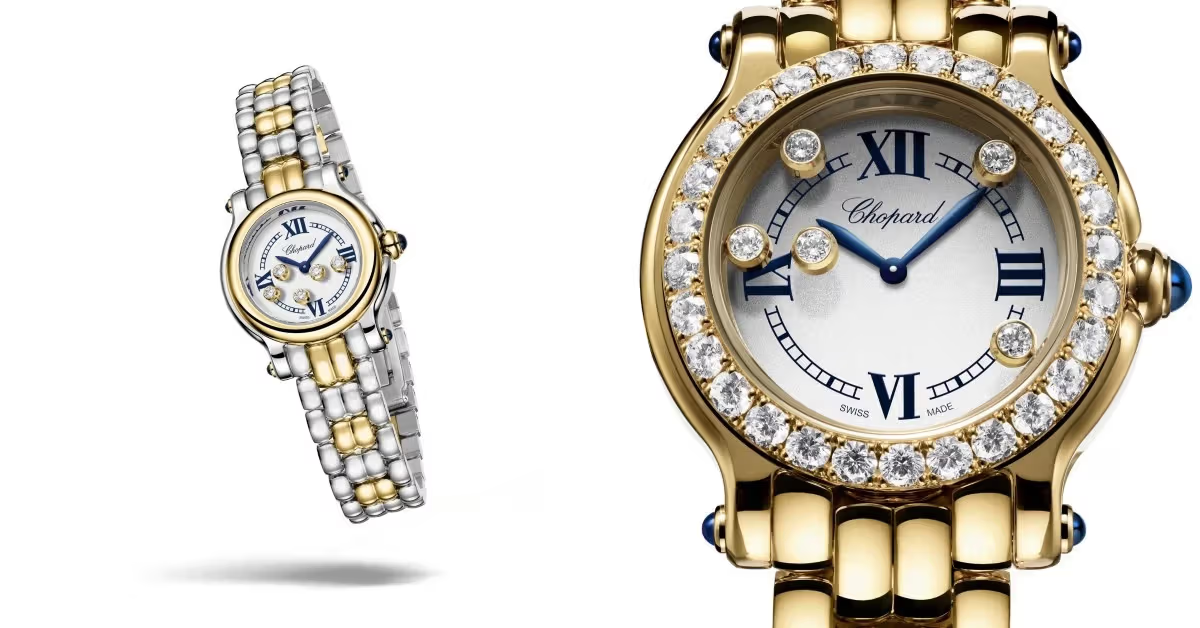
The Happy Sport The First in the anniversary news continues the free movement of diamonds, while using clear case lines and proportions to form the outline of the wrist. The official page lists 33mm quartz models of different materials, including Lucent Steel and versions combined with precious metals. When making actual comparisons, you should confirm the movement and material with the product model, not just the series name.
Happy Sport The First watch. Image: Chopard
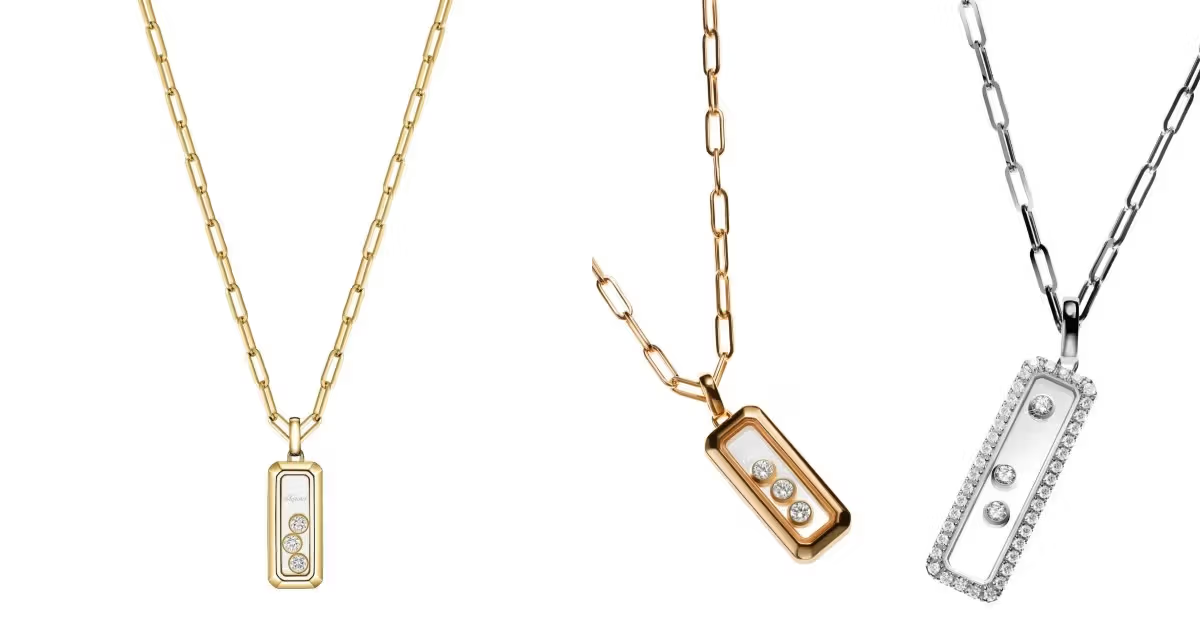
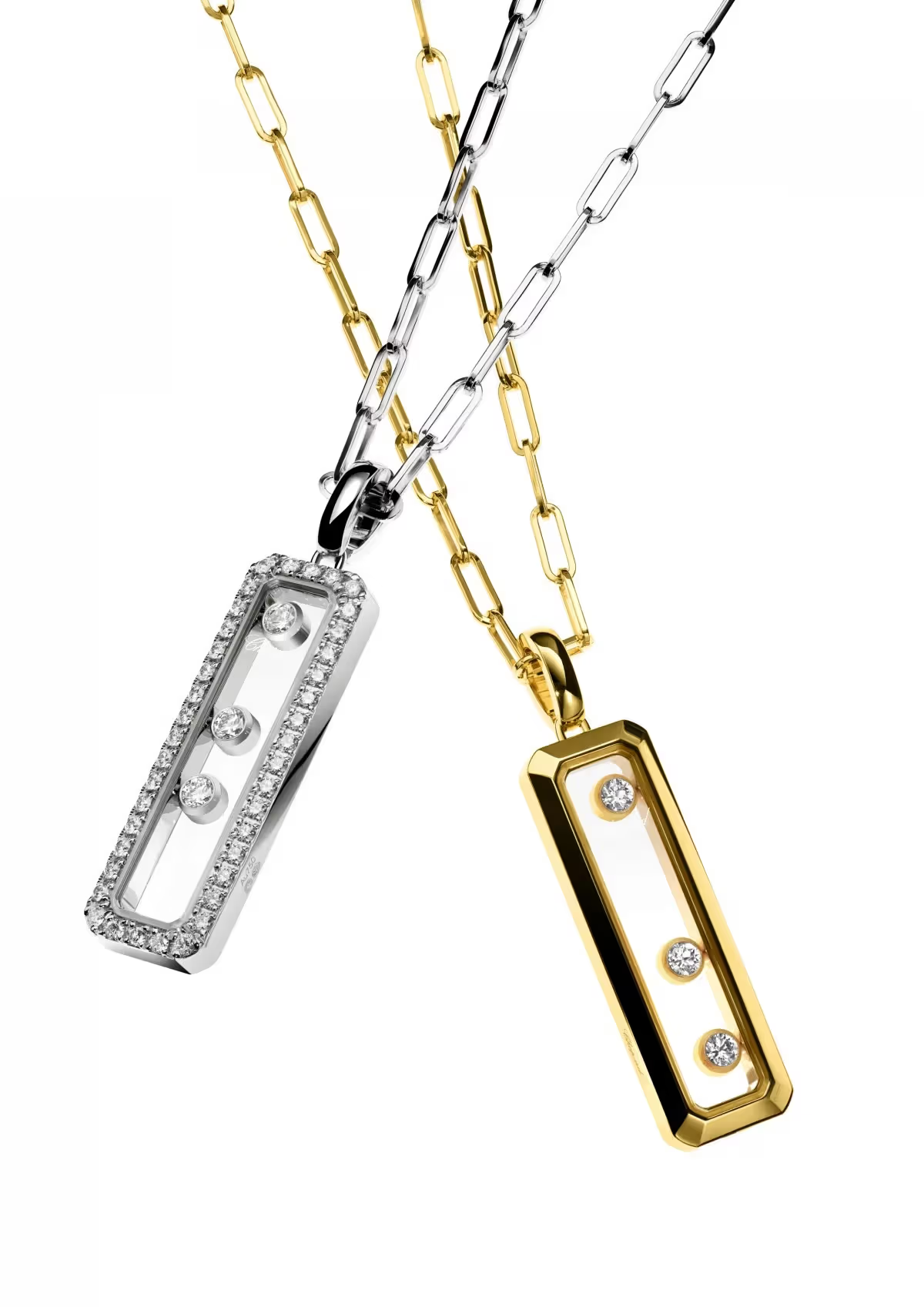
The Happy Diamonds rectangular necklace puts a geometric frame and moving diamonds together. The outer frame provides a more stable line, while the diamonds inside change positions with movement; the difference between the two forms allows the same design concept to correspond to the activities of the wrist and neck respectively.
Liu Wen’s anniversary image, let the action enter the jewelry photos
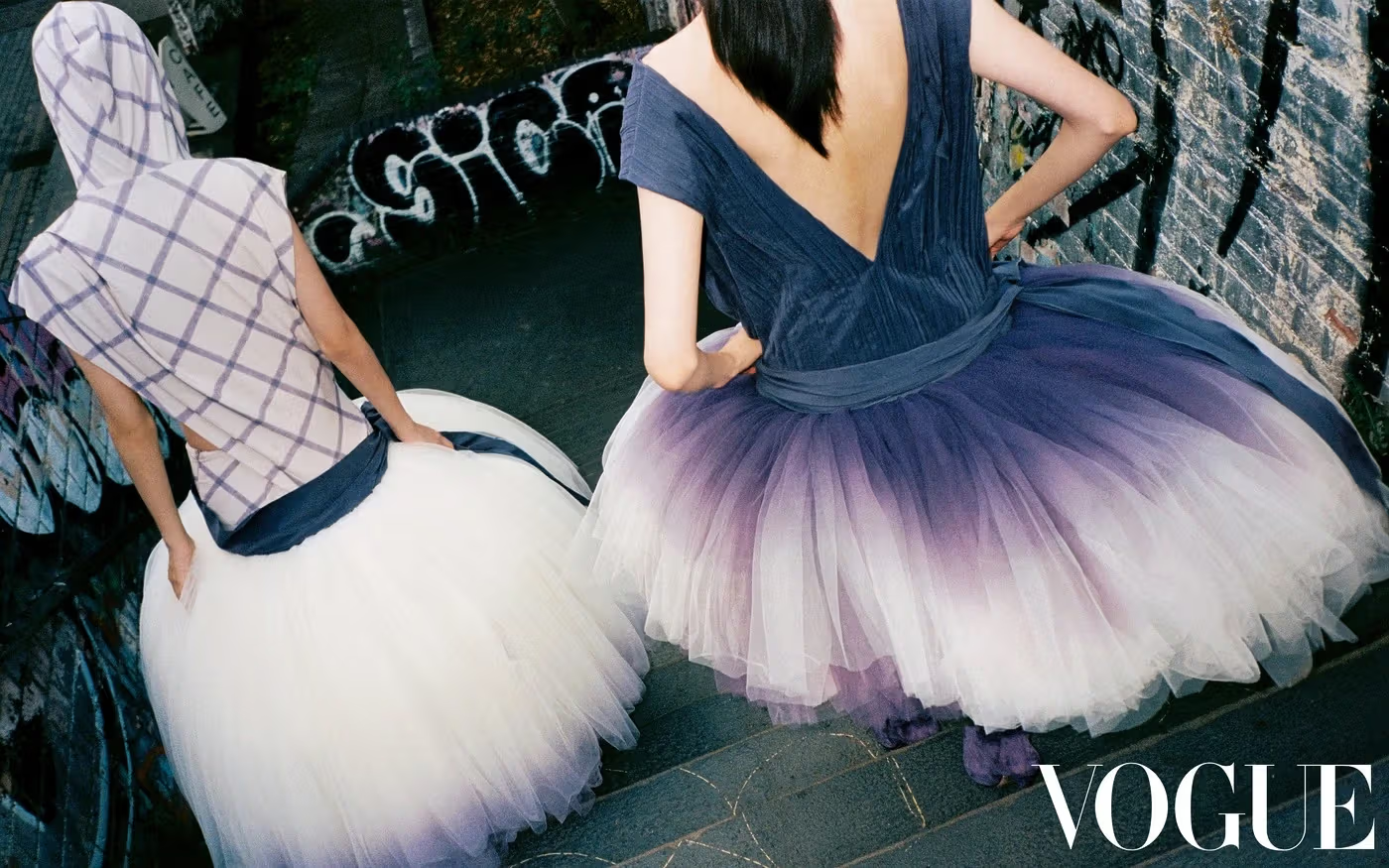
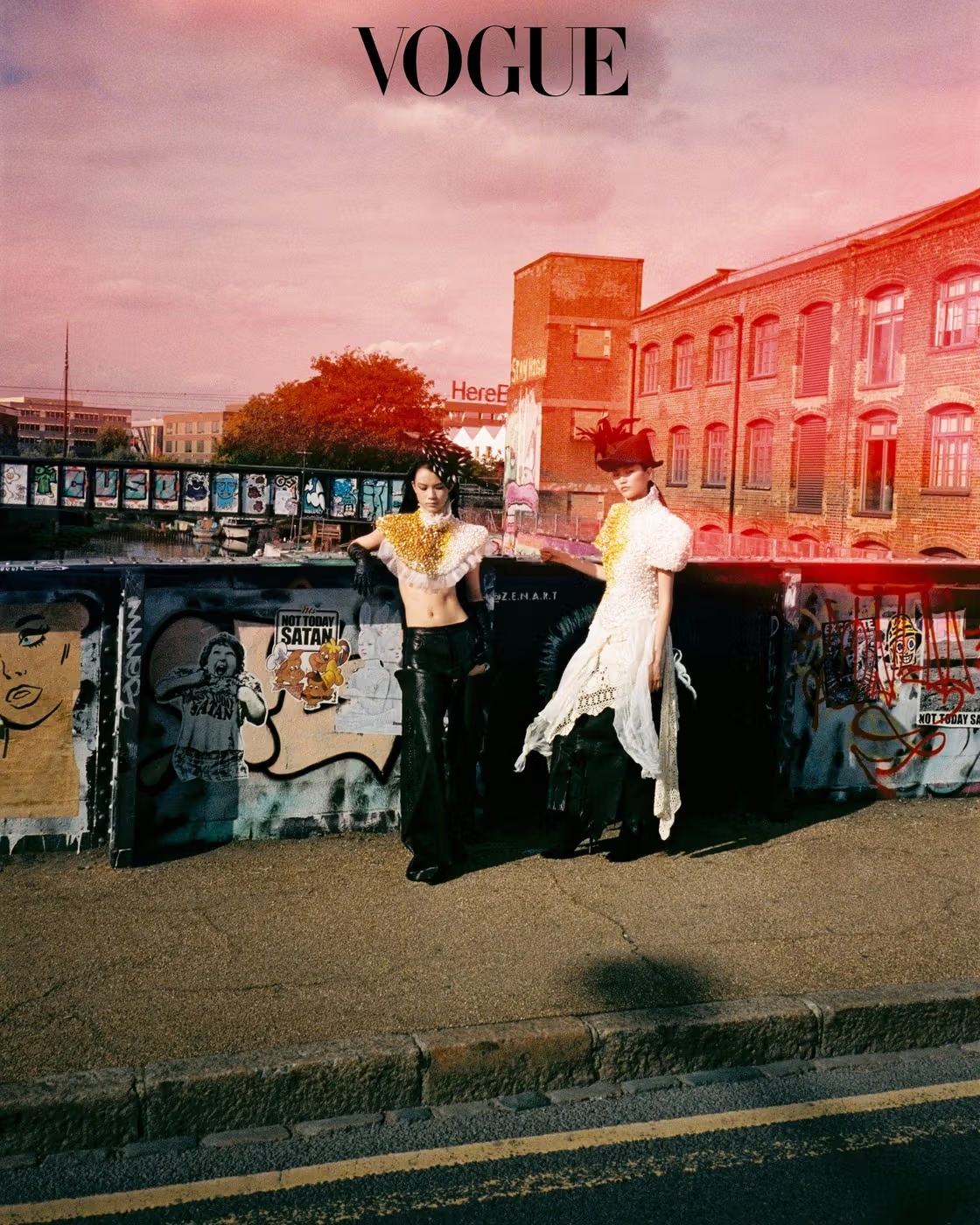
Liu Wen participates in visual imagery, allowing watches and jewelry to be viewed through the postures of characters. For this kind of movement-focused design, photos can capture a moment in time, and videos can make it easier to understand how the diamonds change positions within the frame. To understand the series, the two images complement each other.
Liu Wen wears Chopard watches and jewelry. Image: Chopard
At the same time, it is also necessary to distinguish between image matching and actual sales content. The combination and wearing style of clothes and jewelry in the photos are the arrangements at the time of shooting; whether different markets provide the same products, materials or sizes should still be confirmed through local official channels.
When choosing a watch or necklace, first compare the usage methods
For watches, you need to consider the diameter, thickness, strap and time reading at the same time; for necklaces, you can compare chain length, pendant size and neckline position. Even if both have sliding diamonds, the choice cannot be made solely based on appearance. When actually wearing it, weight and range of motion are equally noteworthy.
Chopard sliding diamond necklace in metallic color options. Image: Chopard
The 50th anniversary provides a time to re-understand design. What has truly lasted half a century is the method of transforming diamonds from fixed decorations into movable elements; for readers, first understanding this mechanism and then comparing their favorite silhouettes is more concrete than judging a work by its anniversary name alone.