ÉTAT HER

Mercedes-Benz Admits It: Touchscreens Had Their Moment, But Physical Buttons Are the Real Non-Negotiable

CEO Ola Källenius admits the brand prioritized tech over convenience, and Mercedes-Benz is bringing physical buttons back to future models — but the 56-inch MBUX Hyperscreen isn't going anywhere.

Hsin-Yi Ho, Food Editor
Mercedes-Benz Admits It: Touchscreens Had Their Moment, But Physical Buttons Are the Real Non-Negotiable

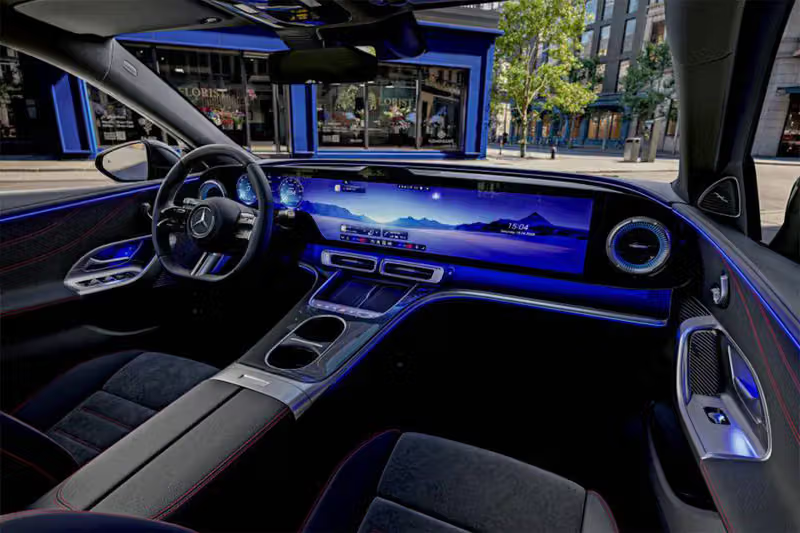
Swapping out the steering wheel's rollers and toggle switches for a single sheet of glass looks futuristic on paper, but using it day-to-day is a whole different story. In an interview with Autocar, Mercedes-Benz CEO Ola Källenius openly admitted the company had misjudged the balance in recent years, prioritizing technology over customer convenience — and future models will see physical buttons make a comeback.

Källenius put it plainly: the entire auto industry has hit rock bottom on the "fewer buttons is better" trend, and now it's time to find the right balance between digital displays and tactile feedback. He even joked that a car's cabin interface should be simple enough for either a five-year-old or a board member to operate without thinking twice. It's less a design philosophy statement and more of a self-deprecating jab at how fast the industry rushed toward all-touch controls.

Worth noting: Mercedes-Benz isn't planning to shrink its screens. Massive display setups like the 56-inch MBUX Hyperscreen will remain the visual centerpiece of the cabin in upcoming models like the 2027 Mercedes GLA. The return of physical buttons isn't a replacement — it's an addition. Big screens and traditional switches will coexist rather than force an either-or choice.

There's also a regulatory push behind this shift. Starting in 2026, new Euro NCAP rules will require physical switches for basic functions like turn signals, hazard lights, and wipers, with points docked for non-compliance — making the return of buttons not just a matter of user experience, but also regulatory compliance. A Swedish distraction study cited in the discussion found that vehicles with more physical buttons let drivers complete routine in-cabin tasks noticeably faster than those relying on touchscreen menus, echoing Källenius's stance. Mercedes-Benz has already restored physical controls on the steering wheel and plans to gradually roll this out across its full passenger vehicle lineup, though specific models and timelines have yet to be announced.
Mercedes-Benz Admits It: Touchscreens Had Their Moment, But Physical Buttons Are the Real Non-Negotiable

Related

New Anthropic Policy Bars "Prolonged, Gratuitous Abuse" of AI Models, With Election Rules Also Tightened
Living

New Anthropic Policy Bars "Prolonged, Gratuitous Abuse" of AI Models, With Election Rules Also Tightened

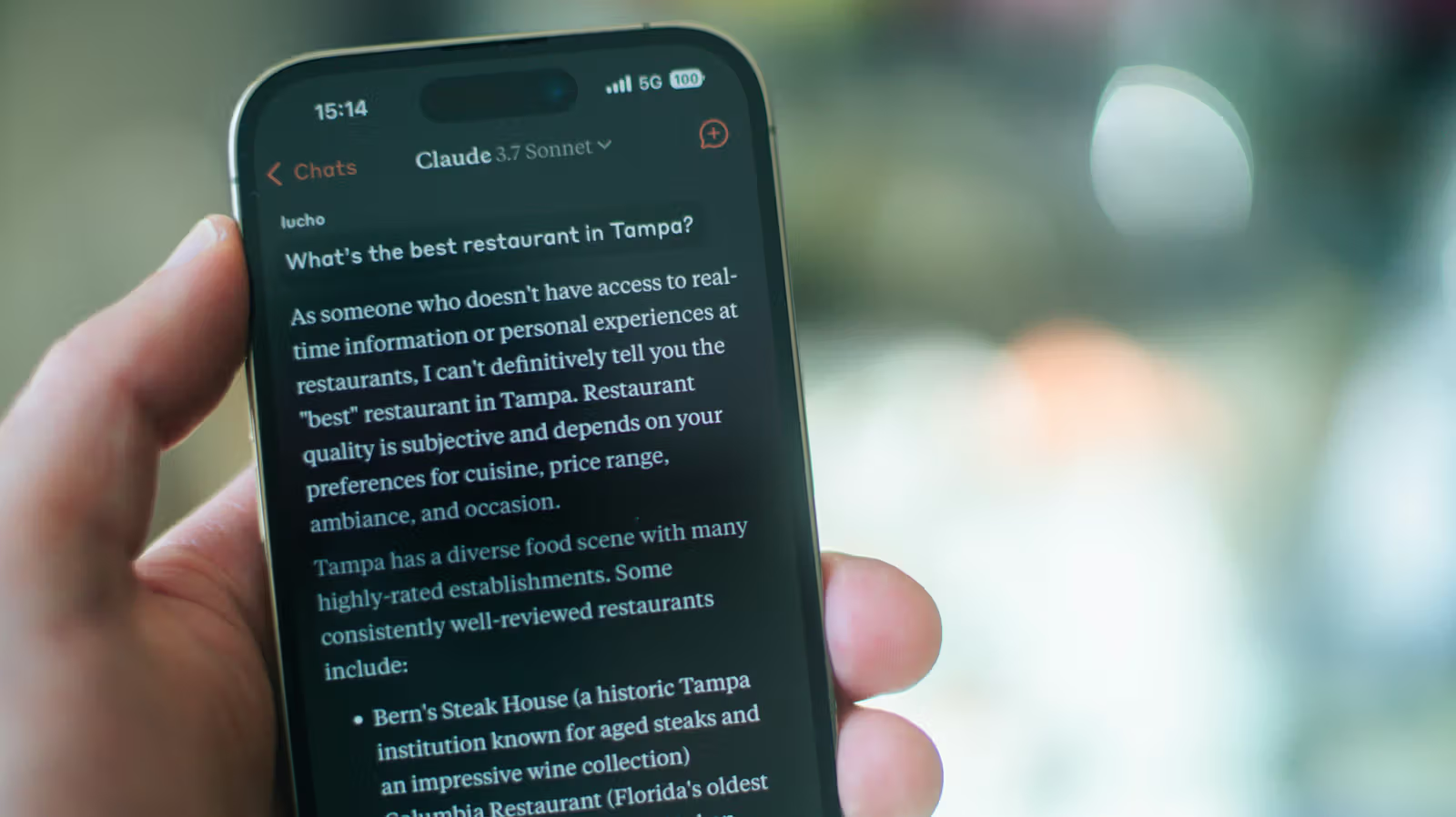
In its annual usage policy update, Anthropic introduced a clause prohibiting users from inflicting "prolonged and gratuitous" abuse on Claude and other models, while election-related rules were also tightened—sparking renewed debate over whether AI should be regarded as a sentient subject.

A "Paper-Like" Screen Built with Corning Etching Tech Debuts on Amazon's 12-Inch Alexa+ Pro Tablet
Living

A "Paper-Like" Screen Built with Corning Etching Tech Debuts on Amazon's 12-Inch Alexa+ Pro Tablet

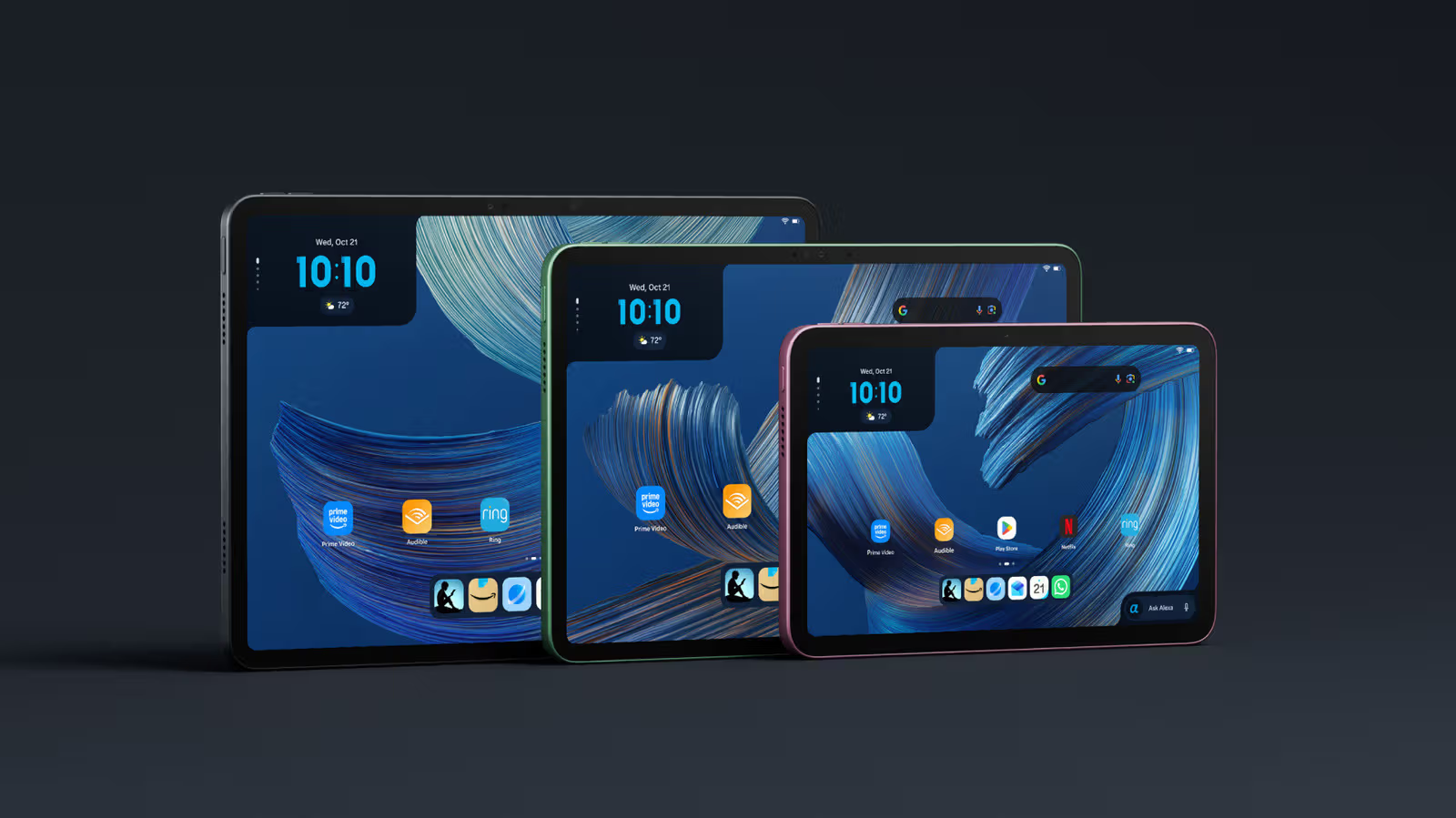
The flagship 12 Pro showcases a Nanomatte etched display co-developed with Corning, as Amazon rolls out three new Alexa+ tablets—12-inch, 11-inch, and 8-inch models. Pricing starts at $230, with availability in the US, Canada, and Mexico beginning October 14.

Microsoft Puts Agentic AI at the Heart of Windows Search as Jensen Huang Looks On and Davuluri Takes the Stage
Living

Microsoft Puts Agentic AI at the Heart of Windows Search as Jensen Huang Looks On and Davuluri Takes the Stage

At a San Francisco event on October 7, Satya Nadella and Pavan Davuluri unveiled Microsoft's Windows and Surface plans while Jensen Huang watched from the audience. The centerpiece is a deeper integration of Copilot into the search bar and local files, set to arrive this fall.

Ring's Fix for Smart Lock Skeptics: A Manual Crank When Power Runs Out
Living

Ring's Fix for Smart Lock Skeptics: A Manual Crank When Power Runs Out

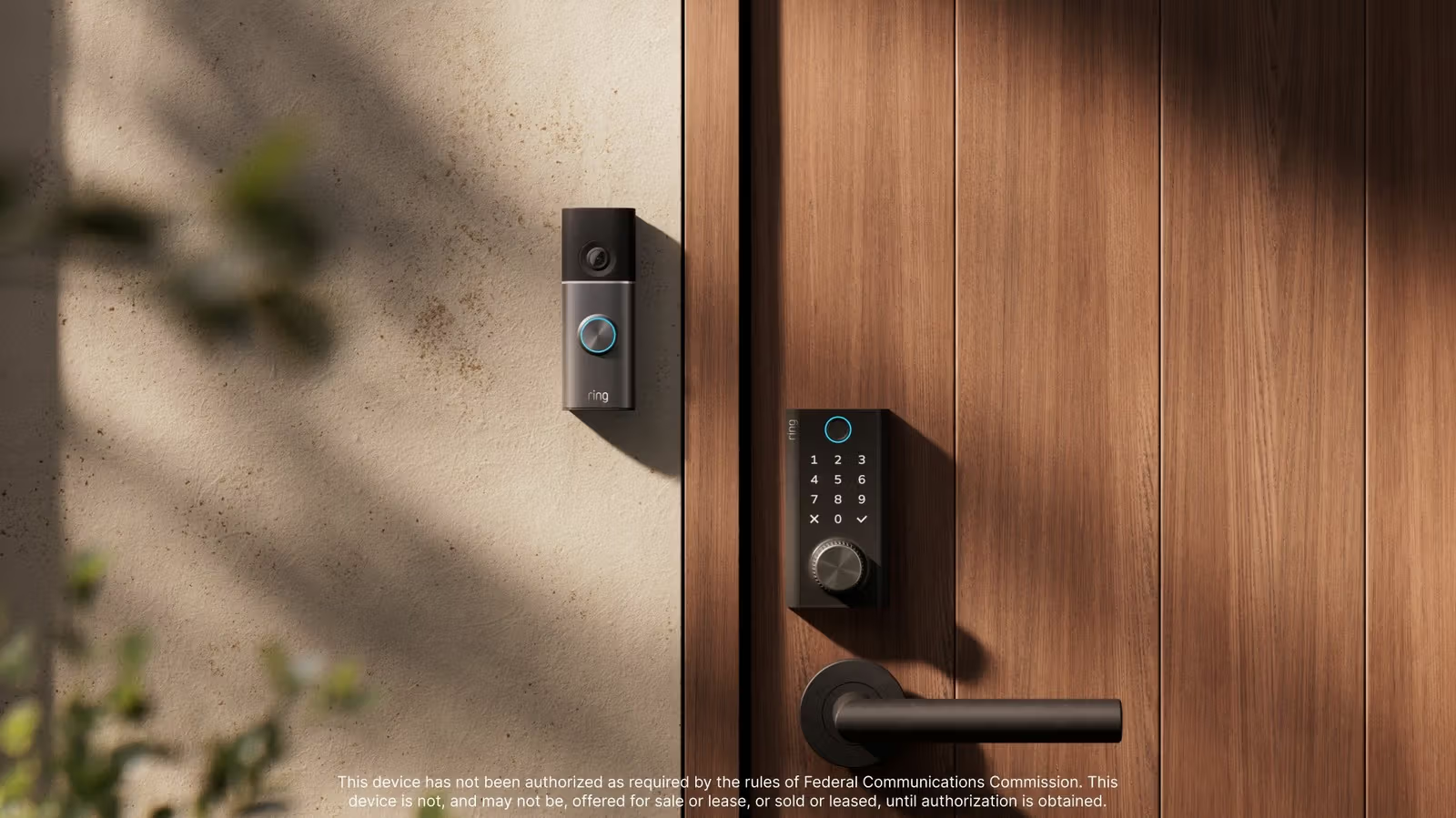
According to Ring founder Jamie Siminoff, fear of dead batteries has long held smart locks back. The company's answer is a hand-crank generator built into its upcoming Smart Lock, letting users turn a handle for emergency entry. Launch is set for early 2027 at $249.

OpenAI's 722 Math Papers: Single-Prompt Breakthroughs or Unverifiable Claims?
Living

OpenAI's 722 Math Papers: Single-Prompt Breakthroughs or Unverifiable Claims?

OpenAI published 722 manuscripts on GitHub citing progress on 372 difficult math problems, most generated by feeding one prompt to one AI agent. The underlying model remains undisclosed, and neither the prompts nor computation times were shared, raising doubts about verification.

Your Google One Tier Now Decides Access: Google Launches Experimental Game-Building Platform Playground, Just Type to Create
Living

Your Google One Tier Now Decides Access: Google Launches Experimental Game-Building Platform Playground, Just Type to Create

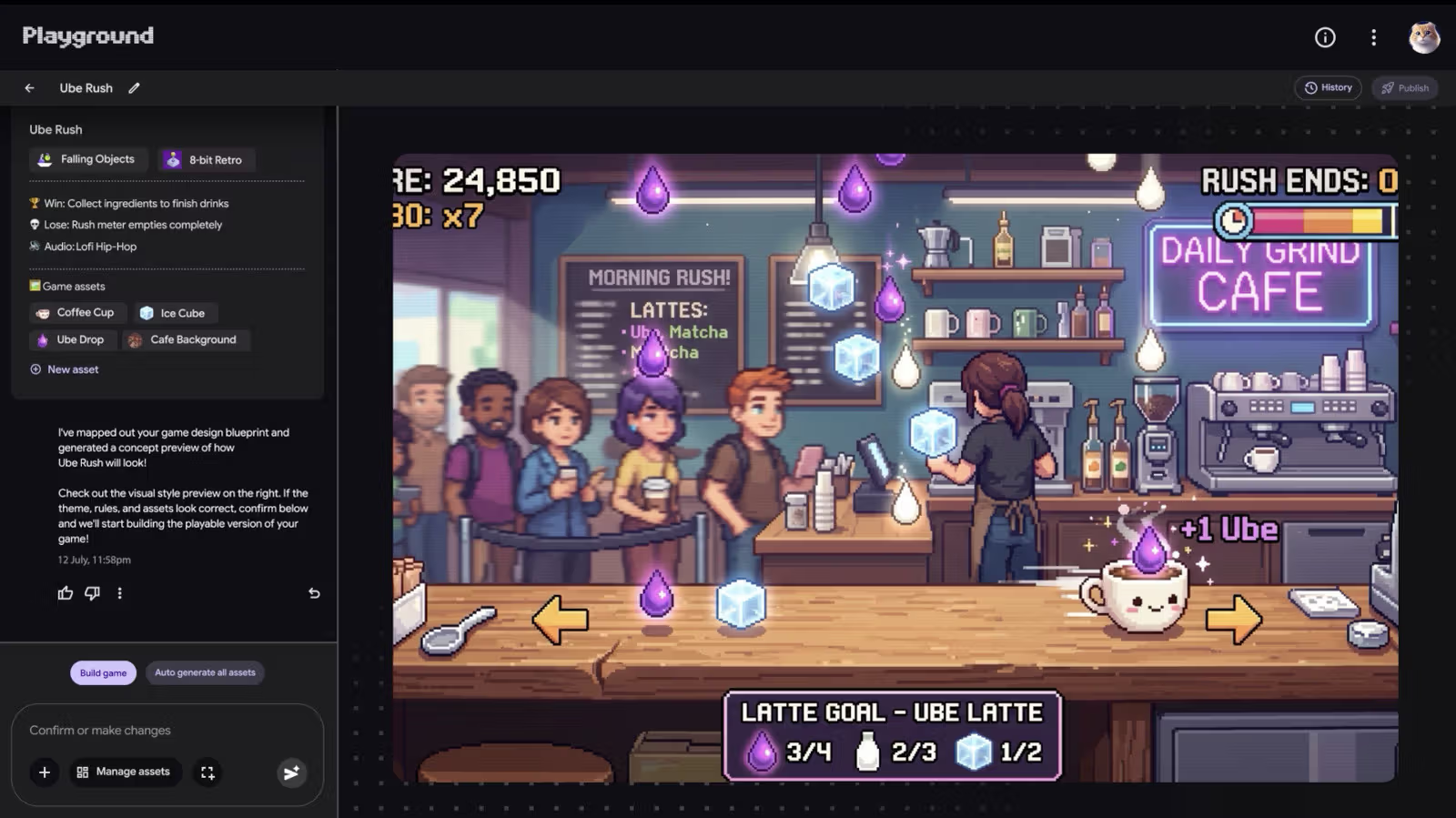
Access to Google's new AI game creation tool, Playground, is tiered according to your Google One membership level, and for now limited to US users aged 18 and older. The platform lets anyone generate 2D or 3D games from a few text prompts alone, without coding or drawing skills.