The preppy bob for autumn: shape, styling time and the neckline conversation
The preppy bob brings a soft, tidy outline to short hair. Think through length, natural movement, collars and daily styling before taking the trend to your hairdresser.
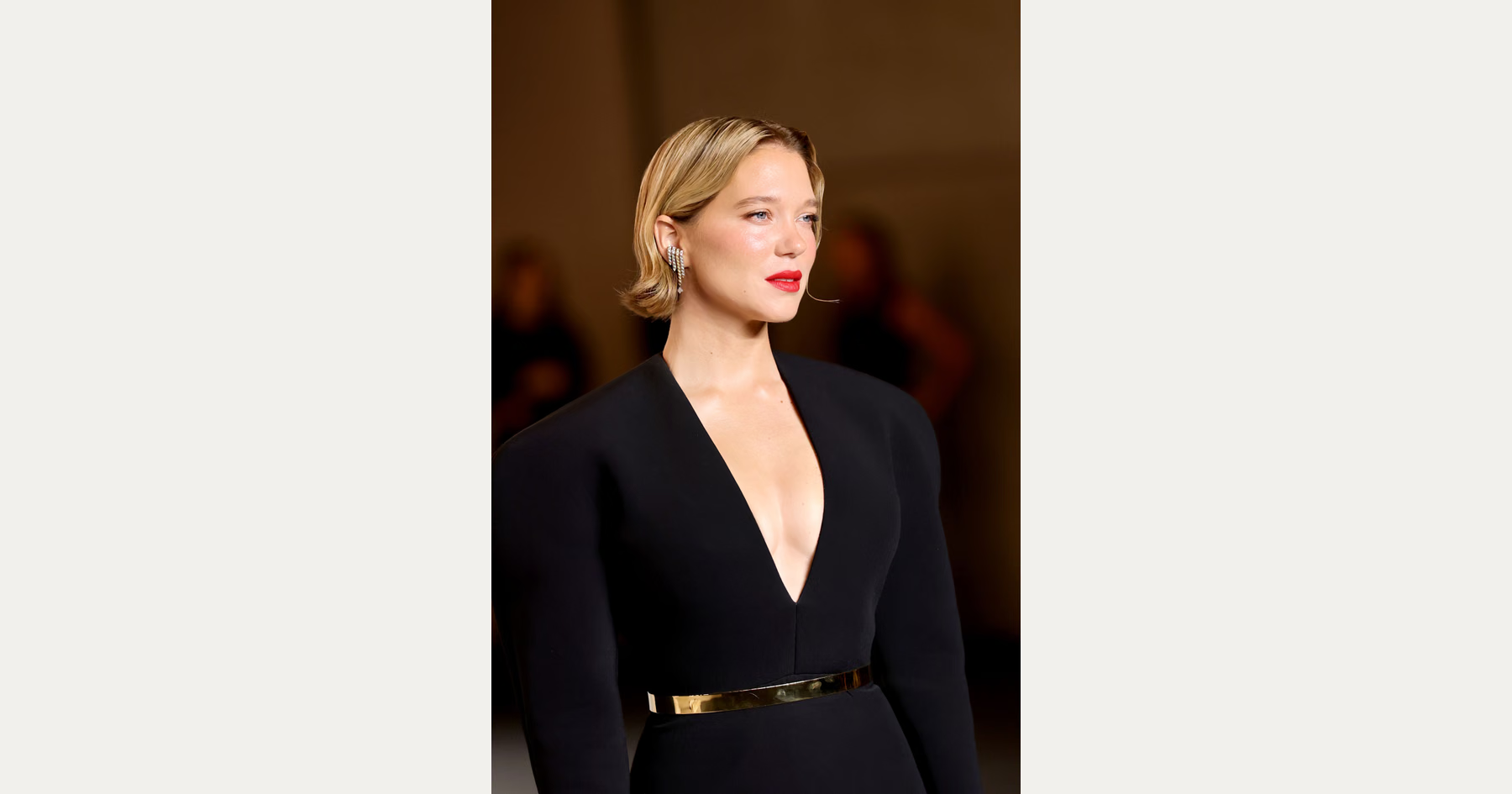
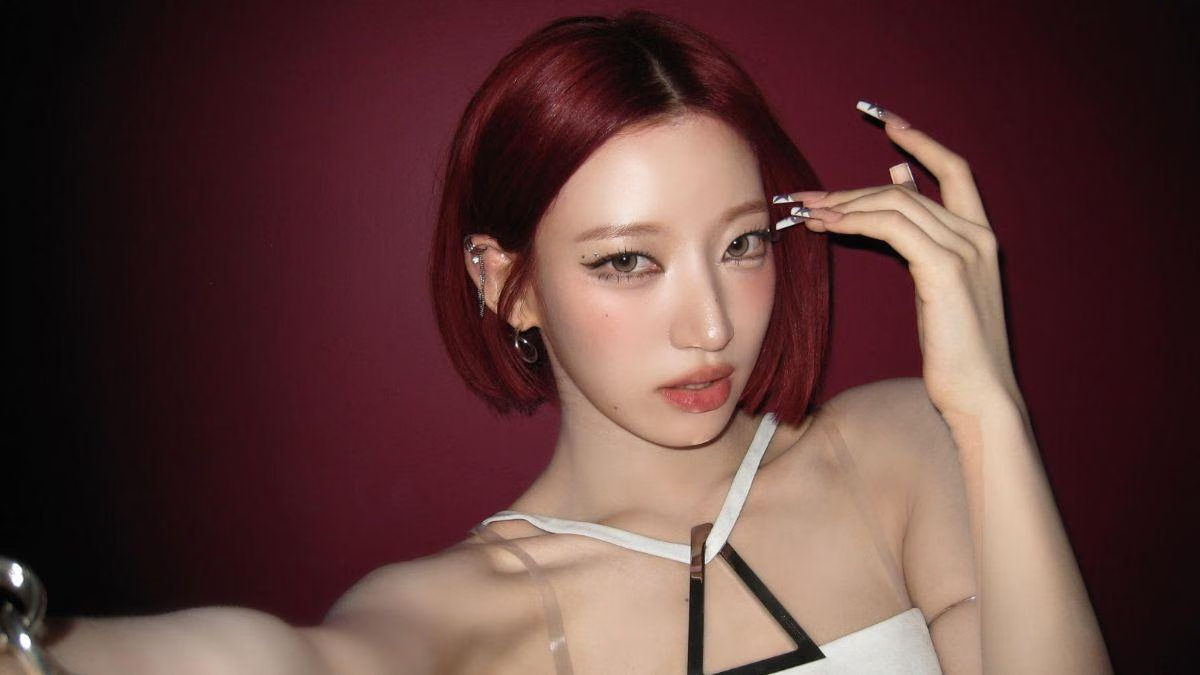
The preppy bob brings collegiate neatness to short hair: a clear yet soft shape around the chin and nape, without needing to look rigid. Recent Western hair discussions have put a name to it; the more useful salon question is how much length and movement you personally want.
An autumn haircut also changes the relationship with coat collars, scarves, earrings and your usual parting. Rather than copying one celebrity picture, treat the consultation as a chance to connect the cut with a version of your morning routine you can comfortably maintain.
Key details
The core is a tidy, softly shaped bob; the precise length depends on individual hair growth and head shape.
Bring front, side and back references, plus examples of your natural parting and unstyled hair.
Explain how much time you spend styling and whether you need to pin hair back or tuck it behind your ears.
Decide where the line meets your jaw and neck
Bobs differ in their front length, nape and weight around the ears. Think about the high necks, shirts or crewnecks you wear most: should the hair stop above a collar or keep a longer connection? Pictures help turn an abstract request for neatness into a length discussion.
Do not rely only on a front-facing selfie. Side and rear views show the outline, while cowlicks and natural parting affect how hair settles. Showing your normal unstyled state is often more useful than describing the face shape of a particular actor.
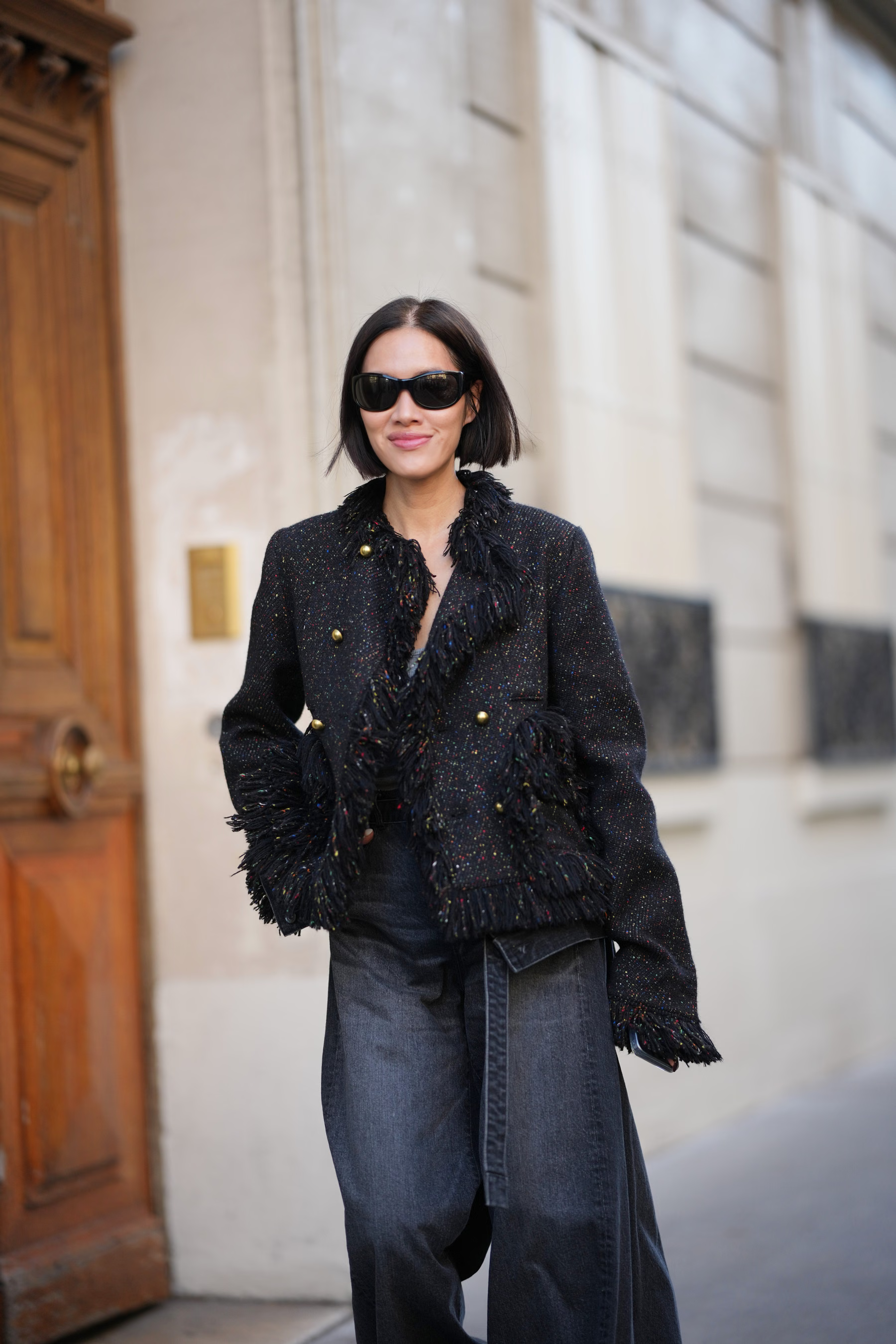
Brown coat and softly shaped bob, a street-style reference
Separate the cut in a reference from the styling
A photograph’s tidy ends may reflect cutting, blow-drying and products together. Ask what the shape will look like if you only dry it in the morning, and which extra steps would recreate the reference. Clear instructions make it easier to judge whether you want that daily commitment.
Imagine workdays, post-exercise hair and travel. If you tie everything back or tuck it behind your ears, discuss the necessary length and fastening options beforehand. Tools, product use and trimming schedules should follow your hair and the intended result rather than someone else’s fixed routine.
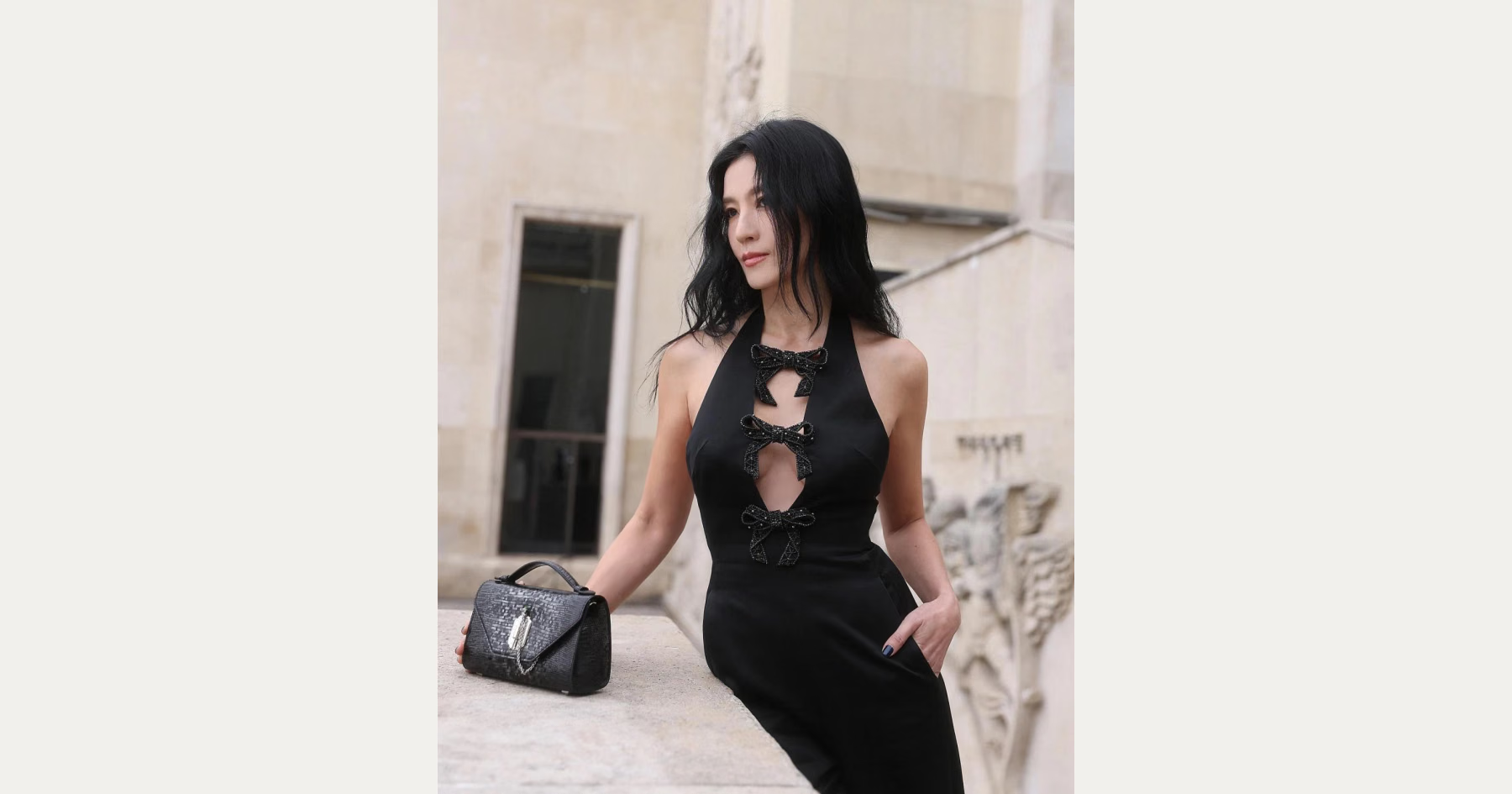
Black jacket and jaw-length bob, a styling reference
Use collars and earrings to extend the look
Shorter hair can draw attention to the neck and ears. Start with shirts, knitwear and coats you already own. A relaxed result does not require every detail to be symmetrical or set in place; consider whether the space between hair and clothes feels comfortable.
If this is your first shorter cut, ask about making the change in stages and request a demonstration you can repeat yourself. Details such as how much ear to show or whether the ends should sit close to the nape communicate more than asking for the latest fashionable haircut.
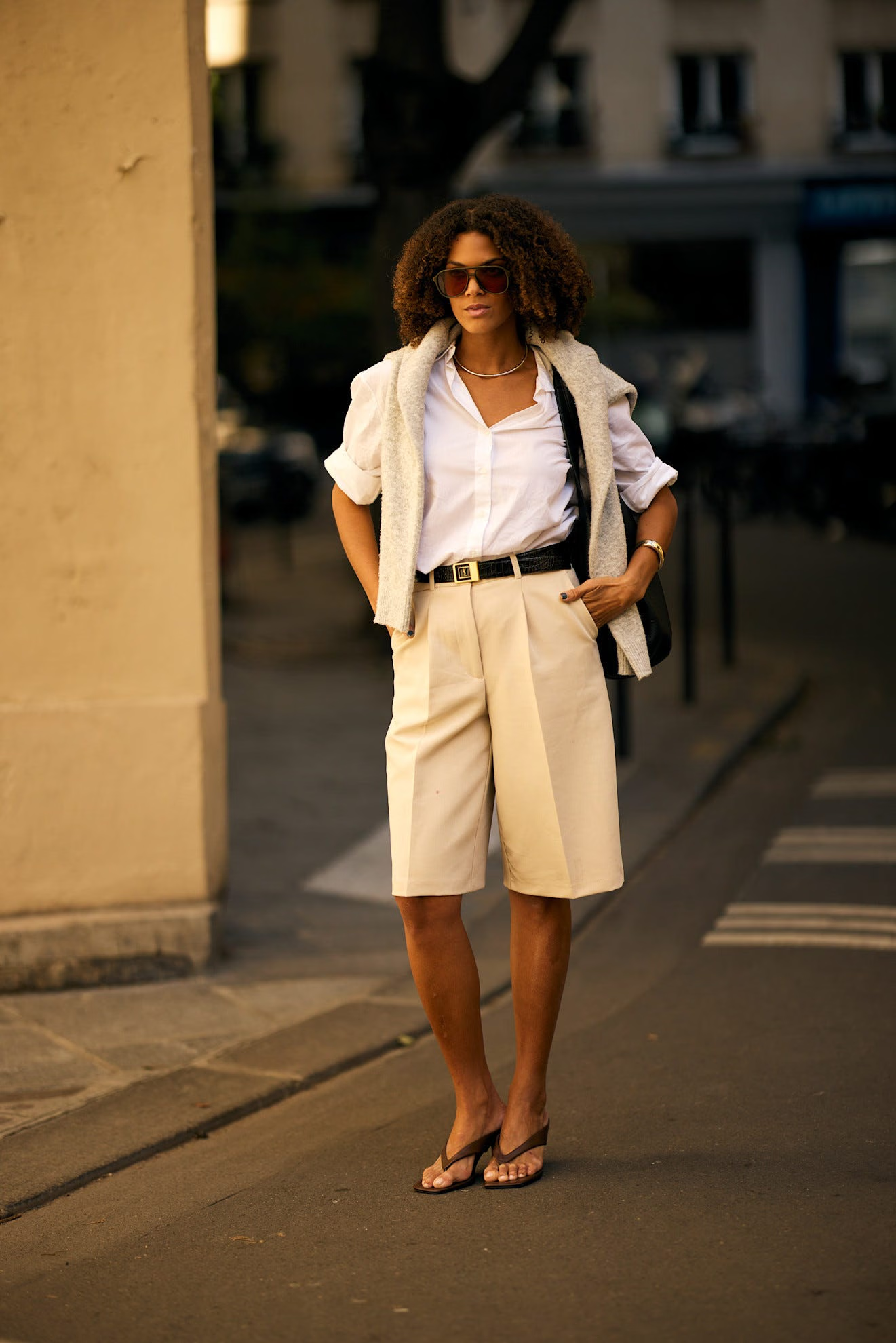
White shirt, light trousers and short hair, a street-style reference
Questions answered
Must a preppy bob stop at the chin?
No single height is compulsory. The tidy, soft outline should be discussed alongside hair growth, head shape and personal habits.
Will it look like the picture without styling?
Not necessarily. A reference may be styled; ask what natural drying produces and which steps are needed to recreate it.
What should I bring to the appointment?
References from several angles, pictures of your natural hair and an honest styling-time budget help connect the shape with everyday needs.