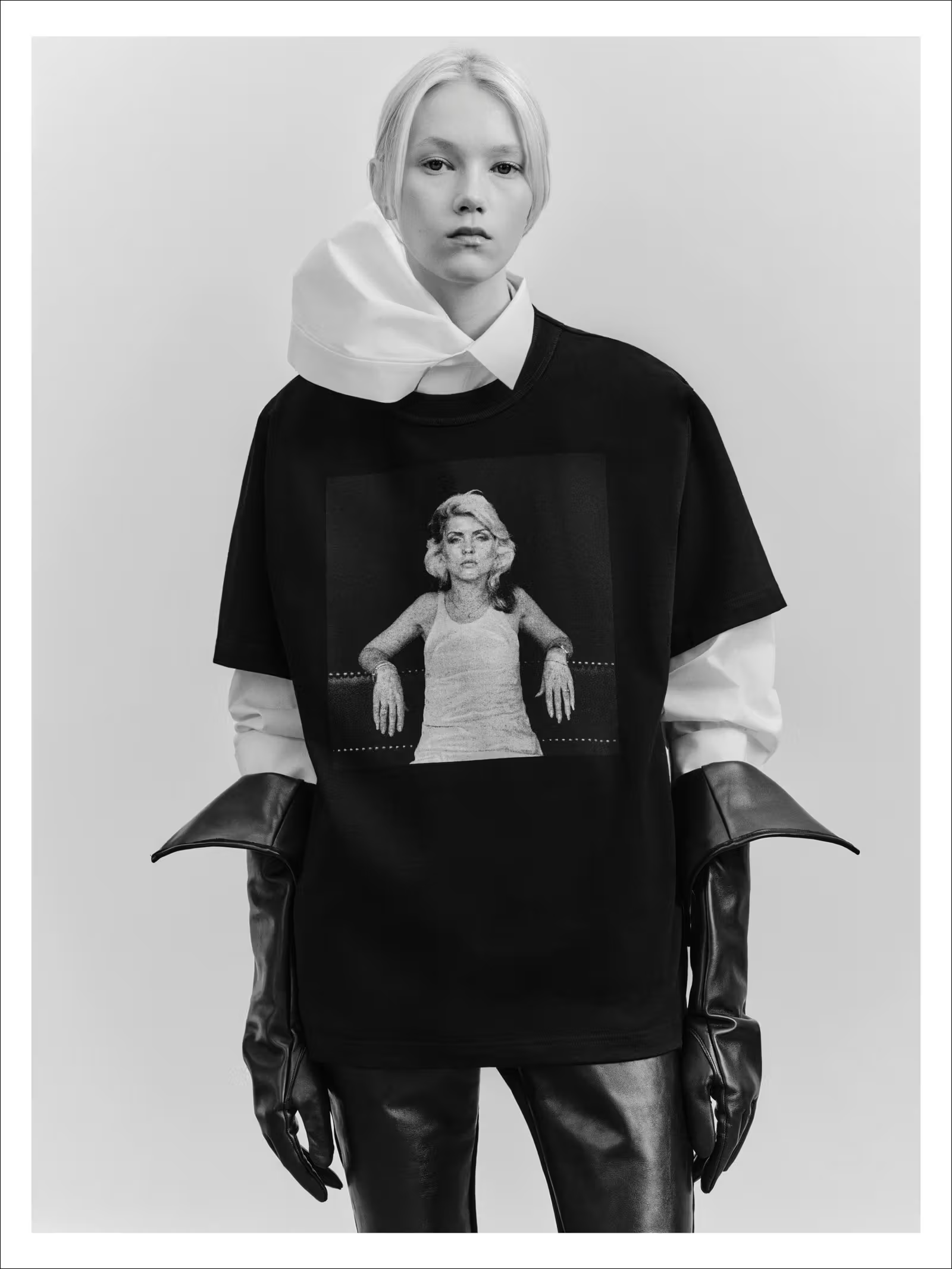
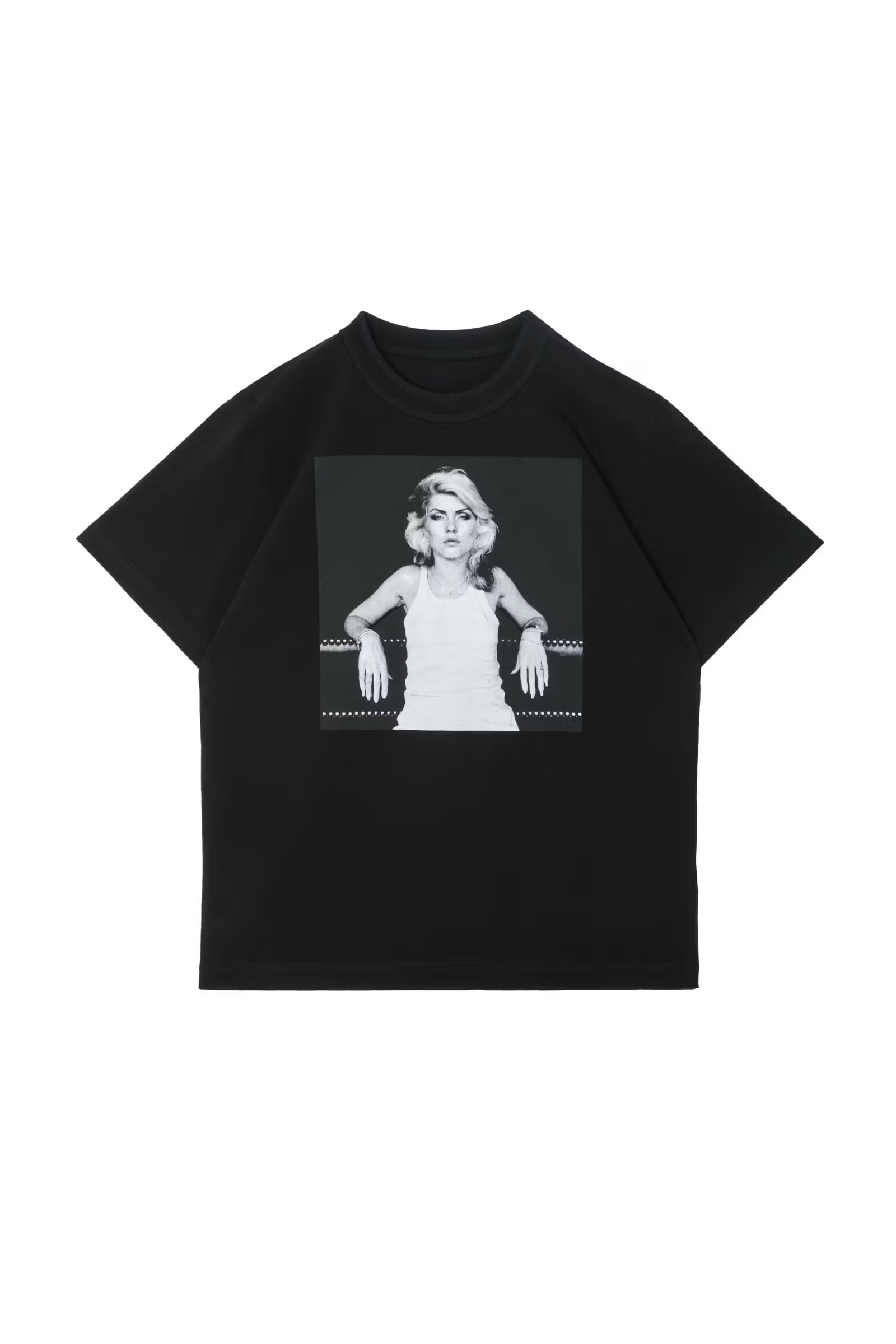
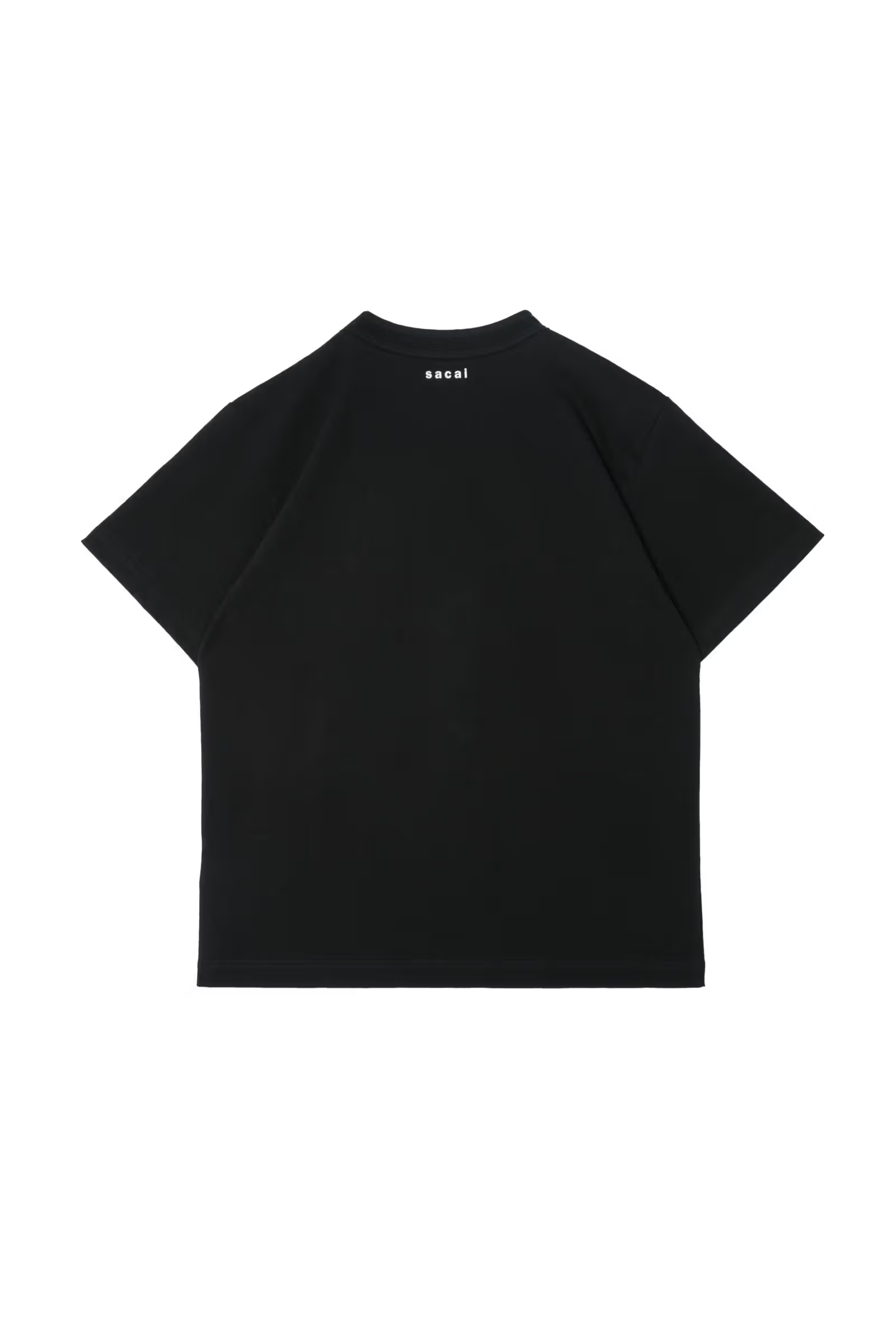
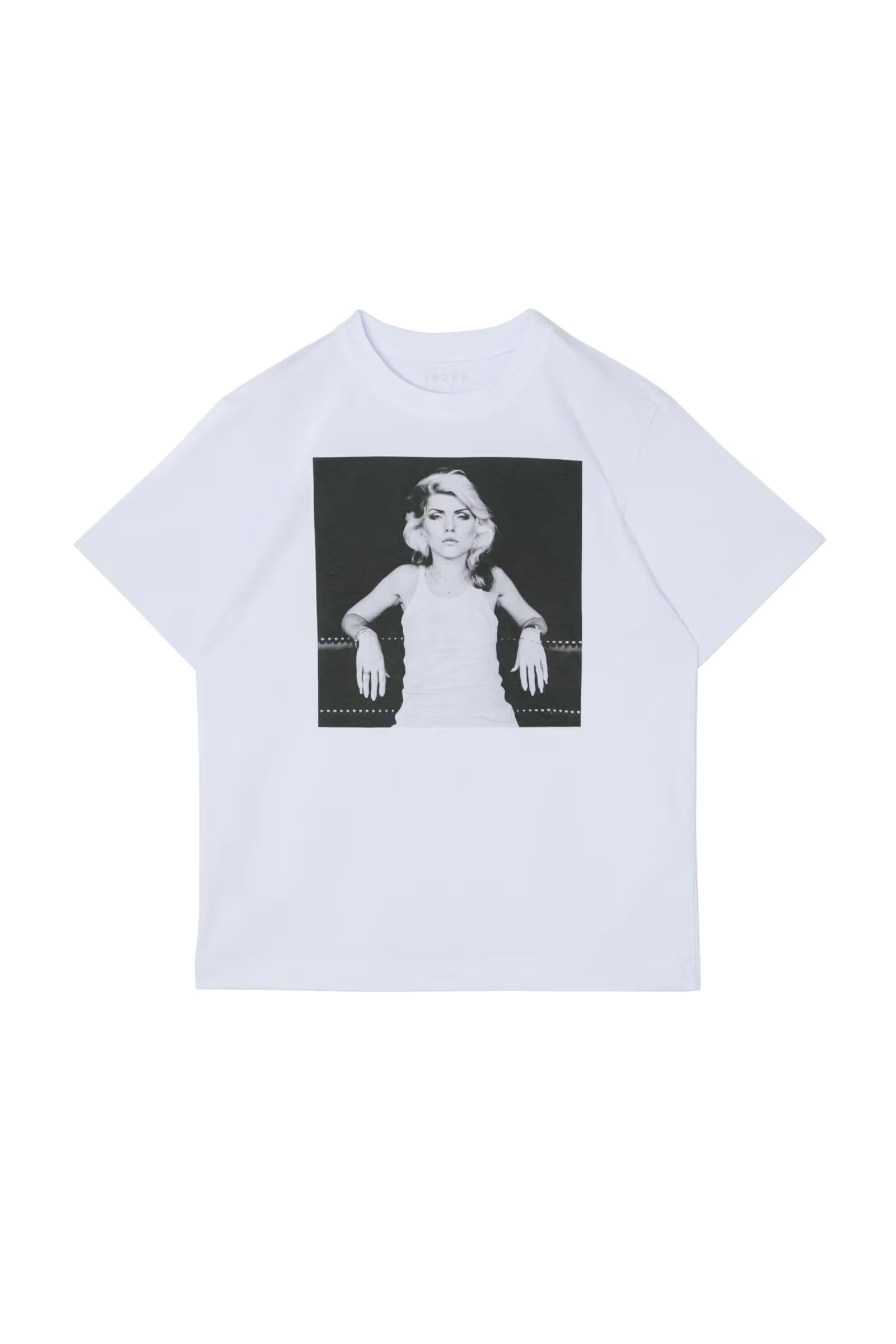
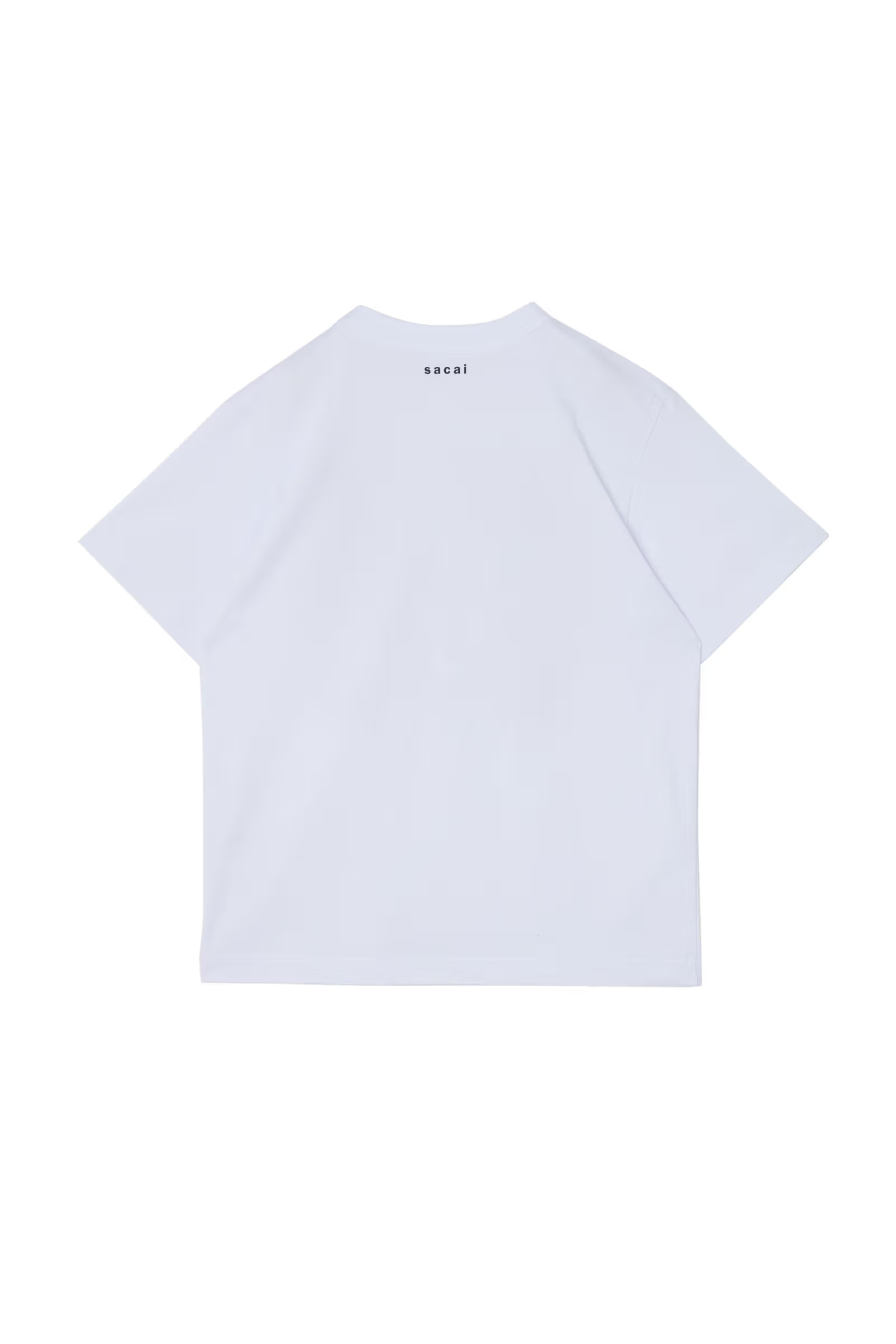
sacai is scheduled to launch the Deborah Harry portrait T-shirt on October 23, 2026. It uses a black and white photo taken by photographer Robert Mapplethorpe in 1978. It is available in black and white. The Japanese price is 25,300 yen each. The sales channels are Dover Street Market Ginza and sacai official online stores, allowing a historical image to enter the present in the form of clothing.
Let’s make it clear first: 1978 is the year of the photo, not the year of the new product
This new product will be released in 2026, and the photo is from 1978. The two points in time together form the background of the product, but the T-shirt cannot be regarded as a vintage product made in that year, nor should it be inferred that just because the photo is old, it can be copied and used at will; the age of the image and the right to use it are different issues.
Deborah Harry is the person in the photo and Robert Mapplethorpe is the photographer. When introducing this product, you need to identify the person and the photographer at the same time, so that you can see that it is not only printed with a celebrity's pattern, but also carries the perspective of a specific photographic work.
What is the difference between black and white photos on black background and white background?
Two bodice base colors provide different viewing boundaries. Black may make the dark parts of the photo closer to the surrounding clothing, while white will make it easier for the image area to contrast with the clothing body. The actual effect still depends on the printing position, photo cropping and the lighting of the clothing itself. It is not advisable to judge based on the color name alone.
When comparing, you can first place the two models on the same background, observe the face, hair and edges of the photo, and then look at the height of the print on the chest. Although there are only two background colors, when used together with the jacket collar, opening and closing, and shoulder straps, the exposed part of the photo will still be different.
When photos become clothes, the body also changes the way it is viewed
The image on photo paper or screen usually remains flat, while T-shirts will crease with standing, sitting and arm movements. After the photo is placed on the canvas, the viewing distance and the proportions of the characters will also change. The originally static portrait will appear together with the wearer's movements.
This need not be interpreted to mean that the photo itself changes the content, but rather that the carrier provides different conditions. For readers who like both photography and clothing, you can compare how the image is cropped, how much white space is left on the body, and what details can still be discerned after matching the jacket, so that the focus of the collection is not just the full frontal image.
On sale on October 23, please check the size and version separately
The two announced prices in Japan are the same. The actual size, inventory and shipping conditions should be confirmed on the sales page. The availability of goods in Japanese online stores does not mean that they can be shipped directly to Taiwan, nor can you assume that other sacai stores will sell them simultaneously.
This new product provides a portal to review images from clothing. You can first understand the creator, person and year of the photo, and then decide whether you want to collect the print, the outline of the clothes, or the way of viewing the two together; when the background information is clear, the black and white T-shirt will not only have an easily identifiable celebrity logo.