From Disco Manager to Dai Pai Dong Boss: How Robby Cheung Built Tung Po Kitchen on Speakers
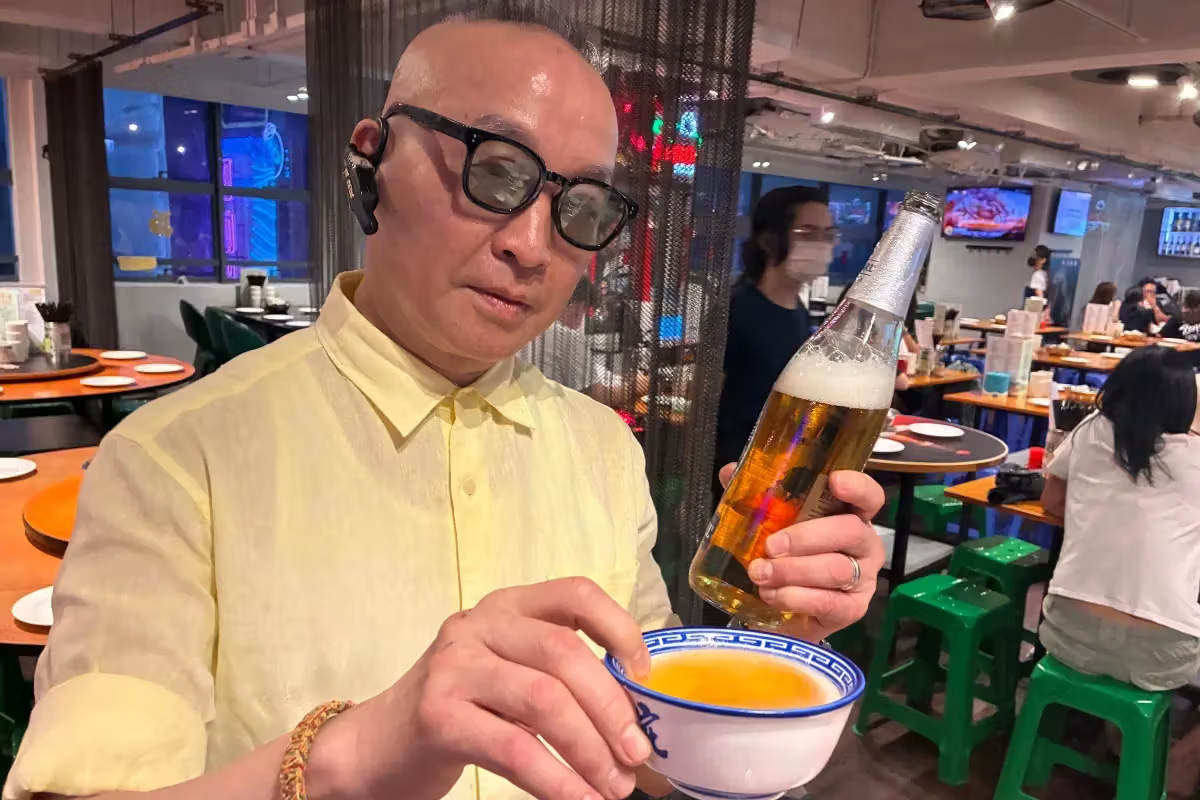
Why is the beer served in bowls, and why does the music matter more than the food? The answer, according to Tung Po Kitchen owner Robby Cheung, lies in his decade-plus stint as a disco manager and Western restaurant waiter.
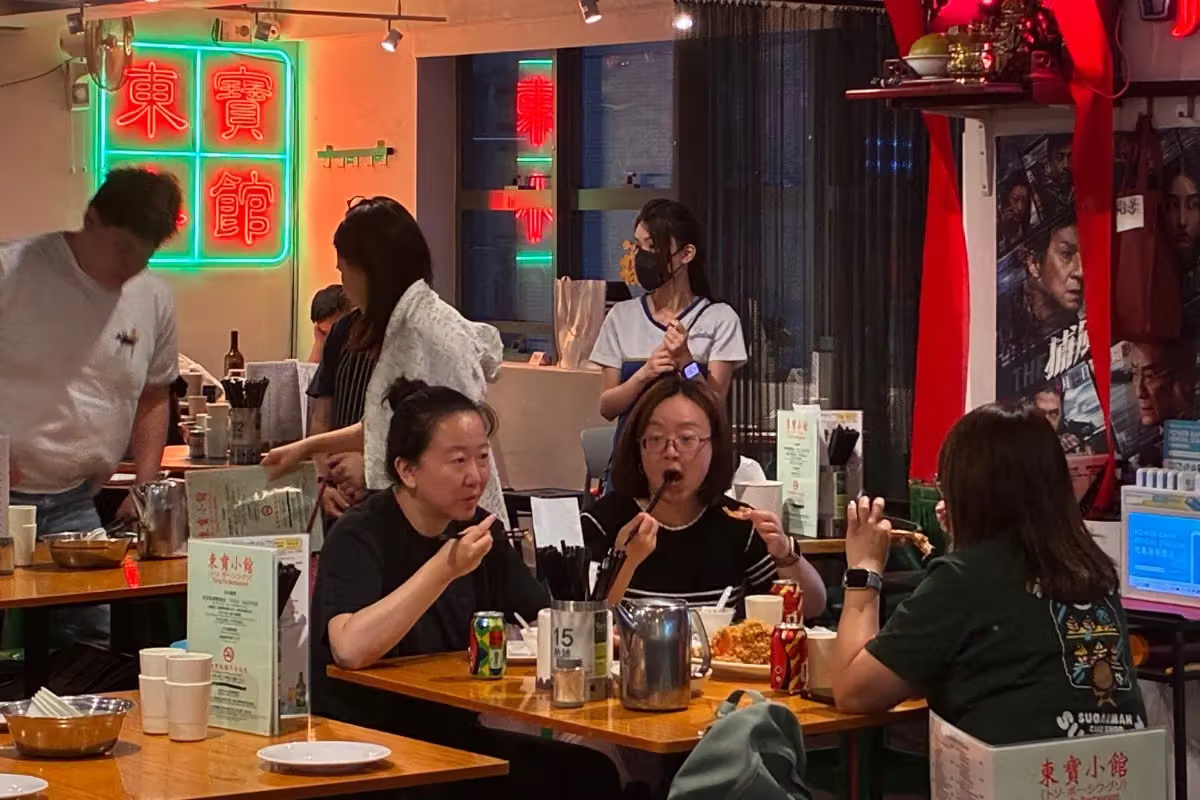
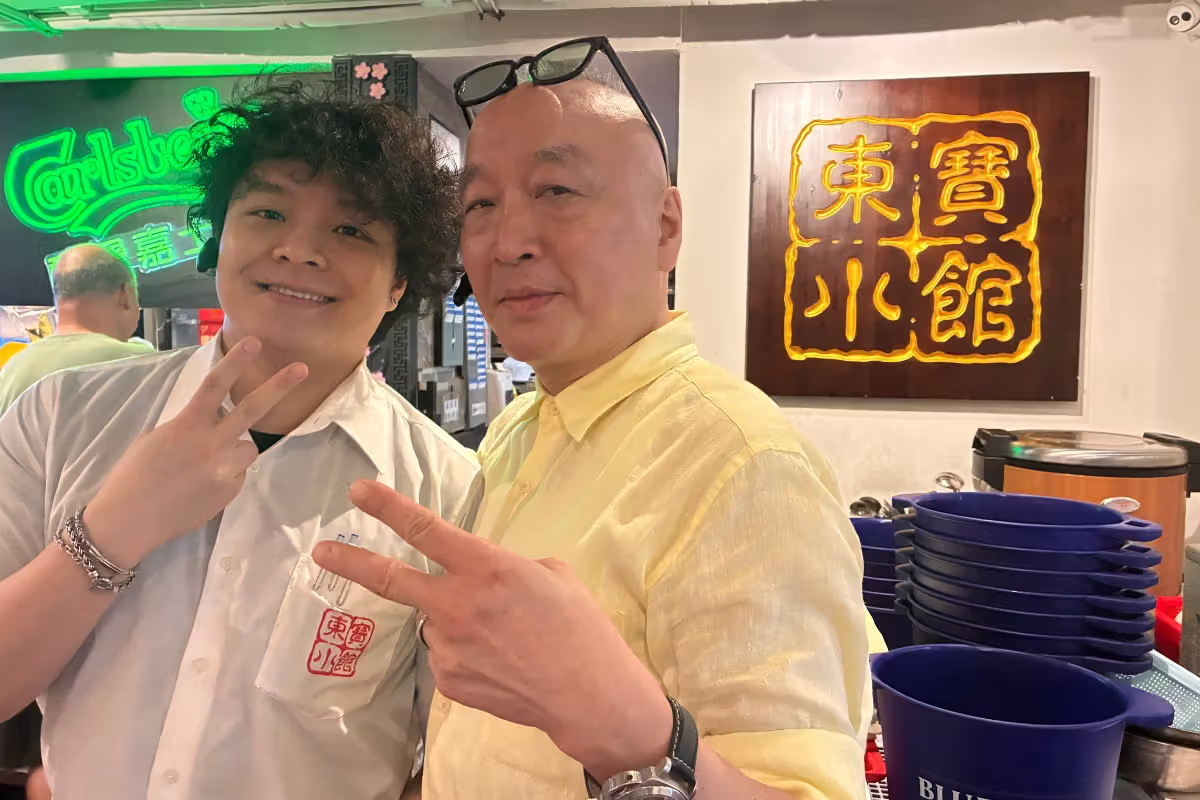
It's 5:30pm on a Wednesday, and Tung Po Kitchen in Wan Chai is already packed with a line of people clutching reservation slips. The moment it hits six, Ibiza-style house music kicks in right on cue, and beer bottle caps start popping off one after another. Owner Robby Cheung weaves through the dining floor, greeting customers and directing staff in the same breath, moving with the practiced ease of a conductor leading an orchestra — many of these staff have been with him since opening day.
This dai pai dong, now in its 34th year, looks less and less like a dai pai dong and more like half a nightclub. That's no accident. Robby entered the trade at 18, first working as a busboy at the Royal Garden Hotel to learn the ropes behind the bar, then moving to the French restaurant at the neighboring Sheraton Hotel to learn proper Western-style service — "If you didn't bow at 45 degrees to speak to a customer, you'd get fired." Unable to stomach that level of formality, he moved on to run a bar in Tsim Sha Tsui, then joined Hot Gossip at Ocean Terminal, one of the birthplaces of Hong Kong's disco culture, where he stayed for seven years. "The UK head office wanted a new manager, but they wouldn't hire a Chinese person, so I quit." After leaving, he and his wife took a three-month trip through Europe, then came back to open an Italian restaurant — which didn't hold his interest either.
The real turning point came when his father-in-law asked him to take over Tung Po, the family's congee stall in the Java Road Cooked Food Centre. "When I took over in 1992, we lost a lot of money in the first year." Robby, as the "chef," clashed with the kitchen staff — whom he describes as "uneducated, uncultured, always cursing, and lazy." Nine months in, he was ready to give up, but his wife talked him into staying and bringing his Western dining experience into the family business.
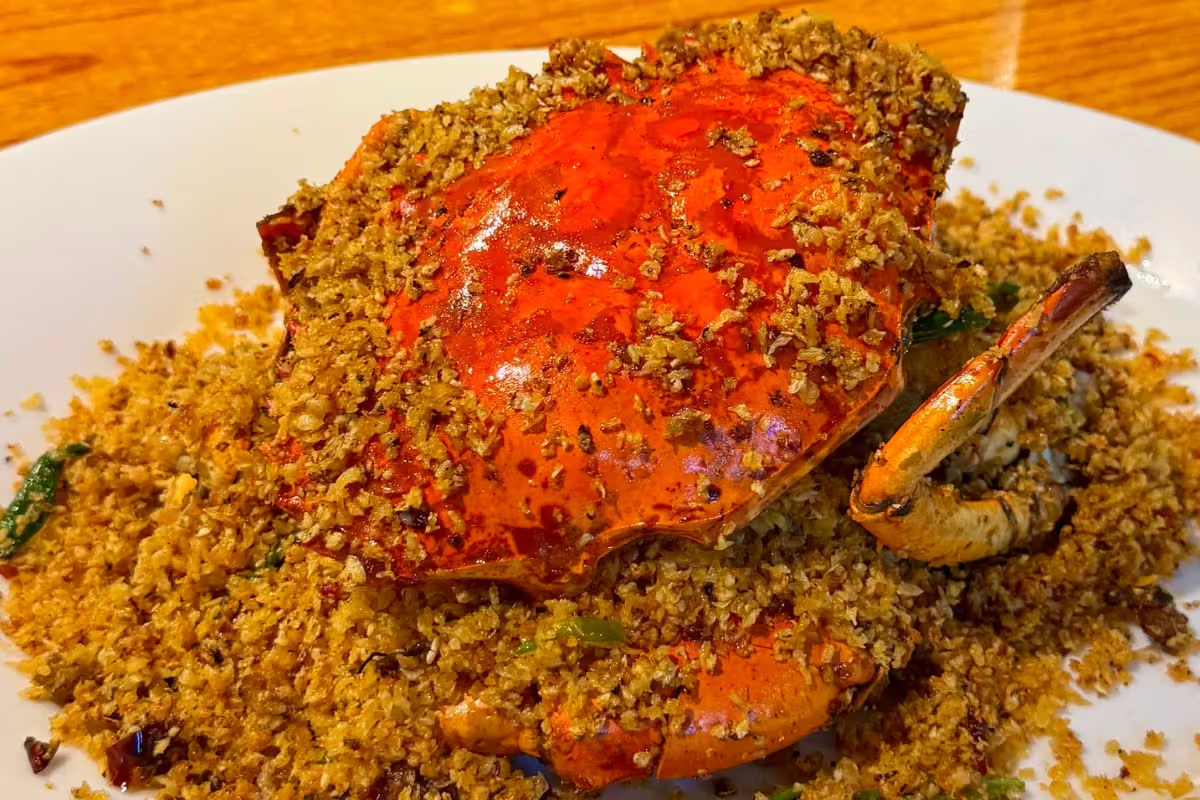
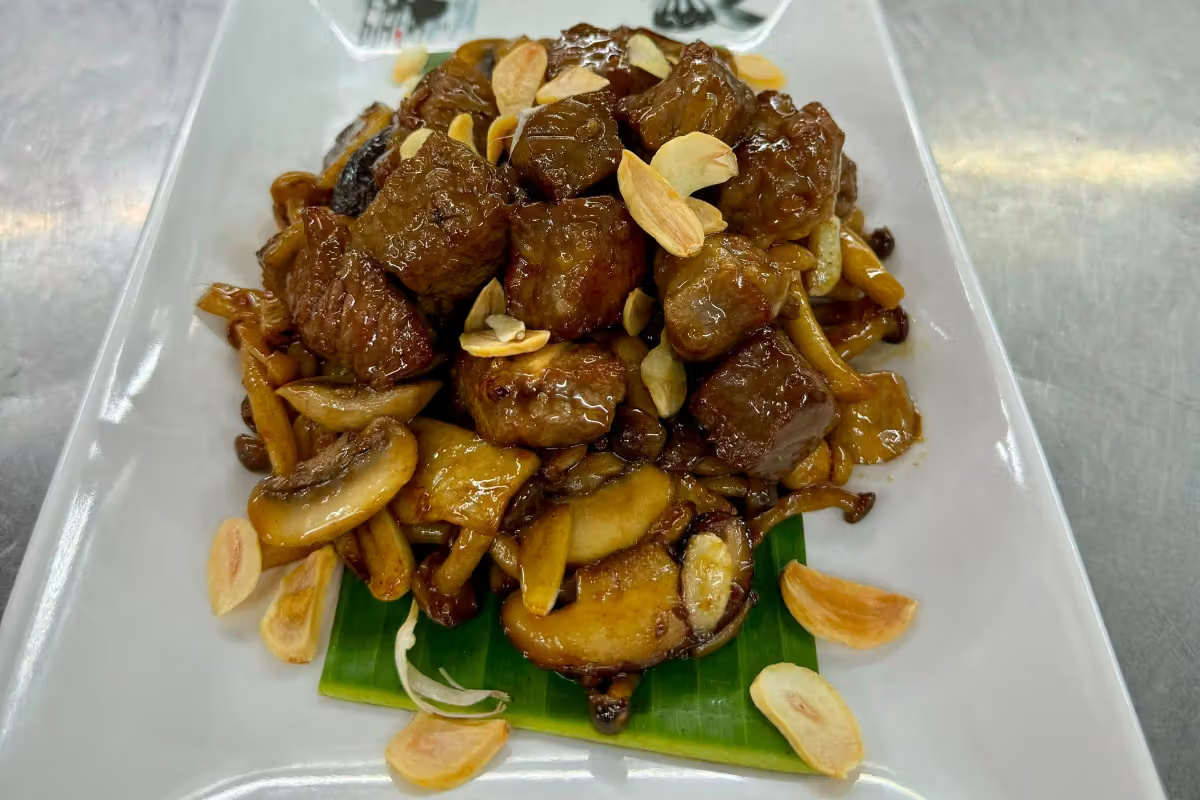
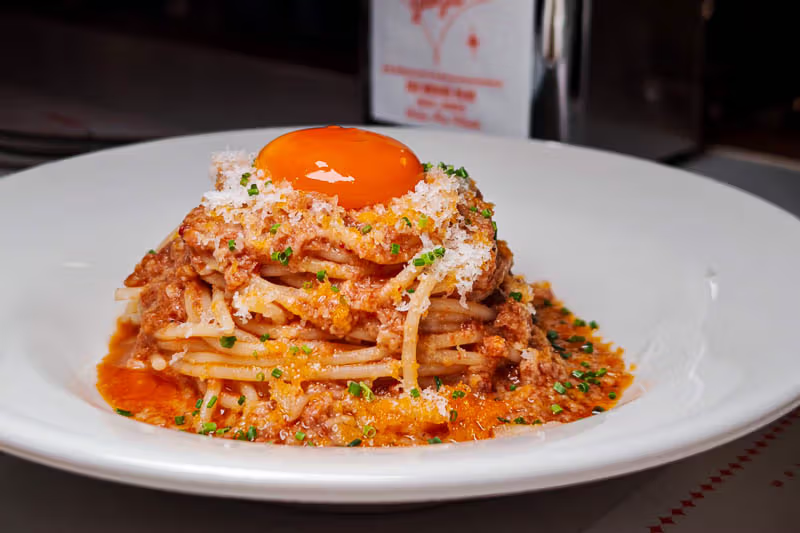
In the end, congee wasn't the star of the show. Tung Po Kitchen developed a fusion menu: squid ink spaghetti, minced pork with broccoli and cheese, tom yum chicken intestines, salt and pepper fried frog legs — dishes launched in the '90s that remain must-orders for regulars to this day. The menu has since grown to over 130 dishes, labeled in English, Chinese, Japanese, Korean, and Thai. Signature dishes have rotated through the years — crispy sand ginger chicken, deep-fried pork chop with egg yolk sauce, garlic beef cubes, golden shrimp — while the deep-fried king prawns remain an old favorite, once popular with Japanese tourists for being cheaper than at other Chinese restaurants.
Serving beer in bowls sounds like a gimmick, but it's actually a solution Robby picked up back in his bar days: "You'd have to take glasses out of the fridge one by one to pour drinks — pour a few hundred glasses a night, and if you drop one, it shatters. Using bowls for beer makes storage and handling so much easier." Dai pai dongs were moved off the streets and into cooked food centres by the former Urban Council in the 1970s, with no air conditioning. Robby says Tung Po Kitchen was the first stall in the centre to play music every day. In the late '90s, he installed big speakers on either side of the stall, starting the music at 8pm — Teresa Teng at first, but when that didn't feel energetic enough, he split the space into a "quiet zone" and a "music zone." That's the layout that's stuck ever since.
In 2007, the late host Anthony Bourdain filmed Tung Po Kitchen for the Hong Kong episode of No Reservations, capturing him digging into a plate of squid ink spaghetti. "They didn't tell me who I was filming with — just said there'd be an interview at six on Sunday, and asked me to introduce some dishes. My English was terrible back then, but I showed him how I made the chicken and the king prawns. After the episode aired, we blew up overnight." Nine years later, Benedict Cumberbatch stopped by while filming Doctor Strange, and Tilda Swinton dined there a few months after that.
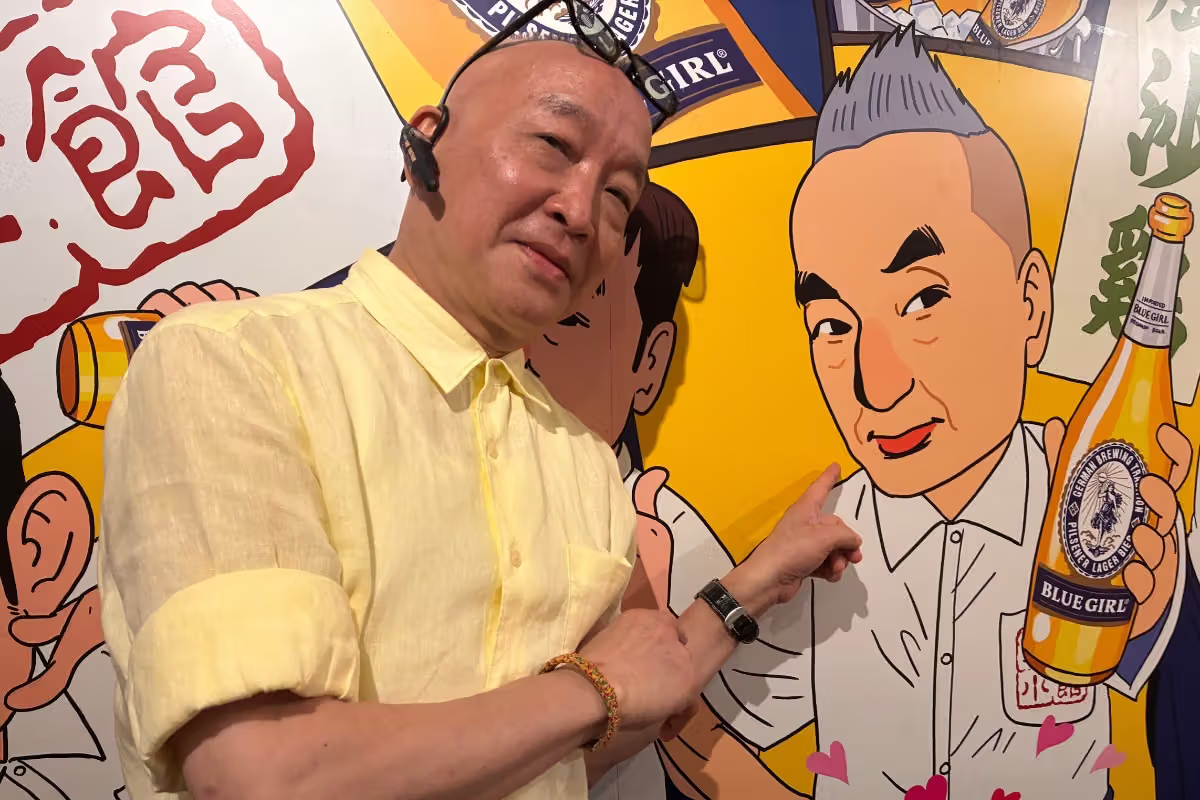
In September 2022, after nearly 30 years at its original Java Road location, Tung Po Kitchen had its lease terminated by the Food and Environmental Hygiene Department over alleged unauthorized subletting, sparking rumors it would shut down for good. Two months later, Robby found a new spot in a commercial building between Wan Chai and Causeway Bay — the kitchen equipment was already installed, so he didn't have to pay any key money, and signed the lease within a month. The restaurant reopened that November, marking Tung Po Kitchen's 31st year. The new space was gutted down to the terrazzo tiles, from the fluorescent lighting to the walls, which are now painted with murals of Robby and his staff. There are TVs playing music videos and neon signs with the Tung Po theme. "We don't have tablecloths," he says. "I think the food is good, the prices are good, but music should be the weapon that draws people in. Good vibe, clean space — just no tablecloths."
Asked how important Tung Po Kitchen is to Hong Kong's dining scene, Robby's answer is blunt: "I don't think I'm important." He's 63 now, 43 years into the trade, and his son has been helping out at the restaurant for the past two years. "I'll hand it over to him eventually," he says. "Some things, you can't keep doing until you die."