What to know | UNITED ARROWS Dresses Unitree G1: A Robot Suit Designed Around Joints and Heat
The key details: Developed with GMO AIR, the clothing is planned for preorder from November 20. The price is unannounced; familiar tailoring must accommodate a different body structure.
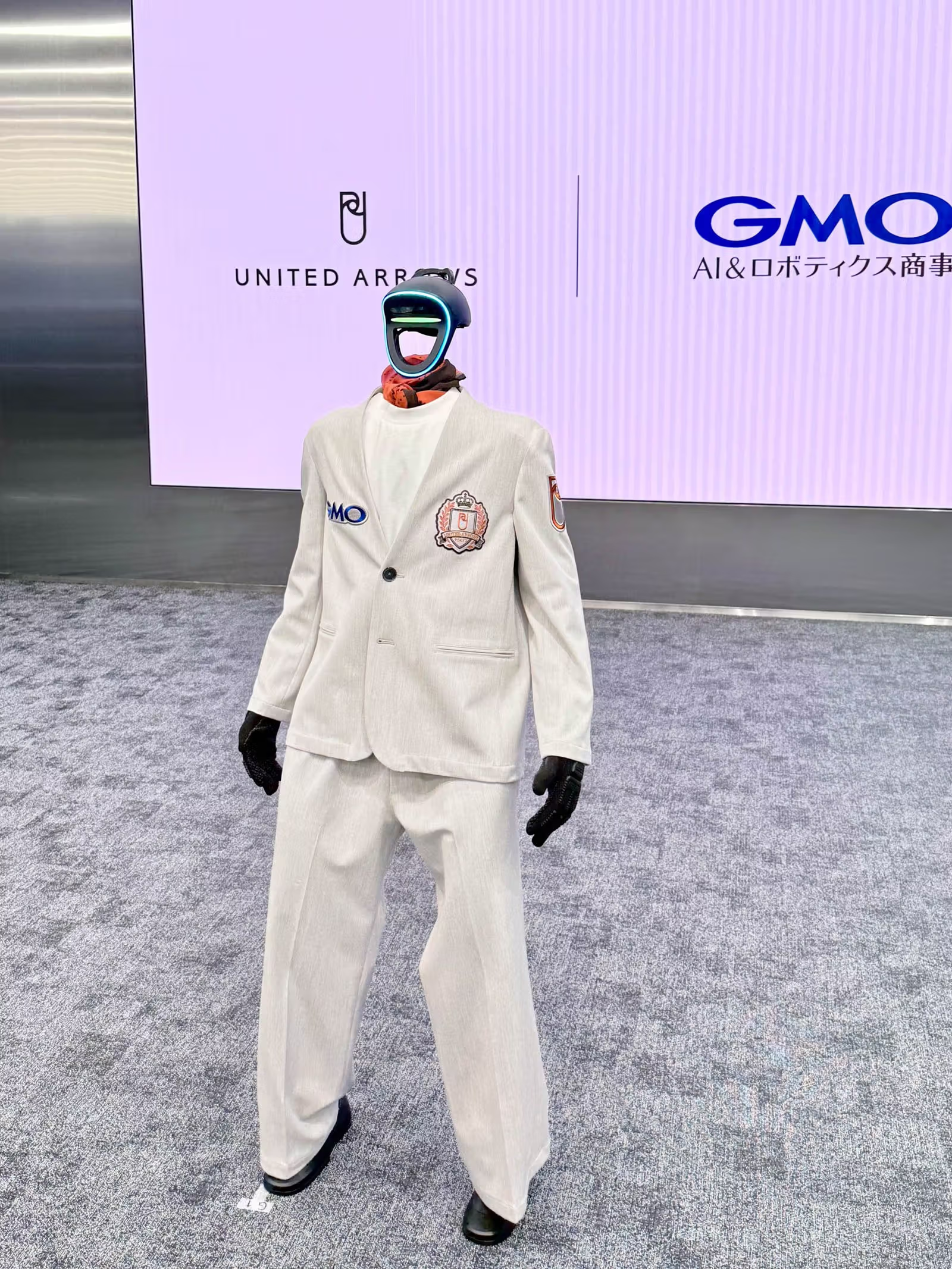
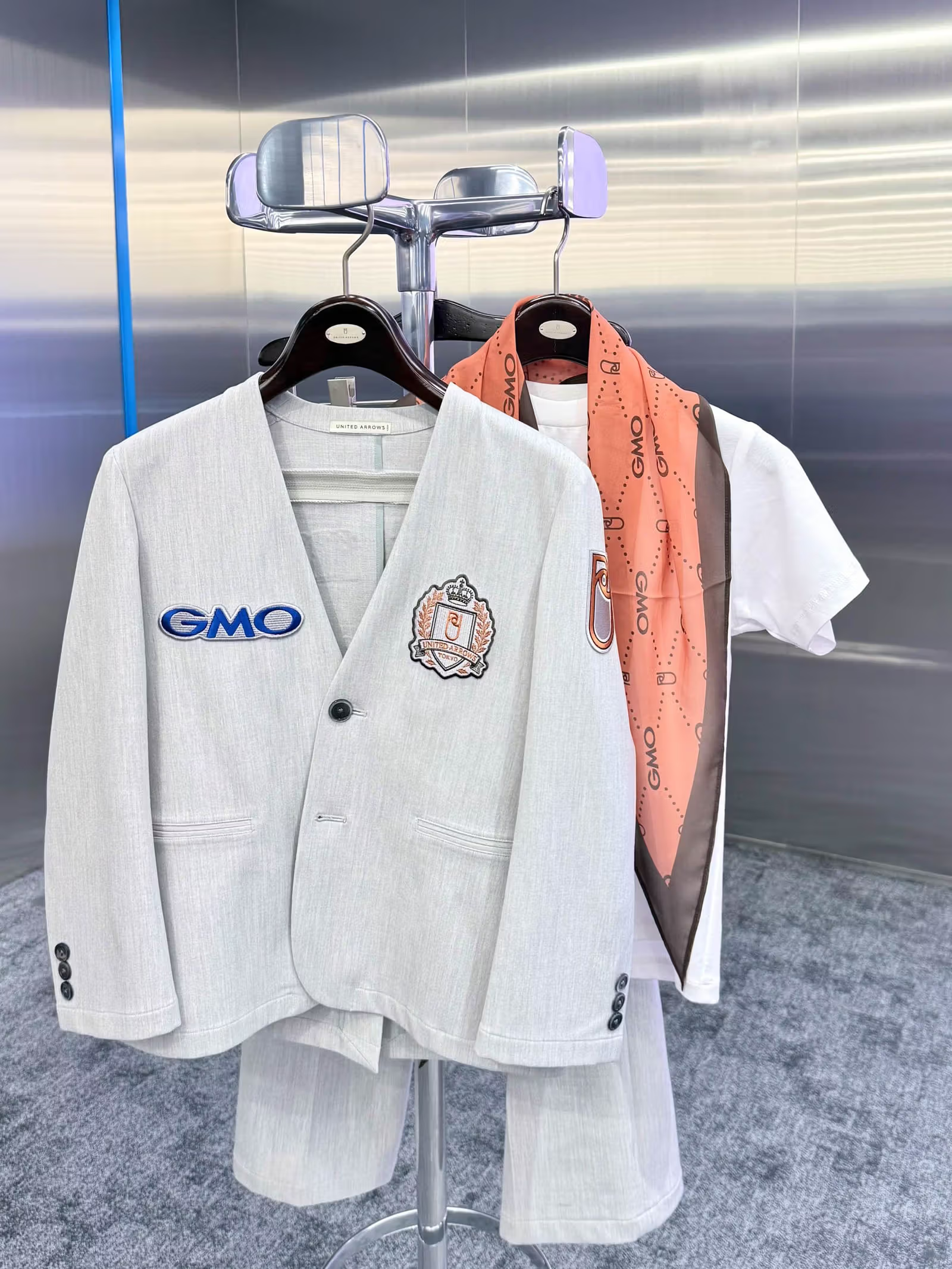
UNITED ARROWS and GMO AI & Robotics Trading (GMO AIR) jointly announced humanoid robot clothing for Unitree G1. This is the first time that UNITED ARROWS has designed clothing for humanoid robots. It plans to open the sales website and pre-order on November 20. The price has not yet been announced. The gray suit jacket, trousers, T-shirt and scarf look close to everyday clothes, but behind them is a set of styles that have been rethought for machine structure.
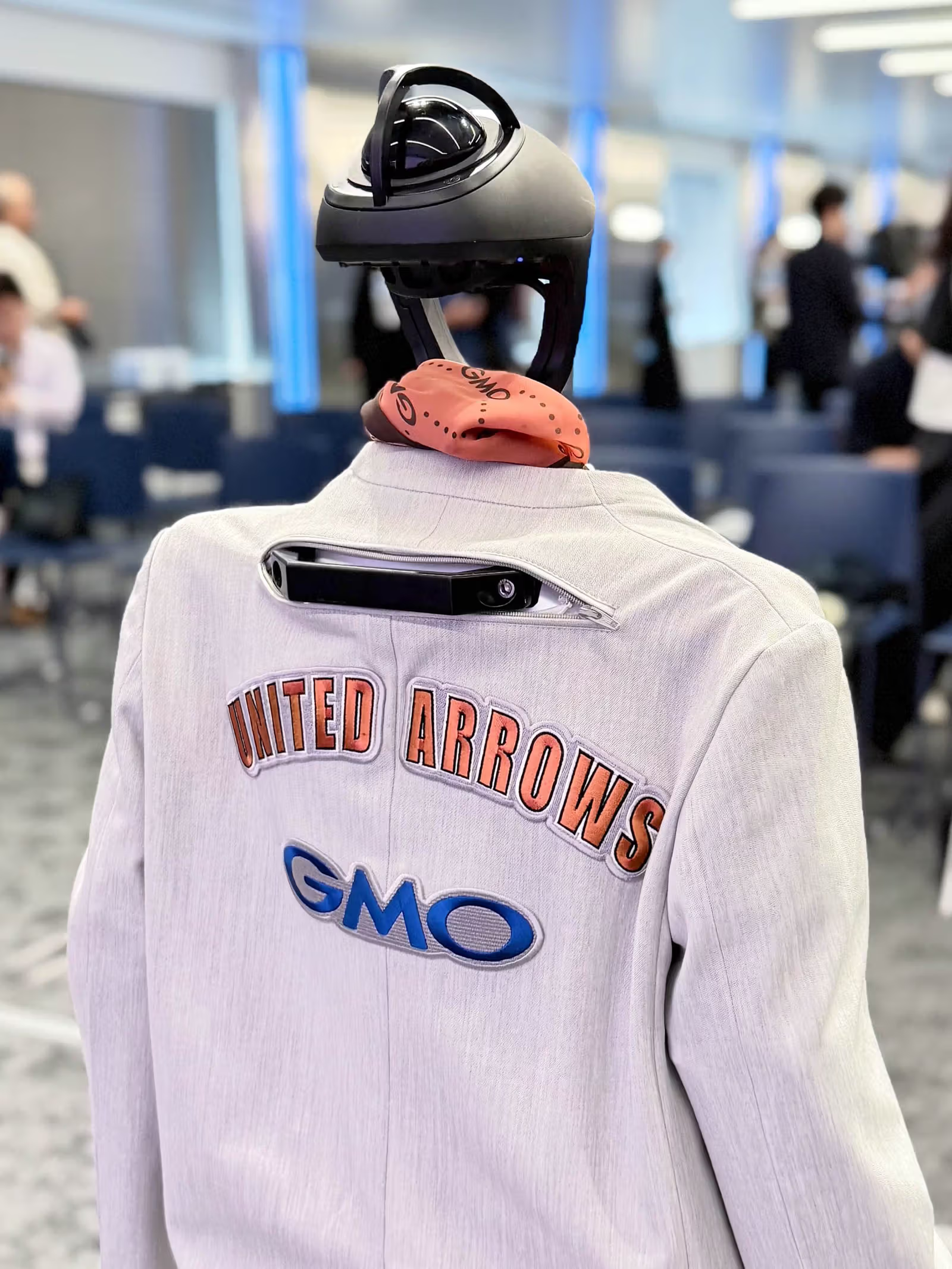
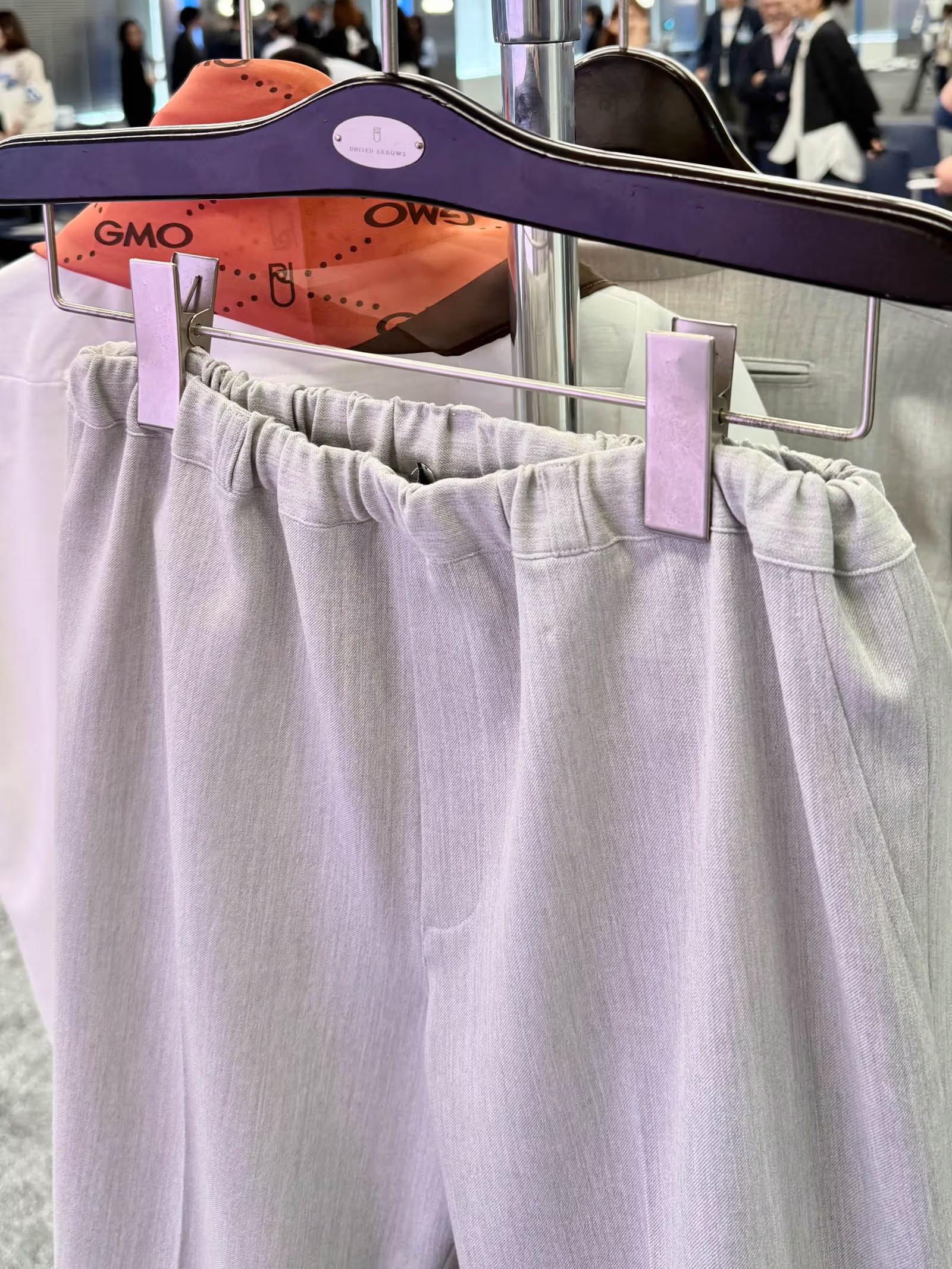
G1 uniform back and scarf.G1 uniform trousers waist structure.
Not just shrinking the human suit, the moving joints need to be rearranged
G1 is about 132cm tall, but adult clothing cannot be scaled based on height alone. The robot's joint positions, range of motion, and exposed parts are different from those of the human body. If fabric gets stuck in the motor or blocks the joints, it will not only be a styling problem, but also affect the original movement.
The development team therefore adopted a three-dimensional version, adjusted the distance between the fabric and the joints, and added elastic configuration to the waist. Pockets and belt loops retain the visual vocabulary of familiar clothing, but are decorative details and should not be directly regarded as functions that the robot can store and use like a human.
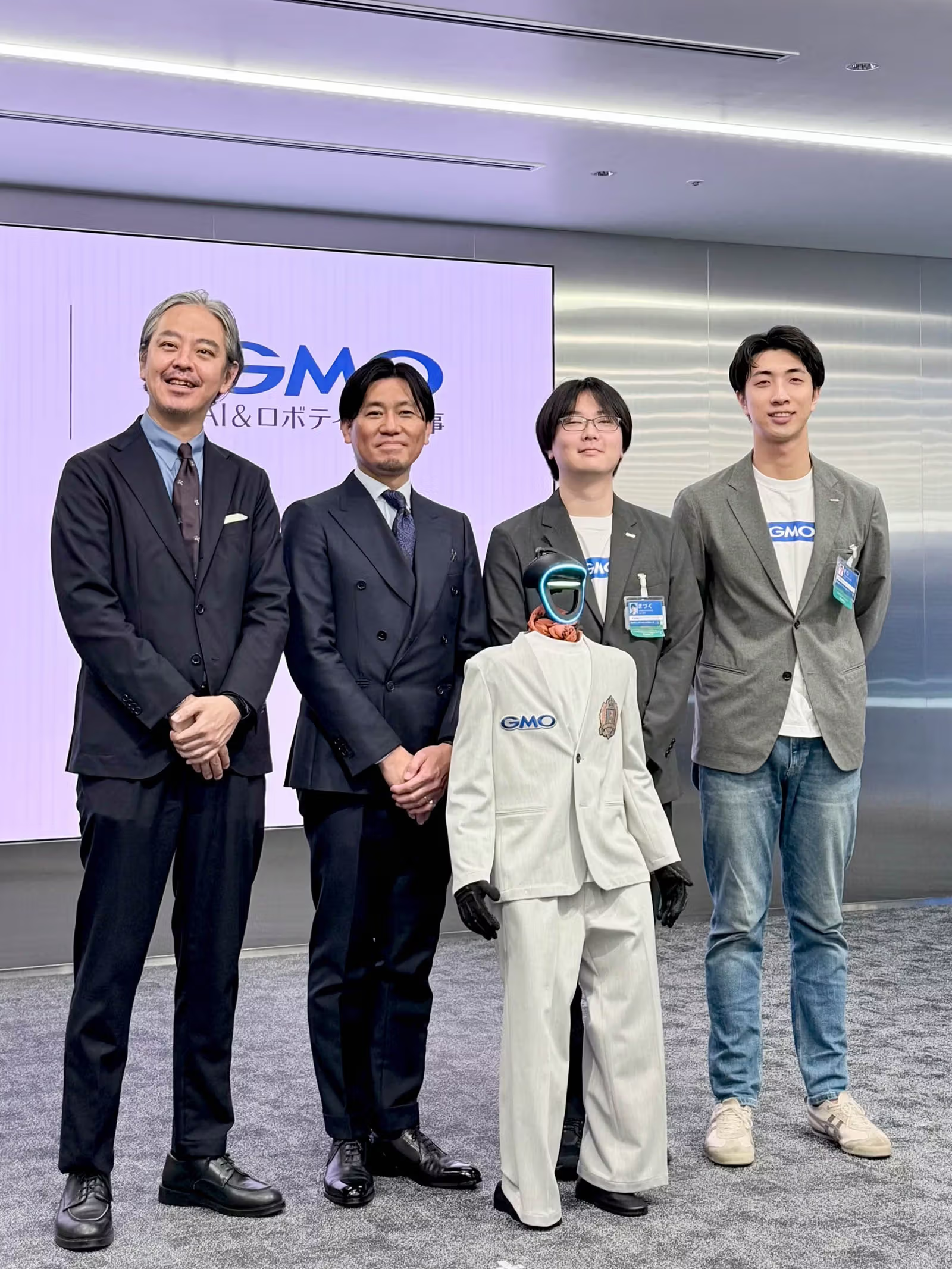
UNITED ARROWS cooperates with GMO AIR to develop the team. Image: FASHIONSNAP
Heat dissipation and carrying handles, changing the inner and outer structure of the jacket
The humanoid robot will generate heat when operating. This time, the outer lining is omitted to allow space for the heat energy to be discharged. There is also an openable zipper on the back for easy access to the original handle of the G1; that is to say, the garment cannot be used for maintenance and transportation of the machine without having to take off the coat completely first.
These arrangements let people see that making clothes for robots is not just about covering the metal shell, but about allowing movement, heat dissipation and operation entrances to coexist. A detail that looks like clothing decoration may actually be a response to the needs of another device.
In addition to embellishment, the scarf also handles the neck wire
The suit is in soft light gray. The scarf incorporates a pattern composed of the two companies’ logos, and covers the wire at the back of the neck to adjust the visual proportions of the slender neck. The brand hopes to use clothing to increase intimacy and make it easier for robots to interact with people in receptions or presentations.
G1 uniform and branded scarf.
This is the development purpose and design orientation. It does not mean that wearing a suit proves that everyone trusts robots more. For actual use places, clothes, movements, sounds and task descriptions need to be looked at together. Appearance is only one part of the interaction between people and equipment.
The pre-order schedule and applicable models still need to be confirmed separately.
GMO AIR also operates humanoid robots of other sizes and uses, but the clothing announced this time was developed for G1, so it cannot be directly inferred that it can be applied to all models. Being of similar height does not guarantee that the joints, handles or heat dissipation positions are consistent. Adaptation should be confirmed with a clear model number.
November 20 is the expected opening date of the website and the start of pre-orders. Not all orders will arrive on that day; the price, shipping arrangements and actual content are still to be announced later. The observational value of this collaboration lies in how the familiar language of suits faces another kind of body: when clothes begin to serve machines, clothing design must also respond to appearance and operation at the same time.