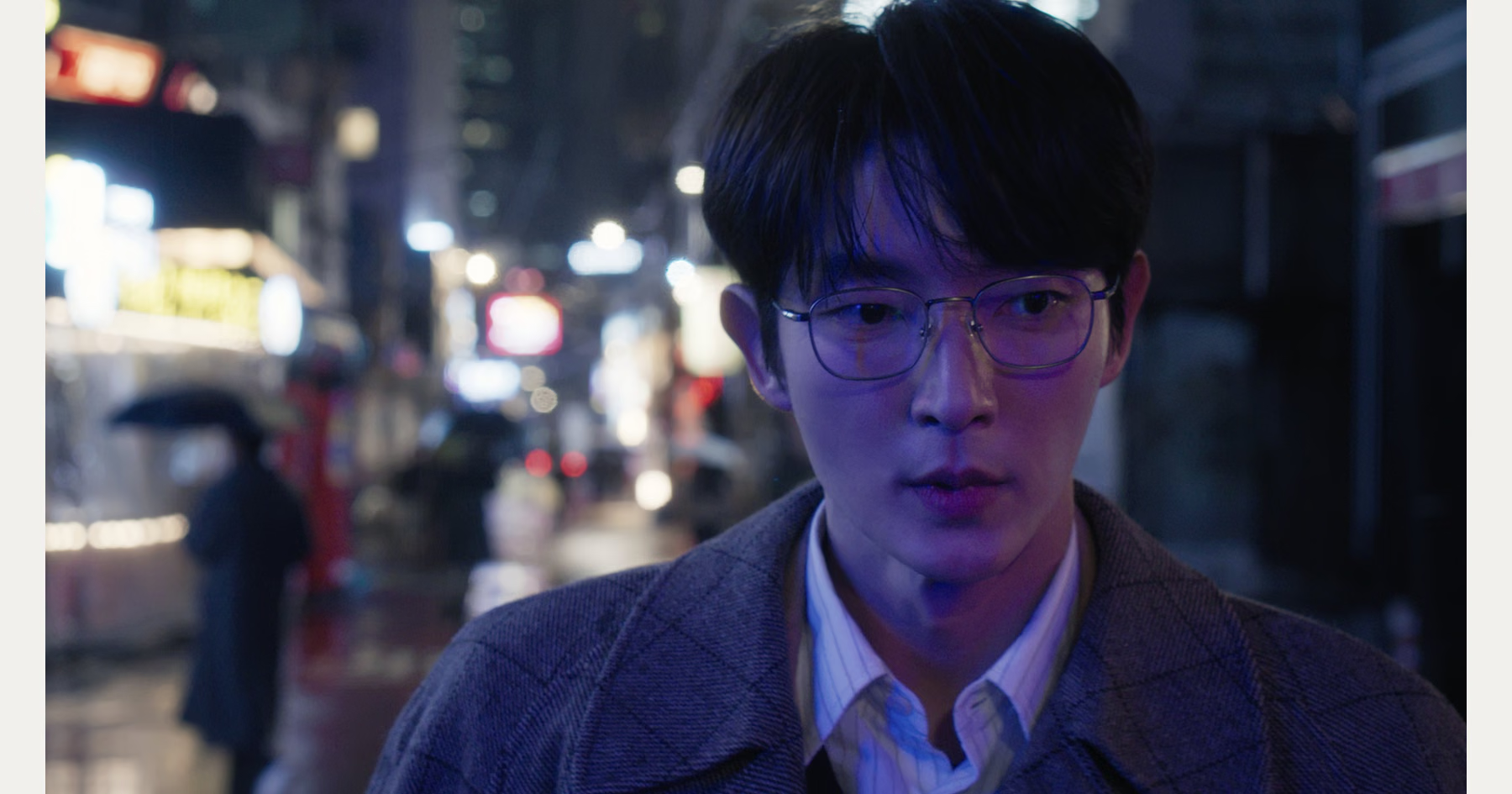
Kaohsiung Breakout sets December 4 Taiwan release: six prisoners in a new escape thriller
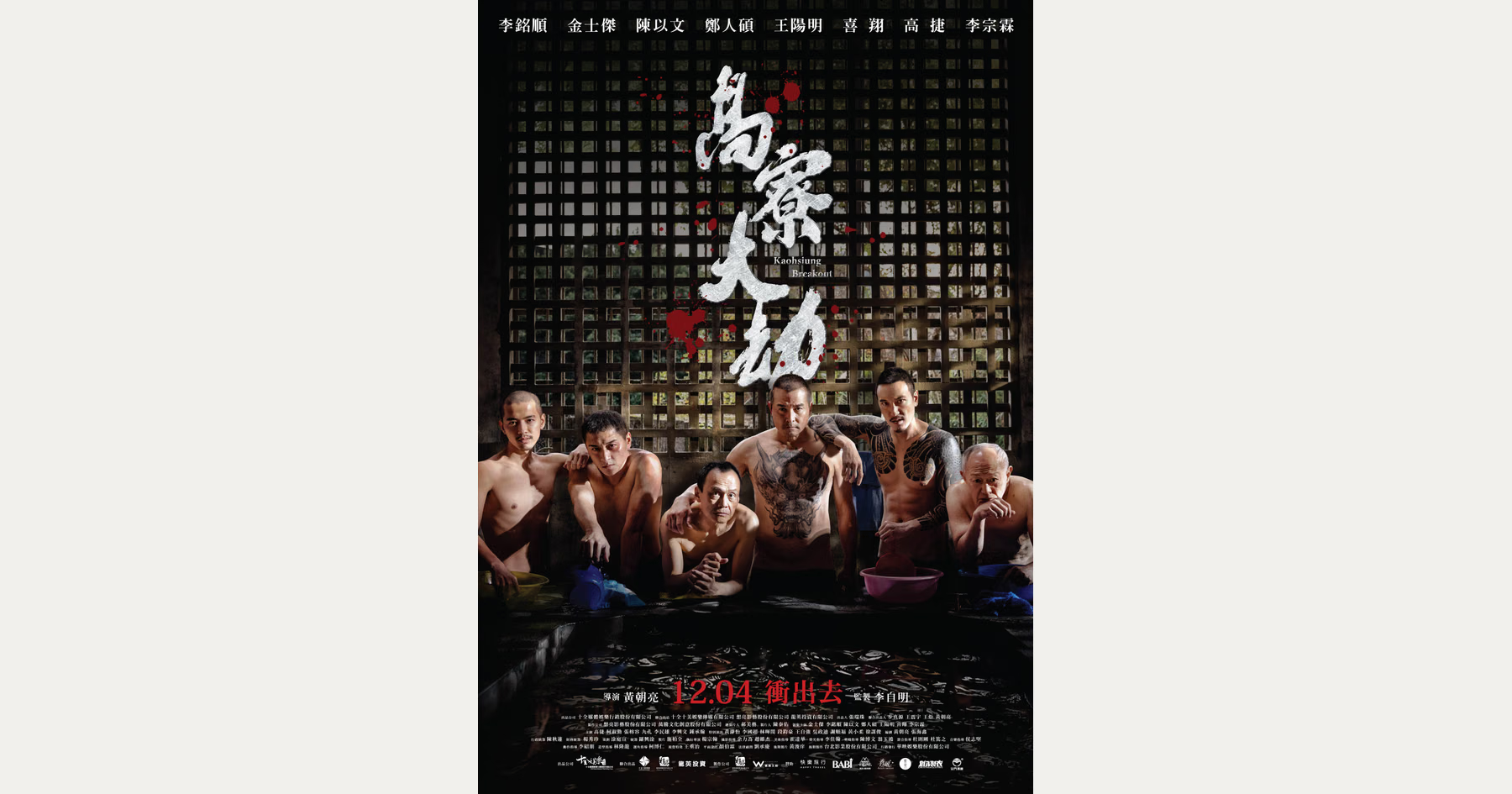
The film announces its Taiwan date and teaser poster, with 李銘順, 金士傑, 陳以文, 王陽明, 鄭人碩 and 李宗霖. Character backgrounds and a winter bathhouse shoot are introduced.
Crime-action film Kaohsiung Breakout (《高寮大劫》), directed by 黃朝亮, is scheduled to open in Taiwan on December 4, according to distributor material issued October 29 alongside a teaser poster. 李銘順, 金士傑, 陳以文, 王陽明, 鄭人碩 and 李宗霖 play six prisoners whose different backgrounds meet in an escape plan. Their interests and trust form the premise.
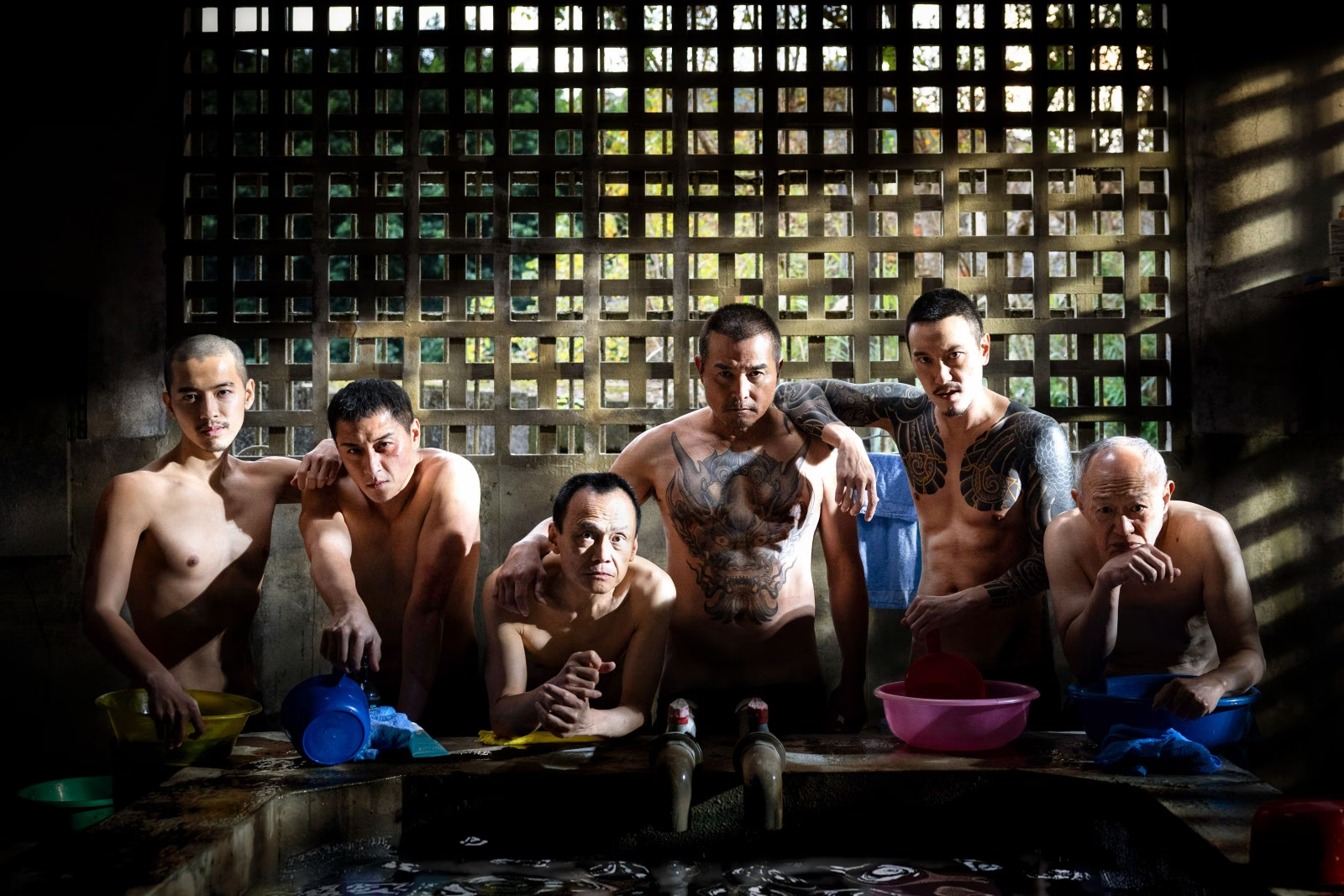
The teaser uses a bathhouse setting to present the group and their character designs, including the dragon-head tattoo on 李銘順’s character. These are fictional film stills and promotional images, not documentation of a real prison incident. Production recollections explain how the scene was made; publicity statements are not reviews based on viewing the finished film.
Six histories turn escape into a shared risk
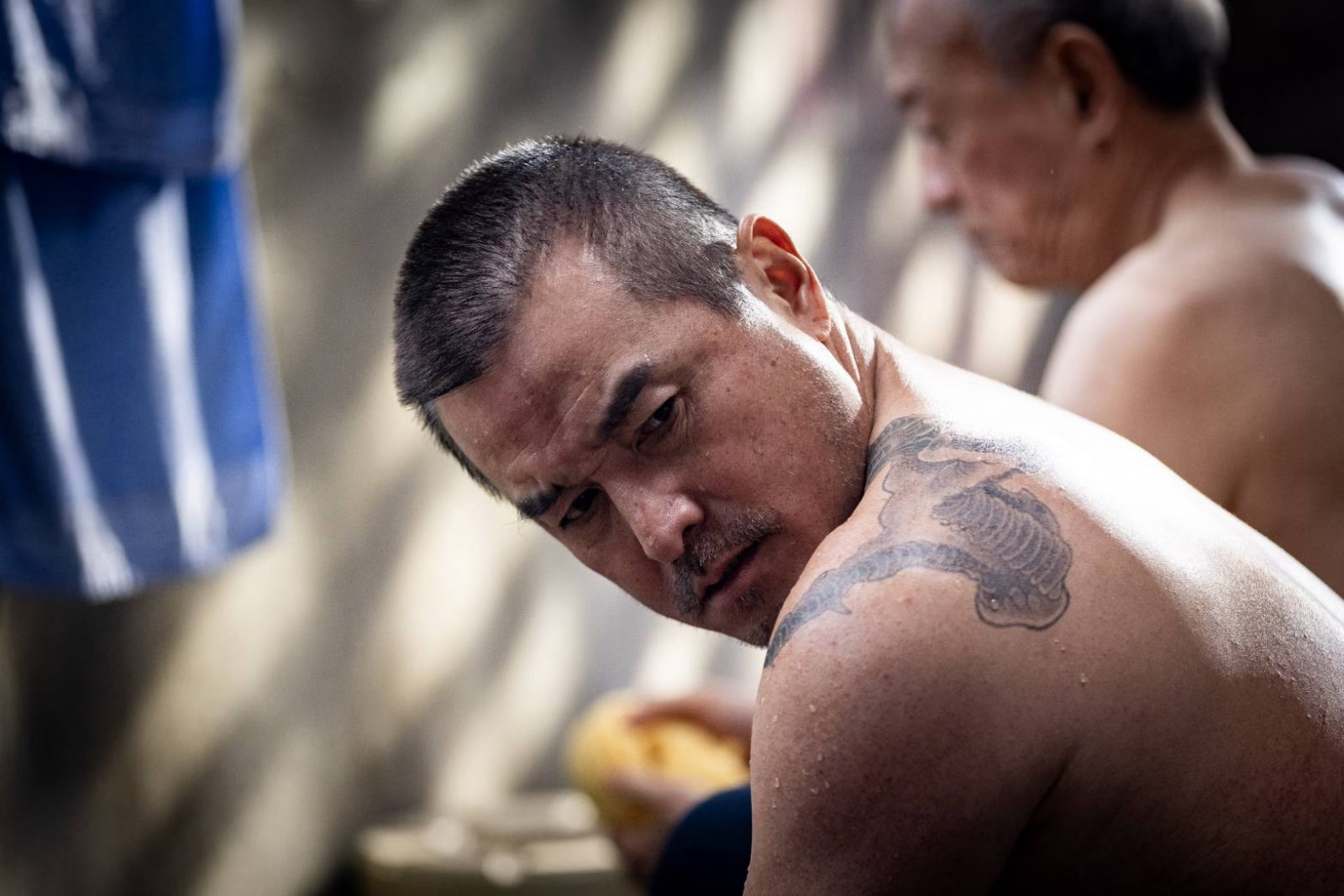
The story starts with Lee’s character 魯孝全, whose resentment over betrayal, prison management and injustice leads him toward a desperate plan. 王陽明 plays 葉世哲, imprisoned for drug trafficking and money laundering; 鄭人碩 plays 顧家銘, linked to arson and murder. Their histories differ, so their motives should not be reduced to identical ideas of brotherhood.
Fictional film still of 李銘順’s character looking back with a shoulder tattoo visible
The other three are 陳以文’s corrupt former deputy mayor 趙文彬, 金士傑’s former detective 齊俊雄, and 李宗霖’s 嚴少龍, who experiences prison bullying. The supplied synopsis describes prison security, competing interests and survival, including obtaining firearms and clashing with police. This is the narrative premise, not a disclosure of every character’s ending or an account of a real case.
The bathhouse image came from a winter mountain shoot
According to production material, the bathhouse scene was filmed during winter in a rainy mountain location at around 8°C. A multi-actor scene required attention to camera angles and covering, with skin-coloured protective tape used for filming. The exposed torsos serve the fictional prisoner group and setting; they do not establish the film’s classification or the extent of the finished sequence.
Fictional film still of six characters beside bathhouse basins with a lattice window behind them
Chen recalls towels and bathrobes being supplied after takes, with hot tea, ginger tea, food and warming tents on set. Cheng discusses sharing his experience of protective measures with other actors. These are participants’ recollections conveyed by the production, not an independent description of every safety arrangement or a basis for additional unverified claims.
Cast and director are announced; screenings and classification await updates
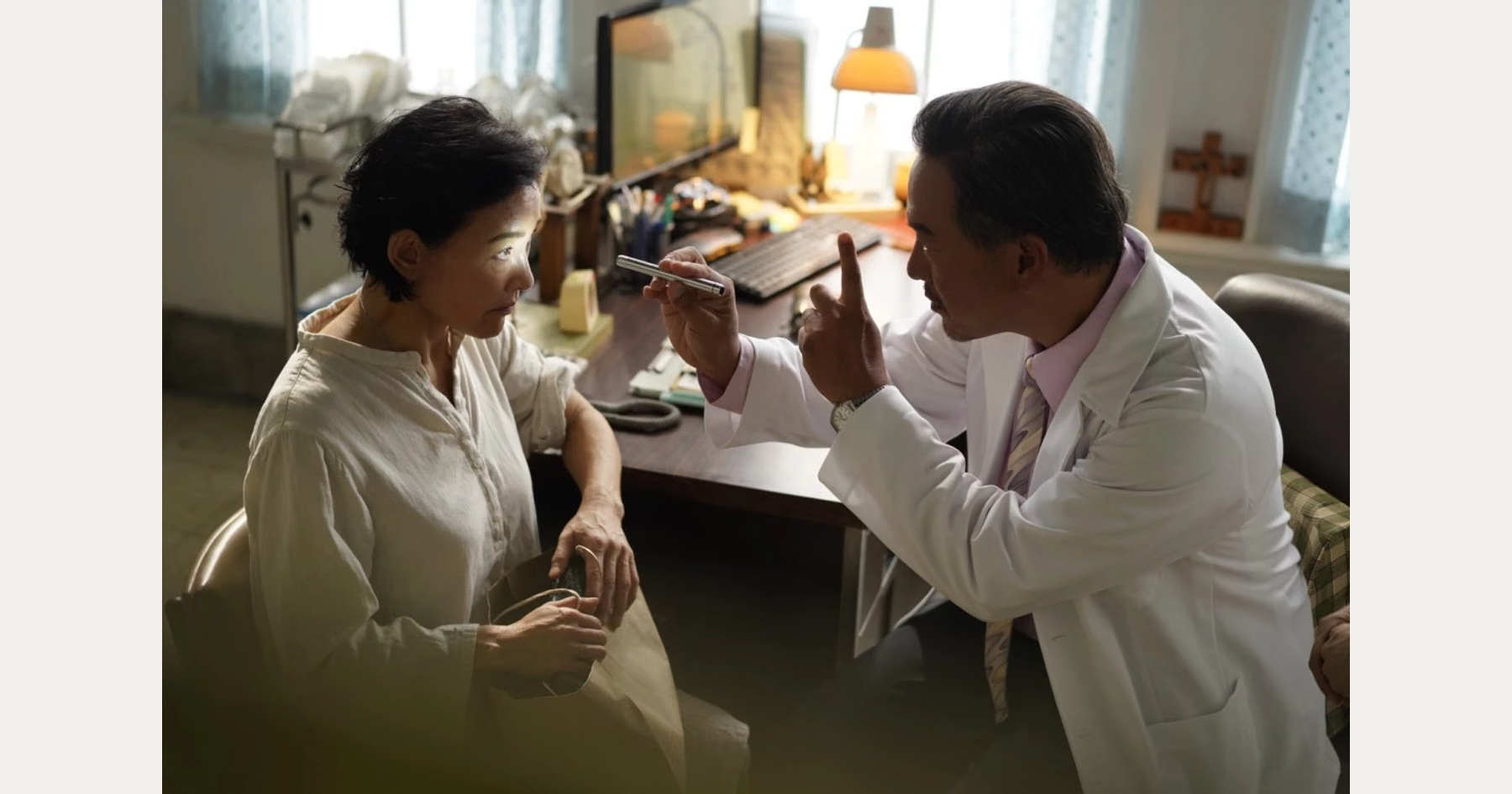
The production also lists 喜翔 and 高捷 in the cast, with 柯淑勤, 張榕容, 九孔 and 小薰 making special appearances. Some cast members connect the film to familiar Taiwanese crime cinema, but 《高寮大劫》 has its own title and characters. Overlapping actors do not establish that it is a sequel or part of another film’s shared story world.
The confirmed information here is the December 4 Taiwan release plan, director, announced cast and teaser poster. This release does not provide complete cinema schedules, booking dates or classification information. Viewers should wait for distributor and cinema updates before planning a screening. Character descriptions and actor comments introduce the project; they are not evidence of box-office performance or audience reception.
Questions and answers
When does the film open in Taiwan, and who directs it?
The distributor announces December 4, 2026, with 黃朝亮 directing. Screening times and booking arrangements await cinema announcements.
Who are the six principal performers on the teaser?
李銘順, 金士傑, 陳以文, 王陽明, 鄭人碩 and 李宗霖 play six prisoners with different backgrounds.
Is the bathhouse image a real incident, and is the classification confirmed?
It is imagery from a fictional film. The supplied release does not fully announce classification, which cannot be inferred from the characters’ appearance.