How to style lace this autumn: shirts, turtlenecks and textured coats
Fall 2026 runway looks pair lace and ruffles with white shirts, denim, turtlenecks and tweed. Compare the layers and visible detail before building a version from your own wardrobe.
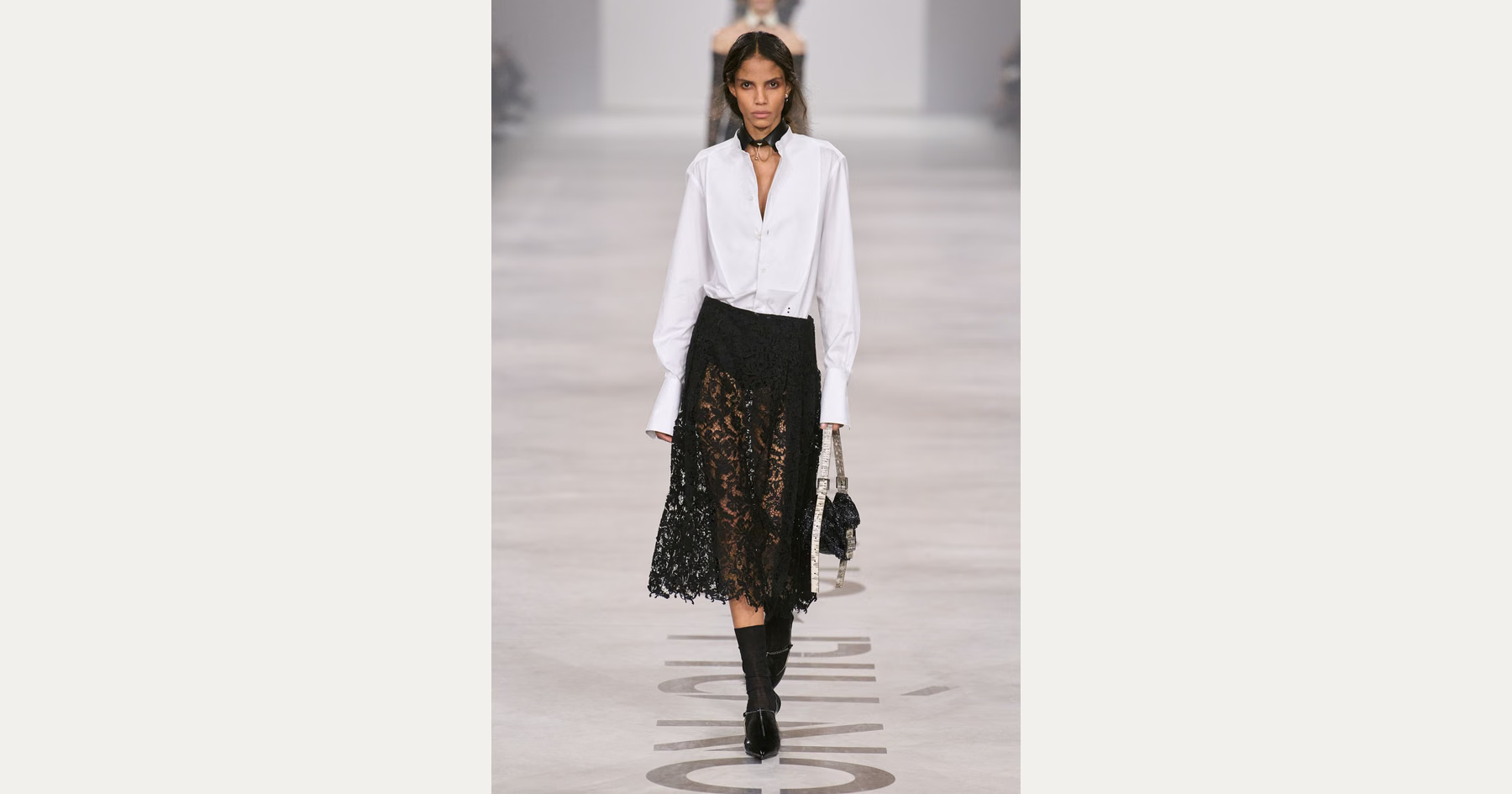
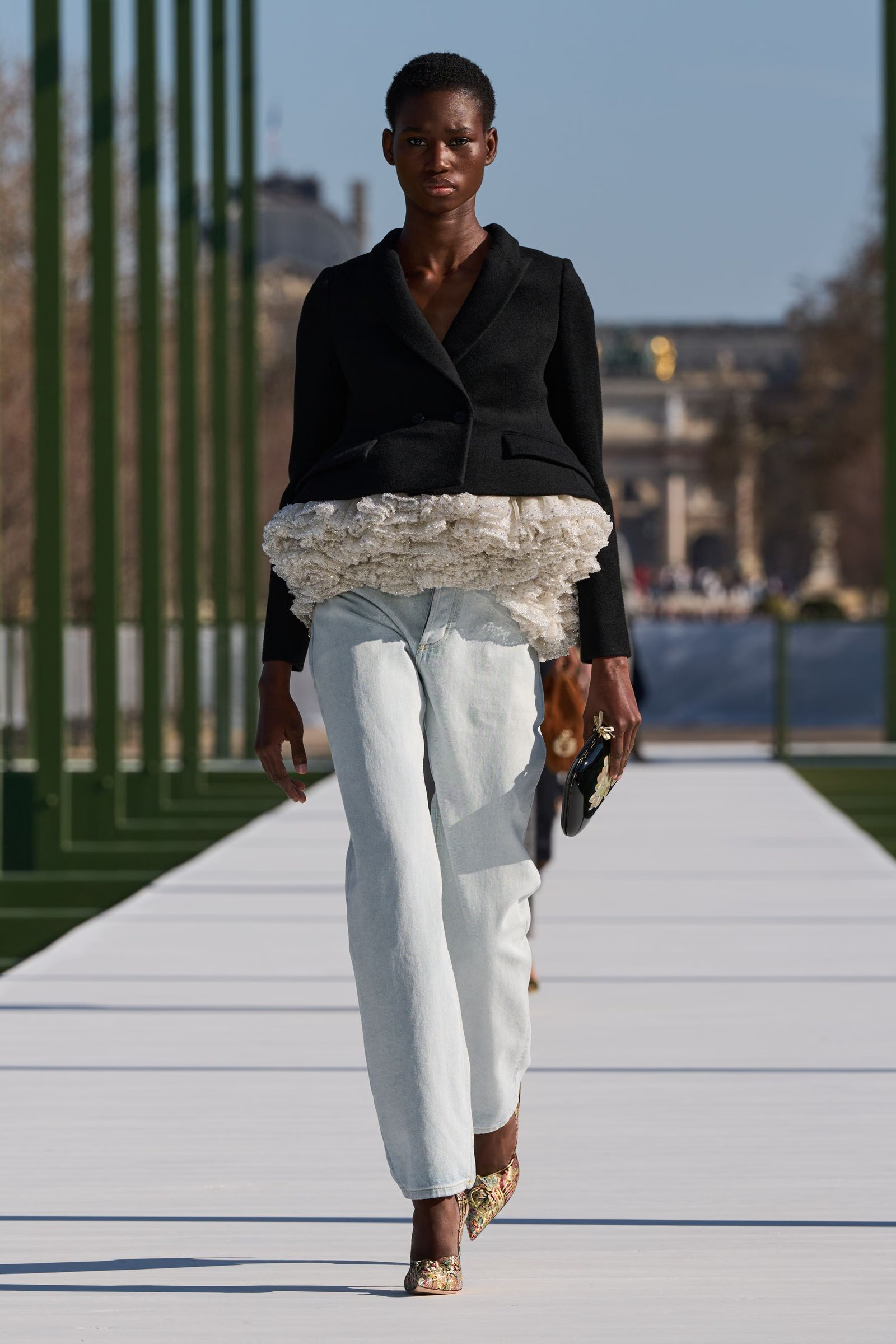
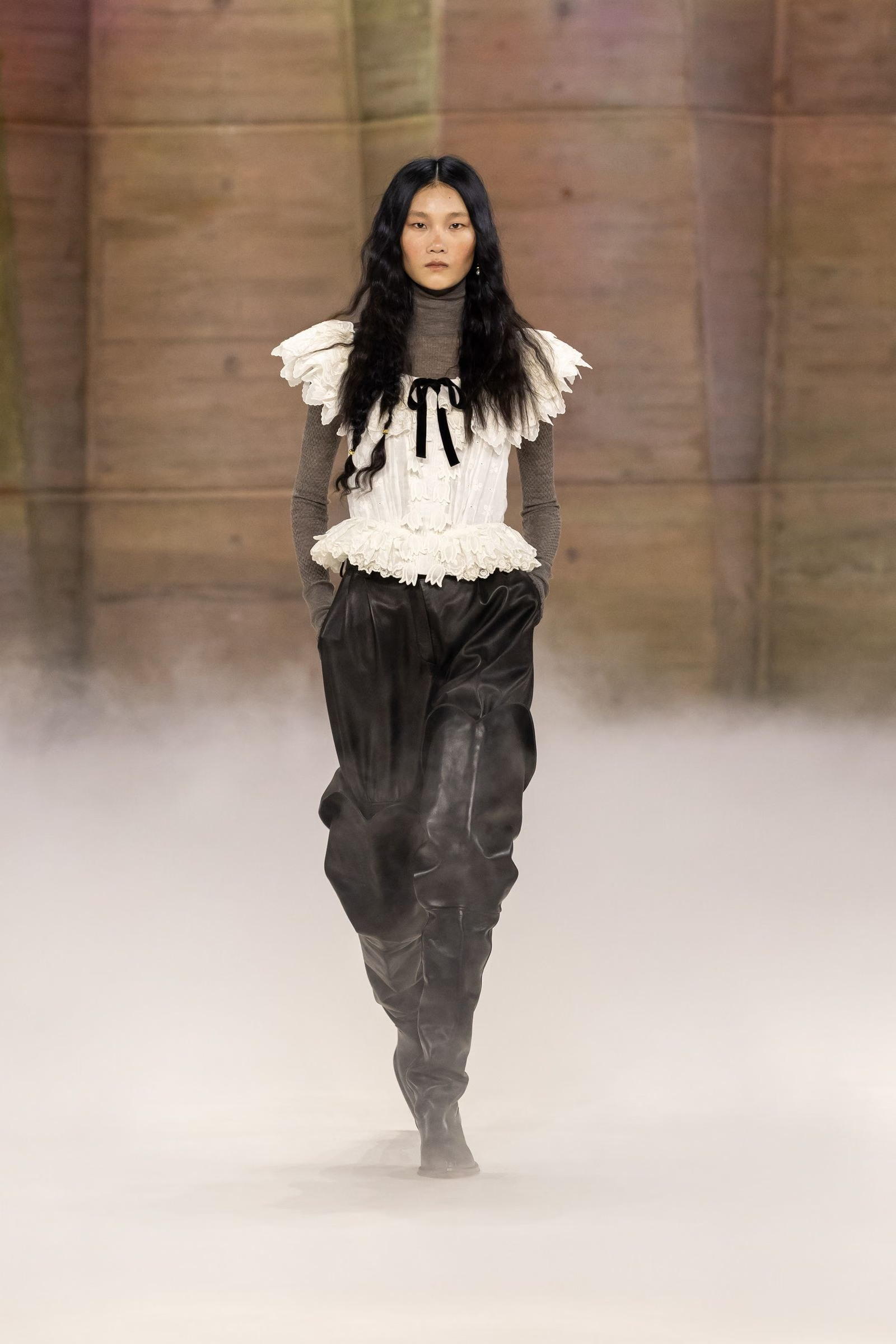
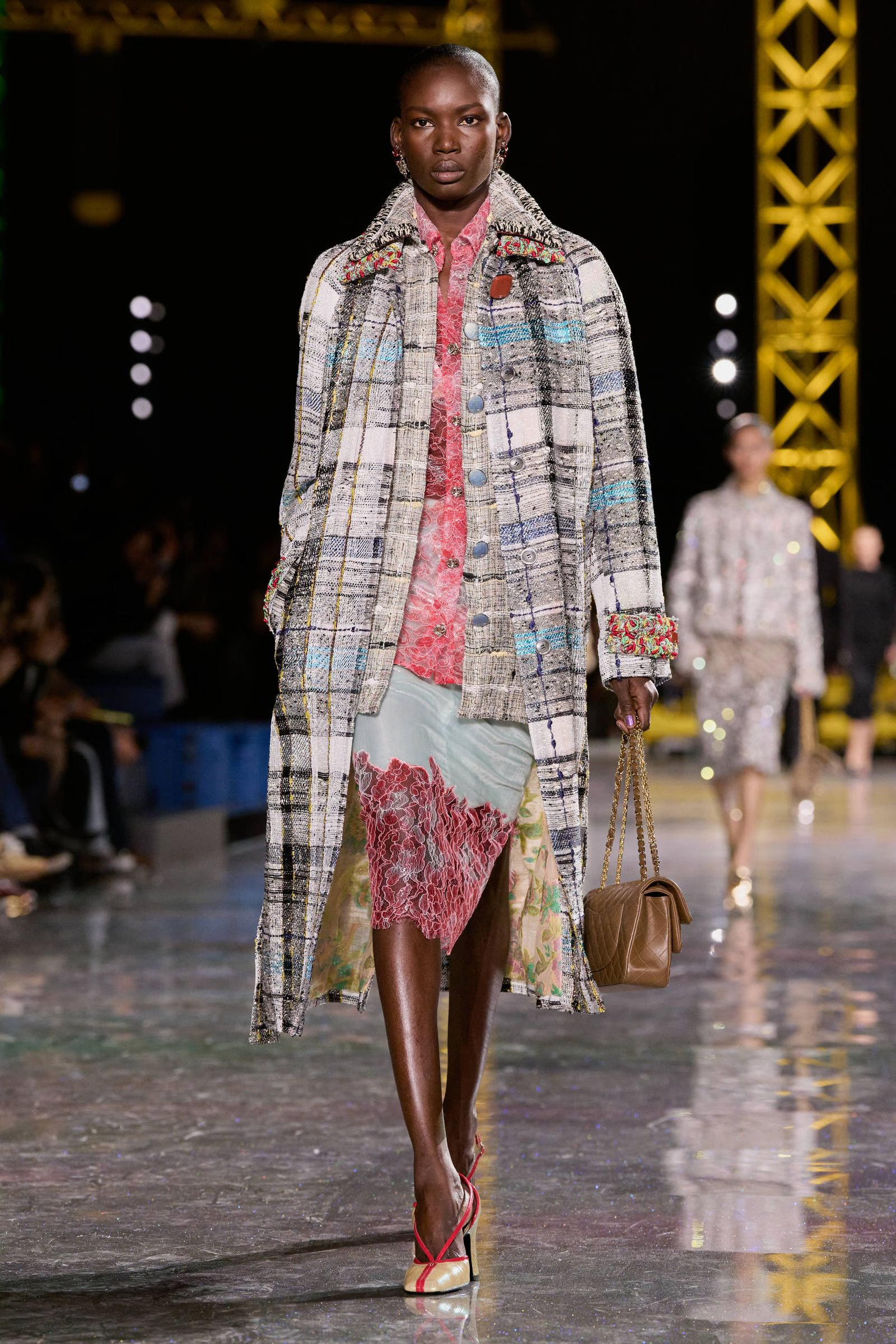
Lace and ruffles need not be read only as evening details. Fall 2026 looks from Fendi, Dior, Chloé and Chanel offer different ways to place romantic surfaces beside white shirts, denim, turtlenecks and outerwear.
These are comparisons of different runway looks, not a single release-day shopping list. Start with one question: should the texture be clearly visible, or appear only at a neckline or hem? Once that is decided, the order of the other pieces becomes easier to consider.
Key details
Compare adjacent separates, inner and outer layers, and a coat framing the detail. Lace and ruffles are not the same fabric or construction.
Examples include Fendi’s shirt and lace skirt, Dior’s jacket with denim, Chloé’s ruffled top over a turtleneck, and Chanel’s lace with tweed.
Runway photographs show styling, not confirmed prices, materials, local stock or wearing comfort. Check individual product details.
Let shirts and denim create space for detail
Fendi’s white shirt and black lace skirt establish a light-dark division, concentrating texture below the waist. At Dior, pale denim sits beside ruffles emerging below a jacket, bringing sharper lines, soft folds and an everyday fabric into one look.
Both can begin with a shirt or jeans already in a wardrobe, before choosing one detailed piece. If a top is already loose, consider whether pleats or ruffles still have room. When the lower half has dense texture, fewer competing accessories may make the arrangement clearer.
A Dior black jacket with pale ruffled layers and light denim trousers
Use layers to choose how much lace is visible
Chloé places a white ruffled top over a grey turtleneck, making changes around the neck and sleeves easier to see. Chanel frames pink lace and a skirt with a generous tweed coat, allowing the detail to emerge around its edges.
If wearing a sheer piece directly feels unfamiliar, compare the colour beneath it and the pattern, then decide how much an outer layer covers. Layering can change necklines, cuffs and hems as well as coverage. Heat and ease of movement still require an actual fitting; a runway photograph cannot establish either.
A white Chloé ruffled top over a grey turtleneck with black trousers
Finish with the focus of shoes and a bag
Socks, boots or different shoe shapes shift attention around the same lace skirt. The space between a shoe opening and hem, and whether a bag sits against the body or hangs at the hand, can be considered alongside the garment’s texture. Heels are not the only possible starting point.
Build a personal version around one lace or ruffled piece, add plain clothes already owned, then decide on footwear and a bag. This is a way of comparing material and proportion rather than buying every runway element at once. Care, underlayers and the occasion remain questions for the actual garment.
A Chanel checked tweed coat over pink lace and a skirt
Questions answered
Does lace require eveningwear or heels?
No. Compare shirts, denim, turtlenecks and coats, then choose footwear for the occasion.
Are ruffles the same as lace?
No. Ruffles describe a shape or construction detail; lace concerns fabric texture. They can be considered separately.
Are all the pictured pieces on sale now?
Runway styling does not establish stock. Check each item’s price, material, size and local channel.