What to know | Lee Daiwon at MMCA Deoksugung until November 8: orchards, apple trees and color
The key details: Approximately 120 works and 100 archival items trace changing space, line and light. The exhibition ticket and Deoksugung Palace admission are separate charges.
The Deoksugung branch of the National Museum of Modern and Contemporary Art in South Korea holds the retrospective exhibition "Nothing Here Makes You Sad" by Lee Daiwon (이대원) until November 8, 2026. Approximately 120 works and 100 archives make the familiar farmland, trees and mountain scenery a portal to see how the painter changed the language of painting over a long period of time.
Cover image: 국립현대미술관 제공
Why can the same farm be painted for many years?
Farms continue to appear in Lee Daiwon’s works, but repeating themes does not mean repeating the same painting.
The close-ups, distant views, branches and color blocks of different years will change the way the viewer moves in the picture. Comparing how the space is arranged first can reveal the changes better than rushing to identify which tree it is.
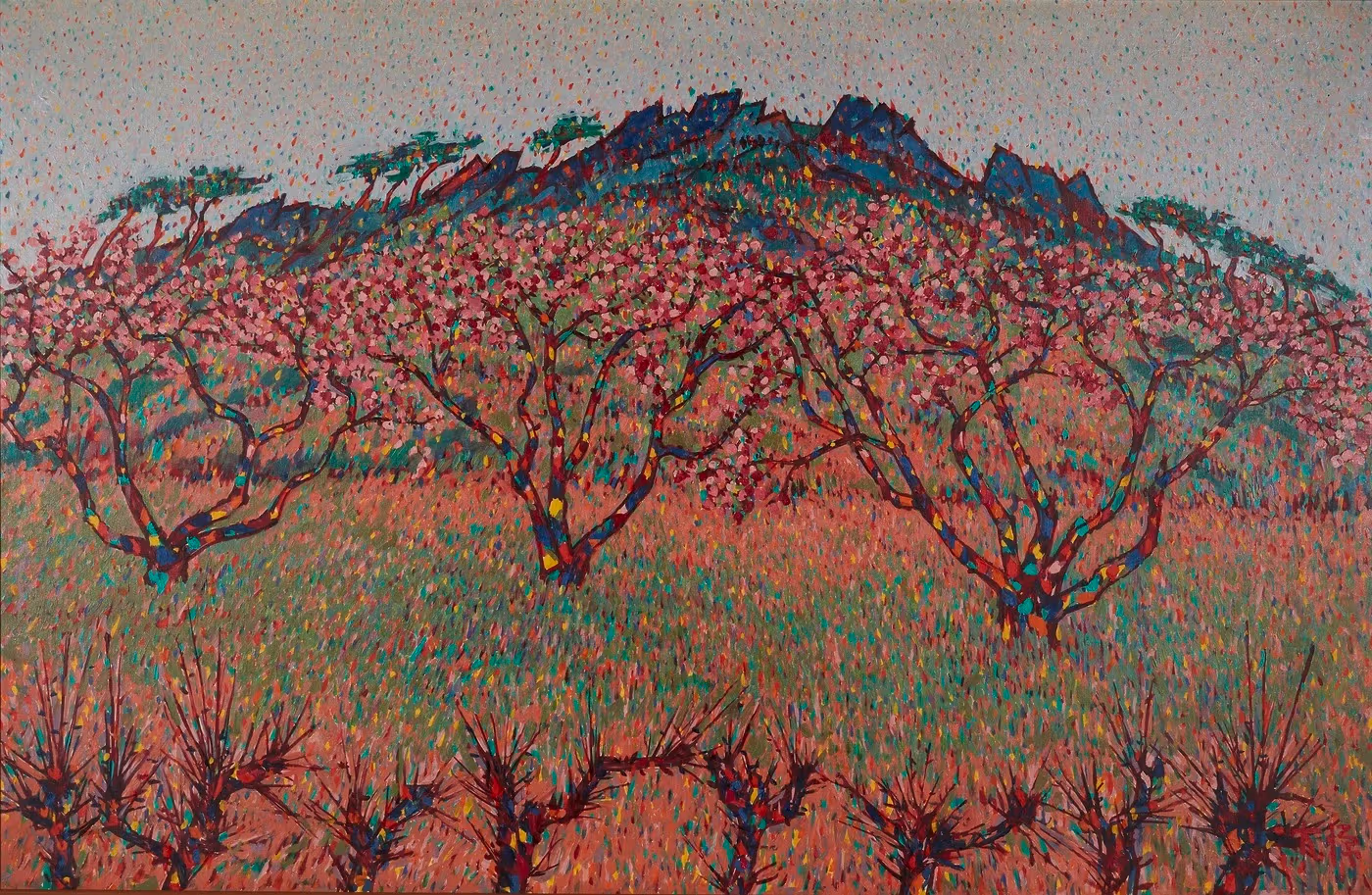
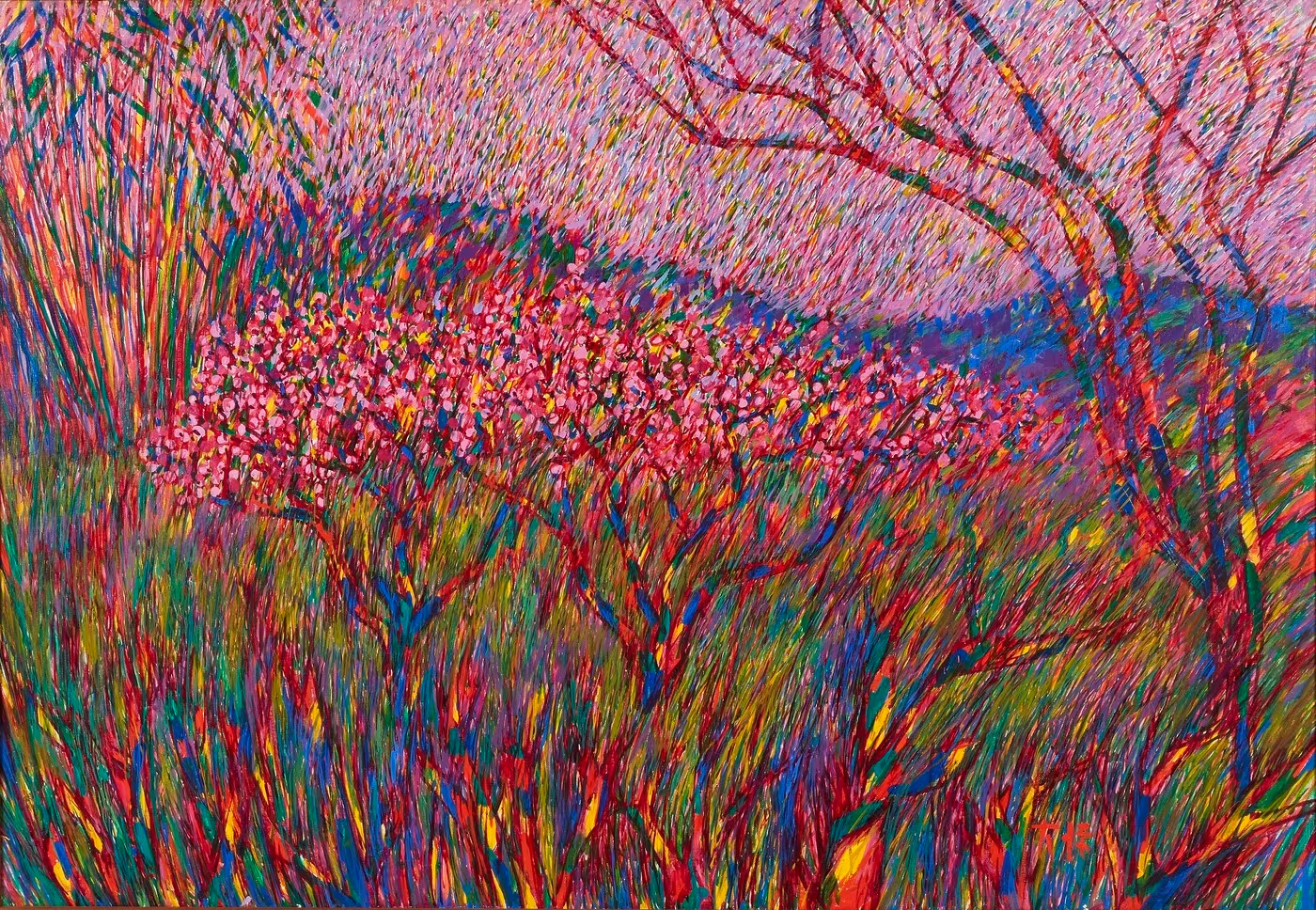
Lee Daiwon Farm, 1987, colors and branches. Image: 국립현대미술관 제공
If you look at two works from different eras side by side, you can first find out whether there is still a clear position in the distance, and then see whether the lines describe objects, or whether they gradually become a rhythm that spreads across the picture.
The subject matter remains familiar, allowing small differences a chance to be seen.
The apple tree is more than just a natural object
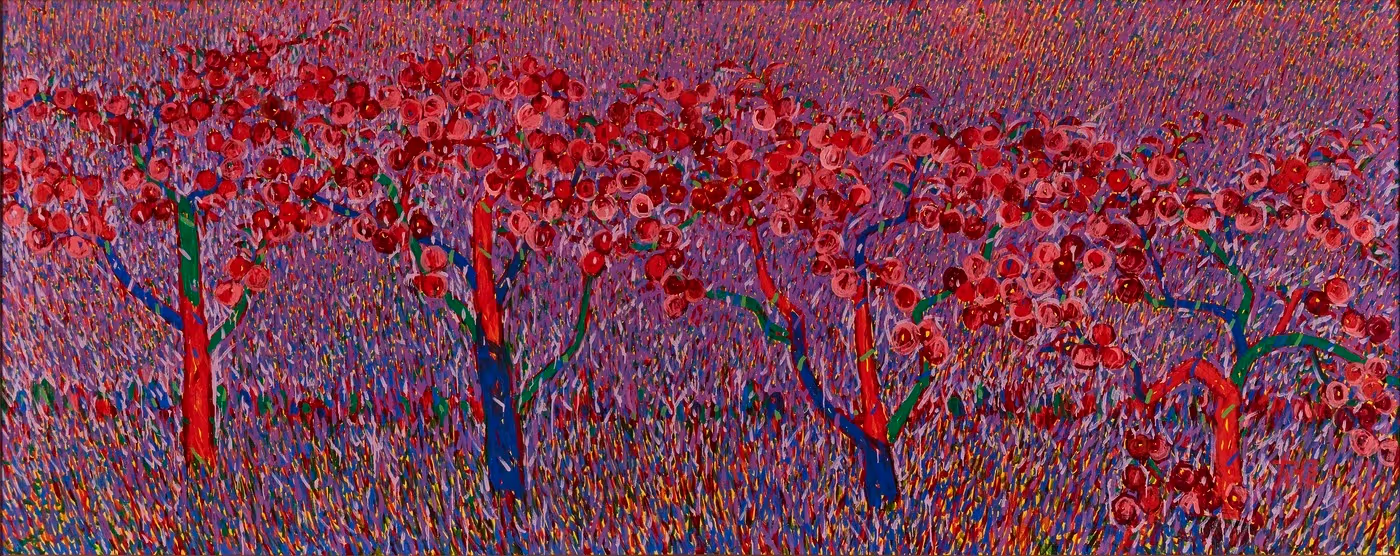
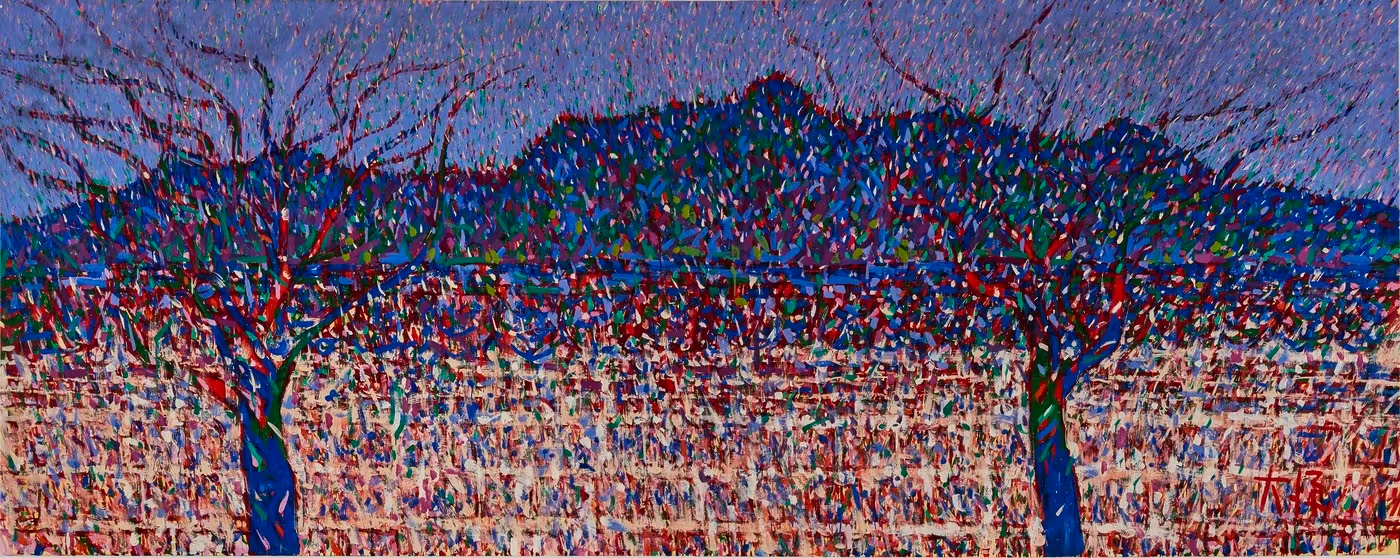
"Apple Tree" from 2000 is presented as a large horizontal painting. The branches and colors allow realistic recognition and almost abstract viewing to coexist.
It can be viewed as a tree, or you can step forward and observe the direction of the lines, their density, and how the different colors pull toward each other.
Lee Daiwon Farm, 1987, horizontal composition. Image: 국립현대미술관 제공Lee Daiwon apple tree, 2000. Image: 국립현대미술관 제공
Looking up close and looking back have their own uses.
When you get closer, you can pay attention to the brushstrokes and local colors, and when you step back, you can see how the whole picture is connected. There is no need to argue about which one is correct between the two distances, but the same work provides different levels.
The retrospective exhibition also puts the works back into long hours of work
This exhibition not only includes well-known farm series, but also includes earlier works and archives, allowing the world of color to have a process of formation.
The relationship between painters and craftsmanship, Eastern painting and Western painting can also be understood through the works and materials together, rather than just treating the bright pictures as a single mood.
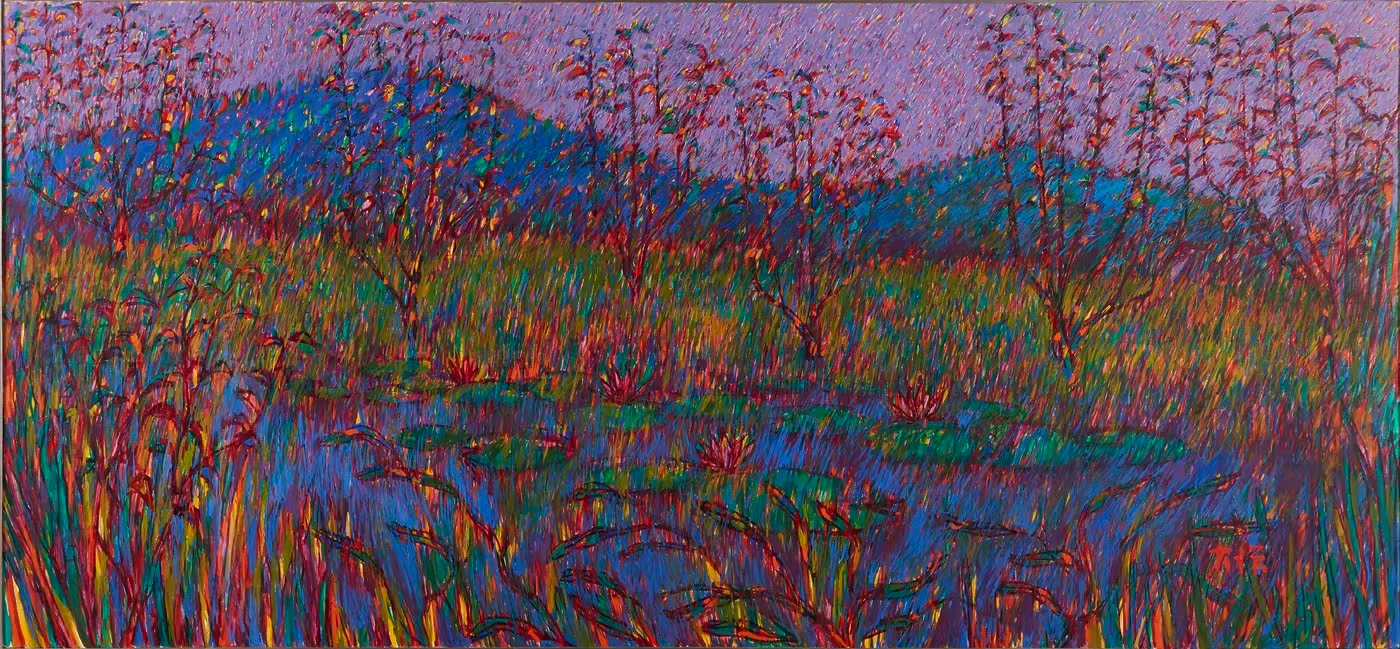
Lee Daiwon Renwang Mountain, 2000. Image: 국립현대미술관 제공
For those who are acquainted with Lee Daiwon for the first time, it will be easier to establish clues by first reading the works of a certain period and then looking through relevant materials than writing down all the years at once.
The archive provides the background, while the picture retains its own space for viewing. The two can be compared back and forth.
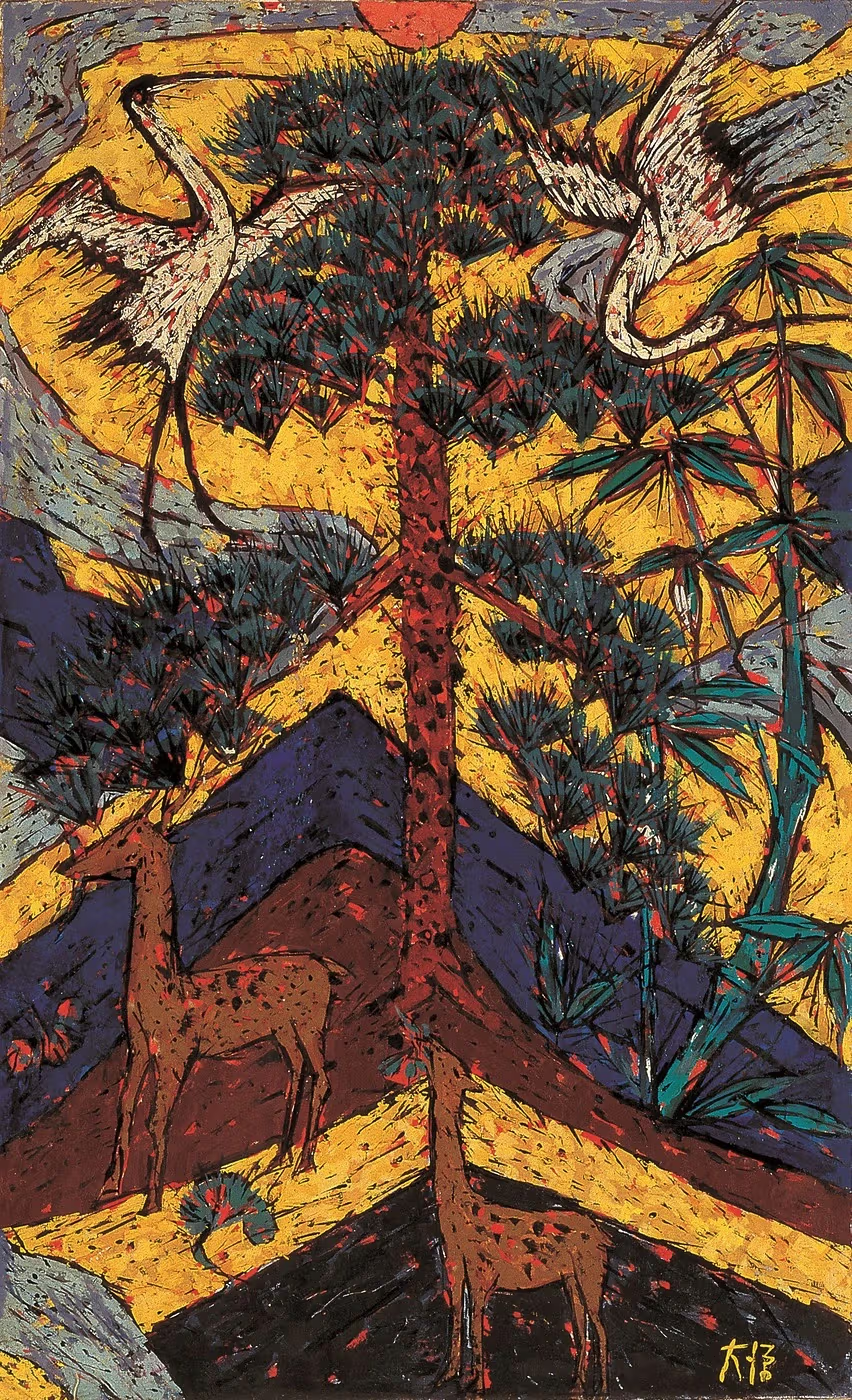
Lee Daiwon’s legendary village, 1964. Image: 국립현대미술관 제공
The bright title of the exhibition does not mean that life is simplified to be without sadness.
The title of the exhibition uses gentler words to point to the feelings of the painting, but this does not mean that the painter’s life only consists of joy, nor can viewing the exhibition be extended into a therapeutic promise to improve mood.
The more interesting question is: how long-term observation, control and color research can produce seemingly light results in paintings.
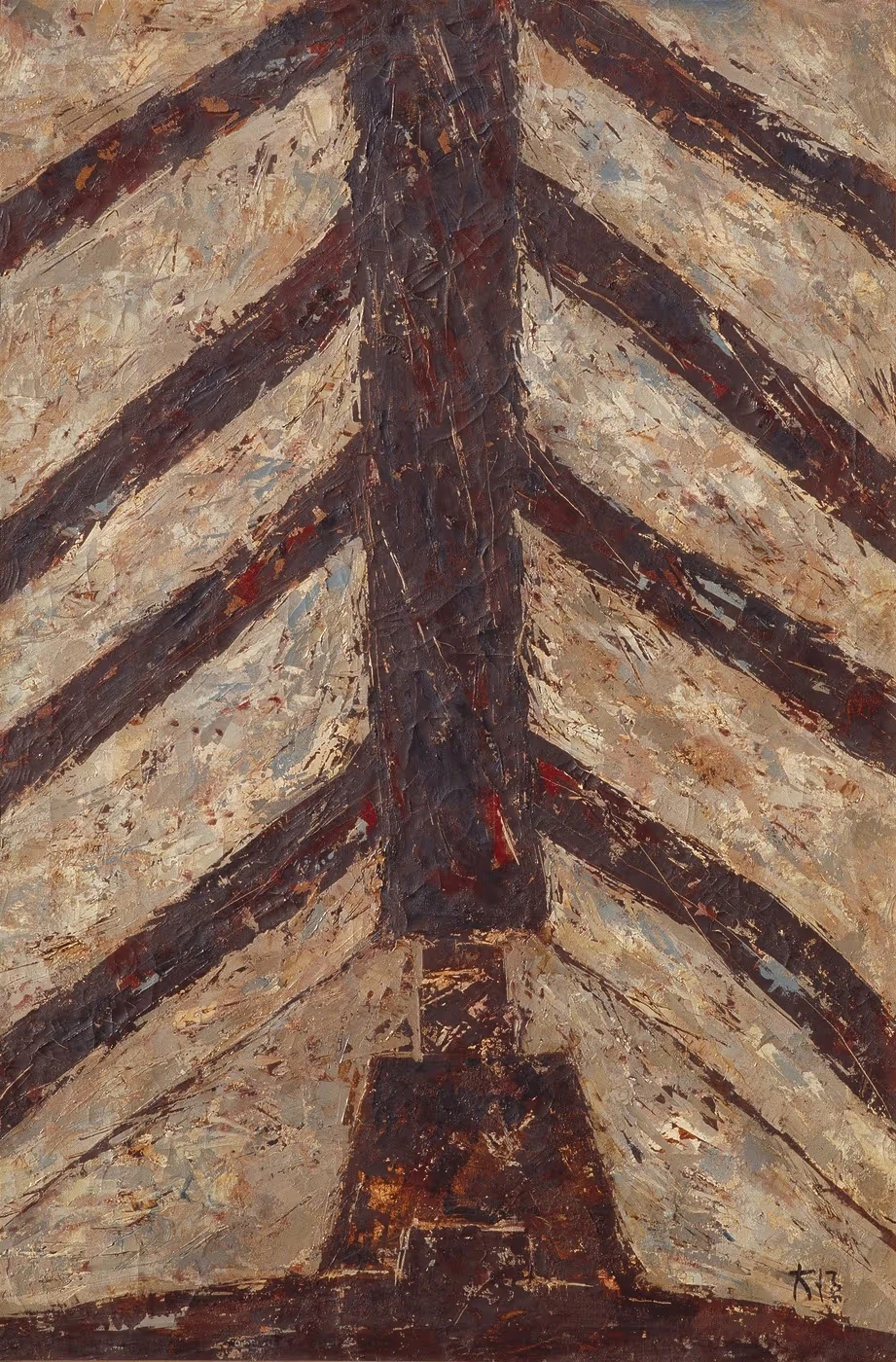
Lee Daiwon Patio, 1961. Image: 국립현대미술관 제공
When looking at an exhibition, you can pay attention to those parts that do not immediately attract the eye, such as the gaps between branches, small spots of color in the background, and how the edges are gathered.
When viewing slows down, brightness becomes not just a color classification, but the way the entire frame is organized.
How to arrange the location, fare and itinerary?
The exhibition is located in exhibition halls 1 to 4 of the MMCA Deoksugung Palace.
The official admission fee for the exhibition is 2,000 won, and the entrance fee to Deoksugung Palace is 1,000 won in addition. The museum is closed on Mondays and has some night arrangements.
You can check this before departure.MMCA official exhibition pageand visit information on the day to avoid mixing the time of the palace and the exhibition hall.
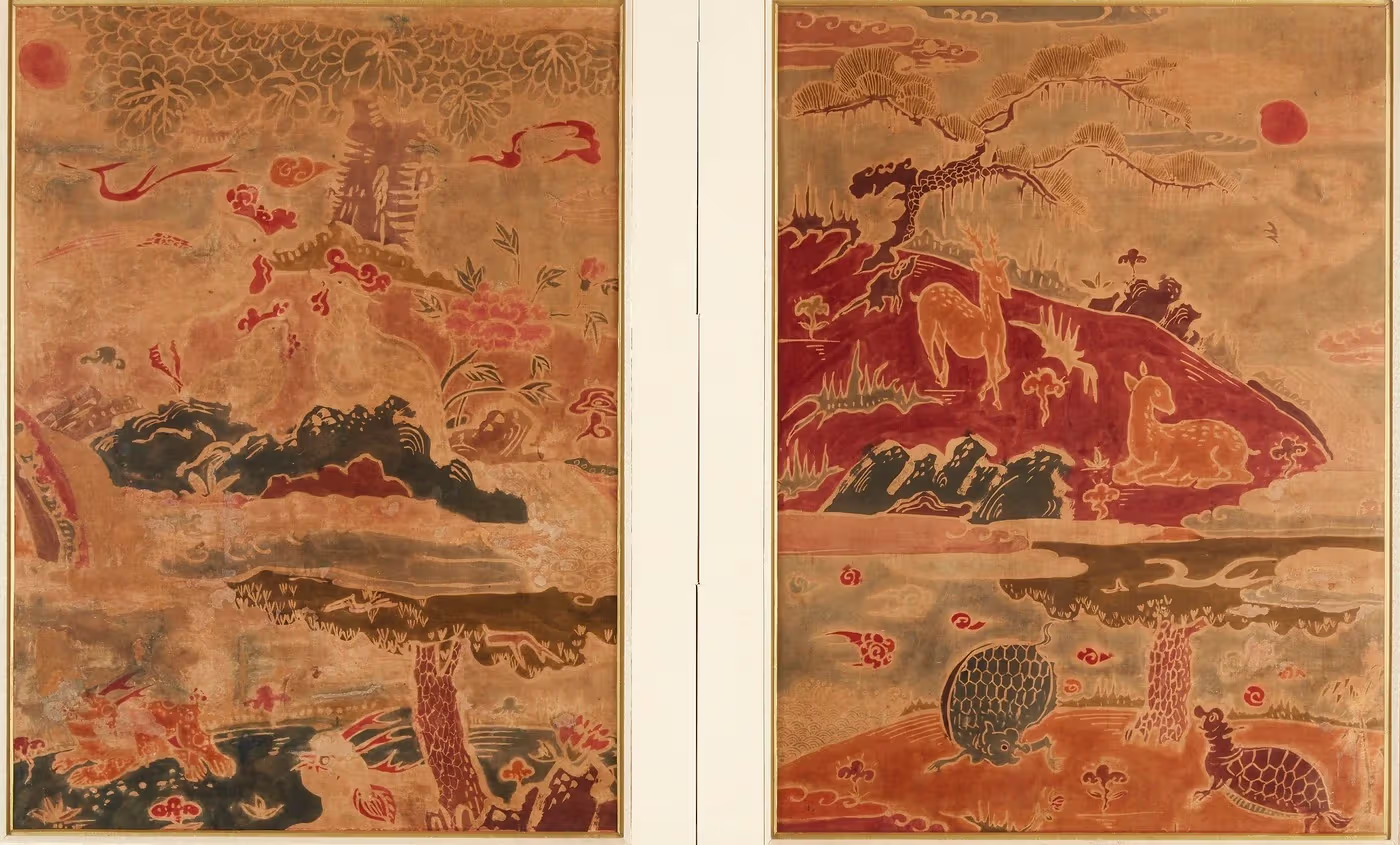
Lee Daiwon’s 1938 dyeing works. Image: 국립현대미술관 제공
This retrospective exhibition is suitable for leaving a section of your Seoul trip for slow viewing.
From farmyards to apple trees to archives, the point is not to rush through each piece but to compare how the same painter continues to re-understand familiar landscapes over decades.