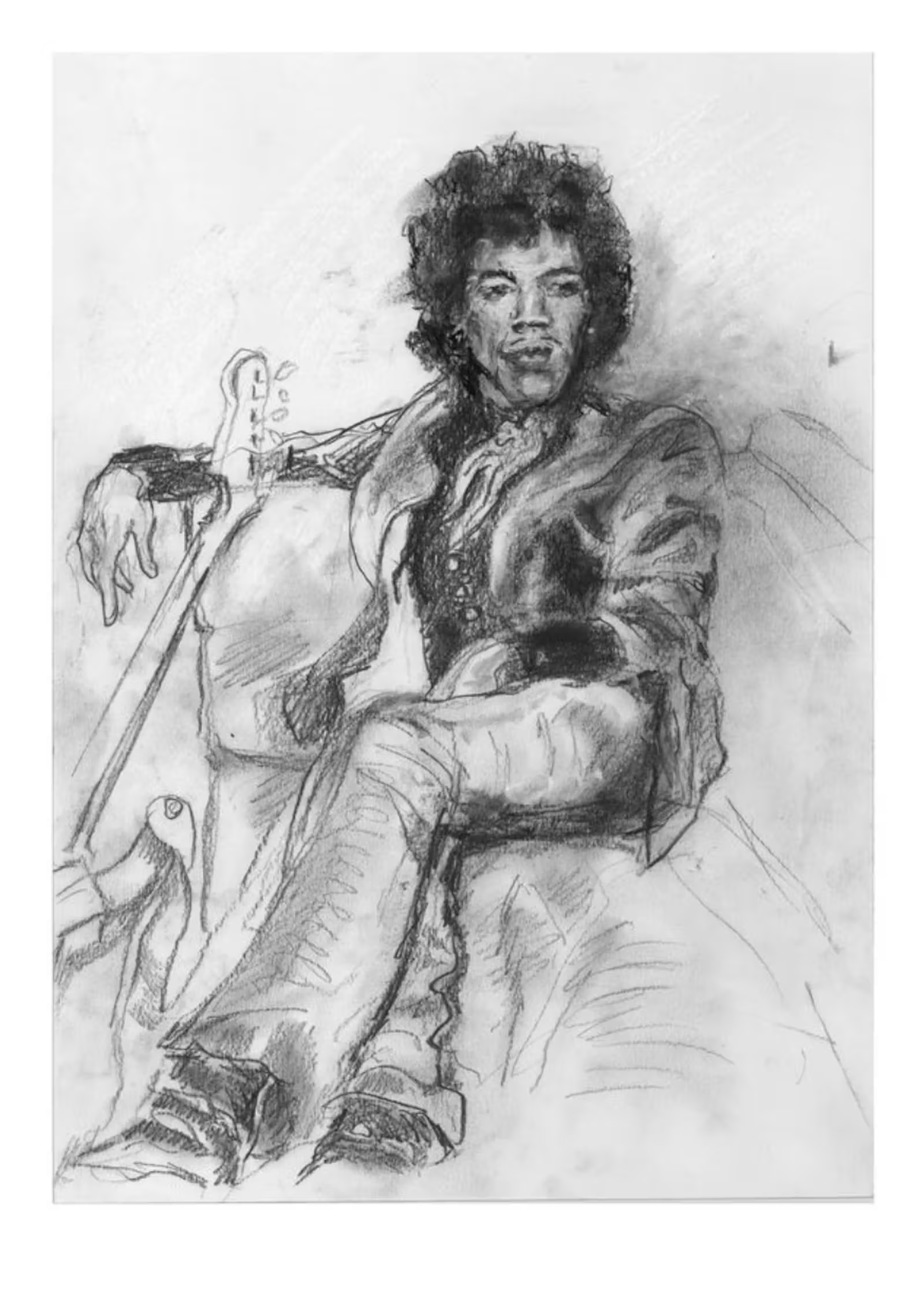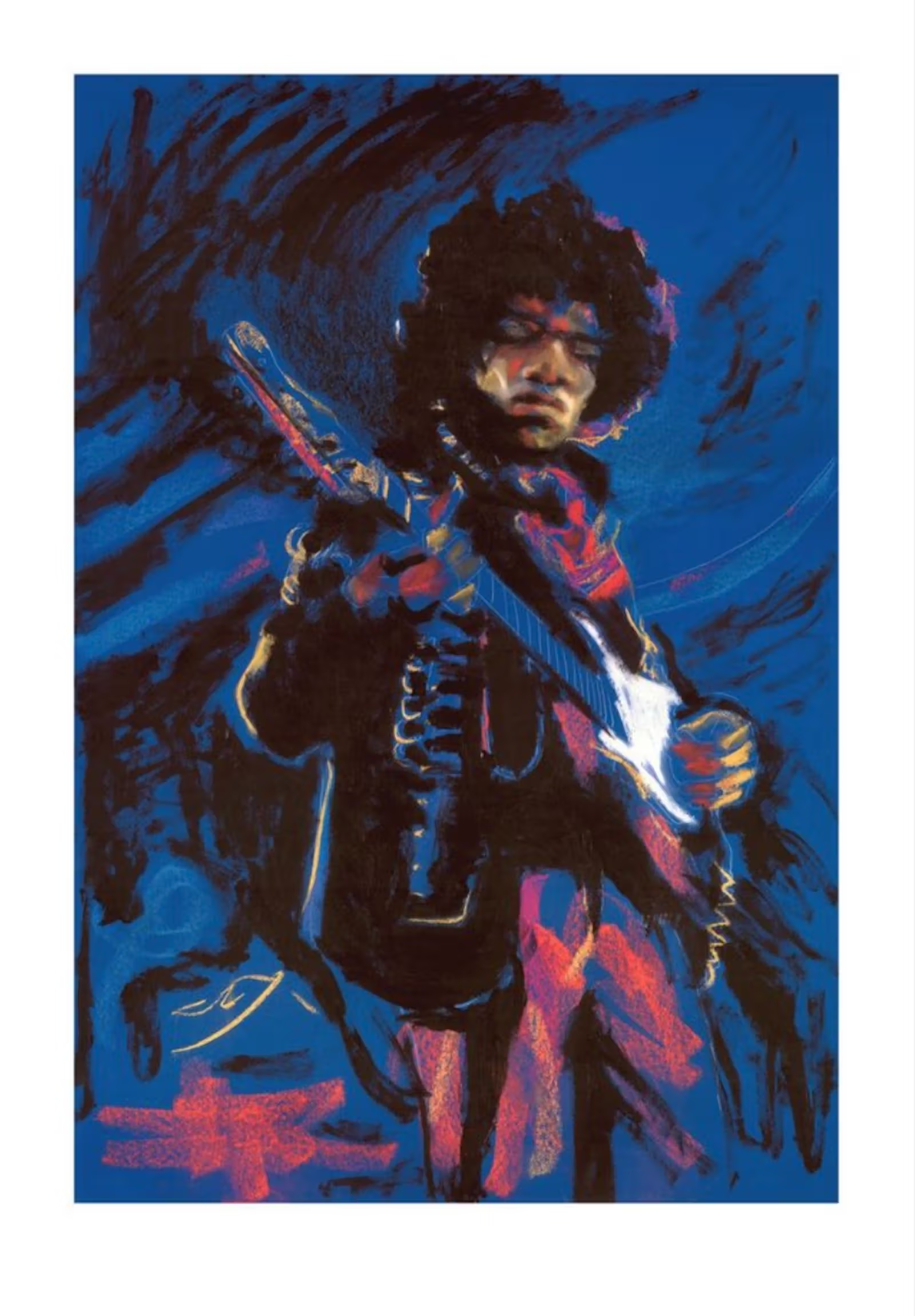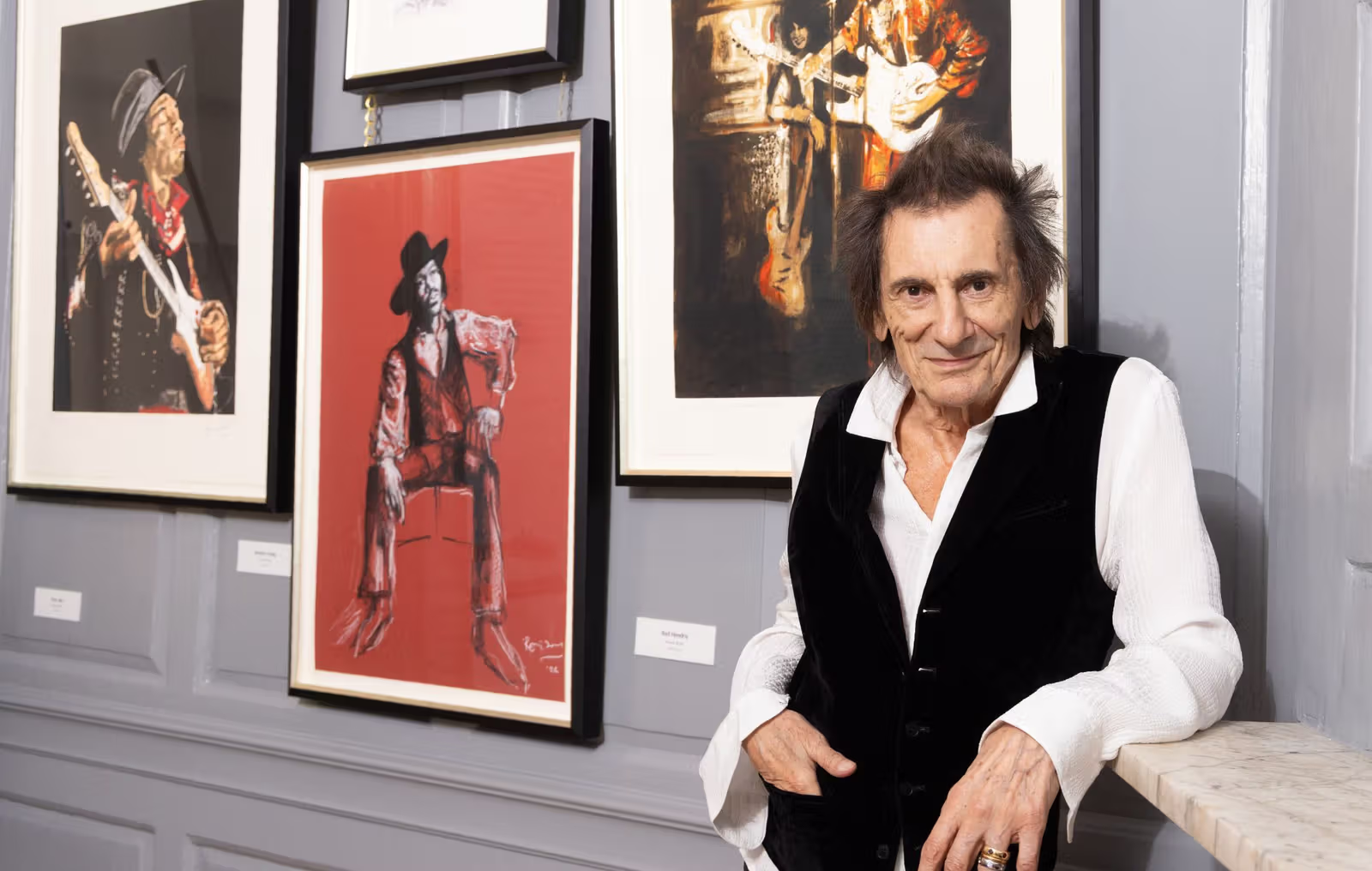
The Jimi Hendrix in these paintings is rarely screaming—more often he's got lowered eyes and a tense expression, as if unsure whether he should even be on that stage. This is the most private side of Hendrix as captured by Ronnie Wood's brush, and it's exactly the angle Wood wants people to see with this exhibition.
The exhibition, titled "Ronnie Wood: The Jimi Hendrix Portraits," is held at Handel Hendrix House—Hendrix's former flat on Brook Street in London's Mayfair, next door to where composer George Frideric Handel once lived some two hundred years earlier. The exhibition is now open and runs through April 11, 2027. Alongside previously revealed paintings and sketches, the show also features two brand-new, never-before-seen Hendrix portraits by Wood.
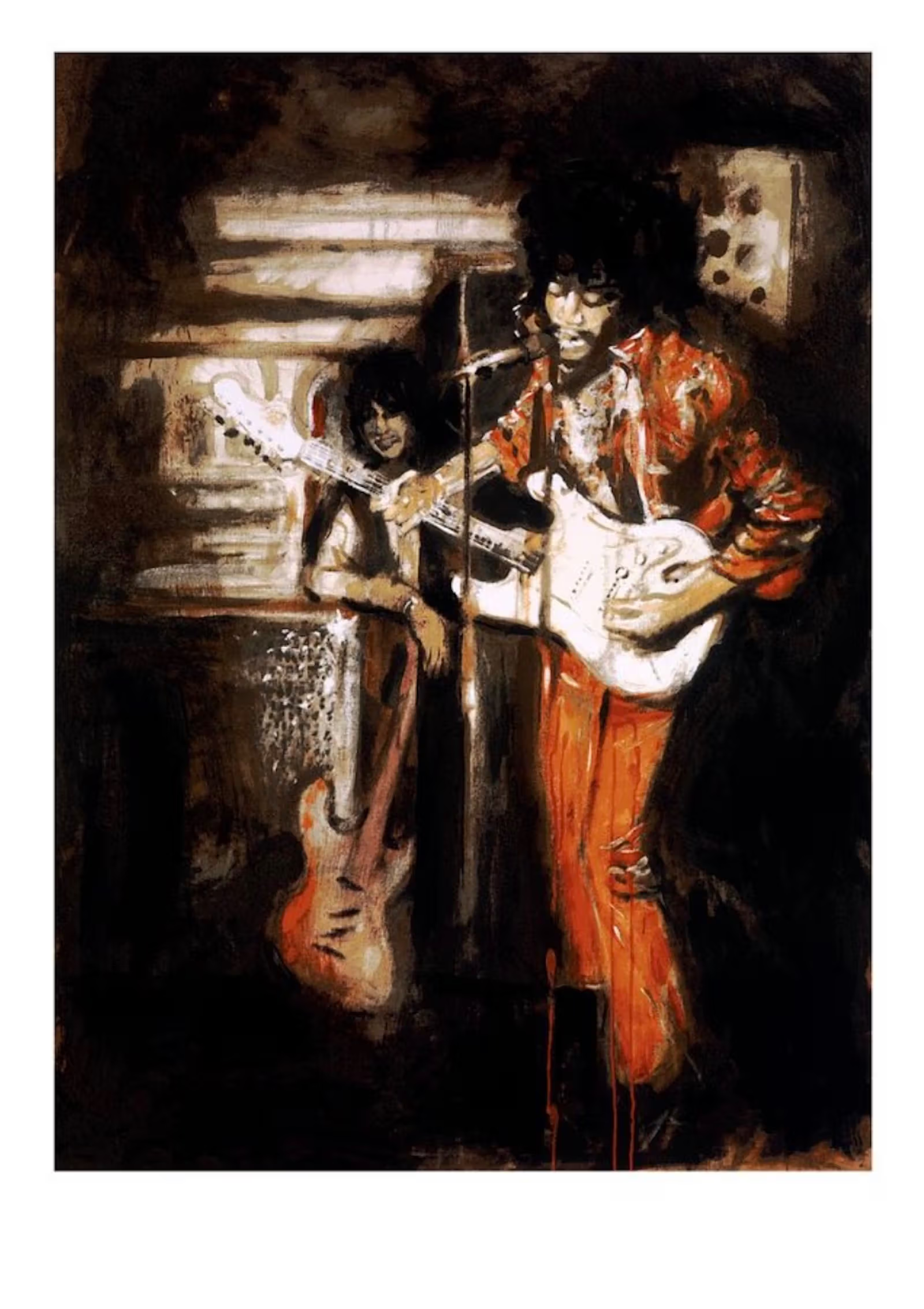
Wood met Hendrix shortly after moving to London in 1966, back when he was playing bass in the Jeff Beck Group, and the two later briefly lived together in Holland Park. "By the time I met him, he was already the name everyone was talking about," Wood told NME. "People like Eric Clapton were saying things like, 'Have you seen this new phenomenon?' Word traveled fast in those circles back then—everyone was saying, 'You've got to check out this new guy in town.'" He still remembers the first time he really talked with Hendrix at The Speakeasy Club in Soho: "He came and sat at my table after his show, and for some reason, he just opened up to me like that."
Rather than the Hendrix of the stage, Wood wants people to know the friend who was "almost like a recluse." "Privately he was really shy, he didn't even like the sound of his own singing voice. I remember he worried about it a lot, and I told him, 'Jimi, you don't need to worry about that... the way you play guitar already makes up for it.' I told him to stop stressing about his singing, because it actually complemented the way he played." He also admitted that Hendrix's face was genuinely hard to paint. "His expressions were so rich—sometimes it flows and sometimes you just can't get the eyes right. But that spirit, that presence, usually comes through in the end."