From $12 Street Stalls to $360 Crab Roe Noodles: Two Ways to Live a Bowl of Noodles in Shanghai
NOMFLUENCE rounds up 13 must-try Shanghai noodle bowls, from late-night fried noodle carts to Crab House's golden crab noodles—a 30x price gap, yet the same city's appetite.
A bowl of noodles for $12, a bowl for $360—a full 30x price gap, yet both go by the same name: "Shanghai noodles." That gap is probably the most honest portrait of what noodle-eating means in this city. The cheap end is late-night sustenance; the expensive end is deliberate indulgence. Both sides stand their ground without apology.
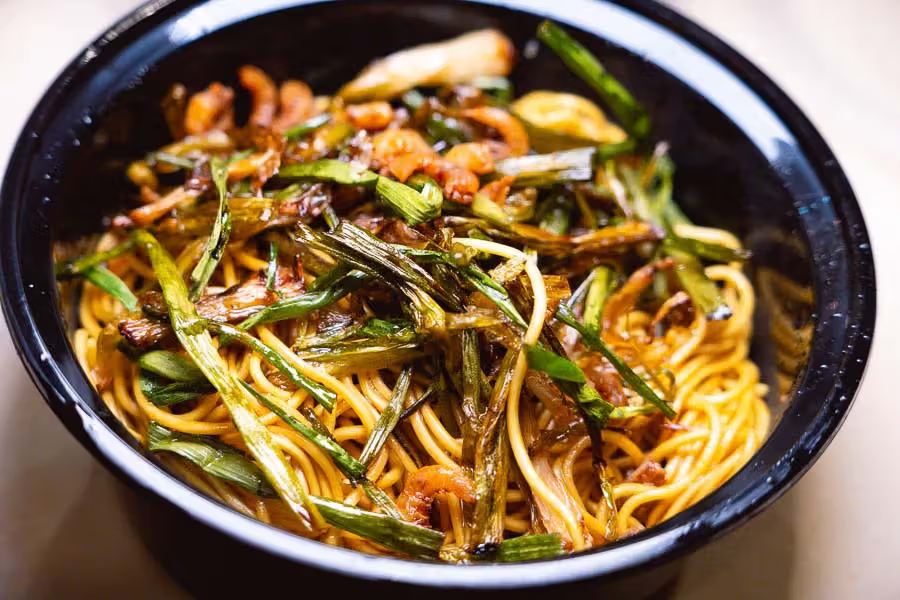
Representing the cheap end is the fried noodle cart that only appears after dark. The stove doesn't fire up until nightfall, noodles get flash-fried in a wok over high heat, and toppings are your call: fried egg, preserved mustard greens, sausage of questionable origin, baby bok choy. Remember to tell the owner "light spice"—otherwise you'll regret it. Zhengyang Beef Noodles at No. 380 Jianguo West Road stays open until 2am, using fresh hand-pressed noodles. A bowl with egg and veggies runs about $12-14. The stall has permanently staked out spots near university gates like Tongji and Fudan, or bar streets—a fixture of the late-night circuit.
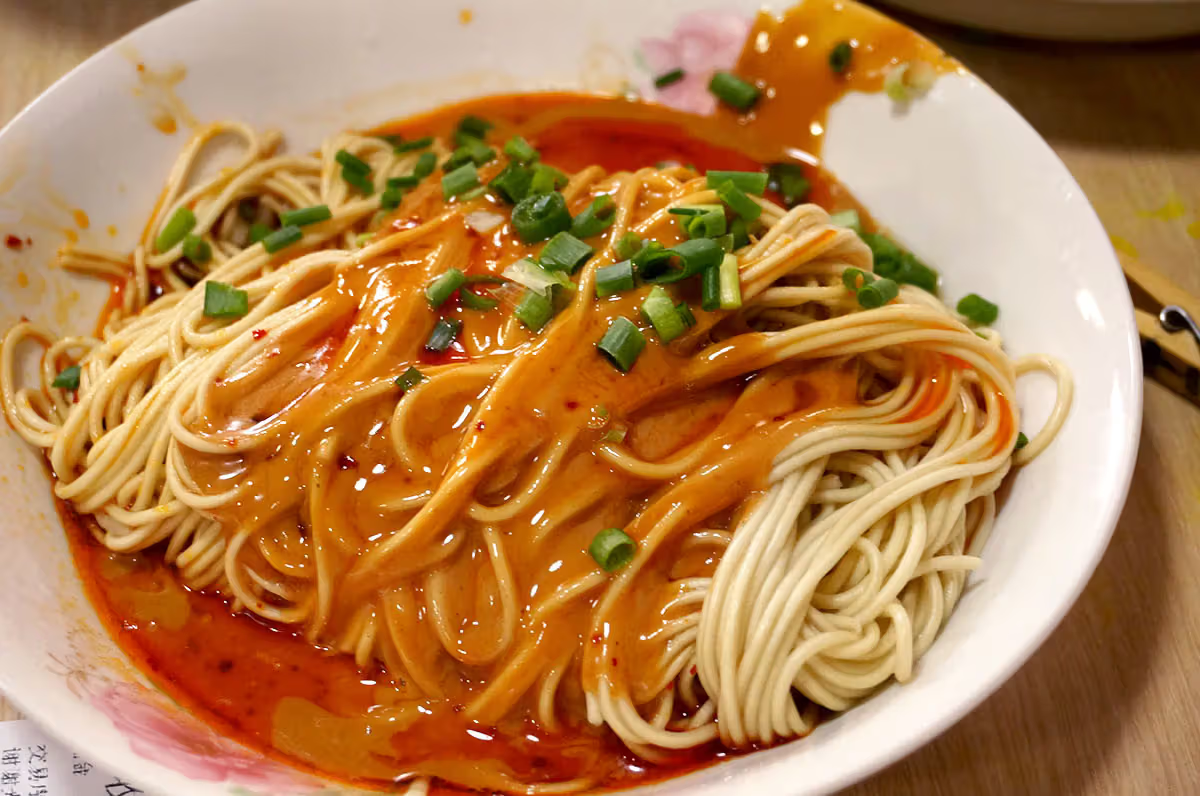
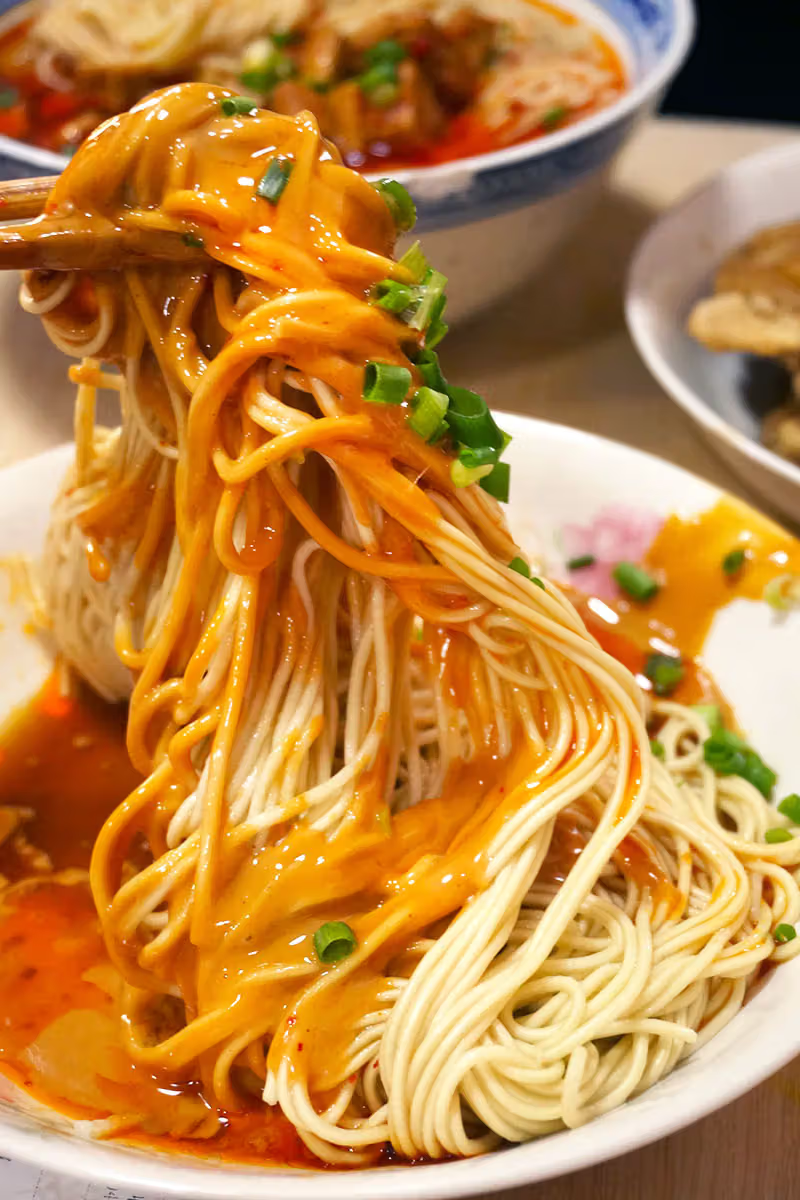
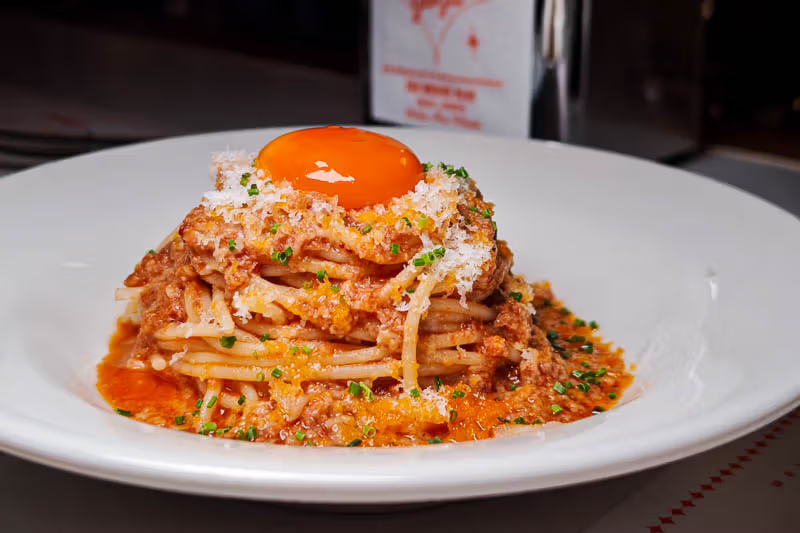
A step up are the old-school institutions that perfected a single bowl. Weixiangzhai, open since 1937, has survived nearly ninety years on a $14 bowl of sesame paste noodles—sesame paste and peanut paste mixed at a 7:3 ratio, finished with hot oil for aroma, then tossed with chili oil made from fermented bean paste. Getting a seat means learning to "stand guard," eyeing which table is about to finish. Locals add a splash of vinegar when eating—it makes the noodles silkier, a distinctly Shanghai move. Paired with a fried pork cutlet ($13), it's the house standard combo.
Pork intestine noodles take a different path—those who love it treasure it, those who don't won't touch it. Dachang Noodles has held its ground in this category for over thirty years, washing pig intestines snow-white then braising them until tender. It recently moved into a new air-conditioned space, but the crowds haven't thinned. The signature Dachang Noodles ($36) comes with fried shredded pork, braised gluten, wood ear mushroom, and preserved mustard greens. Go early—before 11am guarantees a seat—and during the peak of summer heat, the shop simply closes, a shared understanding among Shanghai's small noodle joints.
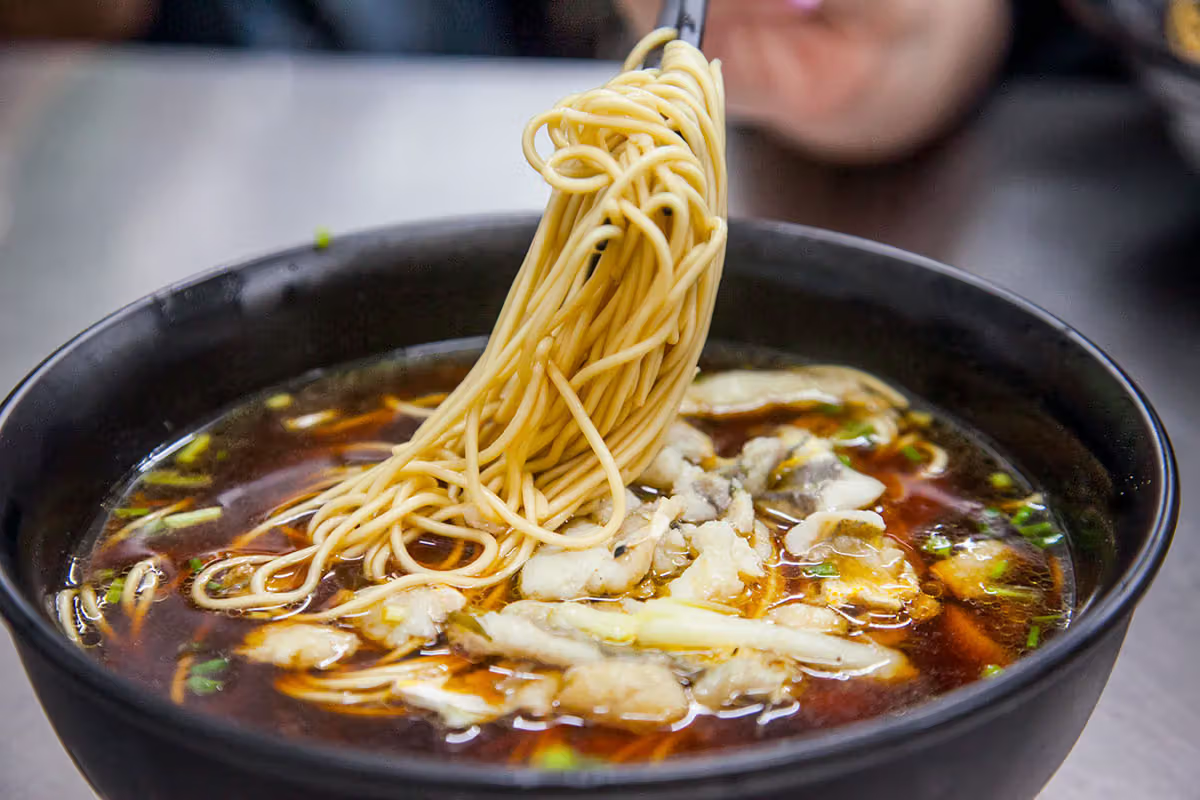
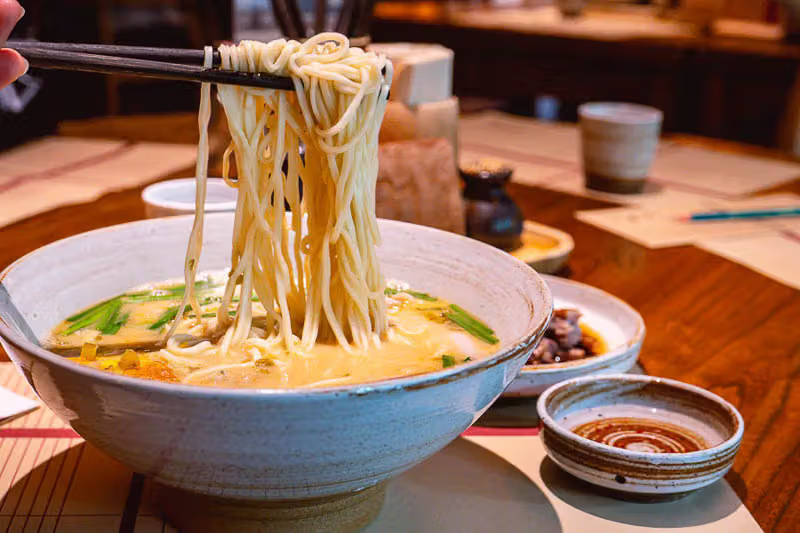
Yellow croaker noodles span a much wider price range. Rongjia Yellow Croaker Noodles, a sister brand of Xin Rong Ji, simmers fish bones until the broth turns milky and rich, served with boneless fish fillets and noodles for $138—pricey, but justifiably so. Ding Te Le Congee & Noodles, tucked in an alley off Huaihai Middle Road, takes a different approach—open 24 hours, its preserved mustard green and yellow croaker noodles use fried fish. When the soup arrives, don't rush to eat—let the noodles soak in the broth a bit first; the texture changes for the better.
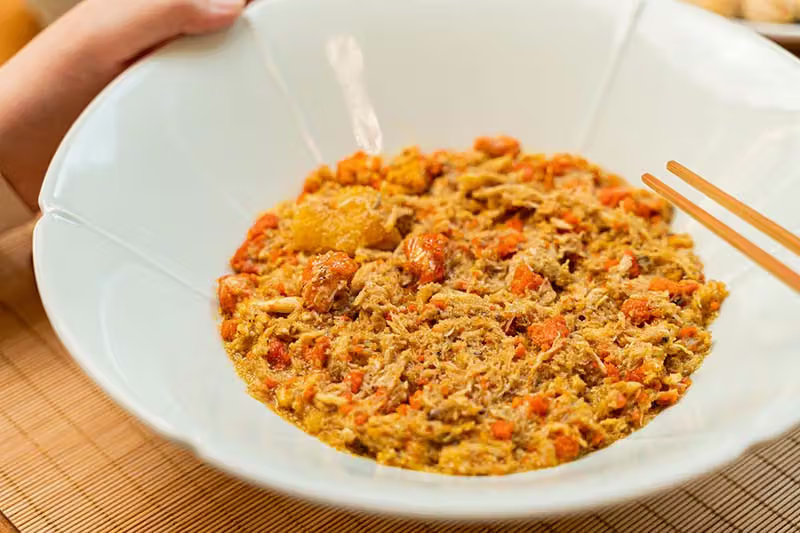
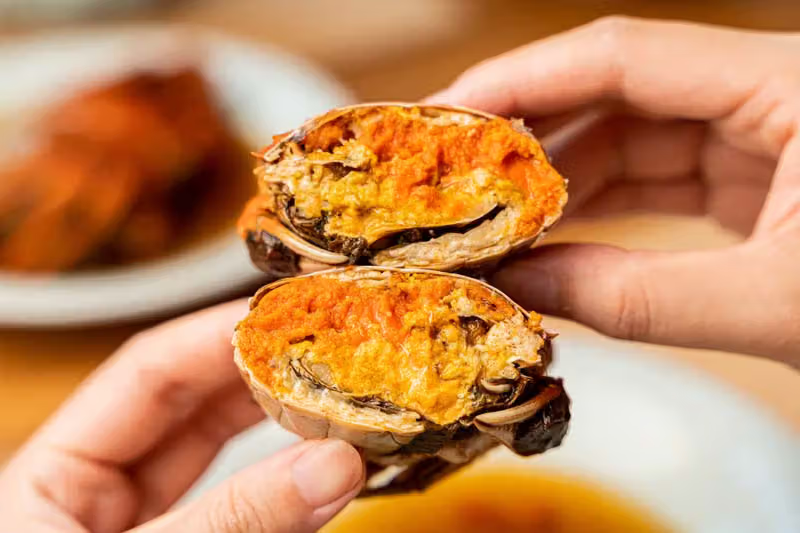
The price ceiling belongs to crab roe noodles. Crab House, founded in 2010, raises its own crabs by Yangcheng Lake and runs its own processing facility, keeping both quality and cost in-house. The signature Golden Crab Roe Noodles run $360 a bowl, piled with meat and roe picked from roughly a dozen male and female crabs, glistening golden on top. Yes, it's expensive, and yes, it carries a whiff of tourist appeal—but picking crab is genuinely labor-intensive work. What you're really paying for is the hands you didn't have to use.
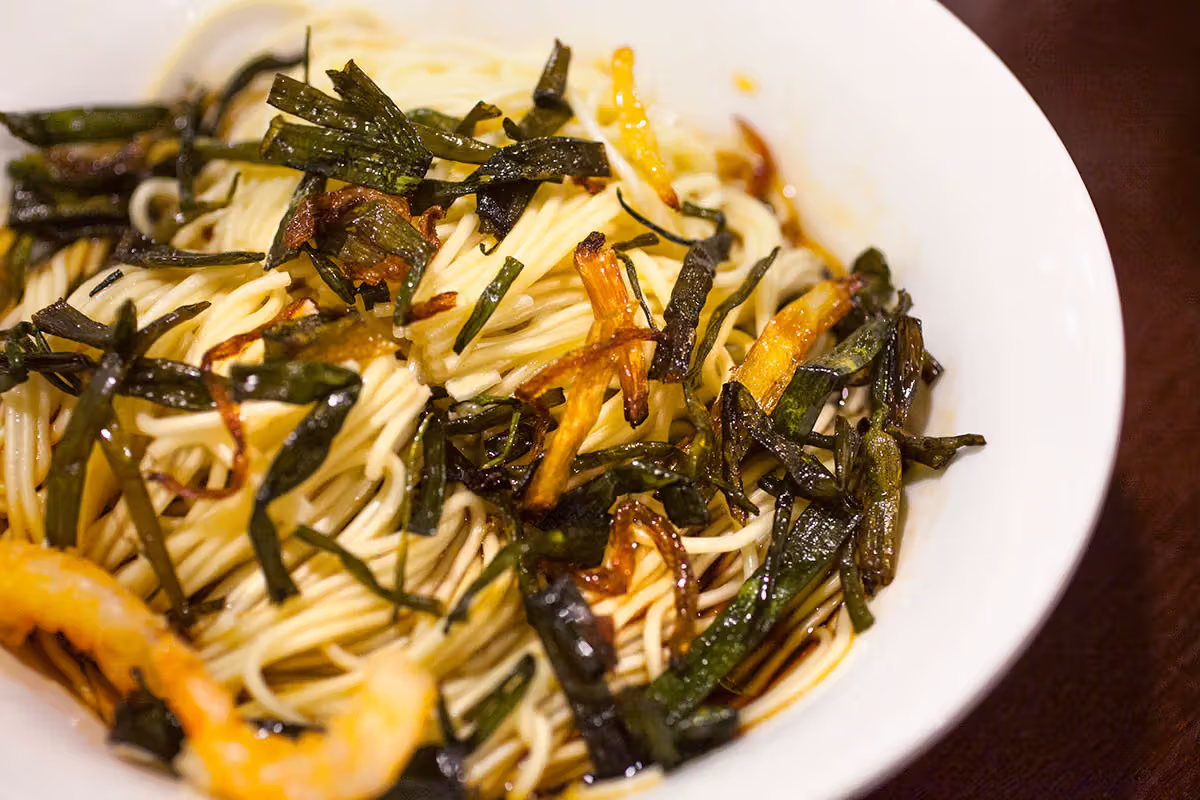
Yangchun noodles should theoretically be the cheapest item on this list—scallions, lard, soy sauce, clear broth, simple enough that there's nowhere to hide mediocrity. But Yiguihe Noodle House in the old city insists on making it pricier: $29 a bowl, with house-made noodles and dark soy sauce. Locals both resent and love it—they complain it's expensive, yet keep coming back. The cold noodles at the same shop follow the same logic—peanut sauce base with house-made dark soy sauce, add gluten or a fried egg for $7 each. Perfect for summer.
Sichuan noodles also hold their own turf in Shanghai. At Liu Tang Men, dan dan noodles run $22, sweet water noodles $16—the latter a lesser-known Sichuan snack, with thicker, chewier noodles tossed in sweet soy sauce, chili oil, and crushed peanuts, delivering a sweet-savory back-and-forth. Portions are small, making it a good appetizer before diving into something spicier.
The information and prices above are from NOMFLUENCE's Shanghai Noodle Guide, published July 2026. Actual availability and pricing may vary—please check with individual restaurants.