Tretinoin Plus Azelaic Acid Is Blowing Up on TikTok—And Dermatologists Are Actually on Board This Time
The tretinoin-azelaic acid combo has gone viral on TikTok, but according to beauty outlet Allure, dermatologists in New York and Beverly Hills say it's actually a decades-old pairing used in-office—it's just that the proper order of application hasn't been made clear.
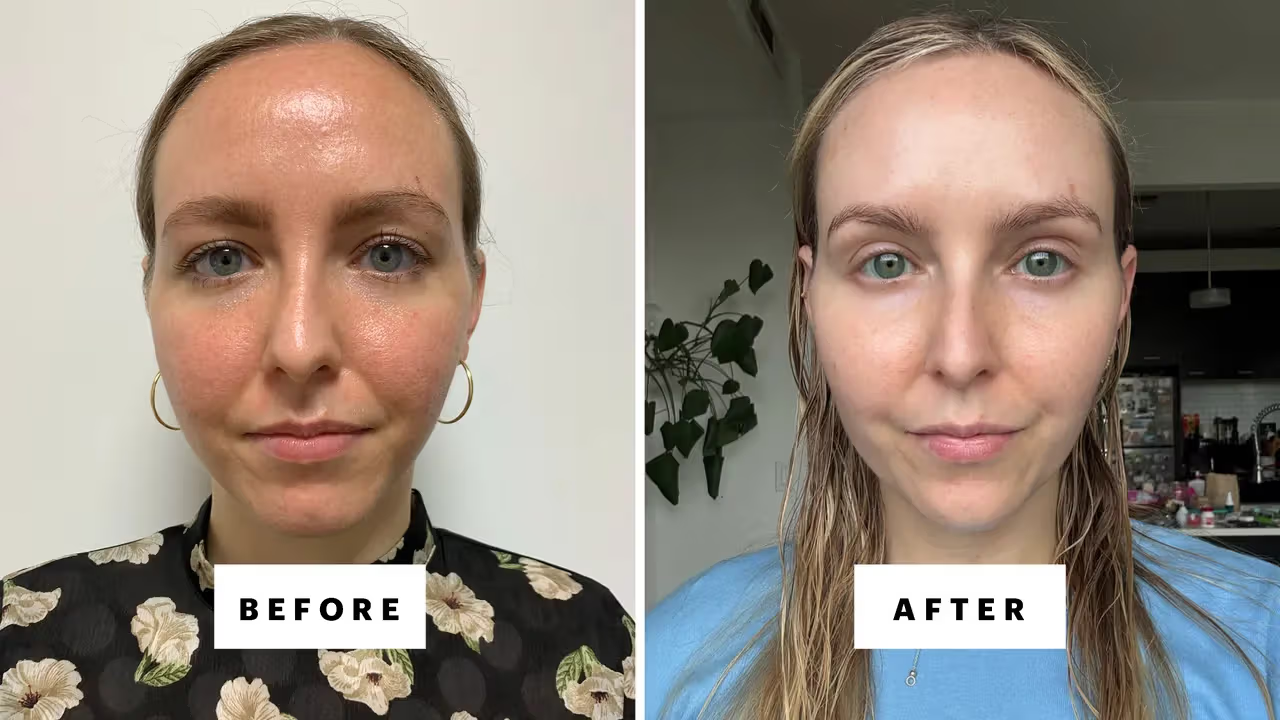
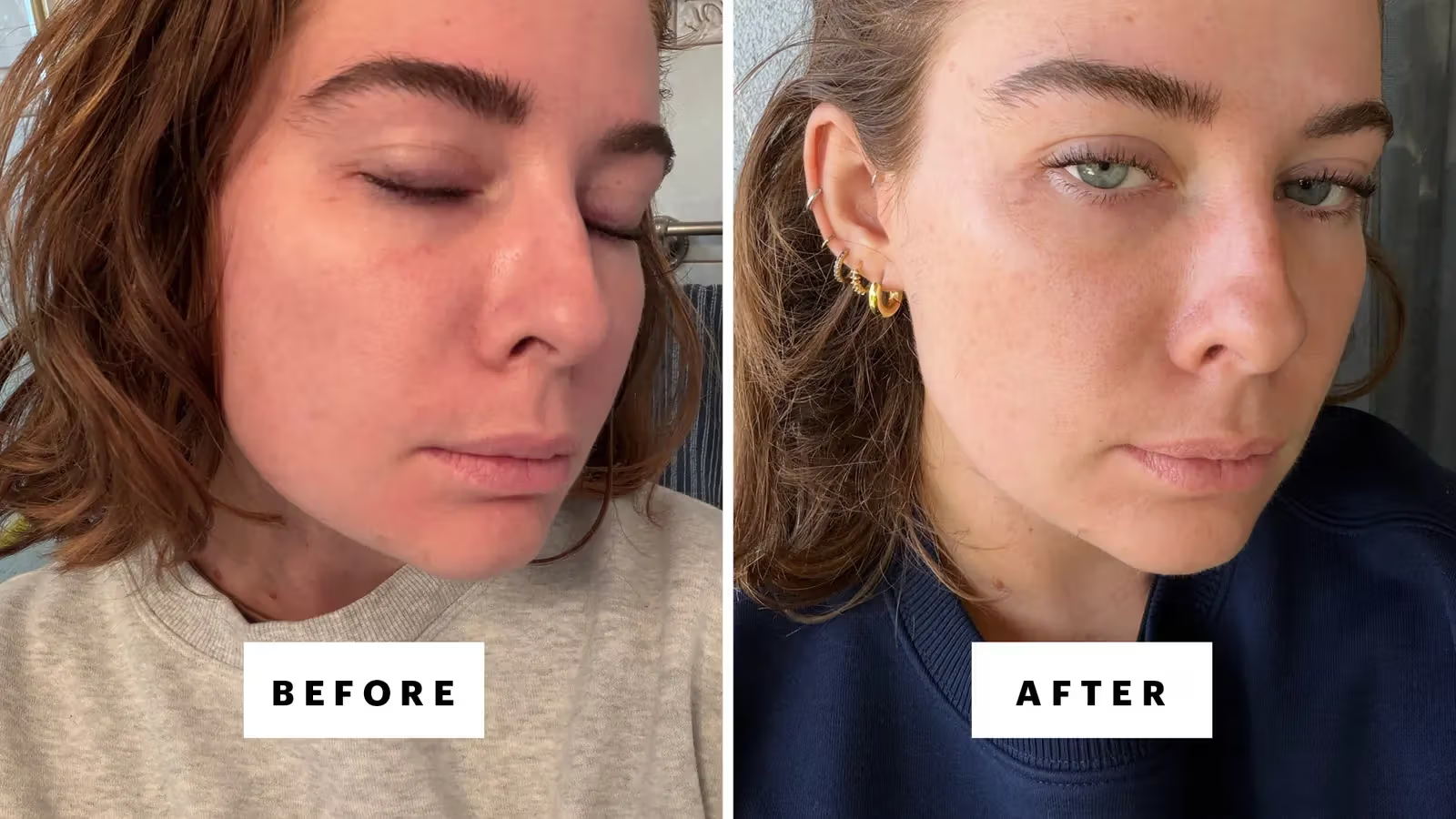
Few skincare hacks on TikTok earn a dermatologist's stamp of approval, but the tretinoin and azelaic acid combo is an exception. According to Allure, Beverly Hills dermatologist Dr. Jessica Wu describes the pairing as "like cardio plus strength training"—many patients find tretinoin alone hard to tolerate, while azelaic acid can simultaneously tackle acne, pigmentation, and redness, making it suitable for a wide range of skin concerns. "But the order matters, or you'll just end up with more irritation," she says.
Tretinoin is a prescription-strength vitamin A derivative and currently the only retinoid approved to treat signs of aging; over-the-counter retinol is its gentler, more accessible cousin. New York dermatologist Dr. Connie Yang notes that tretinoin is the gold standard for treating acne and one of the most well-researched anti-photoaging ingredients, capable of improving fine lines, uneven pigmentation, and overall skin texture. It works by binding to retinoic acid receptors in the skin, accelerating cell turnover and stimulating collagen production. Dermatologist Dr. Julie Russak adds that the irritation commonly associated with tretinoin isn't actually damage—it's the skin being pushed to turn over faster than usual—and typically subsides within a few weeks.
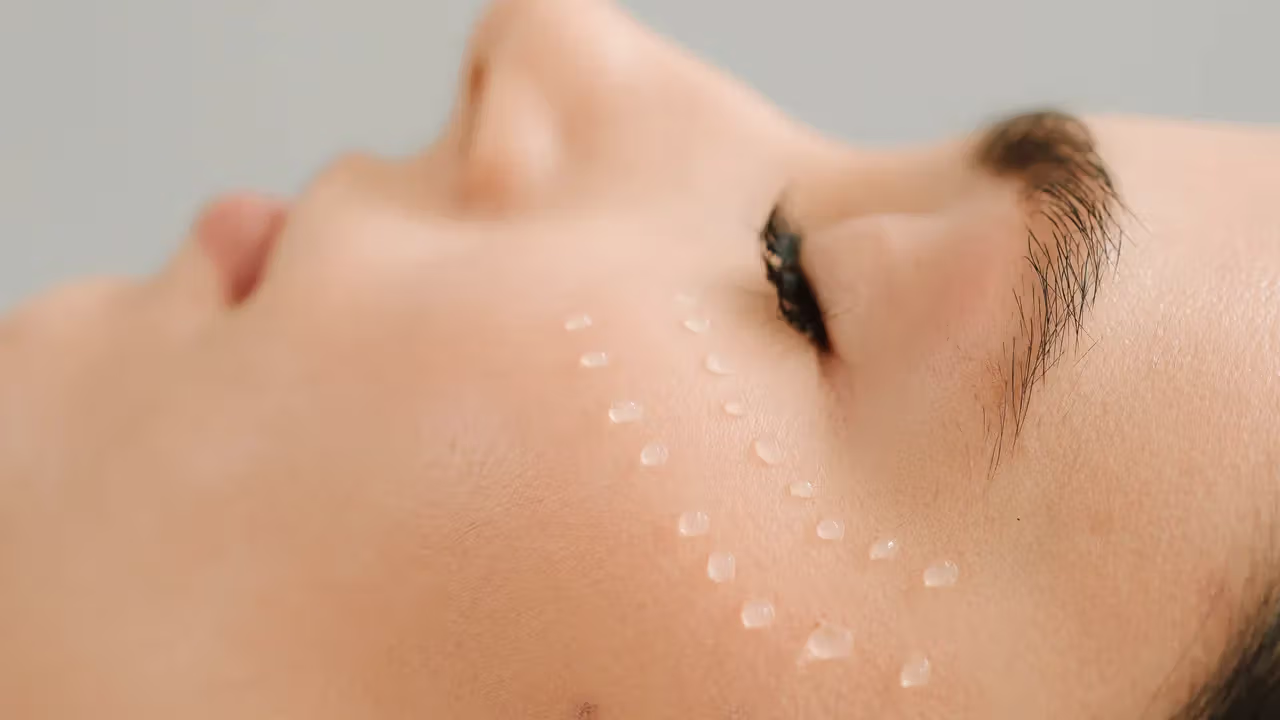
Azelaic acid, on the other hand, is a naturally occurring dicarboxylic acid. Over-the-counter versions typically come in concentrations under 10%, while prescription formulations like Finacea and Azelex are available at 15% and 20%. Dr. Yang calls it a multitasking ingredient: it fights acne, reduces inflammation, fades post-inflammatory hyperpigmentation, calms redness, and targets Cutibacterium acnes bacteria. It's also one of the few topical skincare ingredients widely considered safe during pregnancy—unlike tretinoin, which is typically off-limits due to concerns about birth defects.
Where the two complement each other
Dr. Wu explains that tretinoin accelerates skin turnover but doesn't have antibacterial properties—which is exactly the gap azelaic acid fills. Conversely, azelaic acid doesn't stimulate collagen production, while tretinoin does. When it comes to pigmentation, Connecticut-based dermatologist Dr. Mona Gohara puts it more concretely: "Azelaic acid is like turning down the faucet on excess pigment production, while tretinoin more efficiently clears out the pigment that's already there." The two intervene in hyperpigmentation at different stages, making their effects complementary. Russak also notes that azelaic acid's anti-inflammatory properties can help soothe some of the irritation caused by tretinoin.
That said, Russak admits that clinical evidence specifically on combining the two ingredients remains limited—most of the support comes from long-term research and clinical experience with each ingredient individually. She points out that the American Academy of Dermatology's 2024 treatment guidelines recognize both ingredients separately, and an expert Delphi consensus goes further, recommending topical tretinoin as first-line treatment with azelaic acid as an adjunct for post-acne hyperpigmentation. Cosmetic chemist Krupa Koestline explains that the two don't chemically react or deactivate each other—unlike benzoyl peroxide, which oxidizes and breaks down tretinoin.
How to layer them without irritation
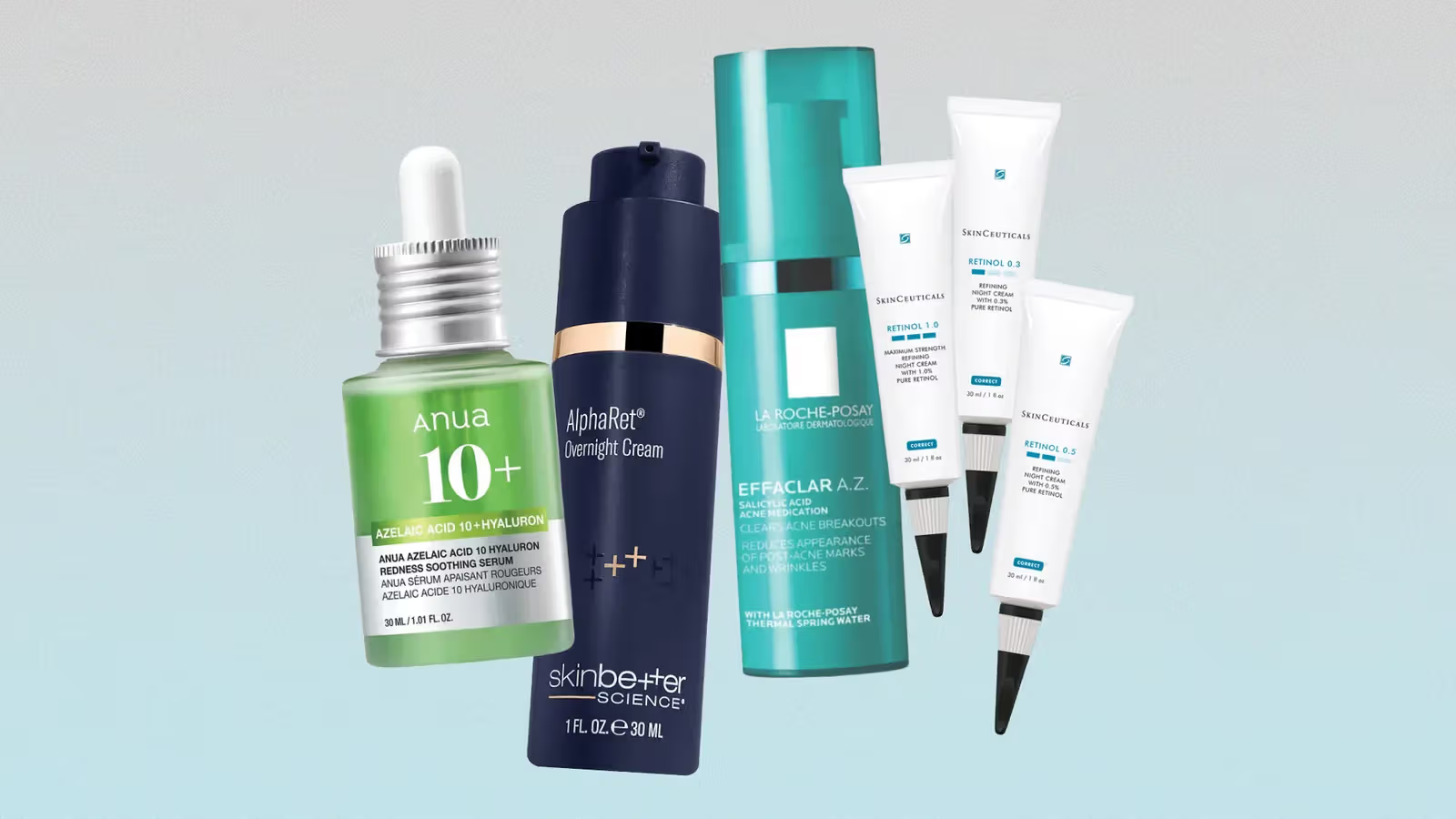
Dr. Wu suggests that those with sensitive skin start with azelaic acid first, since skin usually needs about a month to adjust. If the goal is addressing blackheads and clogged pores, start with tretinoin at night on Mondays and Fridays; if there's no irritation after two weeks, gradually introduce azelaic acid. Once skin has fully adjusted, most dermatologists recommend azelaic acid in the morning and tretinoin at night. If layering both at once, the thinner azelaic acid gel should go on first, followed by the tretinoin cream on top—and tretinoin should only be used at night, with diligent sunscreen use during the day. Koestline recommends starting tretinoin at a low concentration of 0.025%, while azelaic acid can begin at an over-the-counter strength of 10%. Dr. Yang also mentions accessible over-the-counter options like Anua's Azelaic Acid Serum, La Roche-Posay's Effaclar A.Z. gel, or encapsulated retinol products from Skinbetter Science and SkinCeuticals as gradual alternatives to prescription options. Dermatologists advise that if the skin barrier shows noticeable redness or flaking, one of the two products should be paused and the routine reassessed.