Hydration Isn't the Same as Moisturizing: Dermatologists Break Down the New Skincare Order for Mature Skin
Vogue spoke with two dermatologists to unpack the fundamental difference between hydration and moisturizing, explaining why mature skin needs both, the correct application order, and which key ingredients to look for.
Dermatologist Jessie Cheung describes the core logic of skincare like this: hydration is like a "reservoir," while moisturizing is like a "dam." This analogy comes from a Vogue interview, and it neatly untangles two steps that are often lumped together—hydration supplies water, moisturizing locks in oils, and each handles a different job.
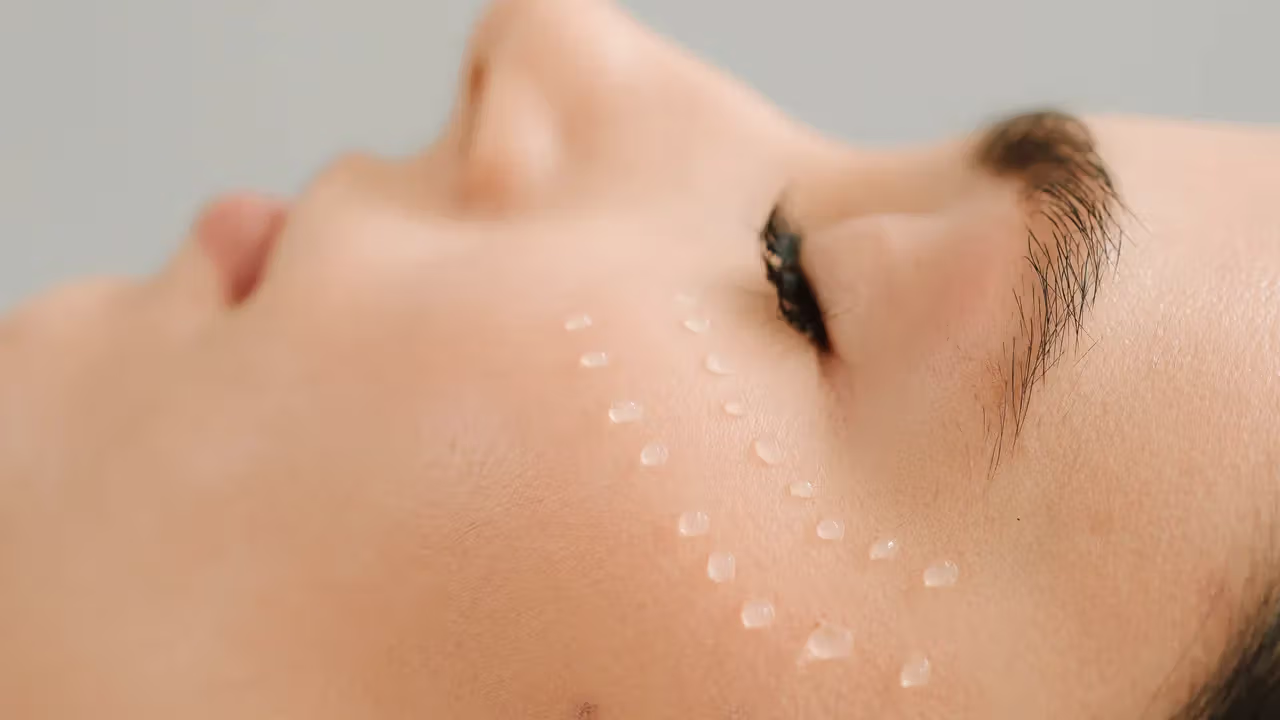
According to Cheung, hydration is about boosting skin's water content, relying on humectants like hyaluronic acid and glycerin to help skin draw in and hold onto moisture. Moisturizing, on the other hand, reinforces the lipid structure of the skin barrier to prevent water from evaporating. That's why serums are typically formulated to hydrate while creams handle moisturizing—lightweight serums penetrate easily, while thicker creams form a physical barrier on the surface.
The Double Loss Mature Skin Faces
Both of these processes become more urgent as we age. Cheung notes that skin produces less of its own hyaluronic acid and natural moisturizing factors over time, weakening its ability to retain water. At the same time, the skin's lipid barrier thins and ceramide levels drop, making it easier for moisture to evaporate from the skin's surface. She describes mature skin as facing a "double hit"—declining water retention paired with a leaky barrier.
Jenna Queller, a dermatologist in Boca Raton, Florida, adds that collagen and elastin production also decline with age, slowing skin's natural repair process. These changes show up as dryness, rough texture, fine lines, and the loss of the plump firmness that comes with well-hydrated skin. She also points out that fluctuating—and eventually declining—estrogen levels around menopause further affect the production of hyaluronic acid, barrier lipids, and collagen, making it clear why relying on hydration or moisturizing alone falls short. Cheung's advice is straightforward: fill the reservoir and reinforce the dam at the same time.
Hydrate First, Then Moisturize—Ingredients Are Key
Queller recommends applying a hydrating serum to slightly damp skin first, then layering a cream on top to seal in moisture and reinforce the barrier. When it comes to hydrating ingredients, hyaluronic acid, glycerin, and polyglutamic acid are all "water-binding" agents that hold moisture at the skin's surface, delivering an immediate plumping, smoothing effect. Cheung notes that formulation details matter too—low molecular weight hyaluronic acid penetrates deeper, while high molecular weight hyaluronic acid sits on the surface for instant plumpness; she prefers formulas that layer both. Polyglutamic acid, meanwhile, locks in moisture at the surface while forming a light film.
For moisturizing ingredients, both dermatologists most recommend ceramides, cholesterol, and fatty acids—the three natural building blocks of the skin barrier. Cheung describes them as "the mortar between the bricks," which gradually diminishes with age. Squalane is another popular choice because it closely resembles skin's natural sebum, absorbing quickly without feeling greasy; fatty alcohols like cetearyl alcohol help fill in gaps between cells and replenish the lipid environment.
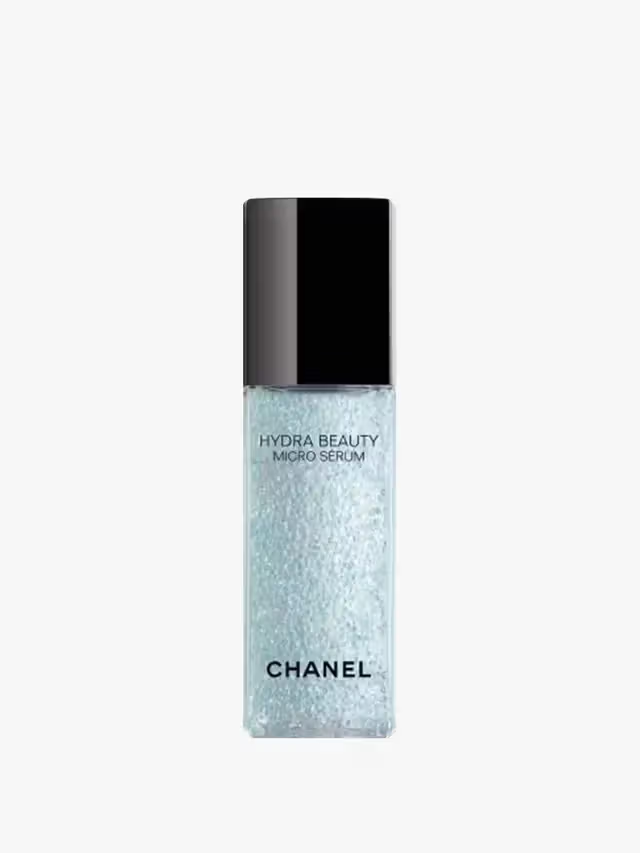
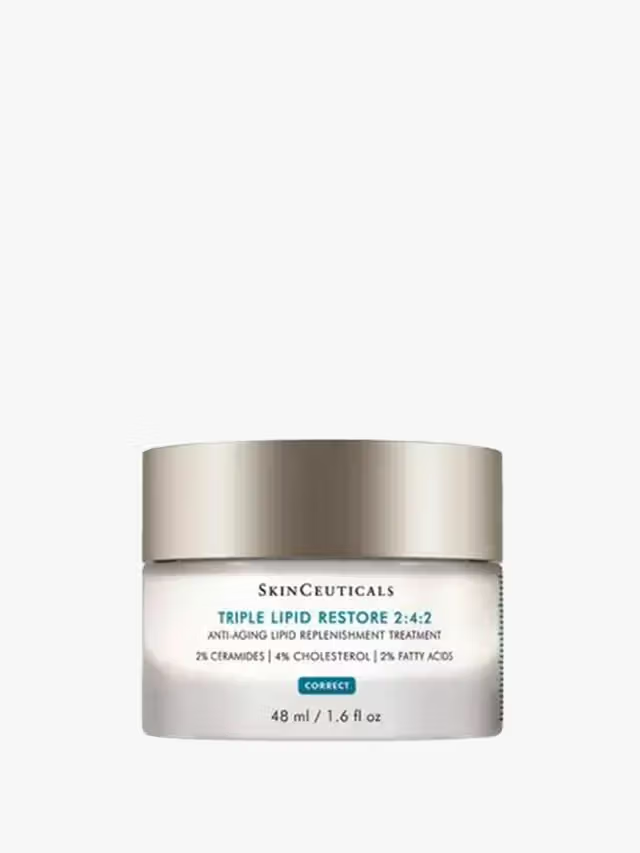
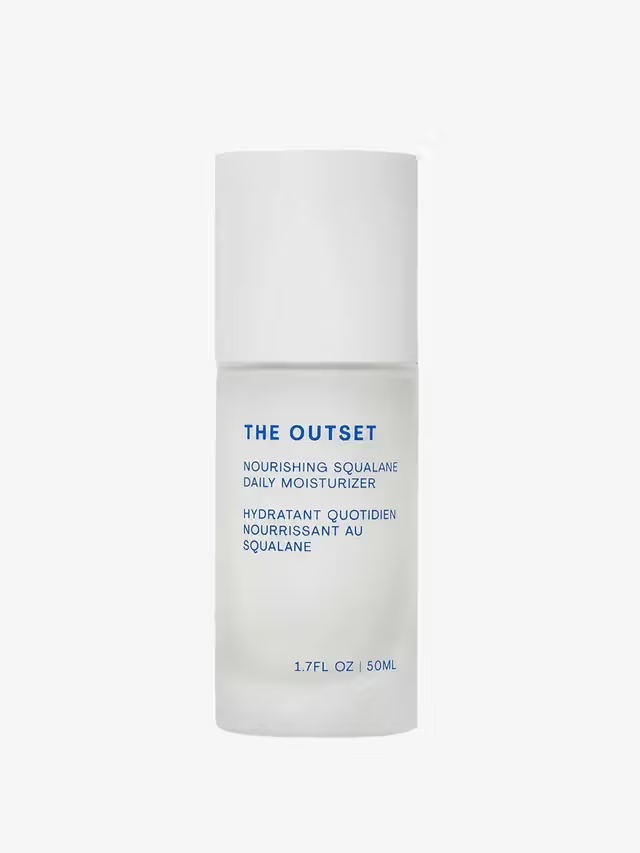
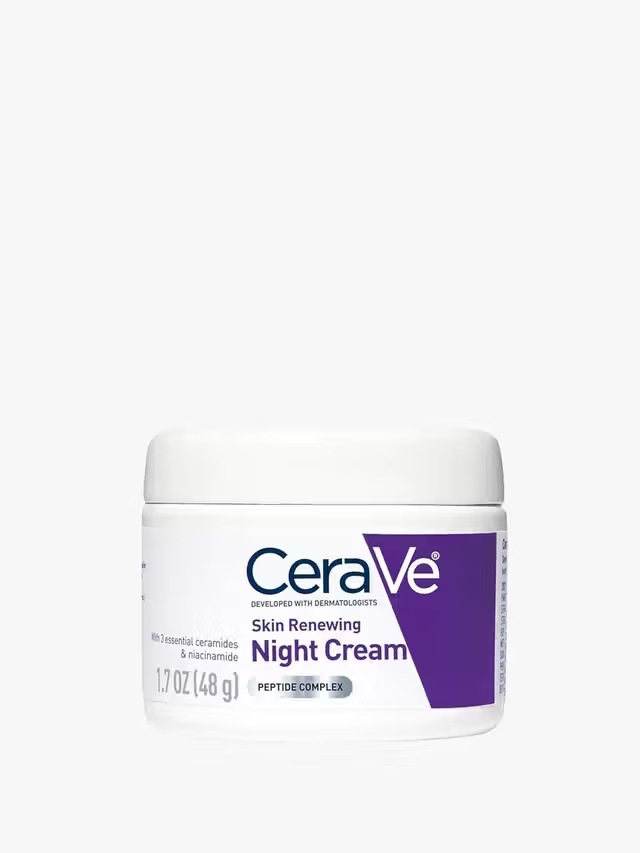
Many products on the market cover both hydration and moisturizing at once—panthenol, urea, and beta-glucan all serve dual functions. Both dermatologists mention La Roche-Posay Toleriane Double Repair Face Moisturizer ($25), which combines glycerin and ceramides in a lightweight yet sufficiently moisturizing formula, ideal for daytime wear under makeup. For nighttime, consider CeraVe Skin Renewing Night Cream ($22), which contains both ceramides and hyaluronic acid. As for single-focus products, Chanel Hydra Beauty Micro Sérum ($115) and Laneige Water Bank Blue Hyaluronic Serum ($36) lean toward hydration, while SkinCeuticals Triple Lipid Restore 2:4:2 ($155) and The Outset Nourishing Squalane Daily Moisturizer ($44) represent the moisturizing camp.
The article does not mention Taiwan pricing or availability—readers interested in these products should check brand websites or beauty retail platforms for the latest information.