Fawn-Print Nails Are Having a Moment: The Gentle Wildness of Milk Tea Brown and Hand-Painted Dots
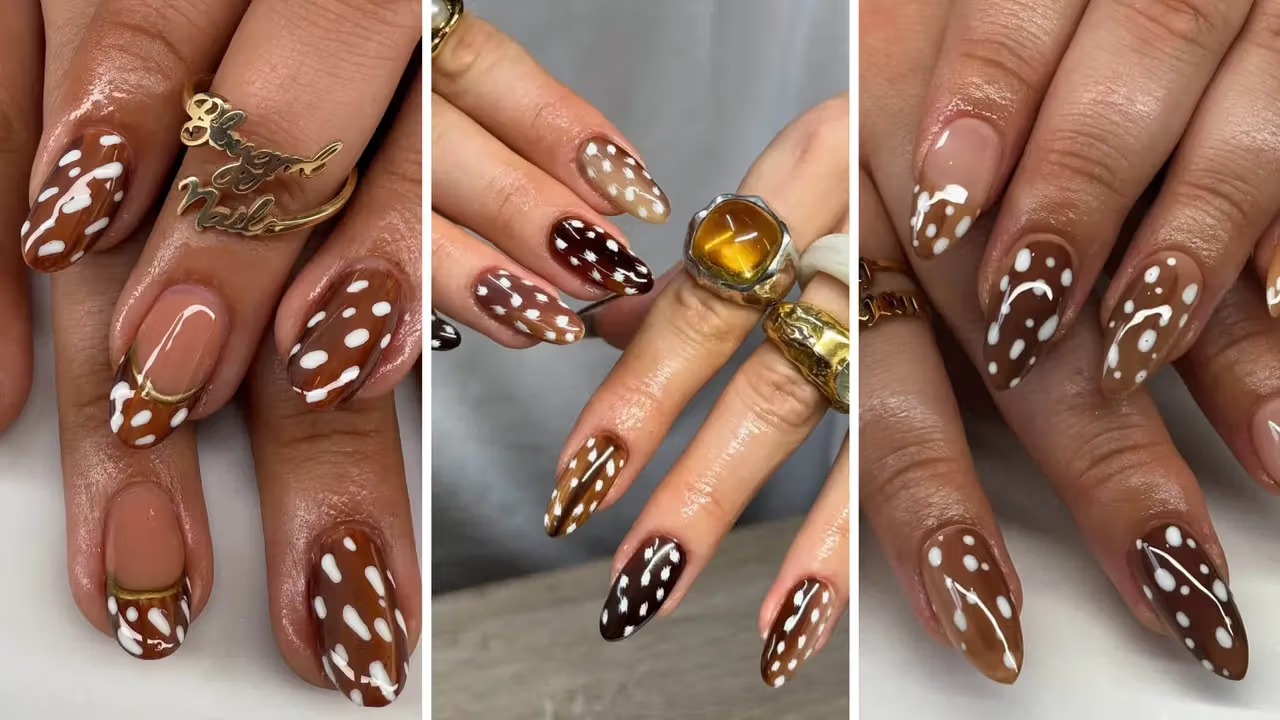
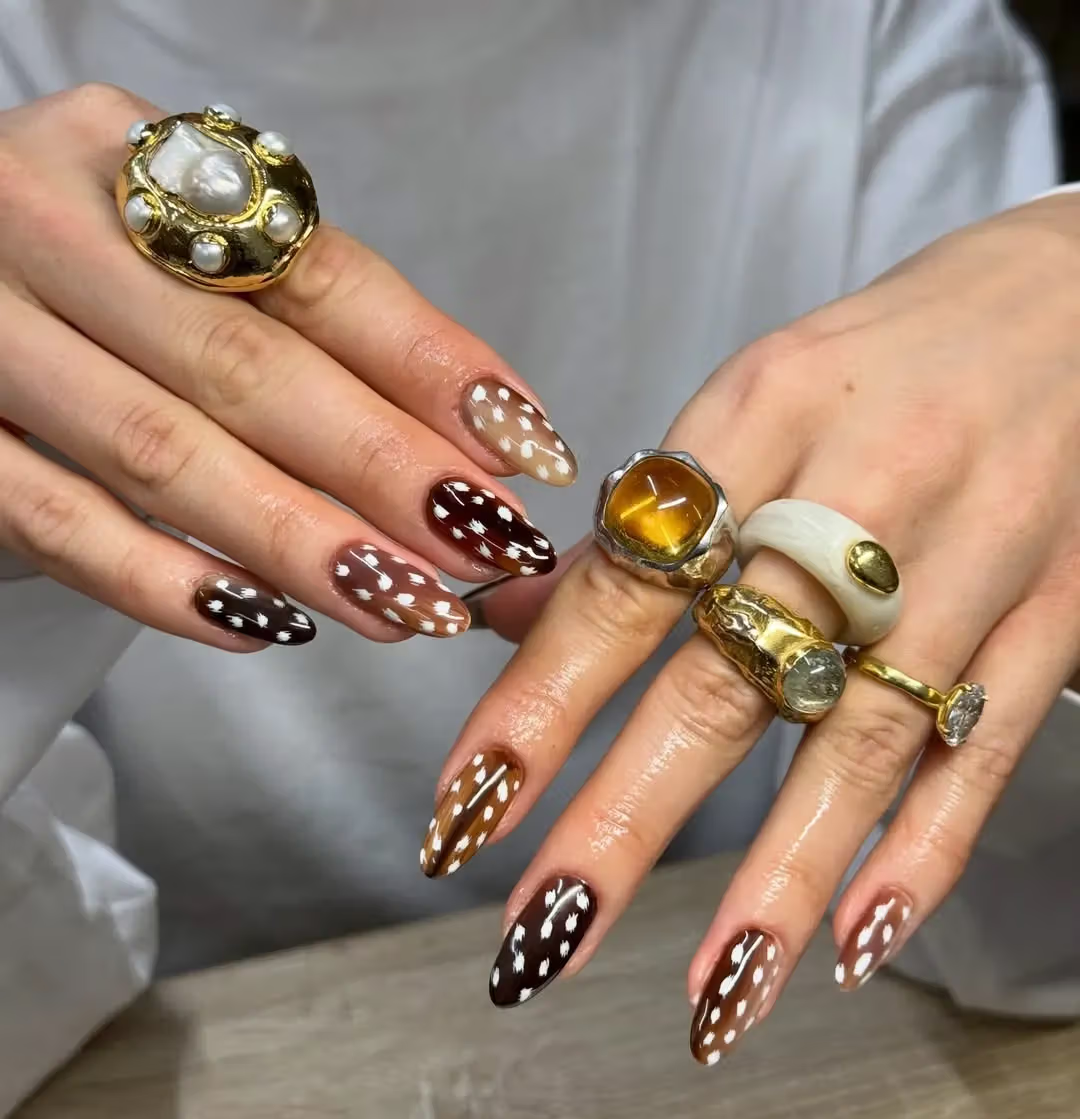
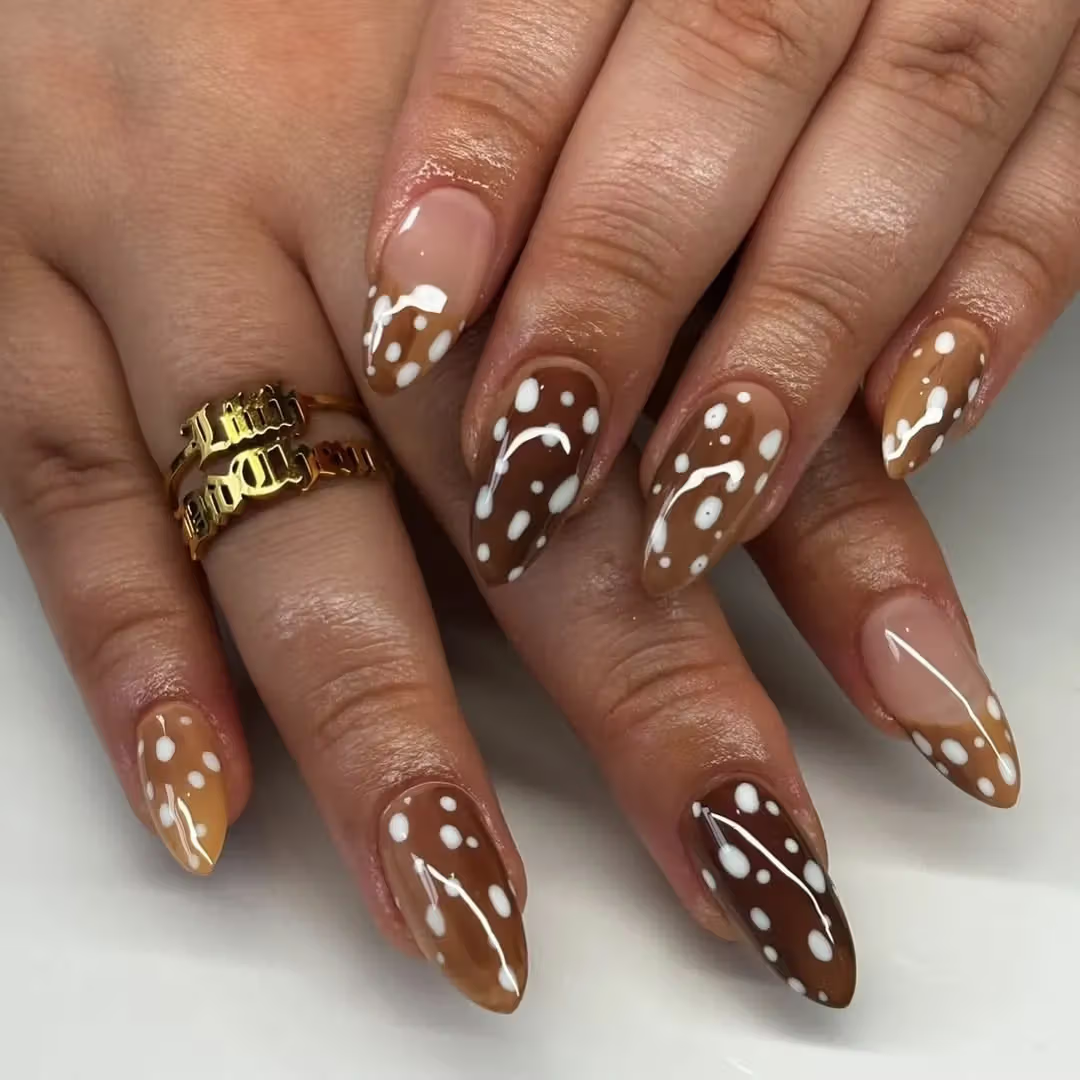
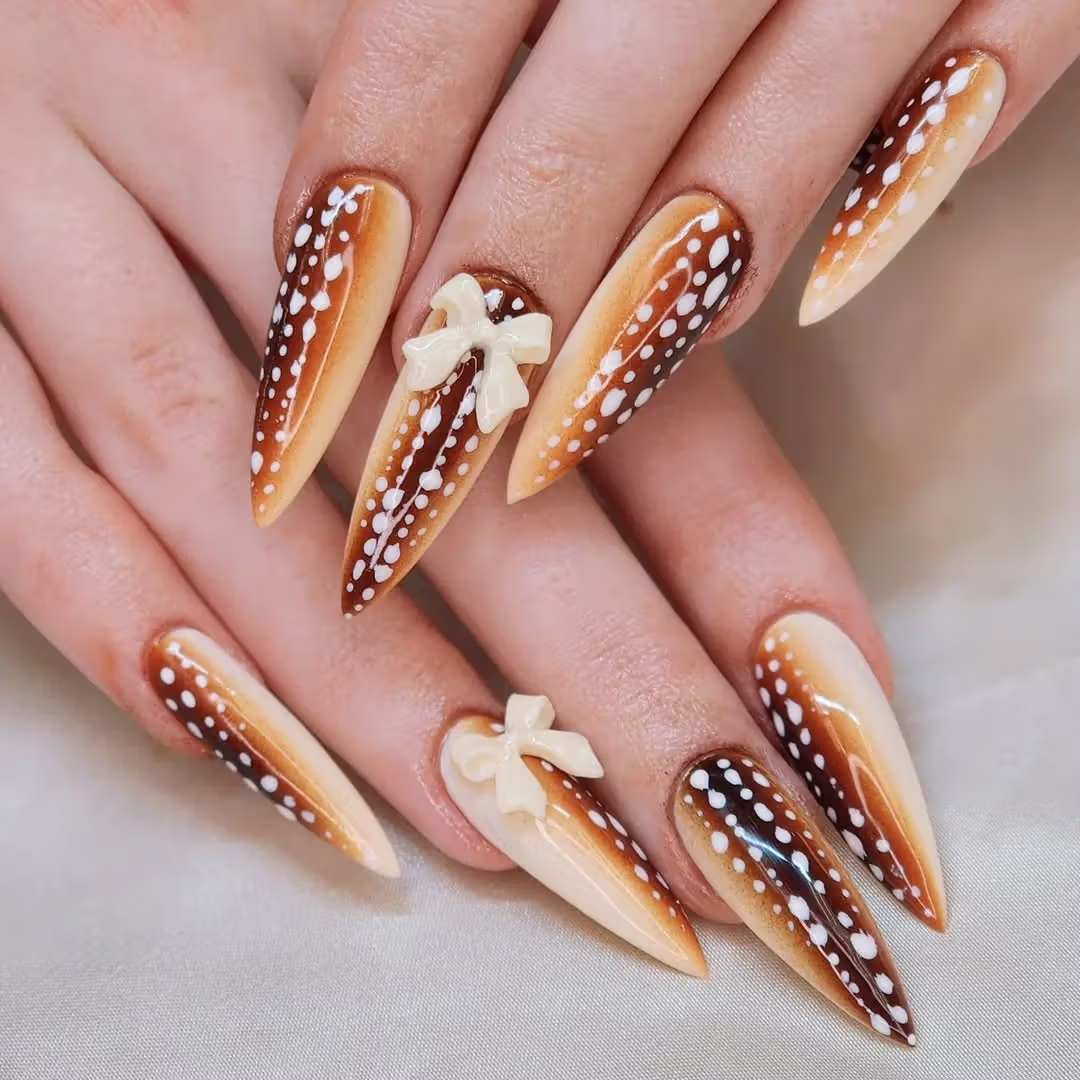
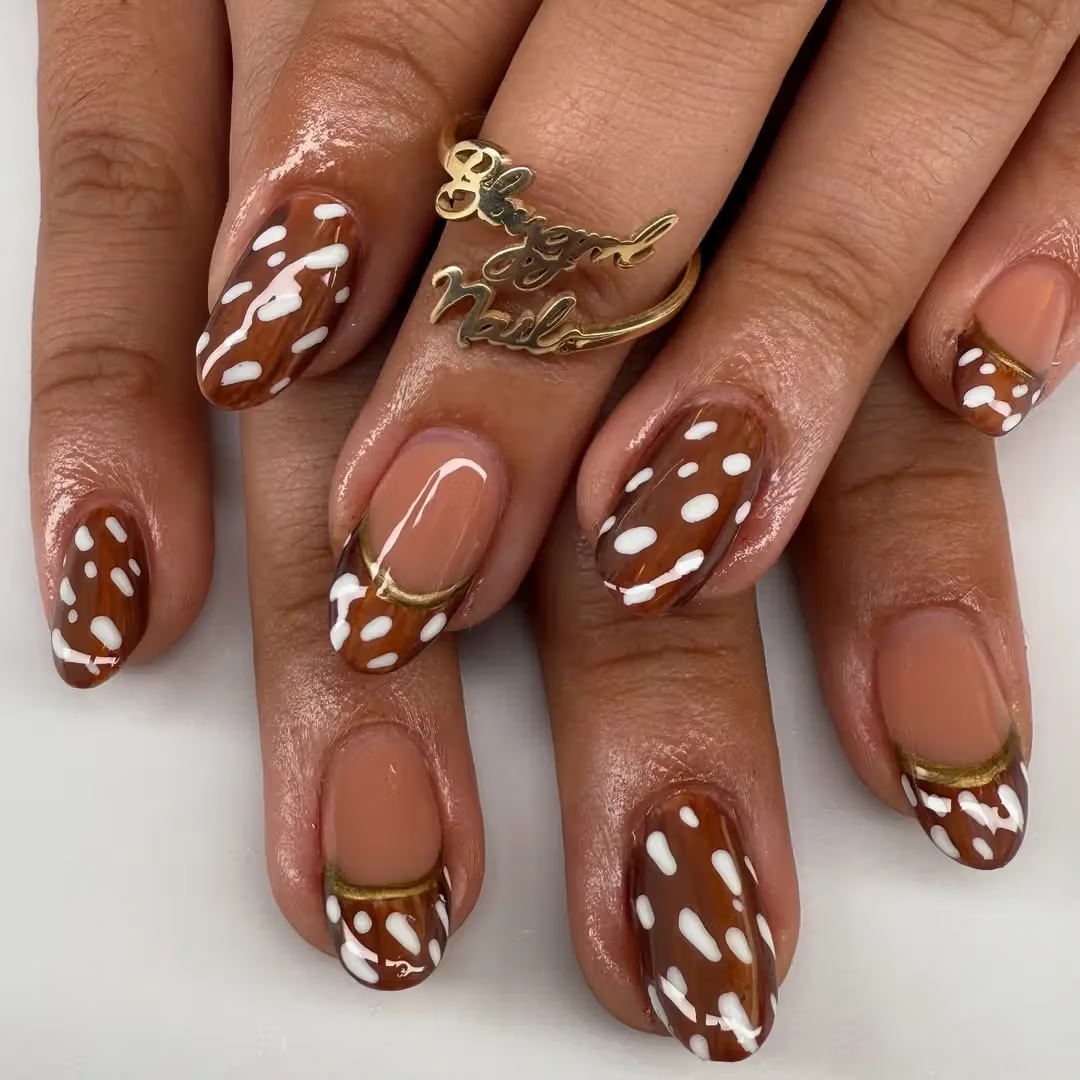
The latest nail buzzword on social media is "fawn spots"—a brown ombré base topped with hand-painted white dots, packing three trends (animal print, coffee tones, and polka dots) into one manicure.
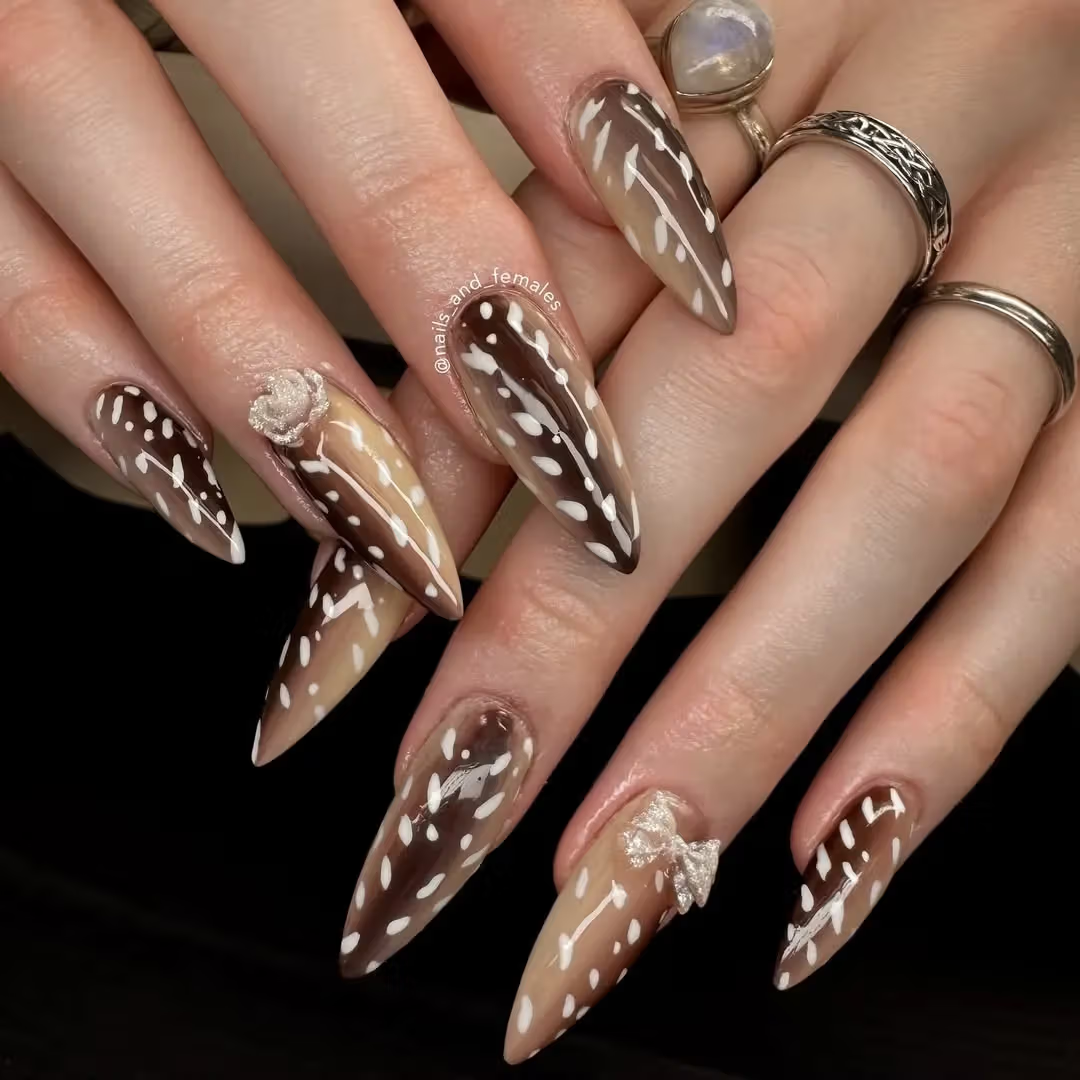
It's not tiger stripes, and it's not leopard spots—this time, the animal motif trending on social media has switched to fawn print. A brown ombré base is dotted with sparse, irregular white specks, mimicking the soft, speckled texture of a fawn's coat. As cute as it looks, this particular pattern is actually pretty rare in the nail world.
Newcastle-based nail artist Elizabeth Ridley says she first spotted this print last summer among the crowds at Copenhagen Fashion Week. "I was so excited to try it out right away." She's also noticed that animal print is making a strong comeback overall—"not just in nails, I'm seeing it a lot in interior design too."
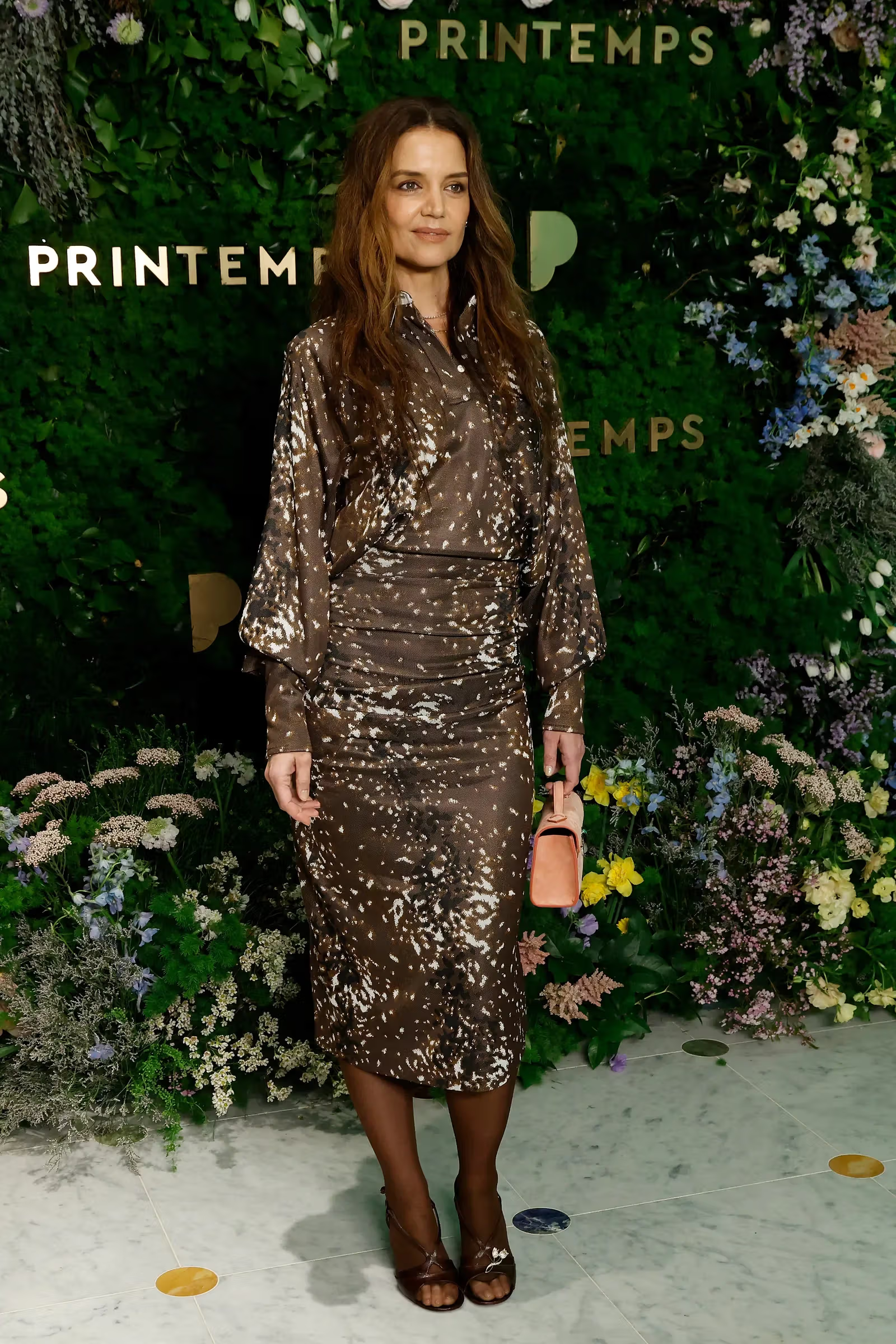
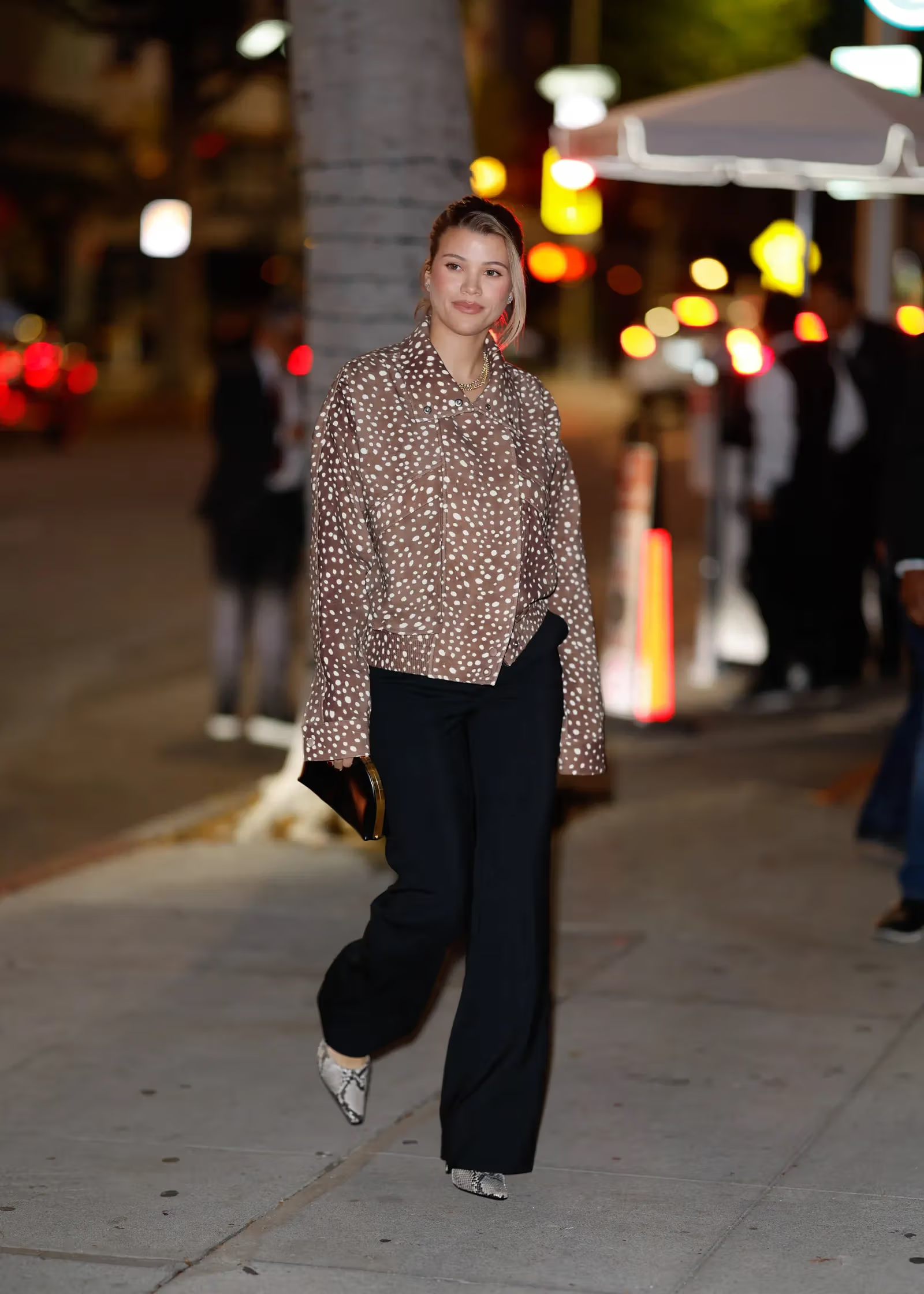
Los Angeles-based nail artist Queenie Nguyen has made a similar observation, noting that animal print details have "quietly crept into fashion recently." There's evidence to back this up—earlier this year, spotted and striped patterns started showing up in celebrities' off-duty outfits, including Katie Holmes and Sofia Richie Grainge. As Nguyen added in an Instagram post, "Fawn print is basically a way to translate that fashion trend onto your fingertips—it's soft, a little unexpected, a bit nostalgic, cute without trying too hard."
New York-based nail artist Julie Kandalec explains the trend from a layering perspective: fawn print combines three hot elements at once—brown tones, polka dots, and animal print. That theory checks out—according to search data from booking platform Fresha, polka dot nails currently rank as the most-searched nail design. Fawn print essentially swaps out neat, uniform dots for loose, hand-painted splotches, adding a bit more roughness and playfulness.
The pattern looks simple, but pulling it off actually takes some skill. Kandalec says the key lies in mastering the gradient and fine brushwork. Ridley's method starts with an ombré brush (a nail tool with thin, split bristles) to blend multiple cream and brown polish shades, building up hair-like layers of depth—a step that requires patience as you layer and blend color by color. She recommends using gel polish, since each layer can be cured under a lamp before moving on, preventing the colors from smudging into a muddy mess.
Once you're happy with the base color, both Ridley and Kandalec suggest switching to a fine-tipped dotting brush to add white dots of varying sizes in a random, scattered pattern across the nail. Ridley emphasizes there's no need to stress over the placement or shape of the dots—"it's exactly that irregularity that gives the print more depth"—and the mix of dot sizes actually ends up looking closer to real fawn fur texture.