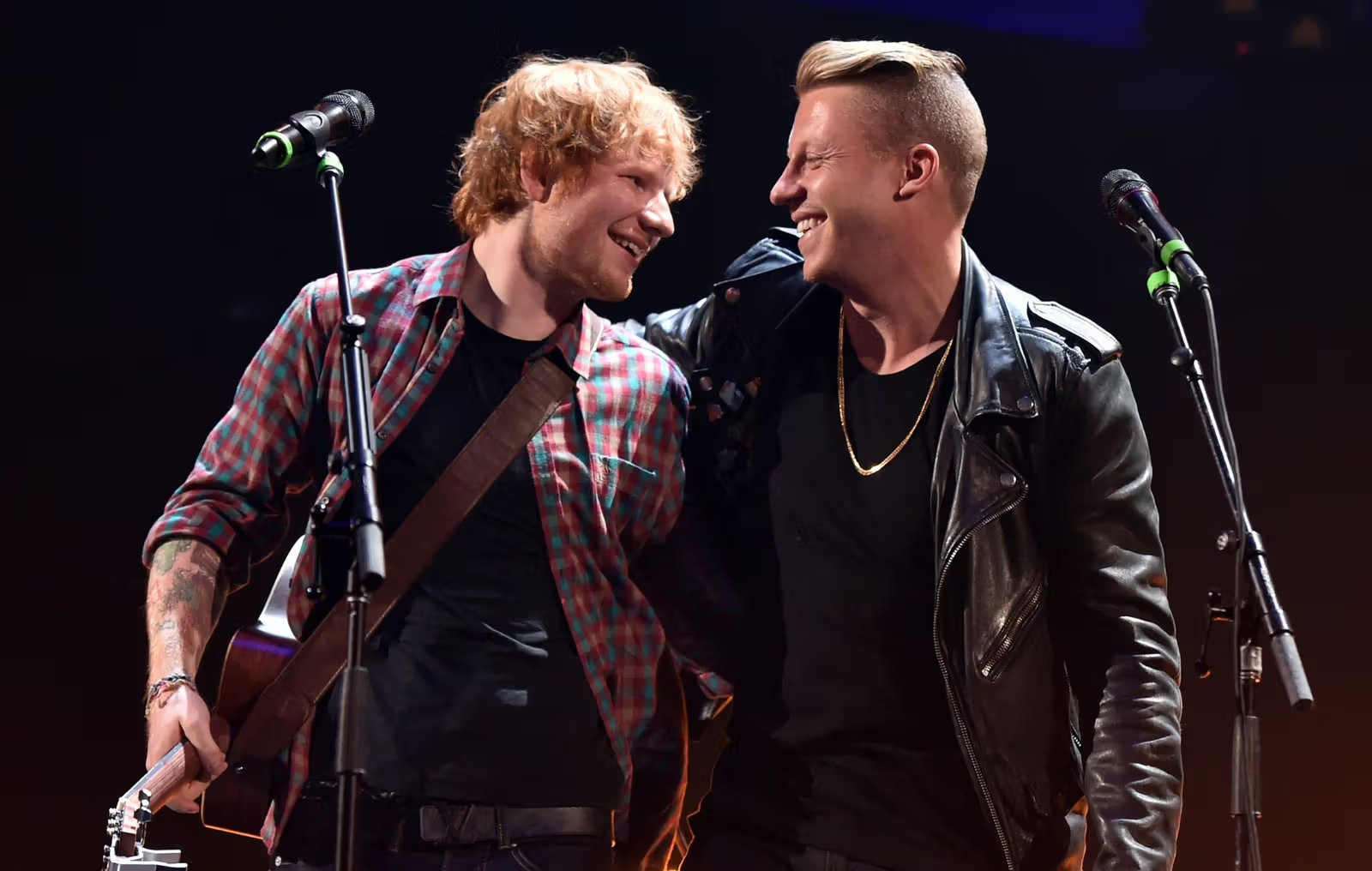
"Macklemore coming off tour was the promoter's decision, it was not mine." A week after the controversy first erupted, Ed Sheeran addressed the backlash against him with this blunt distancing statement.
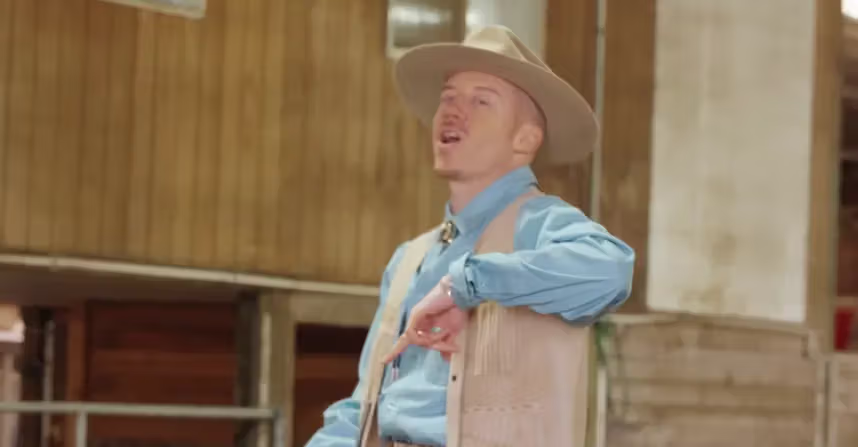
The controversy began when Macklemore, opening for Sheeran on his US tour, called for "all human beings to be treated equally and with dignity" and shouted "Free Palestine." The remark quickly drew protest from the Israeli-American Council, which accused him of using the stage to "push a one-sided political stance." Macklemore later responded, insisting that pursuing equality "shouldn't be controversial."
Tour promoter Messina Touring Group then confirmed Macklemore had been removed from the lineup, citing that certain venues said they "would not allow Macklemore on the bill." New England Patriots and Gillette Stadium owner Robert Kraft publicly weighed in as well, saying he "agrees with Macklemore" on many levels, but that his comments conflicted with the venue's longstanding commitment to "providing a welcoming environment for all guests and not giving a platform to hate speech."
Macklemore himself said in a statement that he doesn't see himself as the victim here: "The victims are the Palestinian people—the men, women and children who are being killed, starved, displaced, and forced to endure unimaginable violence." He also called Sheeran a "friend," saying the situation put him "in a rough spot."
Sheeran's Instagram statement is the most complete first-hand account of the situation so far. He first said he's "horrified" by the Israel-Palestine conflict, calling the suffering caused on both sides "a tragedy." He explained he'd invited Macklemore on tour out of "respect for him as an artist," and was only later informed by his team that several shows could be canceled over the comments.
"I've spent all week going back and forth with venues, trying to build a bridge," Sheeran wrote. "One of them was Robert Kraft. I also spoke directly with the promoter and advocates on both sides, trying to find a solution that would work for everyone, but the decision from the venues and promoter is final." He reiterated that Macklemore's contract was with the promoter, not with him: "I won't let down fans who've already made plans, and I won't abandon the touring crew and other supporting artists who depend on this for their livelihood."
As for why he hasn't spoken out publicly, Sheeran said it was a deliberate choice: "I've chosen not to publicly discuss this devastating conflict so that I can use my platform and music to bring people from different backgrounds and cultures together," making his shows "a place of unity, joy, escapism, love, and where everyone feels welcome." He stressed: "I am not complicit... Choosing not to speak publicly doesn't mean I don't have a position, and it doesn't mean I don't care. It also doesn't mean I'm not supporting certain causes in my own way."
"People who come to my shows aren't expecting a political forum," he wrote. "I've chosen to use my name and platform to create a safe, sheltered space, one that keeps dialogue open rather than shutting it down. If we only focus on who shouts the loudest, nothing will ever change. There's more than one way to advocate for change." He concluded that over the past week he'd been "trying to build bridges and find solutions," but "wasn't able to."
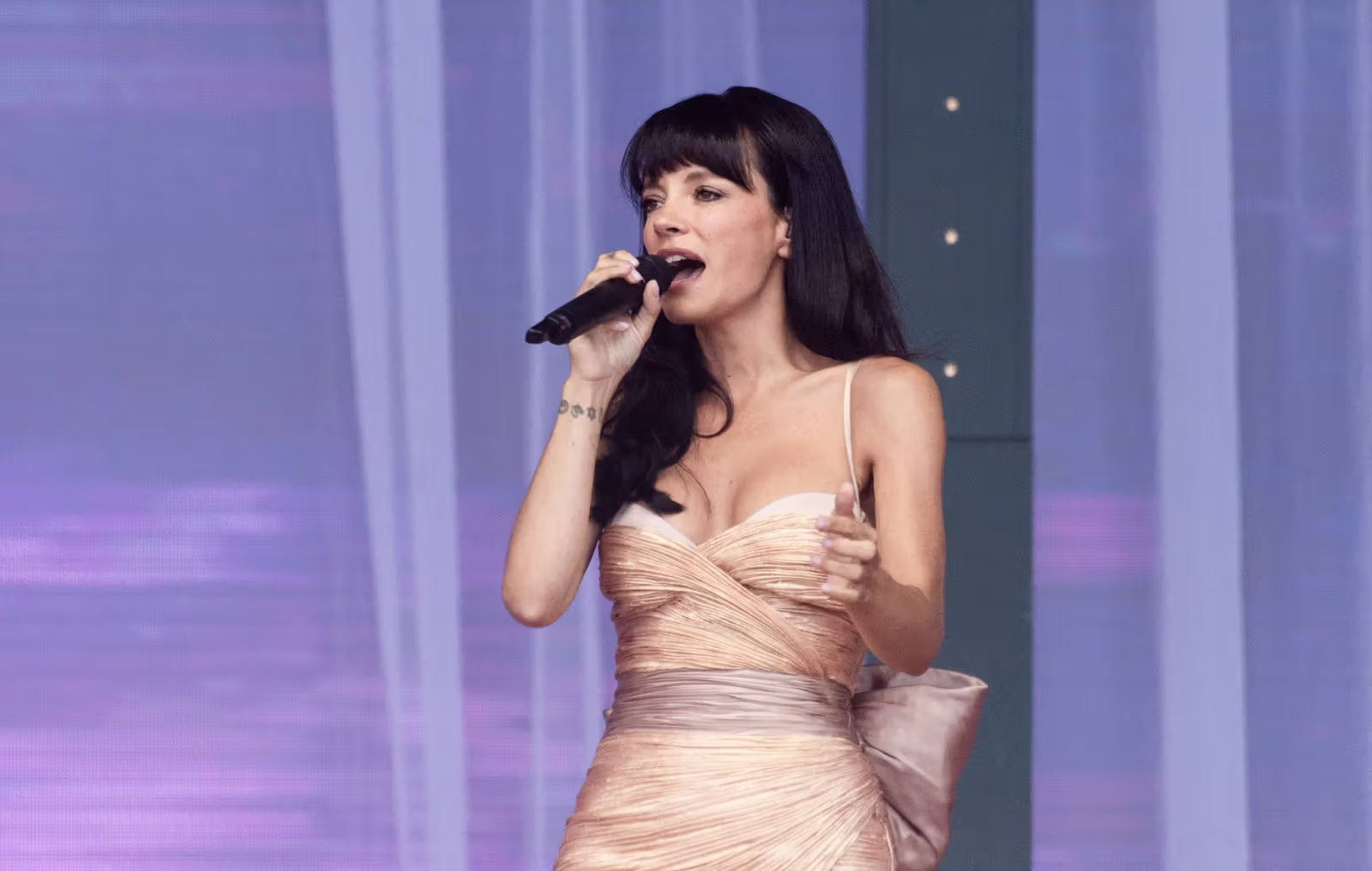
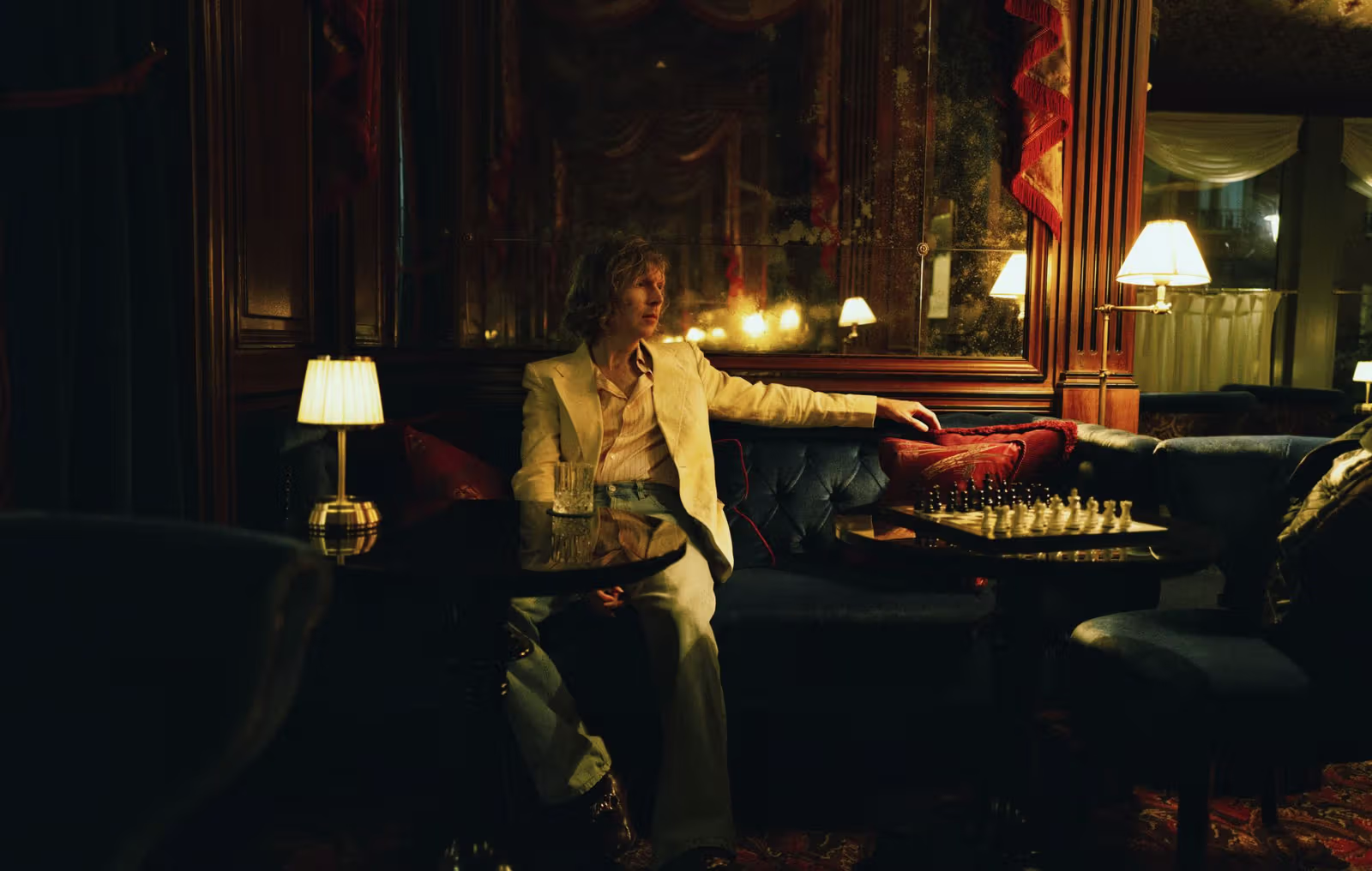
The controversy has split other musicians into camps. P!nk reposted a StopAntisemitism post accusing Macklemore of "falsely accusing Israel of 'genocide' and turning a mainstream event into a political storm targeting the Jewish state." Boy George posted an AI-generated image on Instagram of Sheeran wearing a T-shirt that read "Wkack Mack No More," and wrote on X that he "was never an Ed Sheeran fan, and that hasn't changed now." Foo Fighters guitarist Chris Shiflett backed Macklemore's onstage comments, writing on X: "I've been told to 'shut up and play' my whole career, and I don't buy it."