What to know | Ken Bakery Designs Bread for Restaurants: The Work Behind More Than 50 Recipes
The key details: At its Zhonghe production space, custom sourdough, focaccia and buns respond to dishes and service needs. Repeated development is as important as the finished loaf.
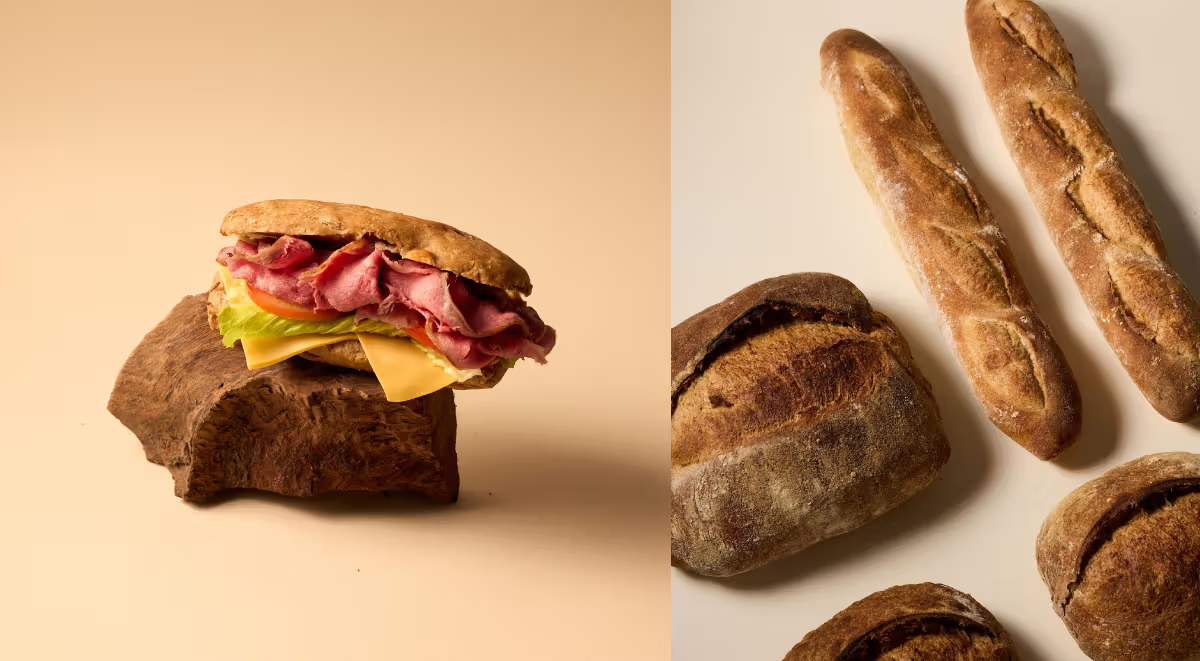
The bread served in a restaurant does not necessarily have its own baking kitchen behind it. Ken Bakery, located in Zhonghe Industrial Park, New Taipei City, focuses on the cooperation needs of restaurants, coffee shops and burger shops, and has developed more than 50 types of bread. From this case, bread is not just an independent product, but may also be a part designed for another dish, another brand and another way of serving meals.
Cover image: Ken Bakery
To customize bread, first understand the scene in which it will appear.
Founder Ken has a background in art, fabrics and printing. He went to Sydney in 2011 and was exposed to sourdough and baking production at the Bourke Street Bakery factory. After returning to Taiwan, the business direction gradually shifted from retail stores to corporate cooperation, putting sampling, adjustment and stable supply at the core of the work.
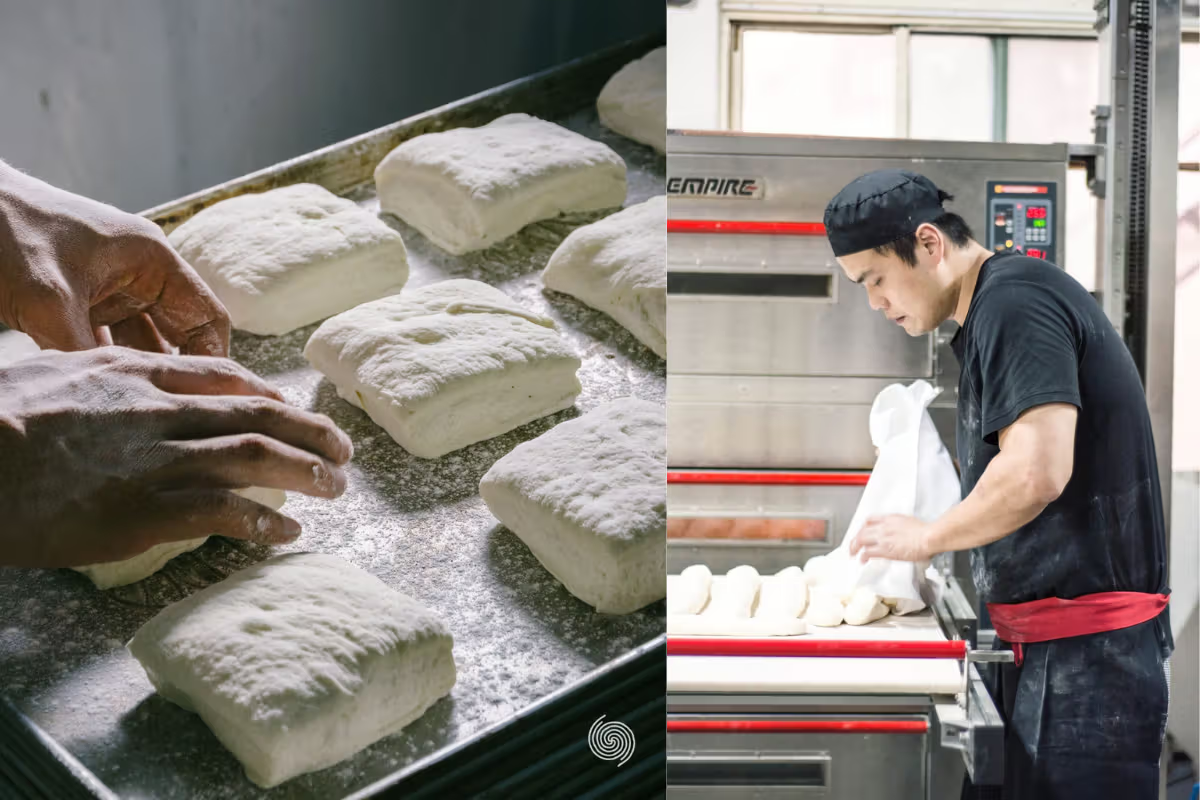
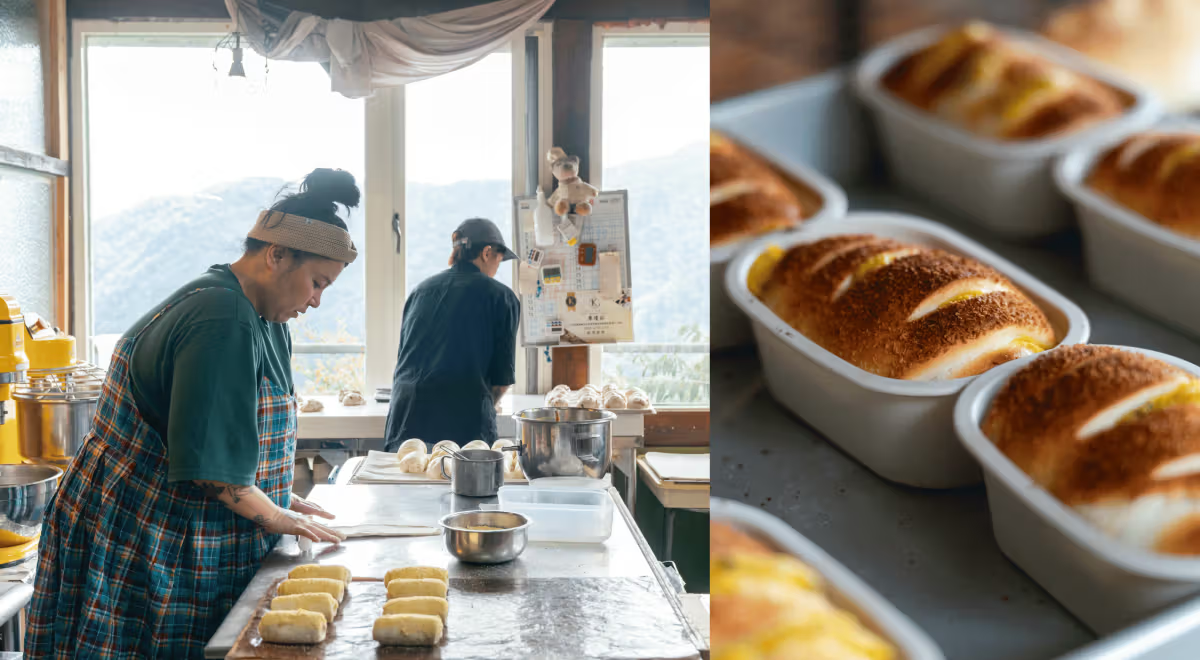
Ken Bakery’s custom bread for restaurants. Image: Ken BakeryKen Bakery bread production. Image: Ken Bakery
For caterers, wanting a “delicious bread” is still not specific enough. What kind of fillings should be put in it, whether it needs to be re-baked, how long it takes to be eaten, and how many servings are served at one time will all change the recipe and shape. The design of bread therefore also includes communicating with partners about usage scenarios, rather than just deciding the color of the skin and the holes inside.
Sourdough, focaccia and brioche, corresponding to different cooking needs
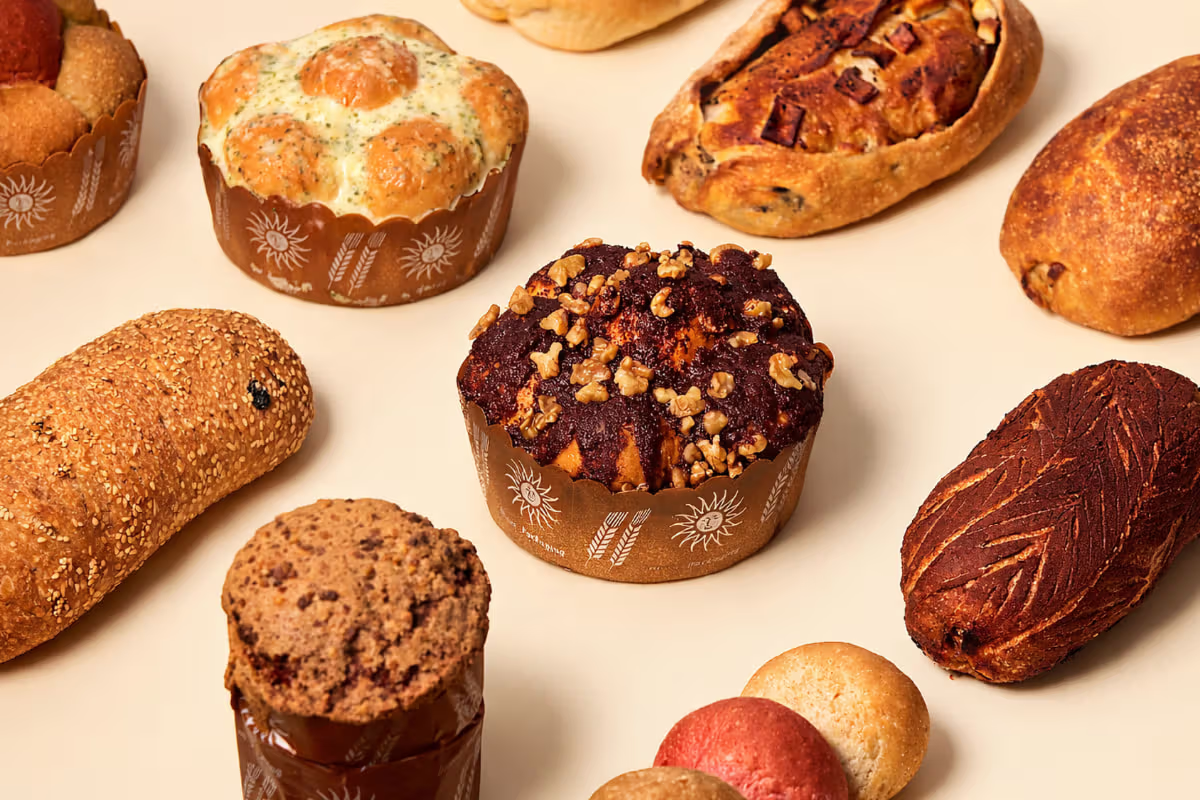
The scope of brand development includes sourdough bread, focaccia, brioche, soft French-style bread and croissant, and uses different sourdough varieties such as white wheat, rye and three-grain with whole wheat. These names can help classify, but when actually putting them into dishes, you still have to look at the thickness, structure and flavor, and whether they can match the sauce and main ingredients.
For example, burgers need to consider the stability of fillings, bread served before a meal may be paired with butter or sauce, and dessert-style croissants require another set of pastry layers and fillings. The same baking studio can produce multiple types, but it does not mean that all breads are fermented at the same time or in the same way.
Repeated recipe development is the least visible part of cooperation
Public interviews mentioned that the bread developed for de Nuit had been adjusted more than fifteen times and was fermented at low temperature for seven days; the cloud croissant made for the coffee shop was repeatedly tried and tested from different combinations of butter, milk and recipes. These are product-specific development examples and cannot be extended to a brand where all breads are fermented for seven days, or where all collaborations use the same set of materials.
There is also custom-made rye toast with a combination of black beans, soy milk and olive oil, and potato fillings can be added later according to the restaurant's requirements. This type of formula shows that ingredient substitutions often serve specific dishes; if you have dietary restrictions, you should still inquire about each item. Just because a certain item uses vegetable oils, the entire brand should not be regarded as vegan.
From restaurant supply to public events, the contact methods are not the same
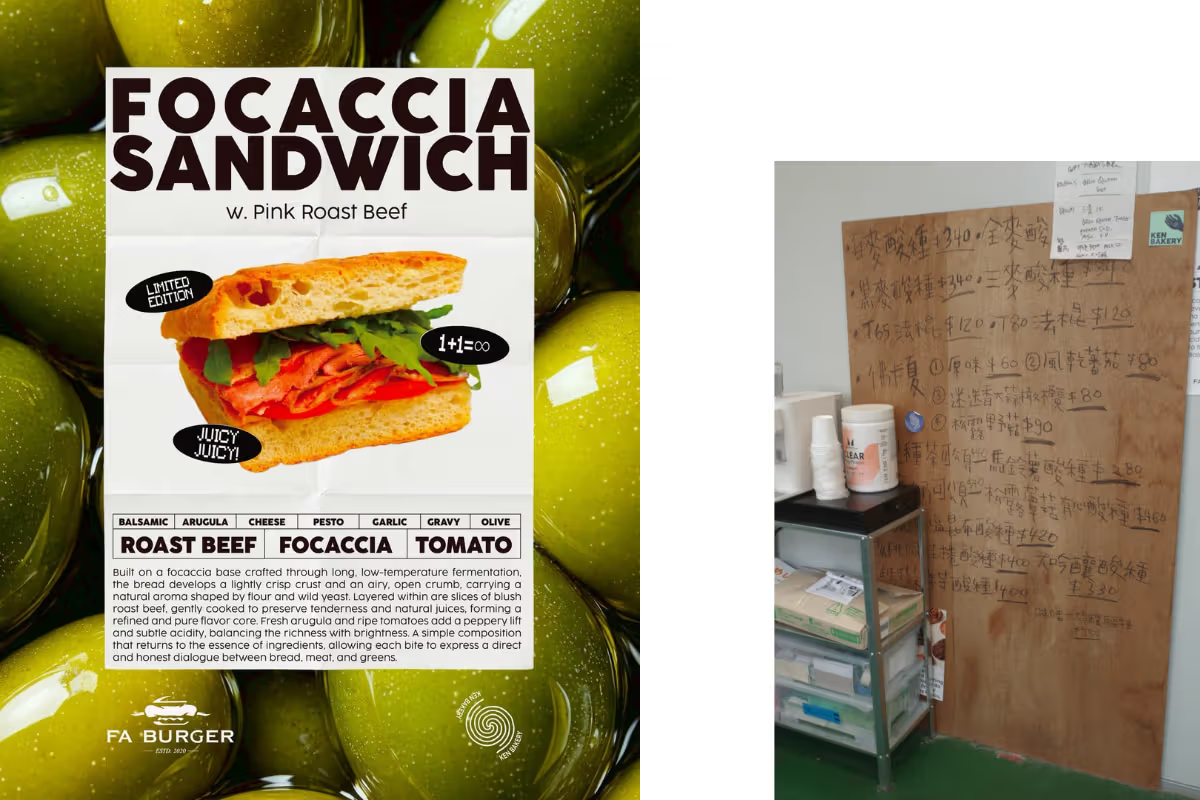
Ken Bakery participated in retail sales at the Taipei Bread Festival in April 2026 with nearly twenty flavors, and collaborated with Fa Burger on the focaccia flat-iron beef product. These are past events and cannot be directly regarded as a fixed menu that the factory is open for purchase every day. If you want to taste the works, you should check the current events or the cooperative stores that actually supply them.
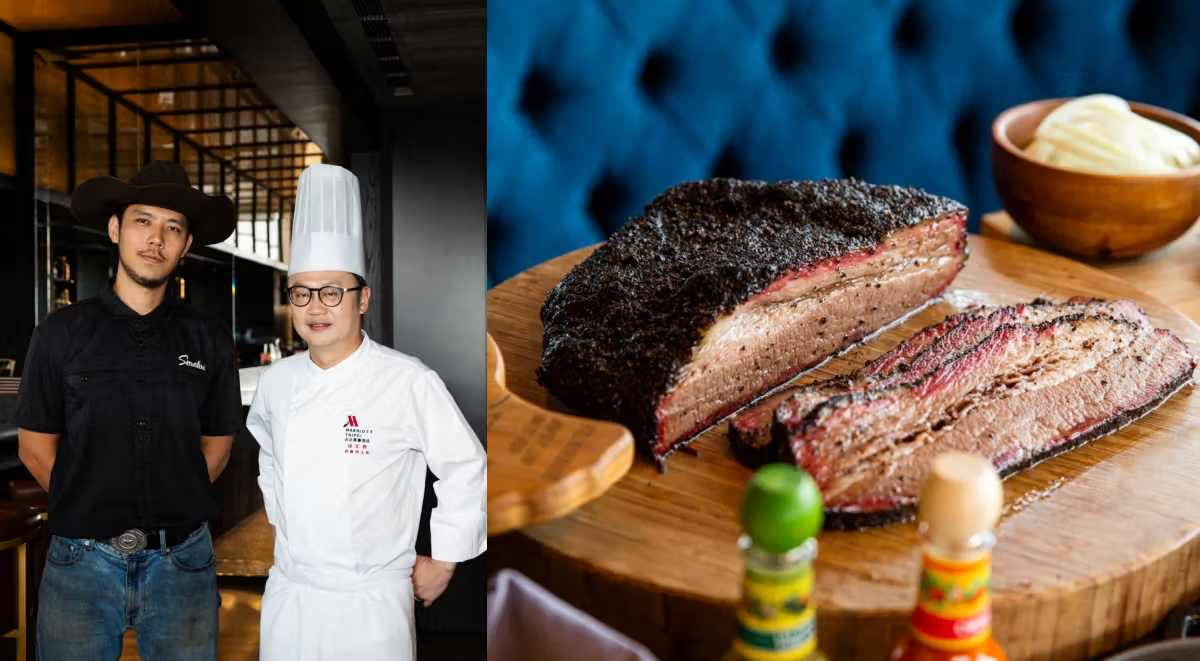
Ken Bakery collaborates with Fa Burger on bread, as well as product signs for past events. Image: 左圖:Ken Bakery;右圖攝影:李尤
The brand is also exploring new recipes using sake lees and other brewing by-products. The materials include plum wine, rice wine and wine-making materials. Rather than treating "by-product" as a single popular label, what is more interesting is how it enters the dough and cooperates with the existing sourdough starters and cooking scenes. When the bread needs to serve another dish, the creation extends from the oven to the entire catering workflow.