Got a "Peanut Face"? Don't Rush to Plastic Surgery—A Hairstylist's 3 Tricks to Soften Your Face Shape
Prominent cheekbones and hollow temples can give your features more dimension, but they can also make you look older and more tired—South Korea's beauty world has dubbed this face shape the "peanut face." Hairstylist Cha Hong shares three non-surgical styling tricks, from hair color to hair parting, that can adjust the visual proportions of your face.
Noticeably prominent cheekbones paired with slightly hollow cheeks, creating a sharp, sculpted side profile—this face shape has recently been nicknamed the "peanut face" in South Korea's beauty circles. It's characterized by a narrower, longer face with deep-set, mature, striking features—but it also tends to get labeled as "aging" or "tired-looking." You don't need to head to a dermatology or plastic surgery clinic to soften these overly sharp lines—the right hairstyle can do the job.
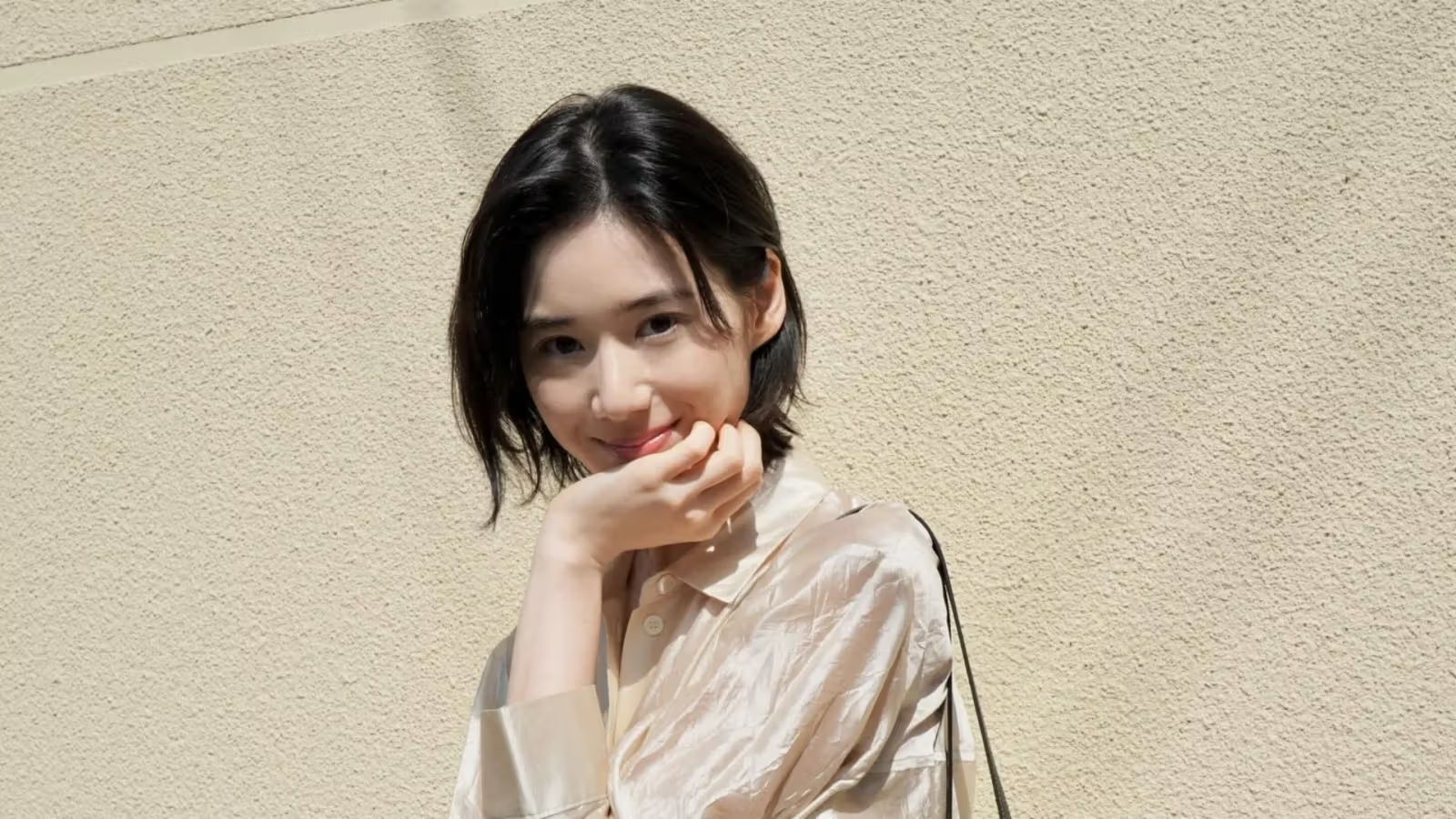
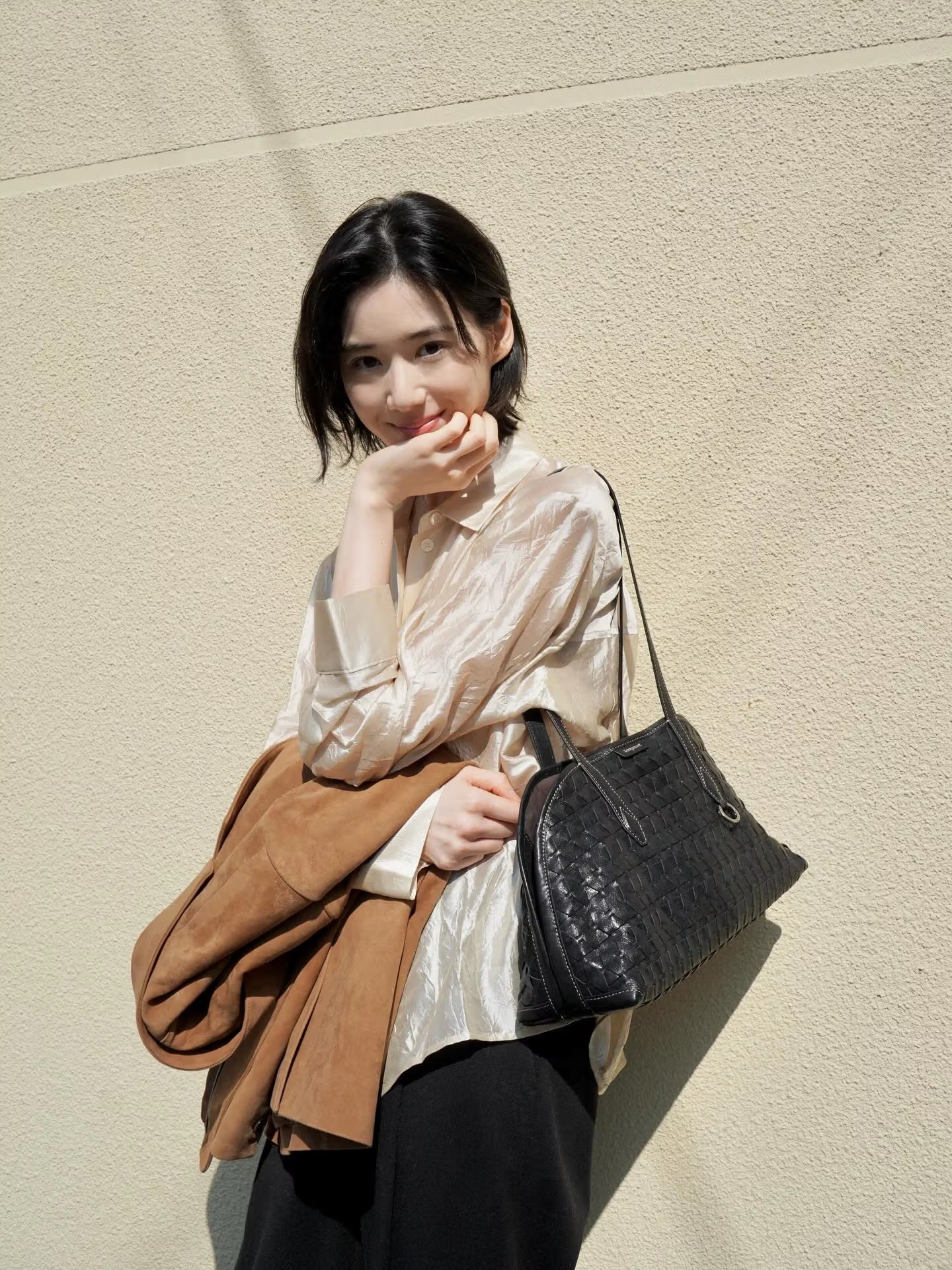
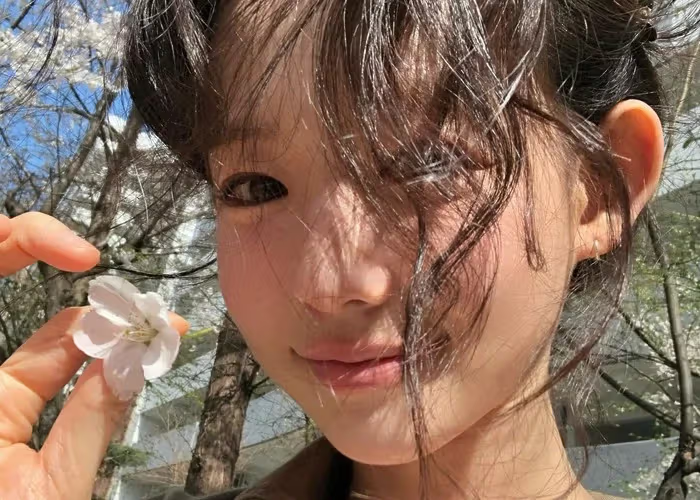
The first trick is to remove the "background paper" from your face. Dark hair color creates strong contrast against your skin tone, which makes your facial contours stand out even more. To soften the appearance of your cheekbones and hollows, try going a shade lighter, cutting your hair shorter, or tying it back—all of which reduce the contrast effect your hair creates as a "backdrop" for your face. Short hair is especially flattering for peanut-face proportions. If you do tie your hair up, rather than exposing your whole face, it works better to leave a few wispy strands around your hairline or add side bangs, which naturally cover the cheekbones and hollow areas.
The second trick is using an asymmetrical part to divide visual attention. A straight, dead-center 50/50 part will draw more focus to your features and make your face look even longer—this is a parting style peanut faces should avoid. Instead, try a curved or zigzag part to visually shorten the face. There's also no need to distribute hair evenly on both sides—you can style each side differently, letting one side fall naturally while tucking the other behind the ear, so the eye isn't drawn to a single continuous line.
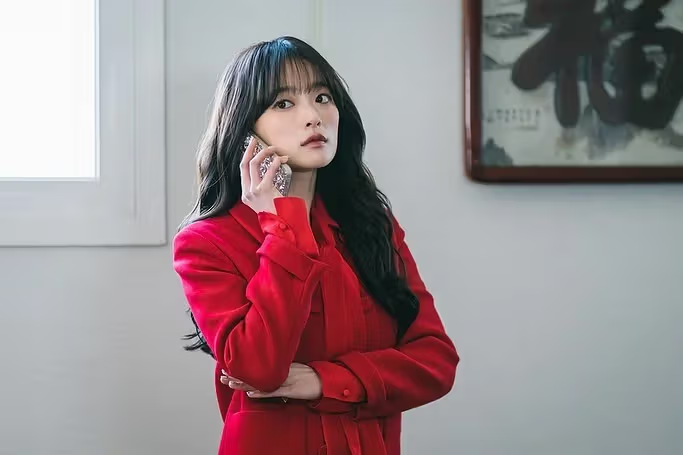
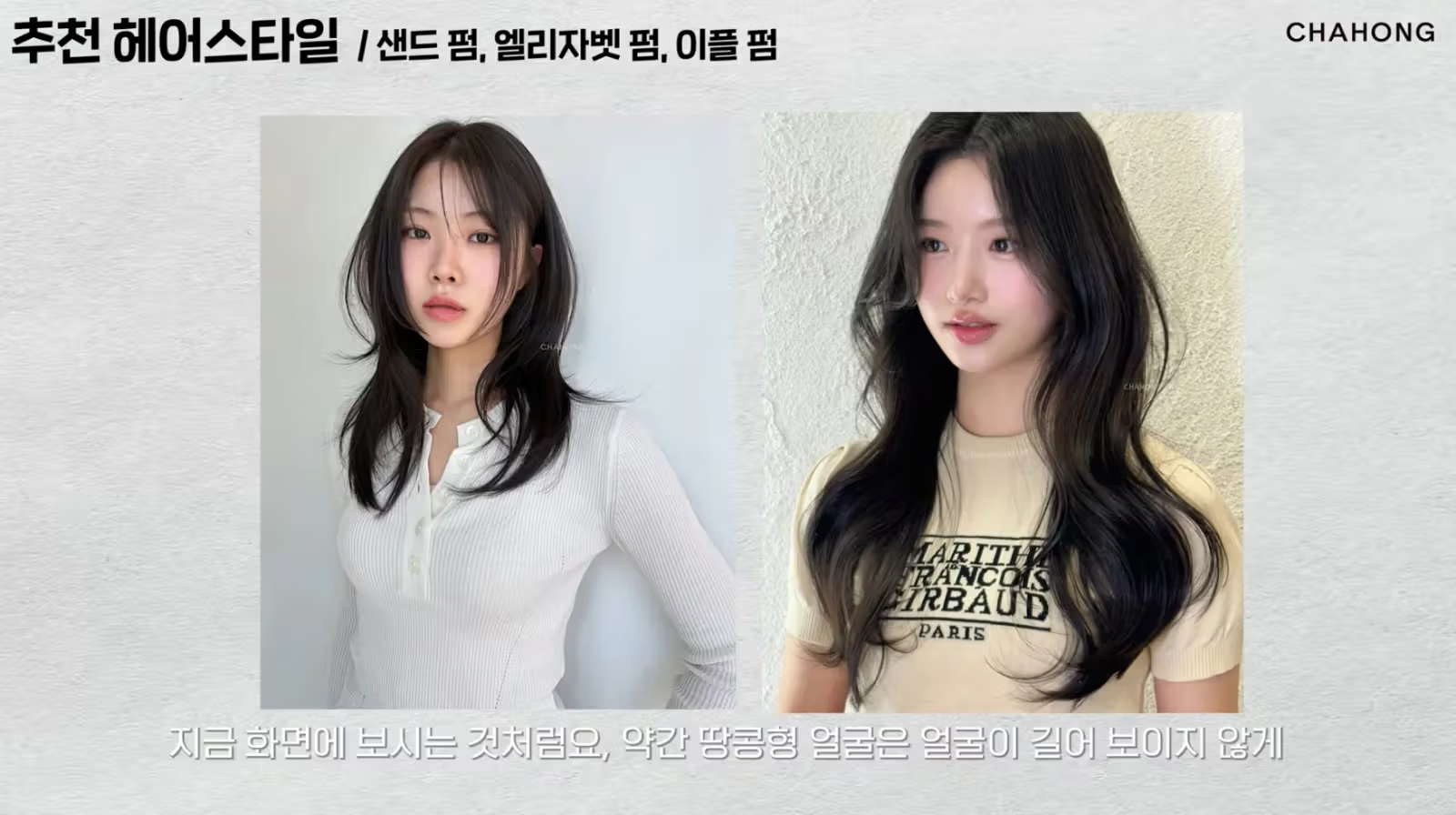
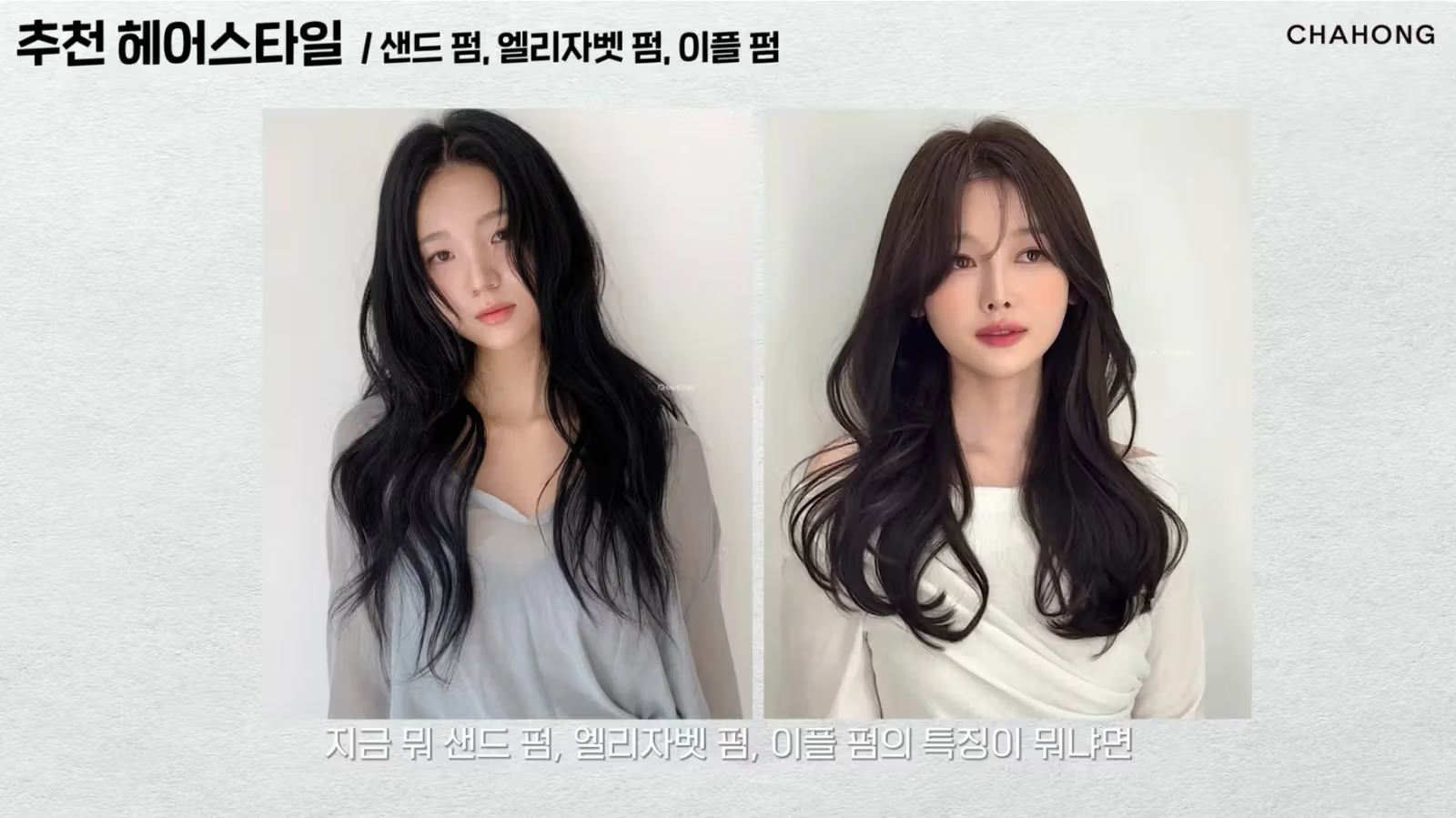
The third trick is side volume—for peanut faces, this is practically a must-have, not just a styling bonus. Since peanut faces tend to be longer vertically and narrower horizontally, you need a hairstyle that draws the eye horizontally, making the face proportions appear more balanced and shorter. In an interview, hairstylist Cha Hong recommended opting for thick, loose, naturally cascading big curls rather than tight curls like a Sassoon perm or Elizabeth perm. The reasoning: since peanut faces already have pronounced ups and downs from the cheekbones and hollows, overly exaggerated curls will only make the lines look messier and less harmonious. At the same time, long, straight hair with no volume or support tends to make the face look even longer, so that's another style to avoid.
No further salon photos or pricing information were provided in the source material—the above are the three styling directions hairstylist Cha Hong suggested for softening the "peanut face."