What to know | Wuling Farm in Autumn: Four Plant Landscapes Beyond Red Leaves
The key details: Maples, ginkgo, Mexican sage and chrysanthemums offer different colors and locations. Flower and leaf conditions depend on the date and weather.
Autumn at Wuling Farm is not only filled with maple leaves, but also ginkgo, Mexican sage and chrysanthemums, which also make the park appear in different landscapes such as golden, purple and white. The public photos of flower conditions in the autumn of 2026 provide reference, but the state of plants will change with temperature and weather. The pictures on a single shooting day cannot be regarded as a guarantee that they can be seen every day throughout the autumn.
Cover image: 武陵農場
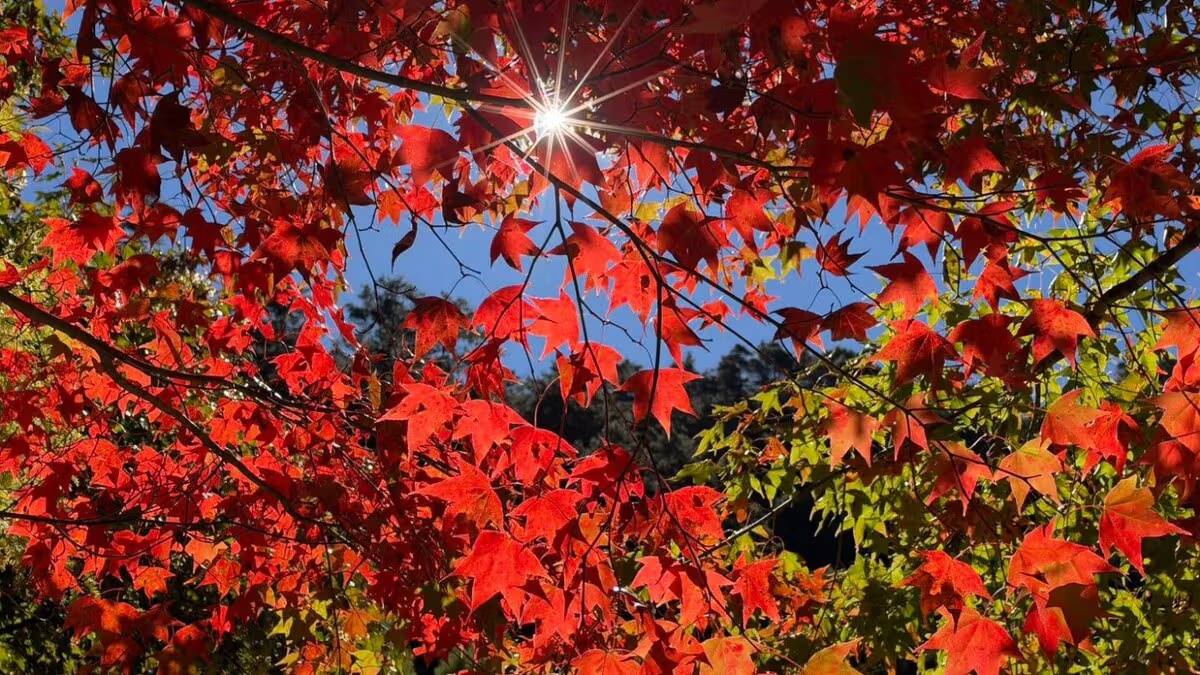
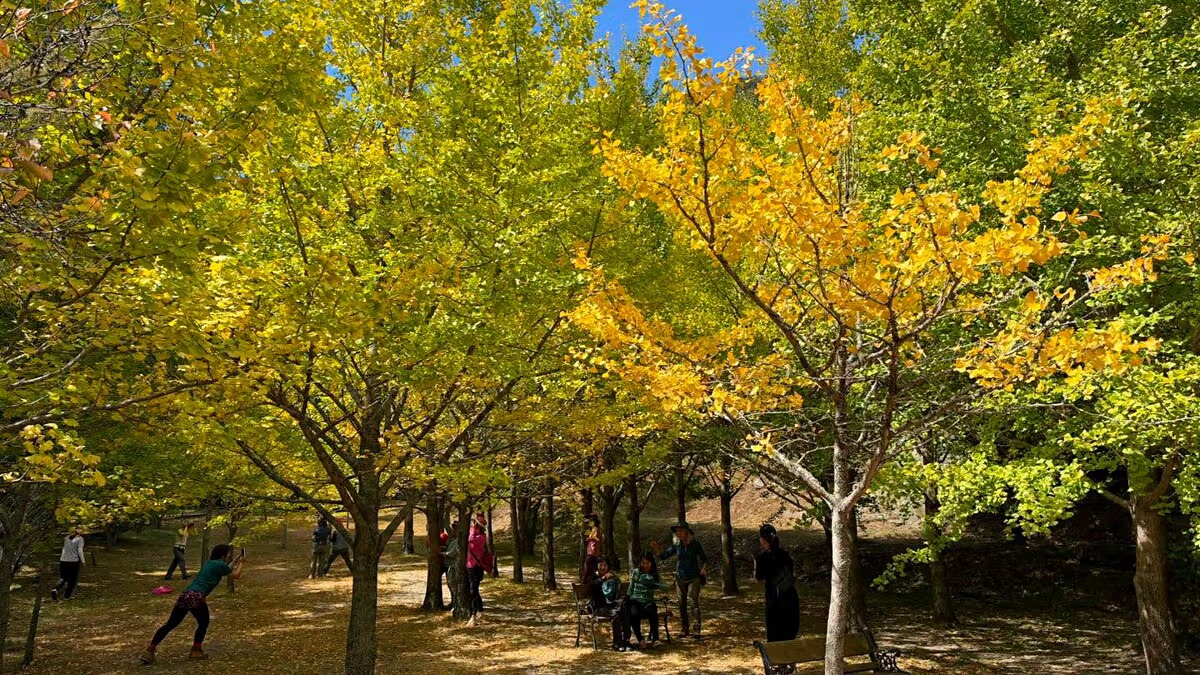
The red leaves at Wuling Farm change color according to the weather. Image: 武陵農場The scenery of ginkgo trees in Wuling Farm, the leaf condition changes according to the seasons. Image: 武陵農場
Maple leaves and ginkgo, first distinguish the plants and their locations
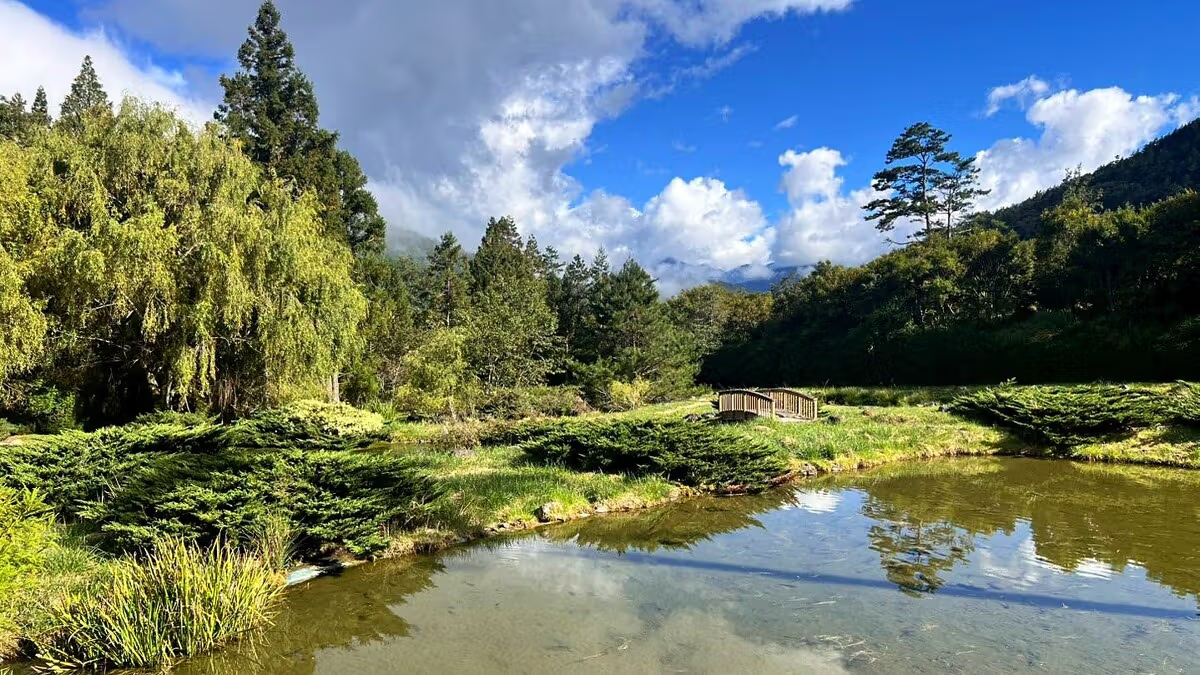
The maple leaves can be observed from the Yingbin Bridge, around the Wuling Guest House, the Swan Pond and the camping area; behind the Taohua Zhuang, there is a ginkgo landscape. The leaf shapes and colors of the two types of trees are different. You can pay attention to them separately when arranging your walks. You don't have to just interpret the autumn scenery as the same red color all over the mountain.
When taking photos, the nearby leaves, trails and distant mountain scenery can form different levels. If a certain area has not changed color obviously, you can also first observe the leaf shape, branches and light, instead of constantly chasing unconfirmed spots in order to find a single color in the photo.
Purple sage, appearing in the entrance garden
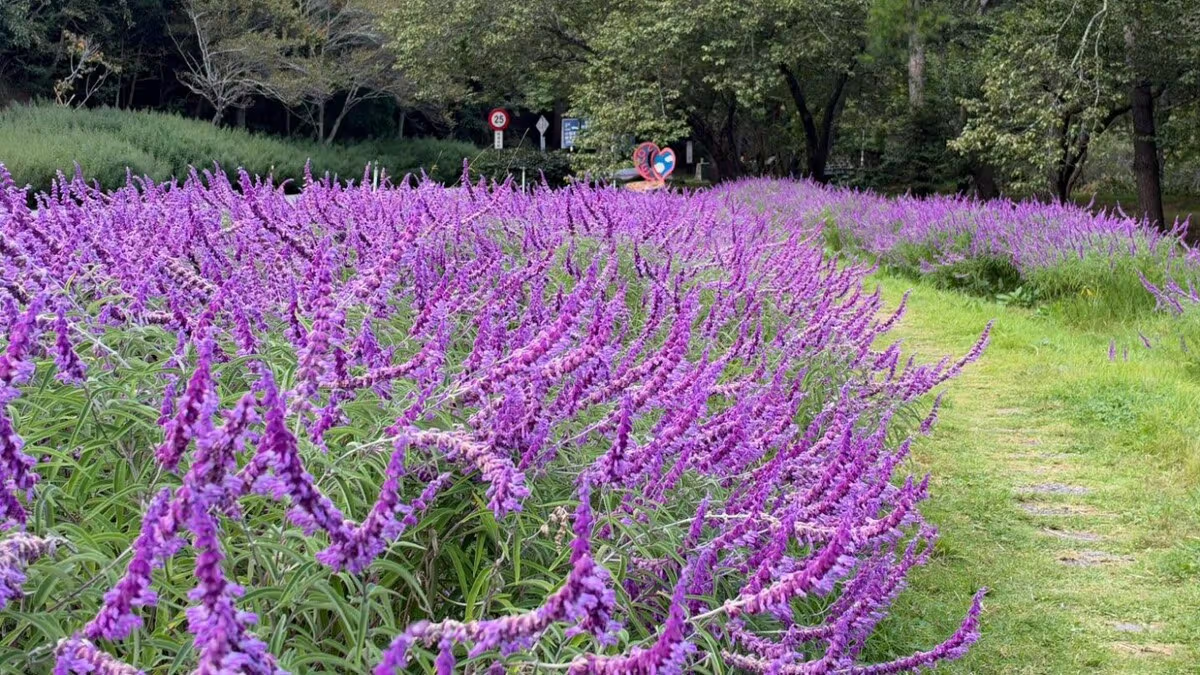
Mexican sage forms a purple landscape in the farm entrance garden, with flower spikes and flexible branches showing another dynamic in the wind. It is different from the viewing method of maple leaves and ginkgo. It is suitable for viewing details from the height and density of flower spikes and the activities of surrounding insects.
Mexican sage flower scene at Wuling Farm. Image: 武陵農場
When viewing flowers, open trails and existing viewing locations should be used to allow plants and pollinators to maintain their original space. If you want to take a close-up photo, you can adjust the lens and position without having to step into the flower bed or move the branches to fit the picture.
Chrysanthemum fields gives the autumn scenery of the mountains an extra dimension
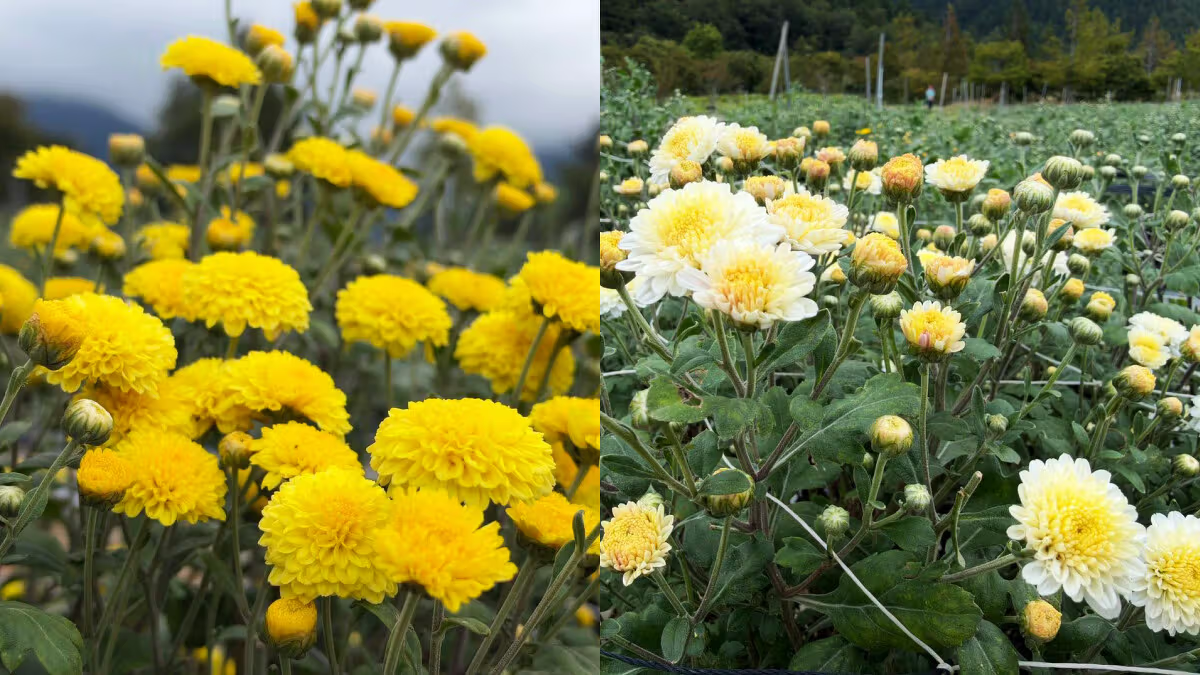
The chrysanthemum scene near the camping area uses densely packed small flowers to form softer color blocks, which are different from the height of the trees and the ridgeline of the mountain. Standing on the trail and looking at the entire flower field, and looking at a single flower up close, you will get a different scale of the landscape, and it can also make a walk not just stop at landmarks.
Flower sea photos often focus on the blooming area in the picture. When you actually visit, you still have to act according to the blooming range and flower status. If a traveler wants to take a shorter route, he or she can choose a main area first and then allow time to stop there. There is no need to list all the flower varieties in a must-do list.
Wuling Farm location and itinerary
The farm is located at No. 3-1, Wuling Road, Pingdeng Village, Heping District, Taichung City. The park is at an altitude of about 1,740 to 2,200 meters. The distance and mountain weather in different areas will affect the day's arrangements; before departure, you can check the farm announcements, road conditions and transportation methods before deciding on the area of stay.
Yellow and white chrysanthemums in Wuling Farm. Image: 武陵農場
Qijiawan Creek is also an important habitat for Formosan landlocked salmon, making it more than just a flower scene background. When visiting, you can understand the streams, vegetation and mountain environment together, regulate activities according to the site, and keep an appropriate distance between the viewing and conservation spaces.
The most valuable thing about autumn itineraries is flexibility: first choose the plants you want to see, and then adjust the route according to the flower conditions that day. Maple leaves, ginkgo, sage and chrysanthemum each have their own time and place. The four colors also remind people that the seasons in the mountains do not arrive on the same day or in the same way.