From Waterfall Rocks to Dinner at Sea: The Artists Turning the Earth Into a Dining Table
No tablecloth, no seating chart—just stone, seawater, and soil. From Charles Michel's food paintings to Alix Lacloche's dinner at sea, this wave of "earthwork dining" is dismantling everything we thought we knew about the table.
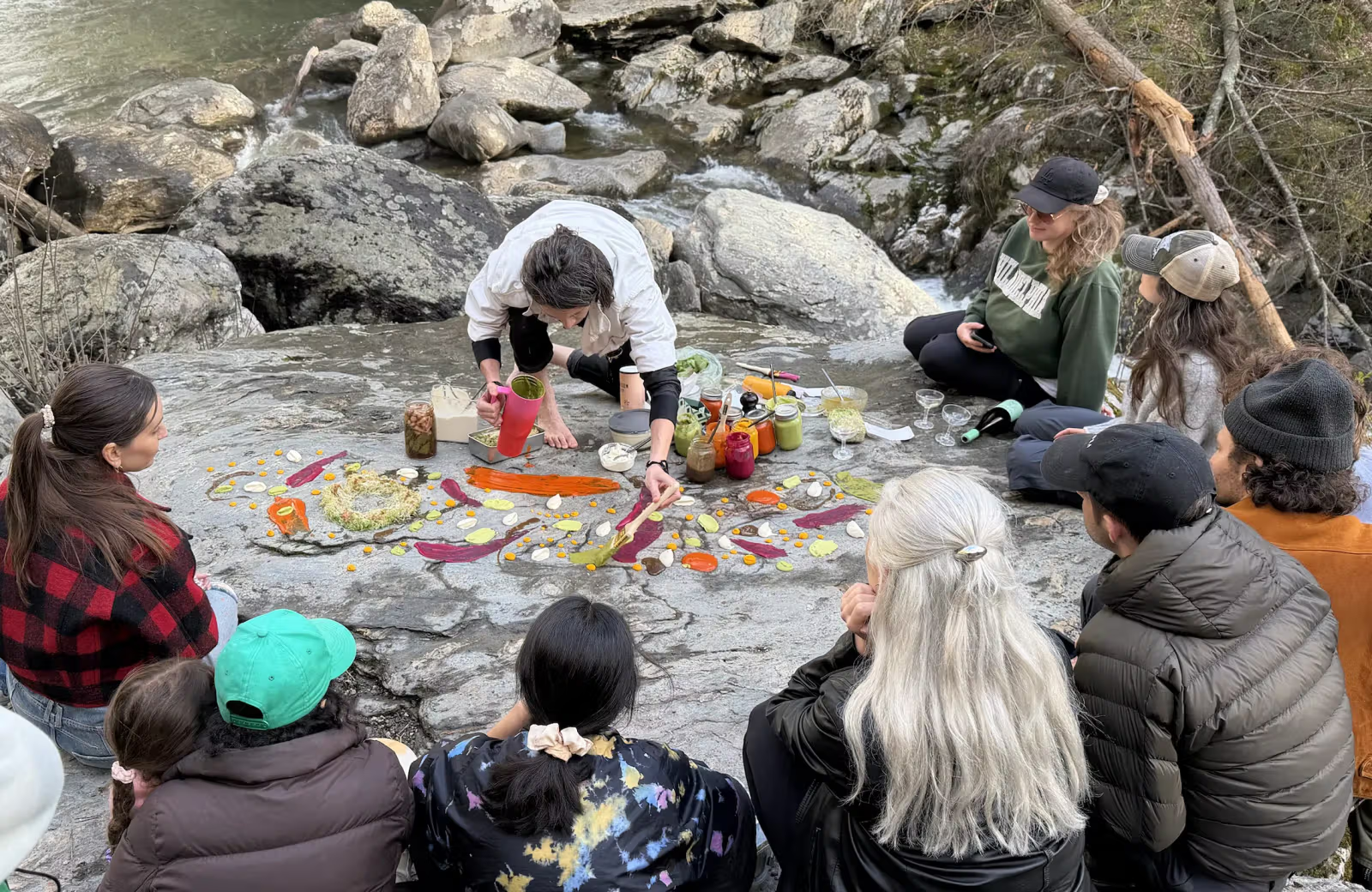
A few months ago, at a retreat in upstate New York, a group gathered not around a picnic blanket but a flat slab of rock beside a waterfall. Co-curator Charles Michel first treated the stone surface with vinegar, then used vegetable purées as paint, brushing on flowers and foraged plants stroke by stroke to compose an abstract piece—no table, no chairs, no plates.
Michel—artist, chef, and self-described "food futurist"—has been making these "food paintings" for fifteen years, but he told Eater that this fully nature-immersed version was something new. He cites French curator Nicolas Bourriaud's theory of "relational aesthetics," which holds that art should explore human social connection in more public, open ways. That day, people scooped up vegetable purée with sourdough bread, playing like children, yet there was also a collective moment of stillness before anyone reached for their food. Some of the purée in the painting was actually the fibrous scraps left over from roasted white asparagus the day before, reboiled into a velvety soup.
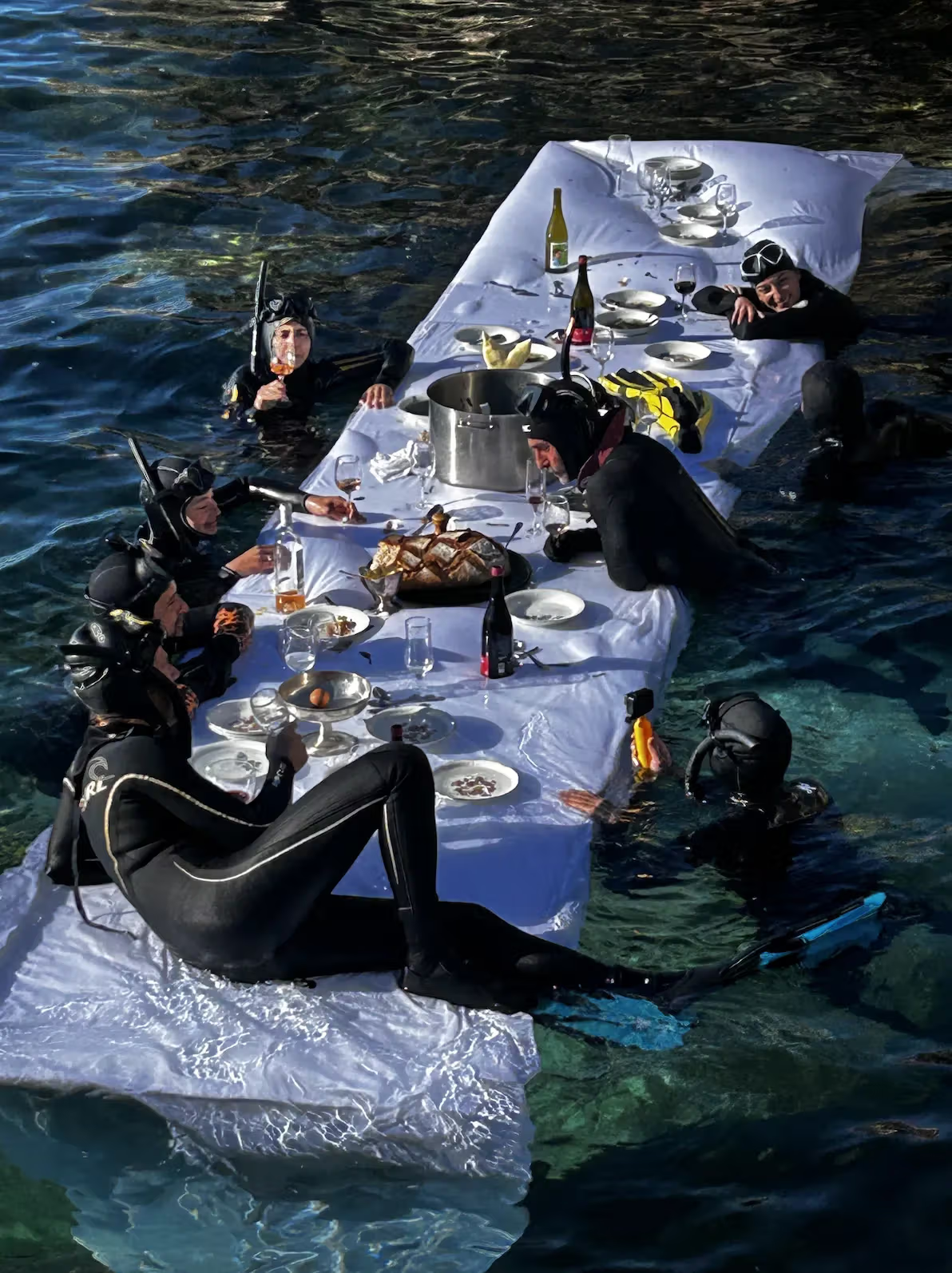
Michel's work is just one example of the "earthwork dining" trend—taking experiential, artistic dining scenes and placing them directly within nature, rather than simply "eating outdoors." This month, the Art Biesenthal festival near Berlin is running The Ever-Changing Table, a series of dinners where leaves replace porcelain plates, vegetables become sculptural centerpieces, and the surrounding landscape becomes part of the table itself. A few months earlier, off the coast of Marseille, France, Résidence Vue Mer curated Banquet on the Sea, designed by culinary artist Alix Lacloche, which placed the dining table directly into the water: the table was built from old wooden planks salvaged from a fish market's cold storage room, the menu was inspired by bouillabaisse and simmered with locally foraged seaweed, and bread was baked inside recycled leather flip-flops as a tribute to artist Daniel Spoerri. The dinner went viral on social media, with many outlets and accounts specifically noting the images were "not AI-generated."
Jim Denevan's Long Table, and the Dining Rules Being Dismantled
The prototype for this kind of dining actually goes back decades. Founded in the 1960s, the puppet theater troupe Bread & Puppet Theater has spent decades serving homemade rye and dark rye sourdough bread in the fields of Vermont, arguing that theater—like bread—should be freed from commercial logic and treated as a basic human necessity. The farm-to-table movement that emerged in the 1970s pushed local, seasonal ingredients to the center of the conversation, paving the way for the large-scale earthwork dinners that followed—like Outstanding in the Field, the traveling dinner series that land artist Jim Denevan launched in 1999. Still touring beaches, fields, and orchards around the world, it seats hundreds of guests at a single sprawling table, with menus designed by local chefs using seasonal ingredients. This week, the dinner caravan rolled into Menorca, Spain, for a dinner timed to coincide with a solar eclipse.
Still, Denevan's long table retains some of the order of indoor dining: rows of chairs, a tablecloth-covered table, knives and forks—all in clear contrast to the natural surroundings. Lacloche's dinner at sea and Michel's rock food painting, by contrast, strip all of that away. "Almost none of the usual rituals of how we normally eat remain," Michel told Eater. "There are no individual plates, no courses served in sequence, and no clear line between audience and participant. But everyone arrives hungry and leaves feeling fed."
Carving the Table Into the Soil: Farm Is Table and The Futurist Cookbook
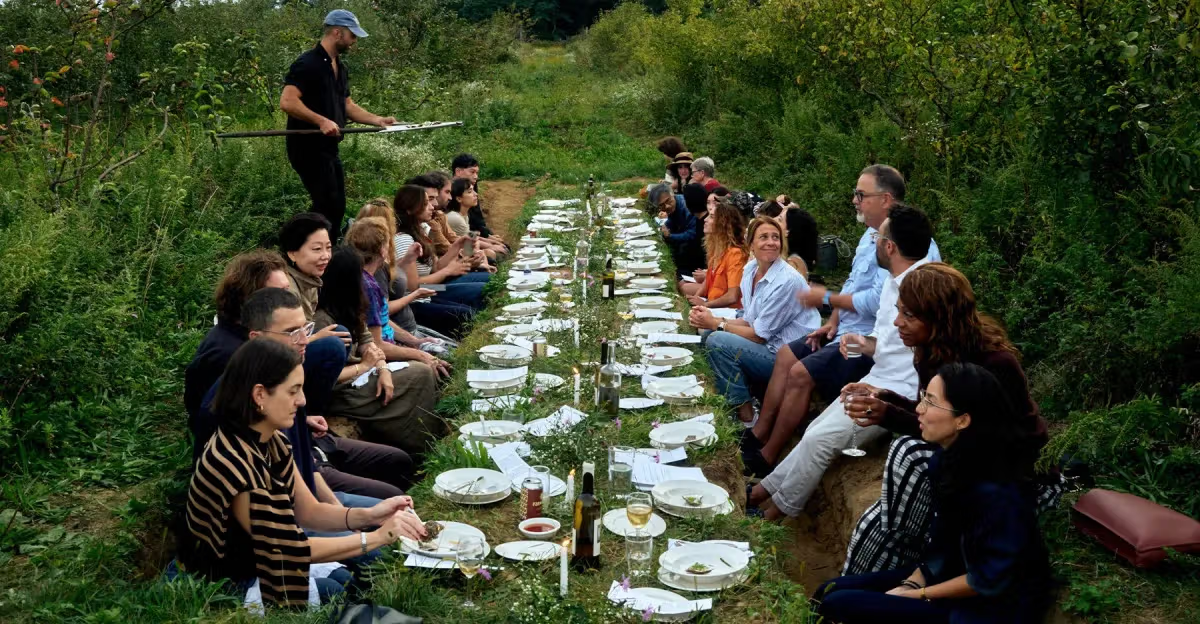
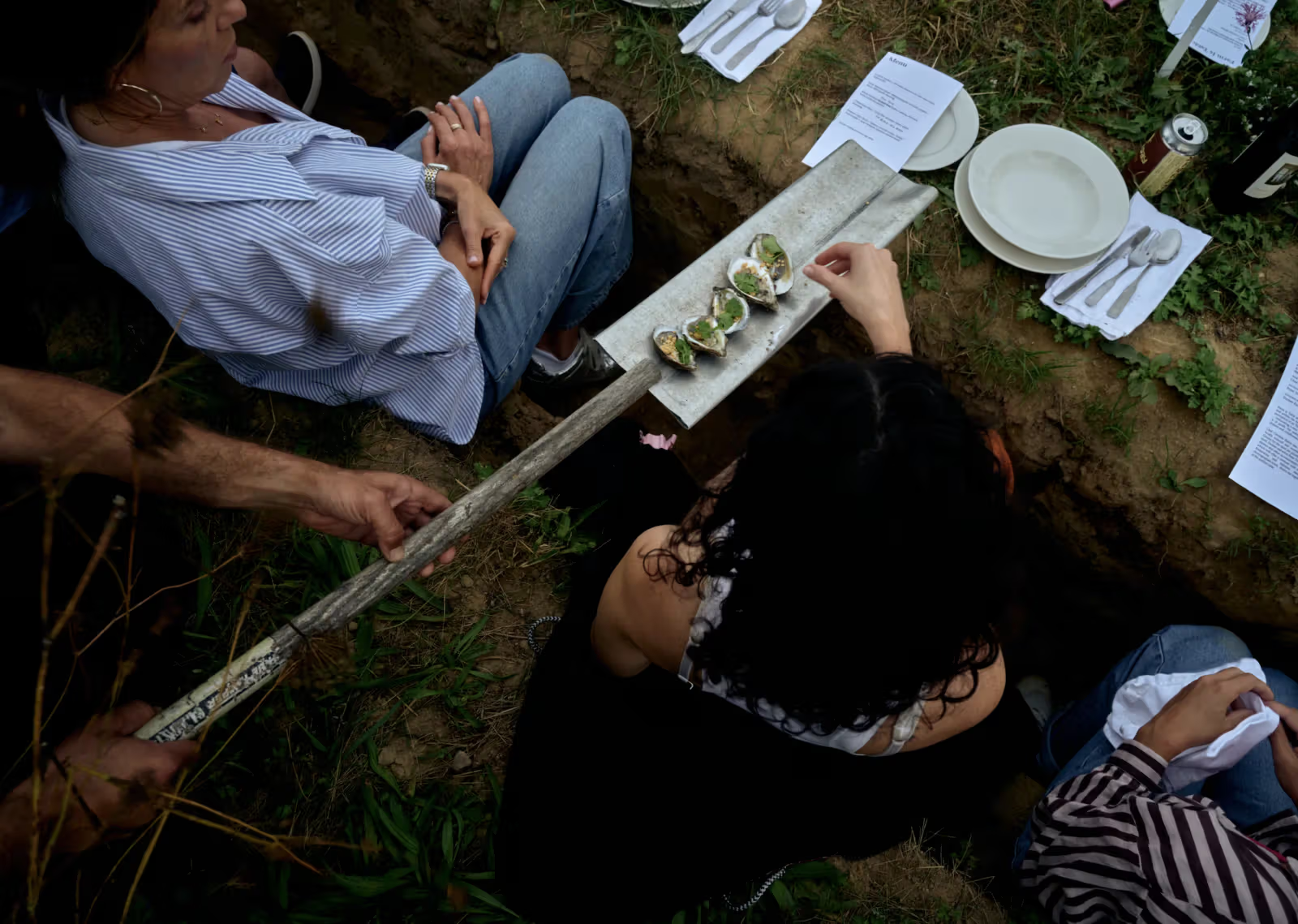
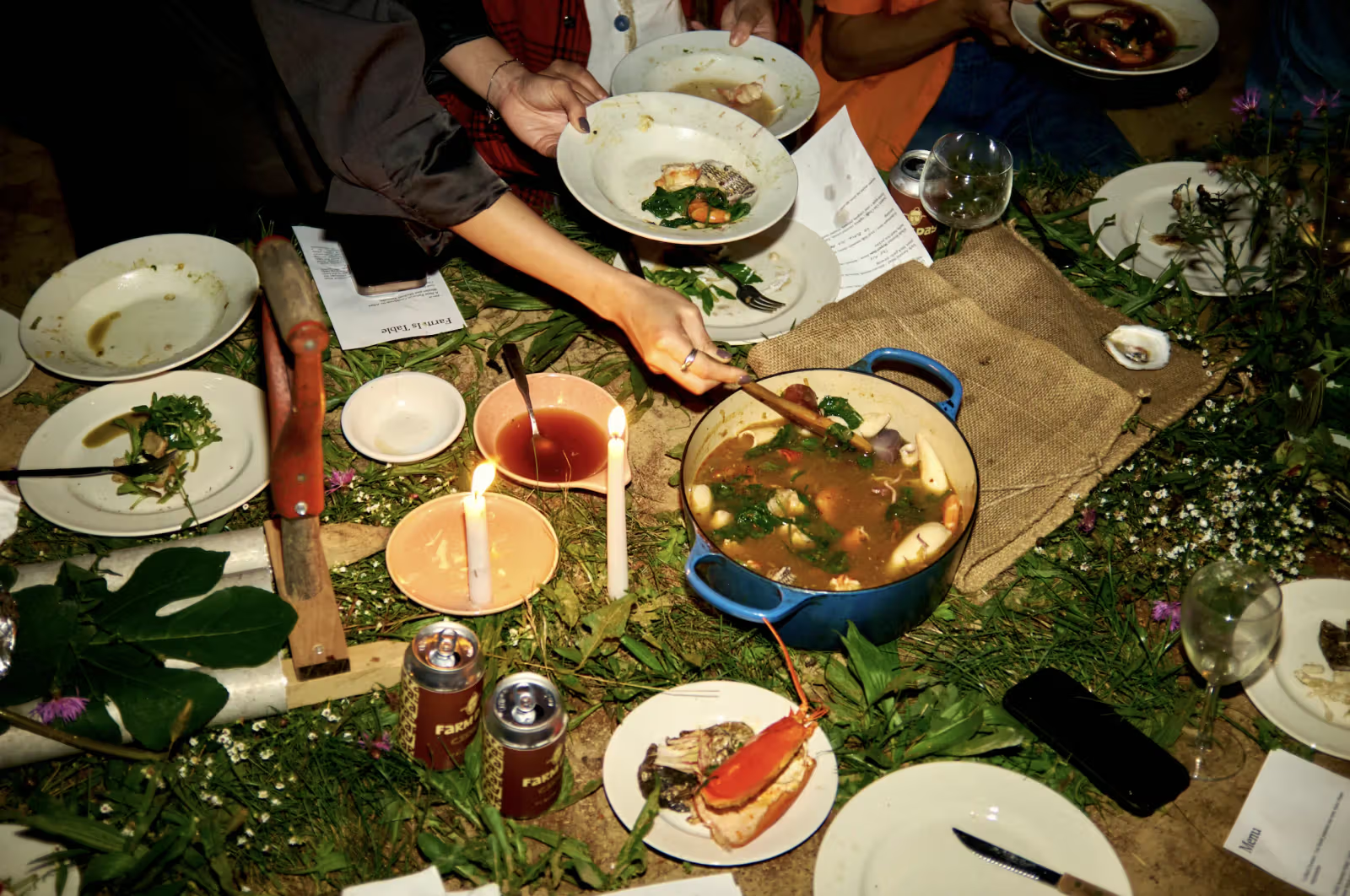
Last autumn, Treiber Farms in Peconic, Long Island, hosted a dinner called Farm Is Table, where the organizers carved seating and tabletops directly into the earth—there were plates, but no tablecloth; a patch of weedy ground was mounded up to elbow height, and oysters were served atop repurposed irrigation pipes from the farm. Artist Allan Wexler, one of the event's co-curators, told Eater it was one of ten dinners he's staging with Michael Yarinsky of Office of Tangible Space ahead of a book due out in March 2027—a reinterpretation of The Futurist Cookbook, the century-old Italian concept cookbook. The book's "Aerofood" concept called for diners to eat with one hand while touching sandpaper or velvet with the other, and Farm Is Table carried on that spirit of intense sensory experience and disrupted dining norms: Wexler dug a 30-foot-long trench as seating for 30 guests, priced at $125 a ticket, lined with candles. "Once the sun went down and the moon came up," he said, "the whole night felt like magic."
Peter Treiber Jr., who runs Treiber Farms with his father, told Eater the dinner was "very seafood-forward—we just used whatever was local and in season at the time"—delicata squash, mustard greens, and roasted tilefish, with oysters supplied by Davy Jones Shellfish Co. "It captured what the North Fork is, caught between land and sea," he said. The guests were a mix of friends, artists, and people who'd come out from New York City, united by an interest in where art and agriculture intersect. "I've spent the last few years exploring that intersection as both an artist and a farmer," he said with a laugh. "This really is fertile ground."
But that "fertile ground" isn't always planted with purely artistic intentions. In recent years, marketing teams have also caught on to the visual impact of earthwork dinners: a few years back, fast-fashion brand Mango sparked buzz with a dinner at a remote stone quarry in Menorca; this winter, L'Oréal carved an entire set of seating and tables out of snow on a mountainside in Savoie, France, for an influencer trip. Striking as these images may be, they sit far from the low-waste ethics most land artists hold dear, and much closer to content engineered to go viral.
Speaking about Farm Is Table, Treiber Jr. said, "The concept is actually simple, but it's remarkably effective at bringing people back down to earth—back to the roots of things." Michel shares a similar view, believing this kind of dining experience forces people to confront overconsumption, loneliness, and the growing disconnect between people and land, and between one another. "That's the whole point," he said. "Food is the Trojan horse."