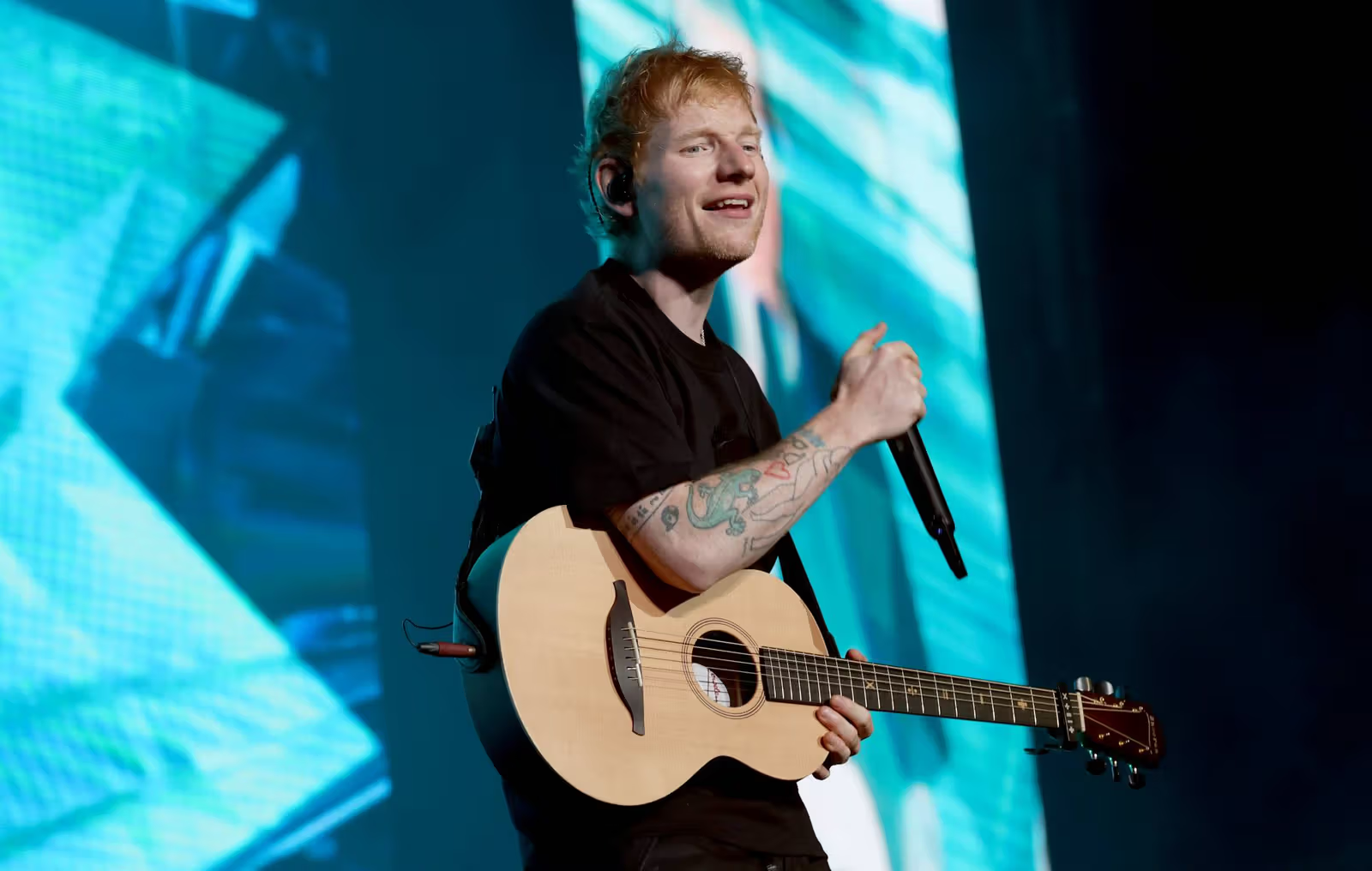
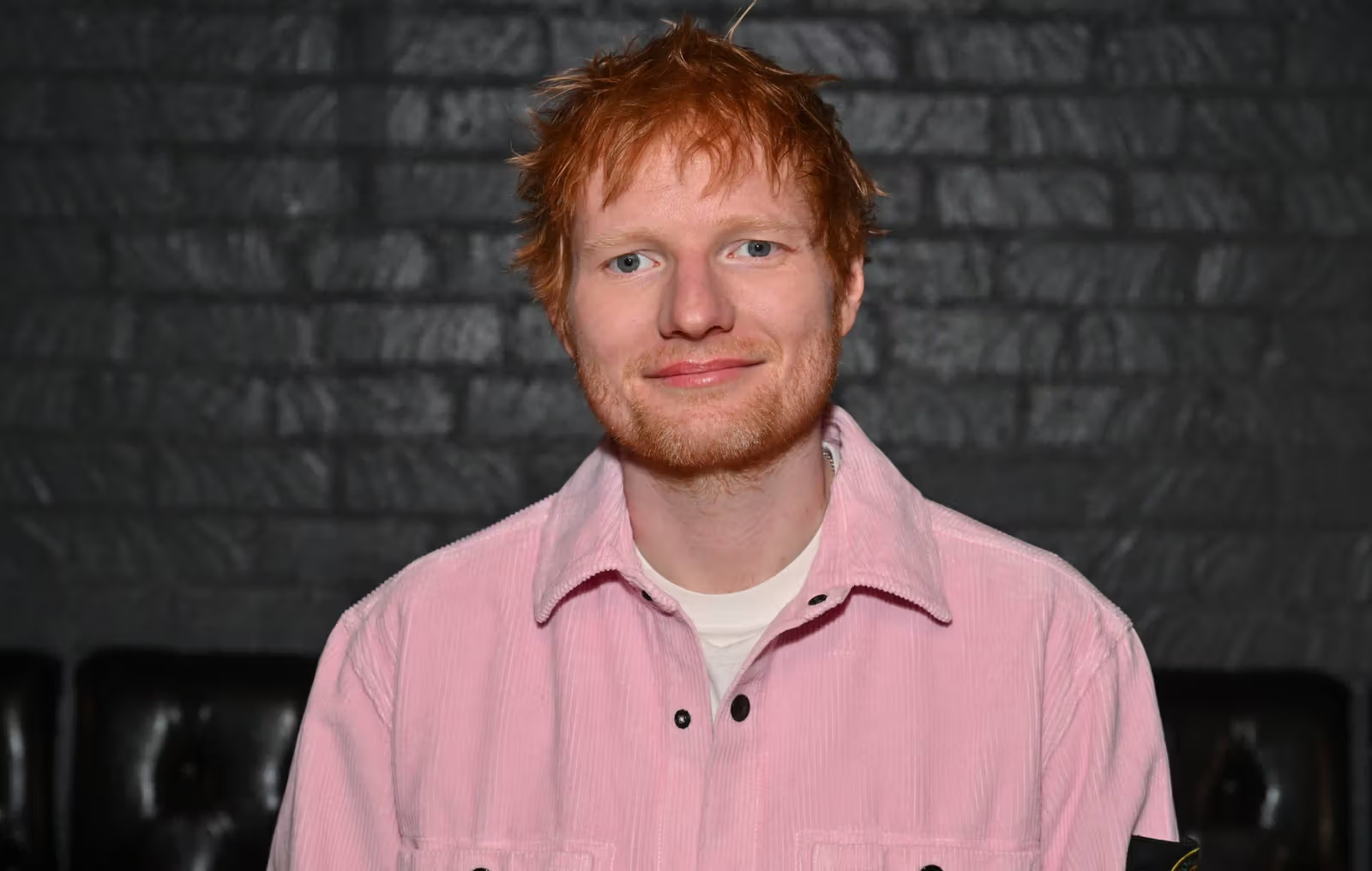
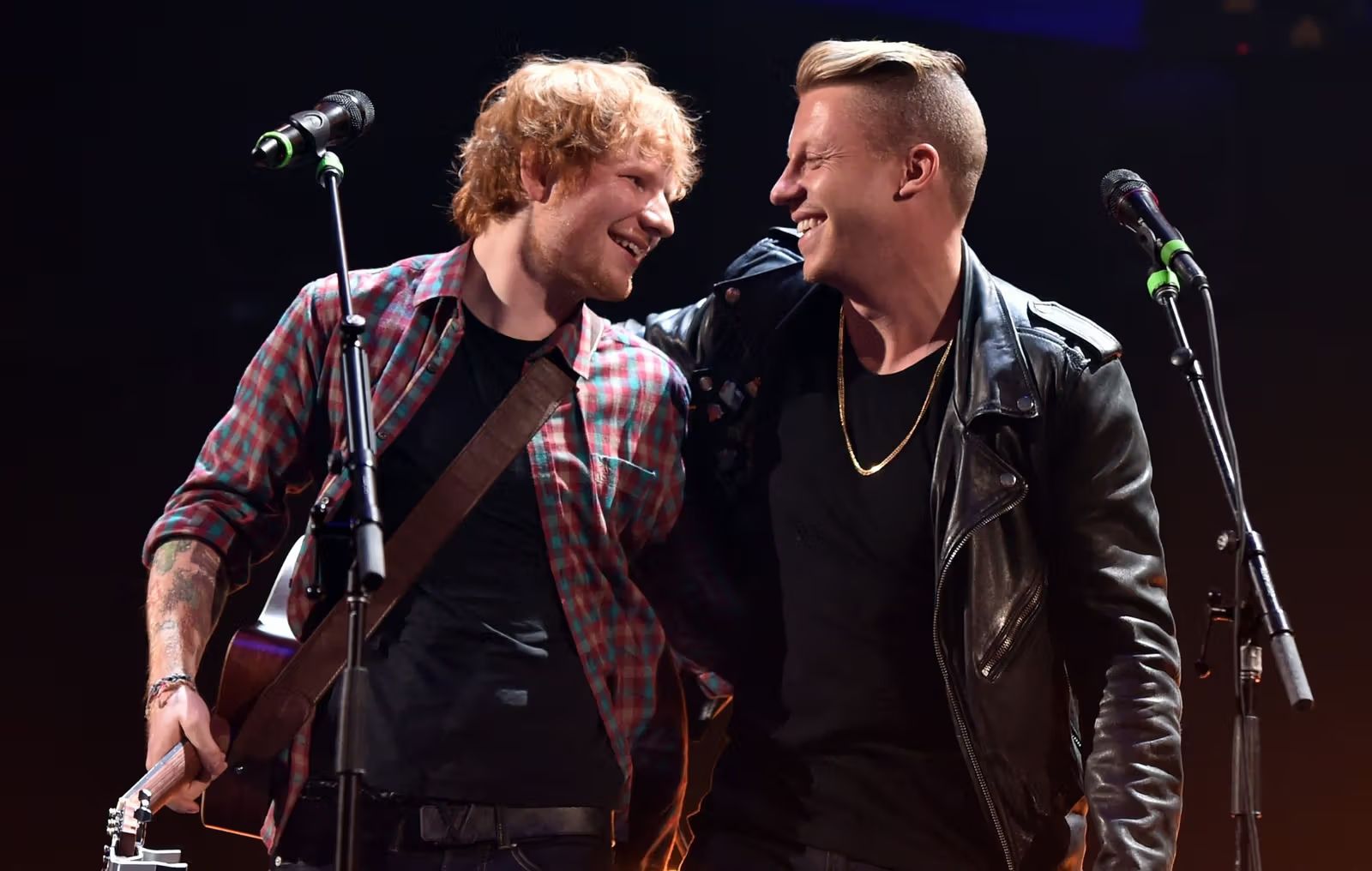
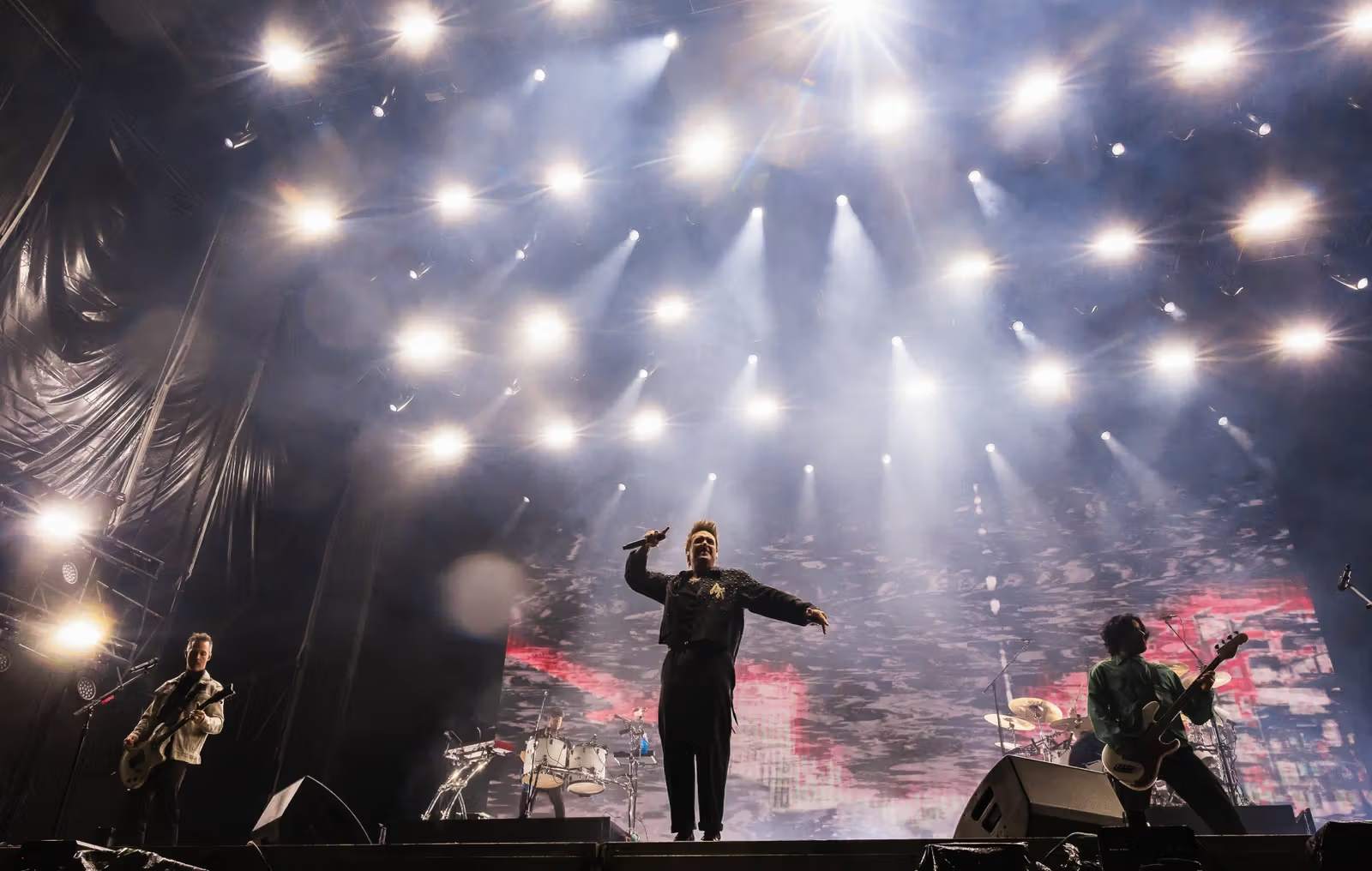
On the night of September 19 at Lincoln Financial Field in Philadelphia, Ed Sheeran sat at the edge of the stage and read off a teleprompter: "This week has been the worst week of my life, today has been the weirdest day of my life, but tonight, honestly, has been the best show of my life." Fifty thousand people in the crowd. On stage, a band he'd thrown together in just one week.
It all started with Macklemore. While opening for Sheeran at Gillette Stadium in New Jersey, he delivered a speech in support of Palestine and was subsequently dropped from the tour. Gillette Stadium owner Robert Kraft publicly stated the remarks were "deeply offensive" and "hurtful to the Jewish community," while Pink and the Israeli American Council also called for him to be removed from the tour. After Macklemore was cut, nearly the entire support lineup for the tour emptied out almost instantly.
A Tour Lineup Wiped Out in a Week
FINNEAS, Lukas Graham, Aaron Rowe, and Irish traditional folk group Beoga — who had been serving as Sheeran's backing band — all released statements in support of Macklemore and withdrew from the tour. Not long after, BIIRD and Myles Smith, who had also recently opened for Sheeran, voiced their support as well. BIIRD wrote, "We stand behind every word he said, without reservation," while Myles Smith said, "What the Palestinian people are going through is impossible to look away from — no child, no family should have to live through bombing, displacement, hunger and fear."
Pink Floyd's Roger Waters publicly called Sheeran a "little prick" and praised Macklemore for "doing the right thing"; Massive Attack said, "In the face of a massacre of over twenty thousand children, neutrality can never be neutral." Sheeran has yet to directly respond to these comments or the musicians' departures. He has said he is "not complicit" and that he is "shocked" by the Israel-Palestine conflict, calling the suffering on both sides a "tragedy."
On the Philly Stage, a Band That Learned Everything in Three Days
Before returning to the Philadelphia stage, Sheeran addressed the entire crowd, acknowledging that he had made some "difficult, possibly wrong" decisions that week and apologizing. He referred to last October 7th's Nova music festival attack as "shocking, deepening centuries of pain the Jewish people have carried," while describing the situation in Gaza as "catastrophic, unjust and excessive," and said the "systemic injustice" happening in the West Bank "cannot be ignored." He said he was talking with people on both ends of the spectrum, "because I don't understand enough yet."
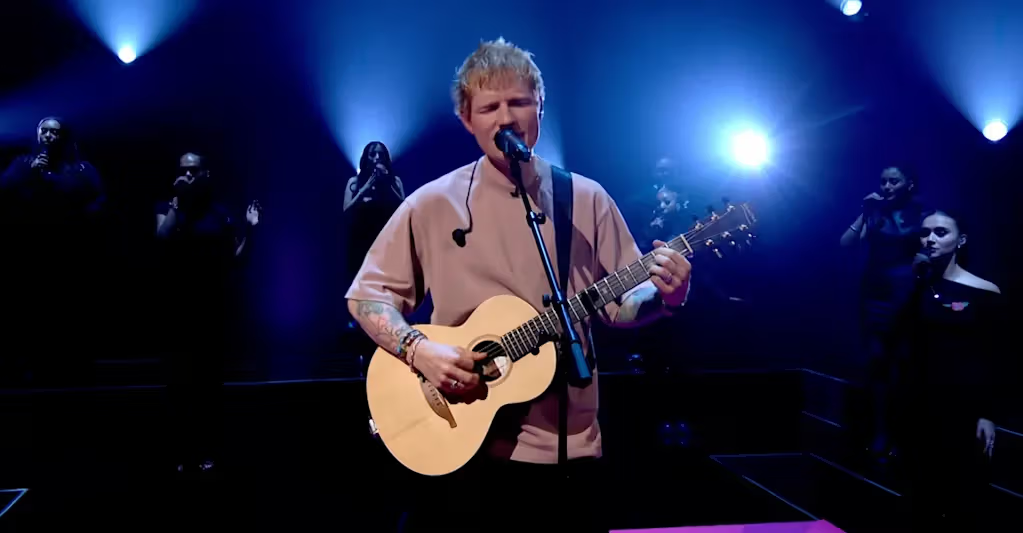
Midway through the show, he cut the segment where he usually walks out to the "B stage" in the middle of the crowd. "I didn't know what would happen if I walked out into the crowd — I didn't know if someone would throw something at me, I didn't know if everyone was mad at me." He also explained why the band looked unfamiliar: many songs had relied on musicians beyond his loop pedal, and after Beoga dropped out, he called a friend he'd worked with the year before and asked if she'd get on stage — she said yes. He then asked if she had any musician friends. "They had three days to learn these songs, and they knew that just by standing on this stage, the whole world might hate them too."
What kept him going wasn't public opinion — it was ticket sales. "I looked at the ticket sales for this show. I didn't see refunds, I saw people buying tickets. Everyone told me to cancel, friends I'd known for years pulled away one by one, but by the end of the weekend, I saw fifty thousand people who hadn't abandoned me." He said if the tour ended here, "love wouldn't win."
The controversy has left behind some concrete numbers: Sheeran's Instagram lost over 200,000 followers, while Macklemore gained more than 1.6 million. Macklemore had earlier donated the entire $1 million he earned from the tour to Palestinians, and Kraft subsequently pledged an additional $2 million for "aid on the ground."