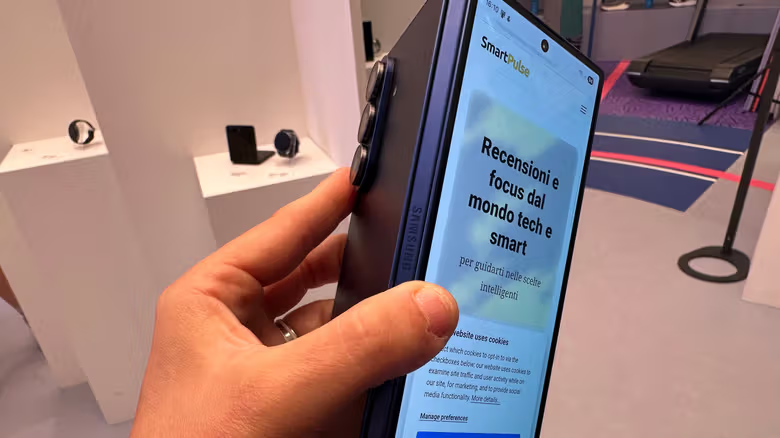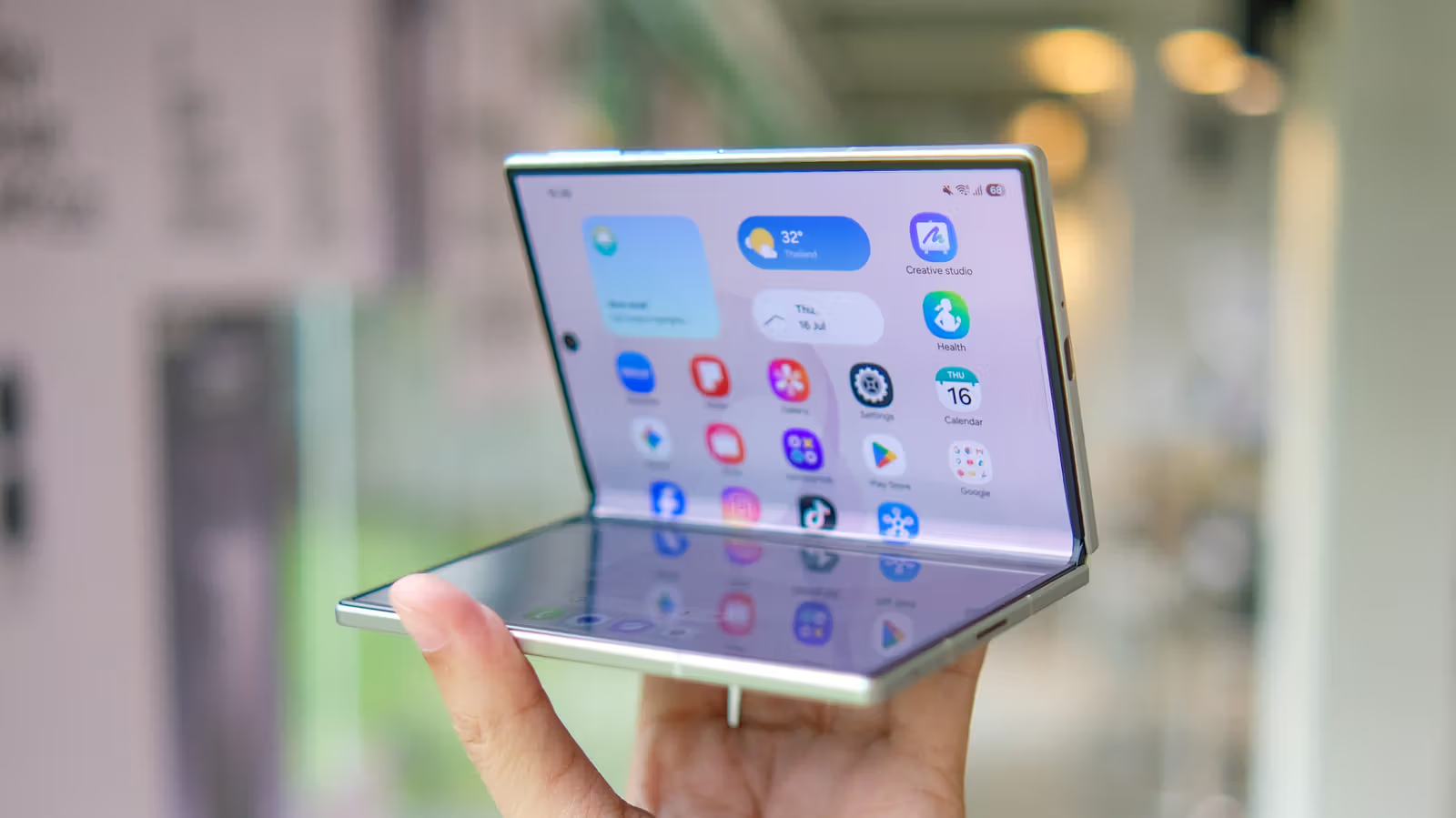
When it comes to screen protectors on foldable phones, the answer actually splits into two parts: slap one on the outer screen all you want, but don't even think about touching the inner screen. Sounds obvious, but early Samsung Galaxy Fold users learned this the hard way—some peeled off the factory protective film on the inner screen themselves, and the display promptly broke. Samsung later issued a specific warning urging consumers not to remove this layer on their own.
The issue lies in the inner screen's structure. To survive hundreds of thousands of fold cycles, foldable displays can't use the rigid glass found in regular phones—instead, they're built from multiple layers of flexible material stacked together. To protect these fragile layers, foldable phones typically come with a built-in protective film straight out of the box. Take the Samsung Galaxy Z Fold8, for example: its pre-applied protector uses a flexible TPU material designed specifically for foldable screens. Apple's newly announced first foldable, the iPhone Duo, similarly adds a protective layer above the display stack, plus an extra nano-texture coating that gives the screen a matte finish while also reducing the visibility of the crease.
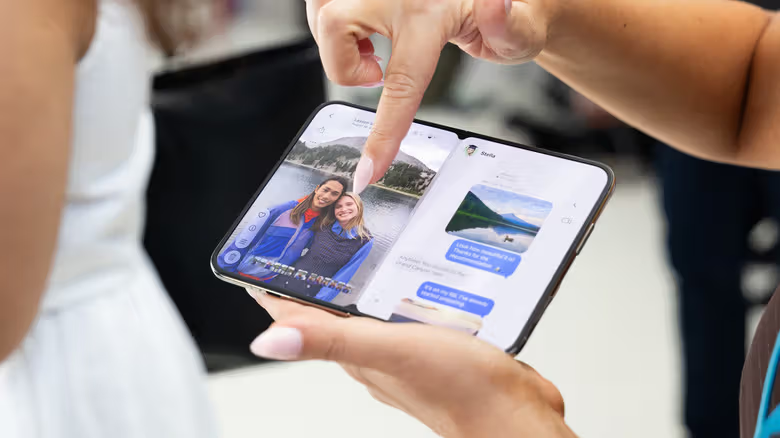
There are indeed third-party ultra-thin screen protectors on the market—under 0.1mm thick—made specifically for foldable inner screens. But the risks are worth thinking twice about: manufacturers explicitly state that applying unofficial protectors to the inner screen can damage the entire display panel. Both Samsung and Apple offer inner screen protector replacement services, provided it's done through official tools and procedures. If your foldable's inner screen already looks worn, the right move is to take it to an authorized repair center—not try to fix it yourself.