What to know | Four Seasons Hotel Tokyo at Marunouchi Reopens After Renovation: André Fu Redesigns 57 Guest Rooms
The key details: Four Seasons Hotel Tokyo at Marunouchi reopened room bookings on April 29, 2026, following a renovation led by designer André Fu, featuring 57 guest rooms and suites that blend mid-century style with Japanese craftsmanship. Flagship restaurant Sézanne remained open throughout the renovation.
Four Seasons Hotel Tokyo at Marunouchi reopened after renovation on April 29, 2026, marking the completion of a full-scale refurbishment of the property located near Tokyo Station. The redesign was led by designer André Fu, who reinterpreted the guest rooms and public spaces with a contemporary residential concept, keeping the hotel's scale compact with just 57 guest rooms and suites.
How Did André Fu Reinterpret the Hotel's Spatial Language?
The hotel entrance now features a modern Japanese-style tea lounge, complete with washi paper panels and views of a Japanese garden, creating a transitional space for guests before they enter the hotel proper. This arrangement means the tea lounge is not merely decorative, but sets the visual and atmospheric tone for the stay experience that follows.
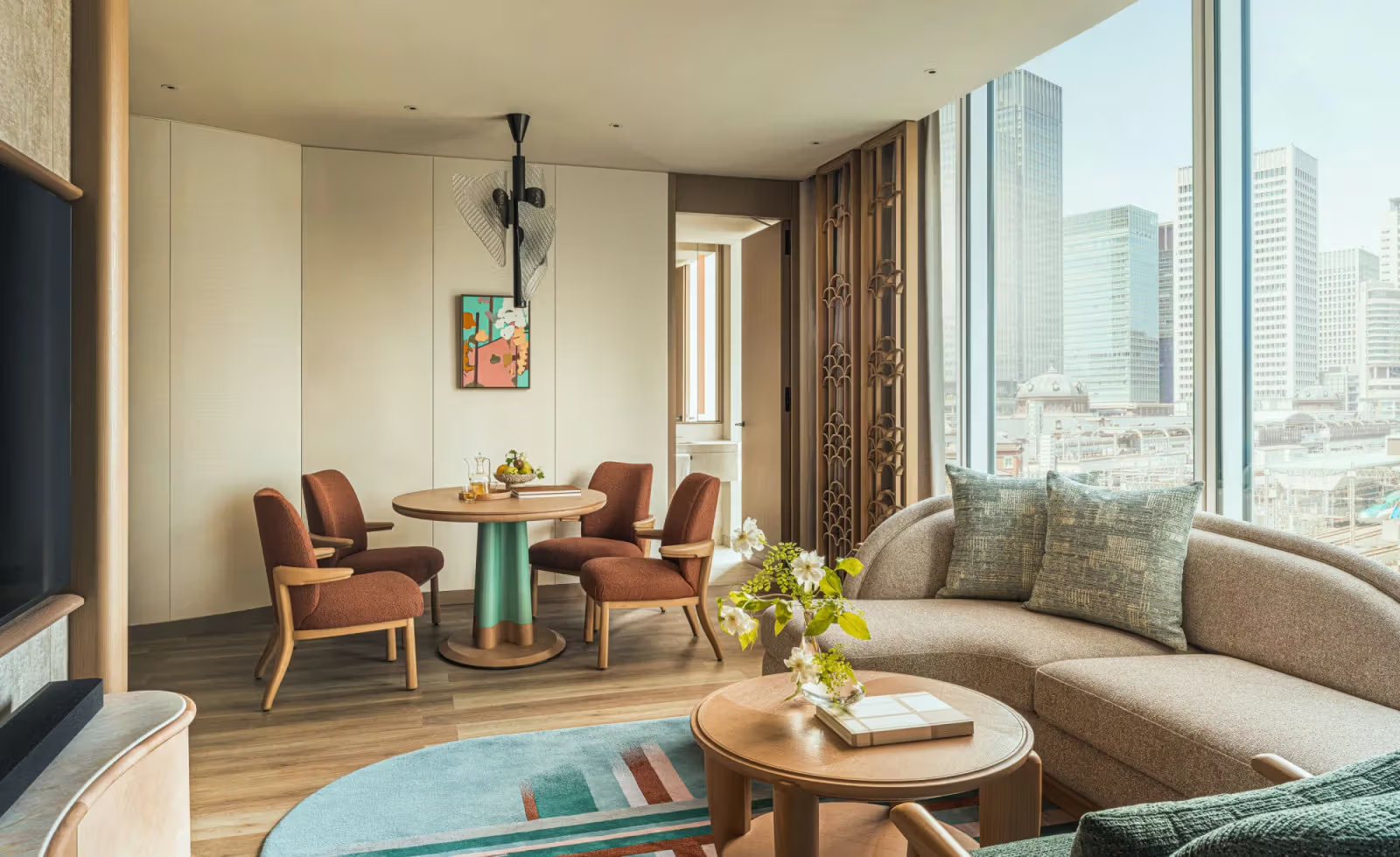
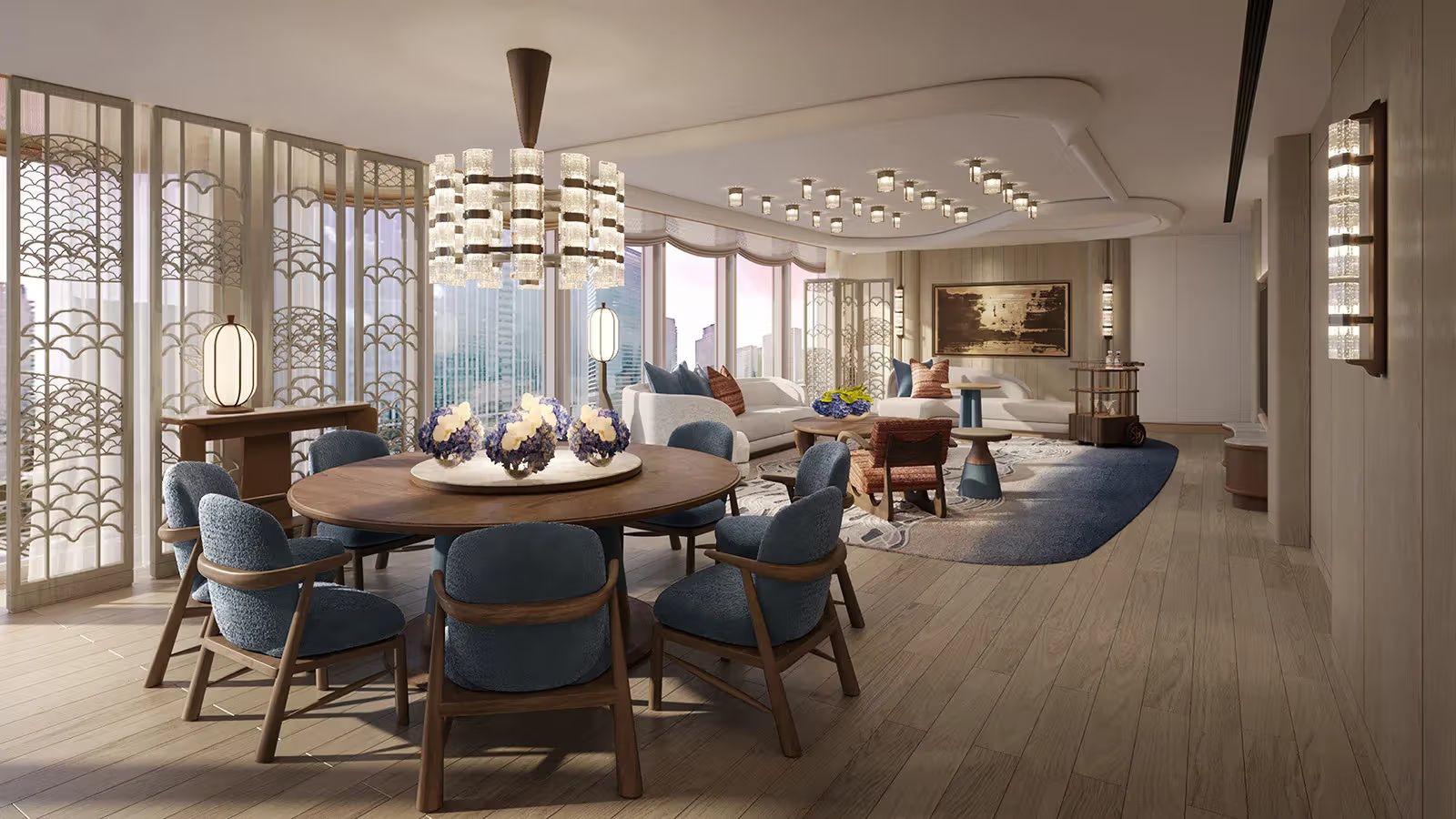
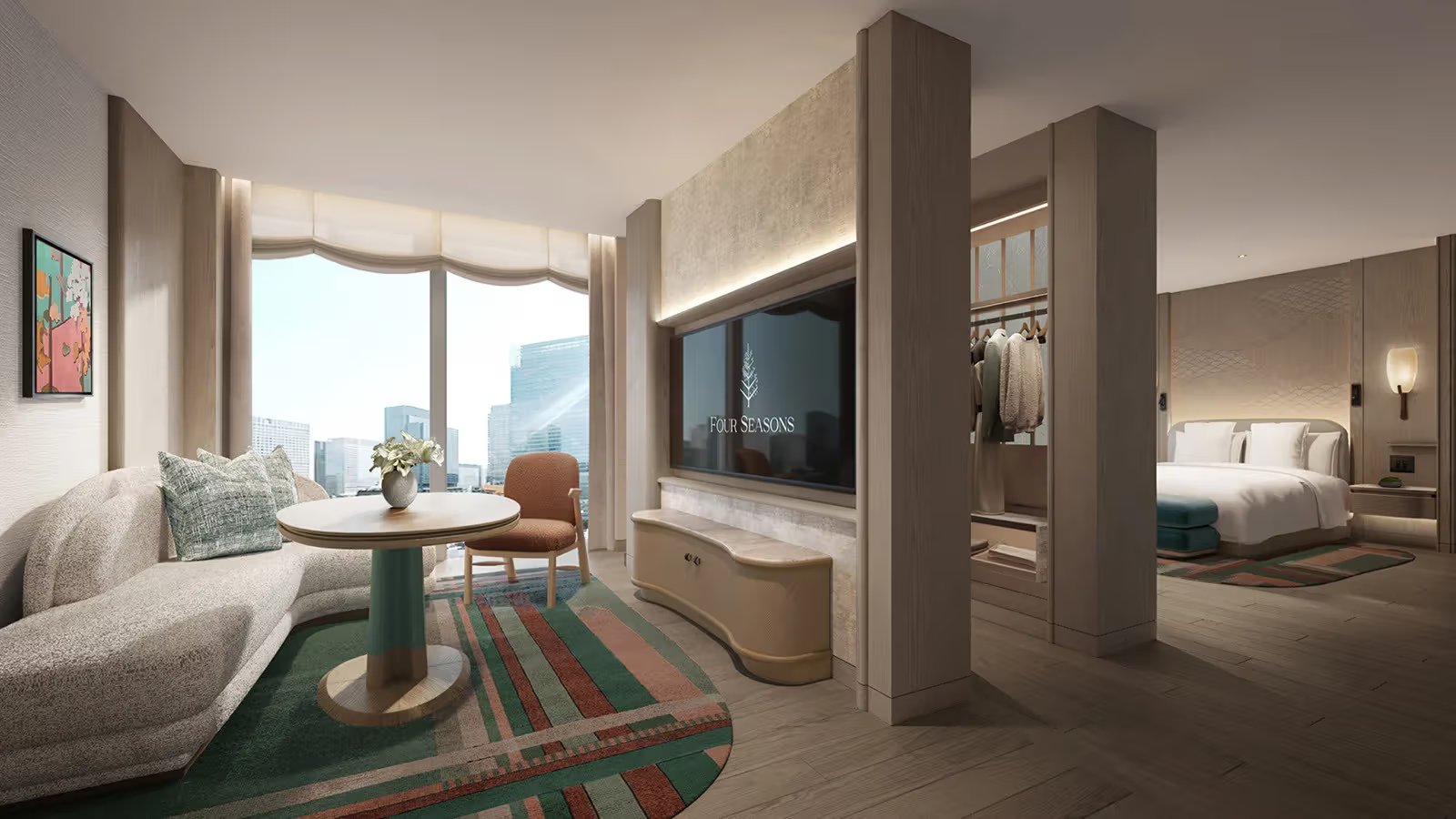
The guest room interiors blend mid-20th-century style with traditional Japanese craftsmanship, evident in the use of bronze lighting fixtures and cherry wood inlay details. These touches suggest the design does not simply apply a Western contemporary residential vocabulary, but deliberately incorporates local materials and craft techniques, giving the rooms a sense of cross-cultural composition.
The Tokyo Manor Suite at Four Seasons Hotel Tokyo at Marunouchi combines mid-century style with Japanese craftsmanship. Image: Tatler Asia
Did the Flagship Restaurant Sézanne Remain Open During the Renovation?
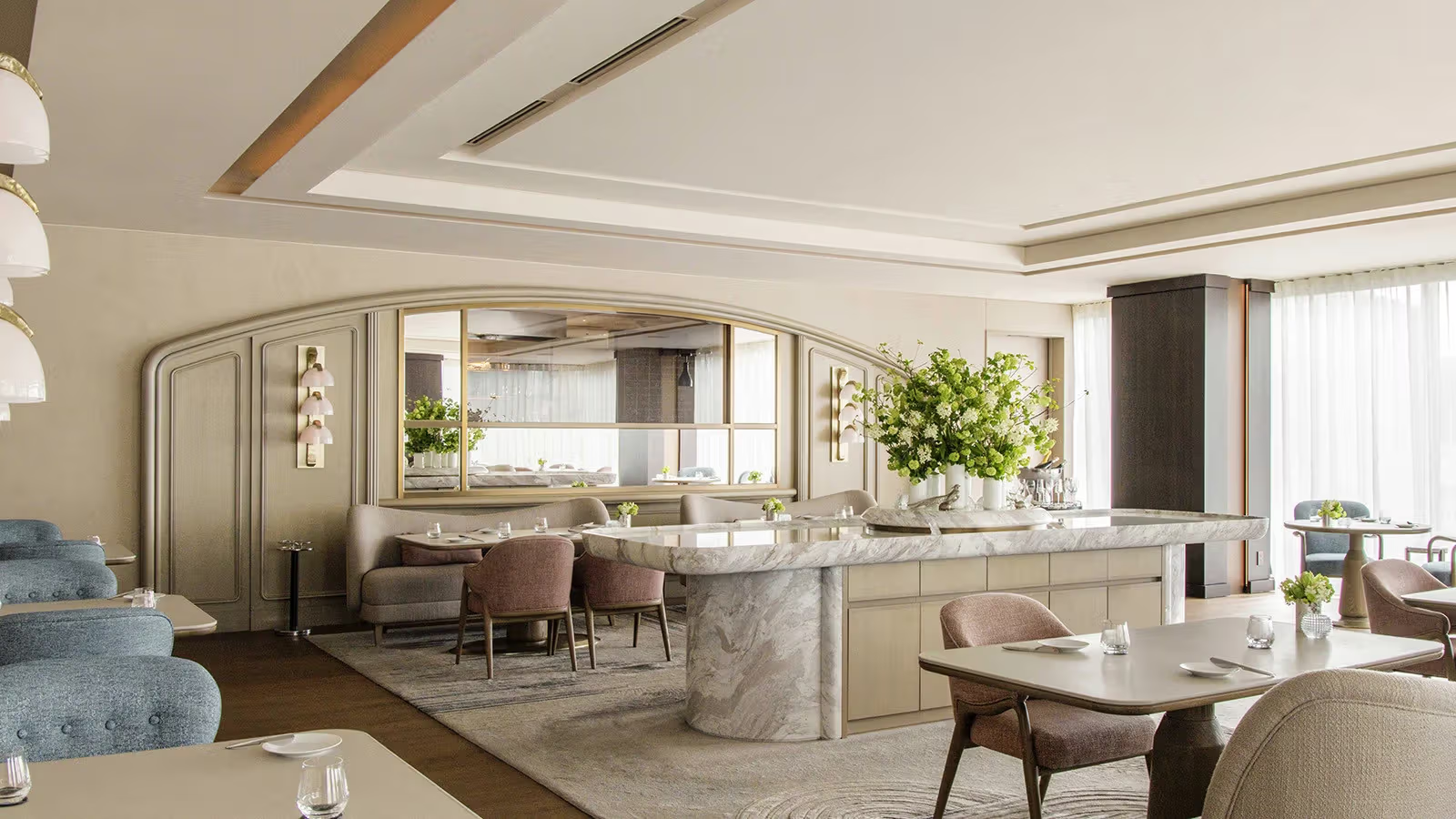
The hotel's French restaurant Sézanne continued operating throughout the renovation and was not suspended due to the hotel's refurbishment. Sézanne has previously been named a top restaurant of the year by the Tatler Best Awards and remains one of the hotel's long-standing dining highlights. For visitors already familiar with the restaurant, the renovation did not interrupt their existing dining options.
The guest room spaces combine materials such as bronze lighting fixtures and wood inlay. Image: Tatler Asia
The total of 57 guest rooms and suites offers a clue to understanding the hotel's scale, though it cannot alone be used to infer a reduction in room types or an increase in individual room sizes. What can be concretely observed from this renovation is the connection between the entrance tea lounge, the washi paper, and the craftsmanship details in the guest rooms, allowing the public spaces and room settings to share a unified design language.
Restaurant Sézanne remained open to the public throughout the hotel's renovation. Image: Tatler Asia
The hotel's location near Tokyo Station remains unchanged before and after the renovation, continuing to be an existing advantage in terms of its geographic positioning. For visitors who need to plan itineraries using Tokyo Station as a transit hub, this locational benefit remains consistent after the renovation.
Overall, the core changes of this renovation are concentrated in the guest room design and the reimagined entrance space, with the juxtaposition of Japanese elements and mid-20th-century style becoming the defining feature of the new rooms. When planning a stay, guest rooms and restaurant reservations should still be booked separately, with room types, dining times, and reservation conditions confirmed according to actual dates.