What to know | Hibiki Turns 37: Tracing Kyoto's Craft Heritage from Chiso Kimono to Washi Paper Labels
The key details: As Hibiki whisky marks its 37th year, Suntory draws on Kyoto's traditional craftsmanship, linking Chiso kimono artistry, the Yamazaki Distillery, and washi artist Eriko Horiki's label design to reveal the craft lineage behind this blended whisky.
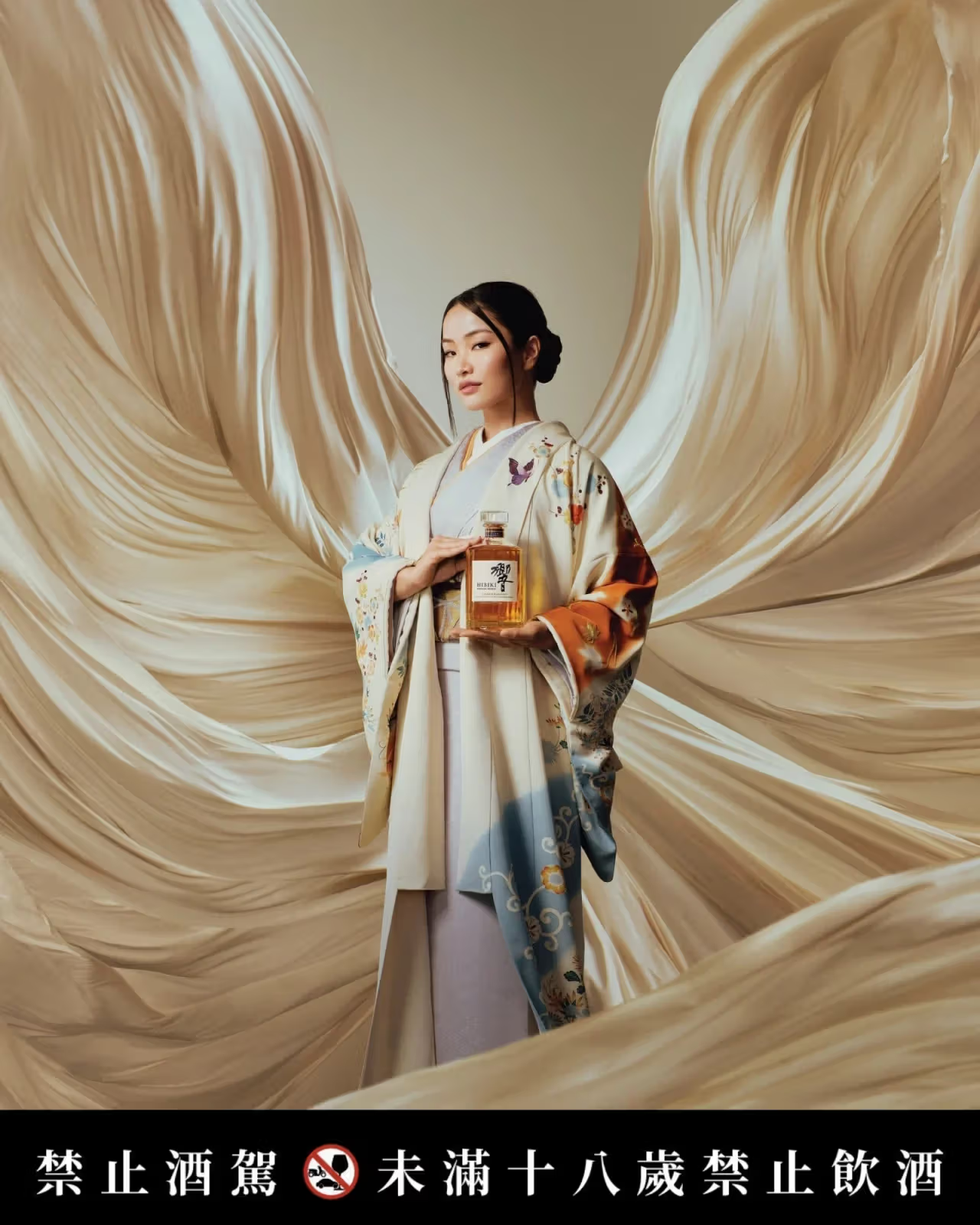
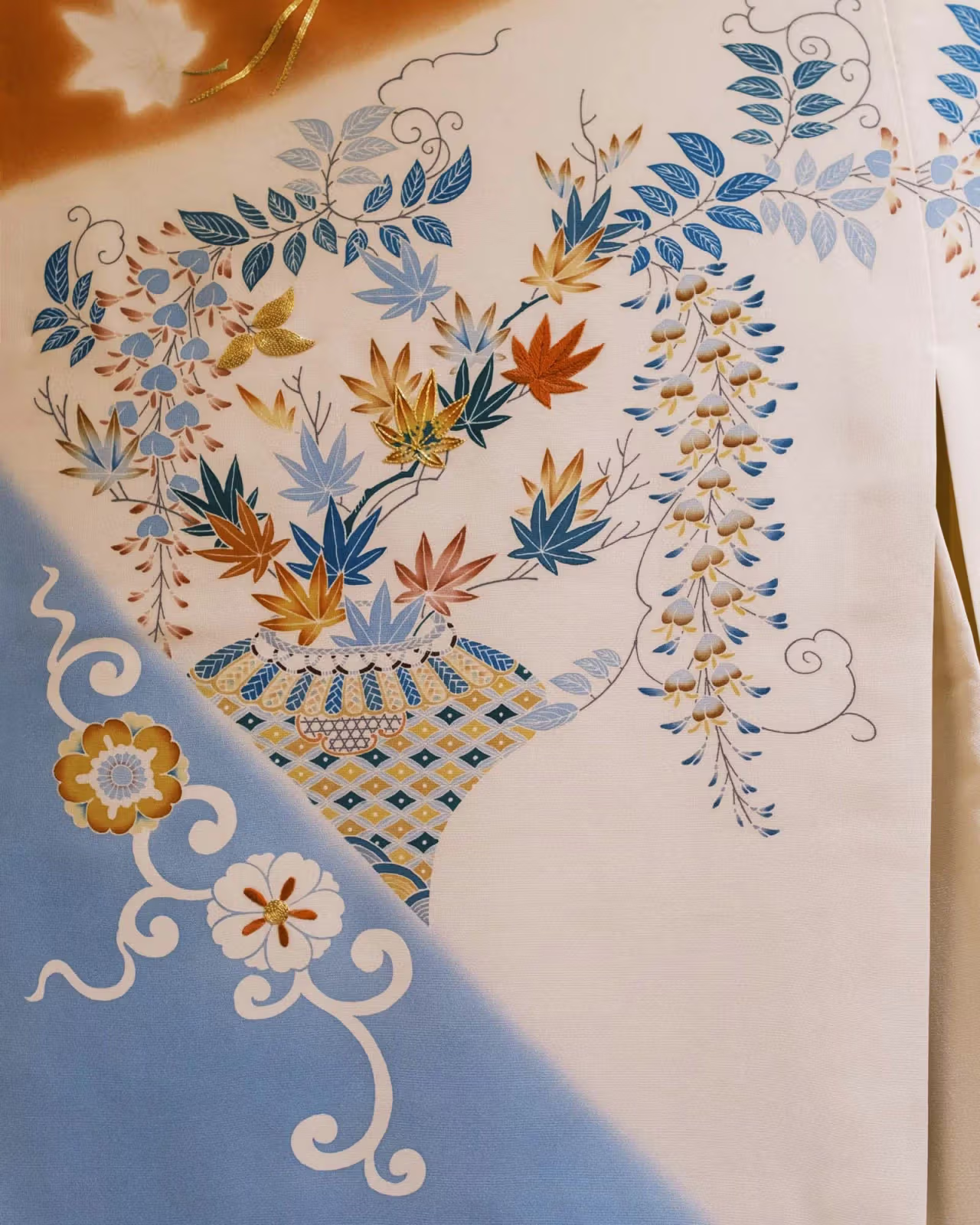
2026 marks the 37th year since Hibiki, Japan's blended whisky, was first introduced. To mark the occasion, Suntory has launched its first global campaign, 'The Pinnacle of Japanese Aesthetic Craft,' featuring actress Anna Sawai as global brand ambassador. In the campaign, she wears a kimono specially created by Kyoto kimono workshop Chiso, hand-painted using traditional Yuzen dyeing techniques to depict seasonal motifs—spring wisteria, autumn maple leaves, and winter plum blossoms—connecting Kyoto's traditional craftsmanship with Hibiki's brand narrative.
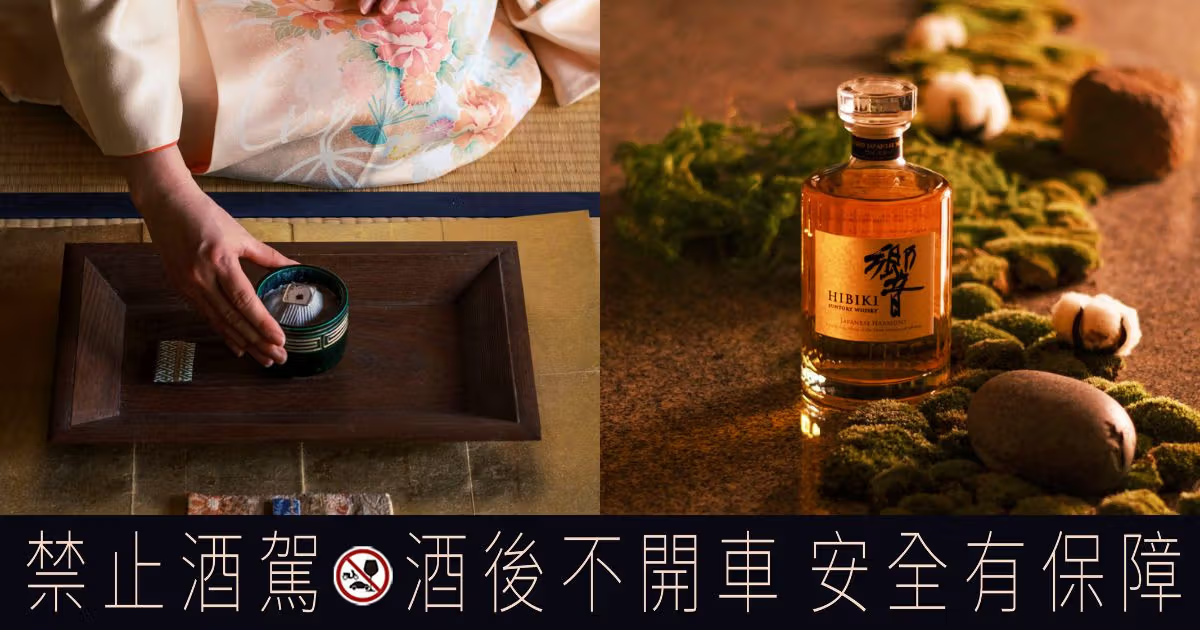
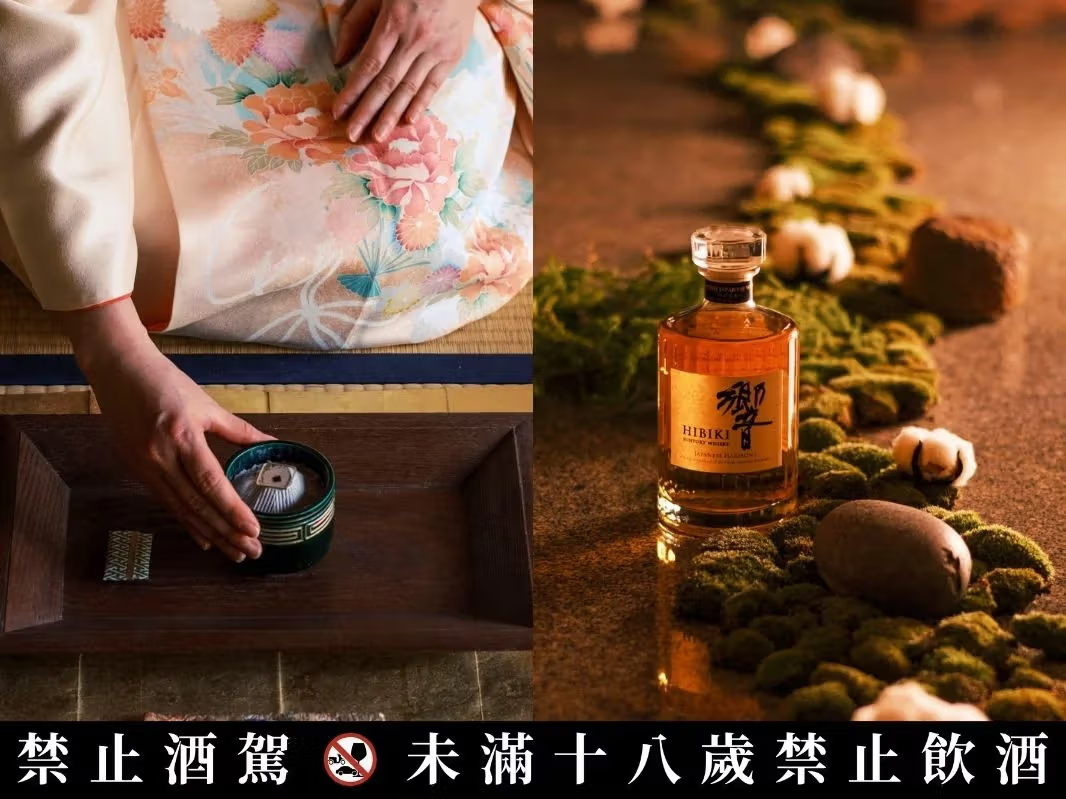
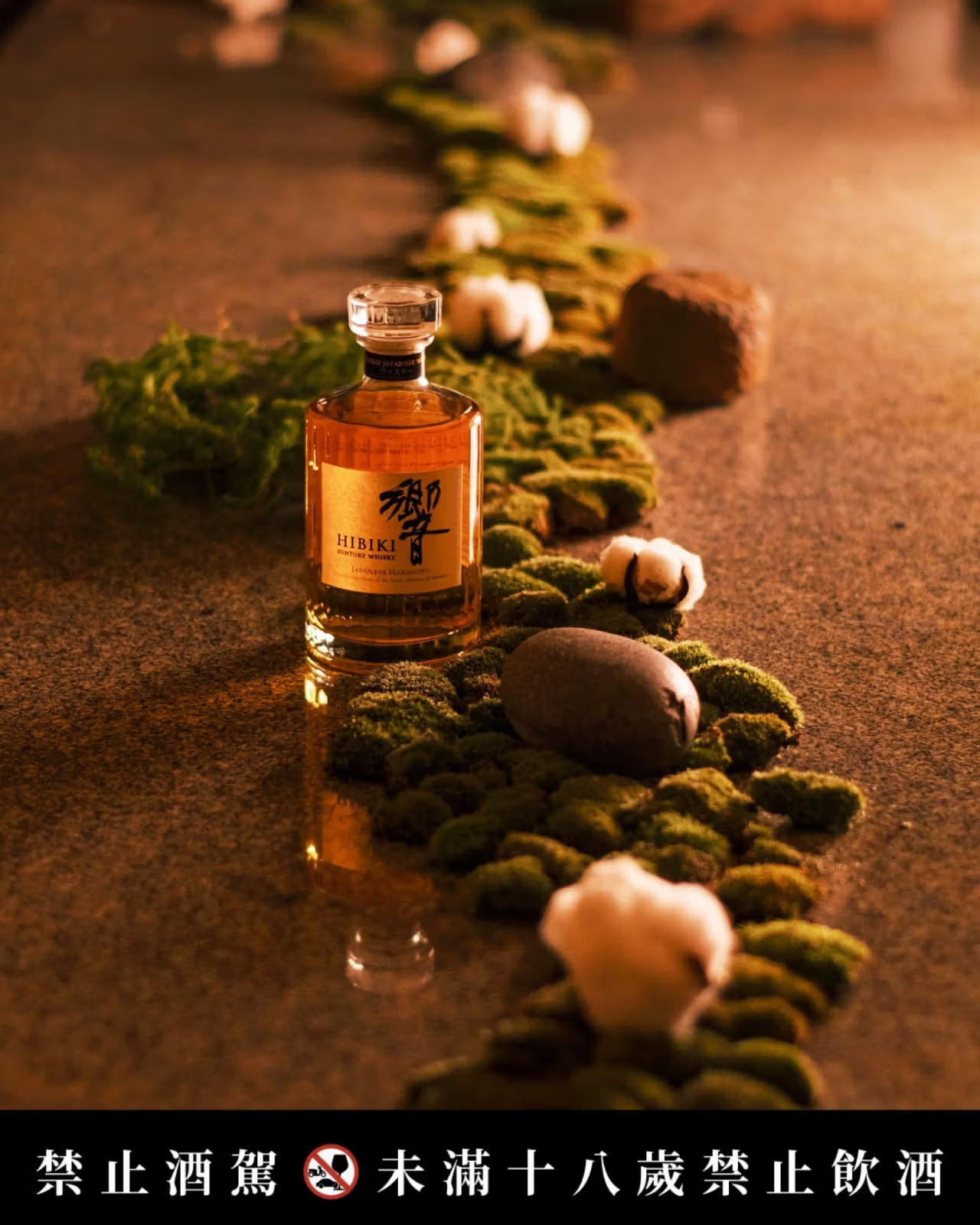
HIBIKI brand image. Image: SuntoryAnna Sawai appears as global brand ambassador in Hibiki's 37th anniversary campaign. Image: Suntory
How does Chiso connect with Hibiki?
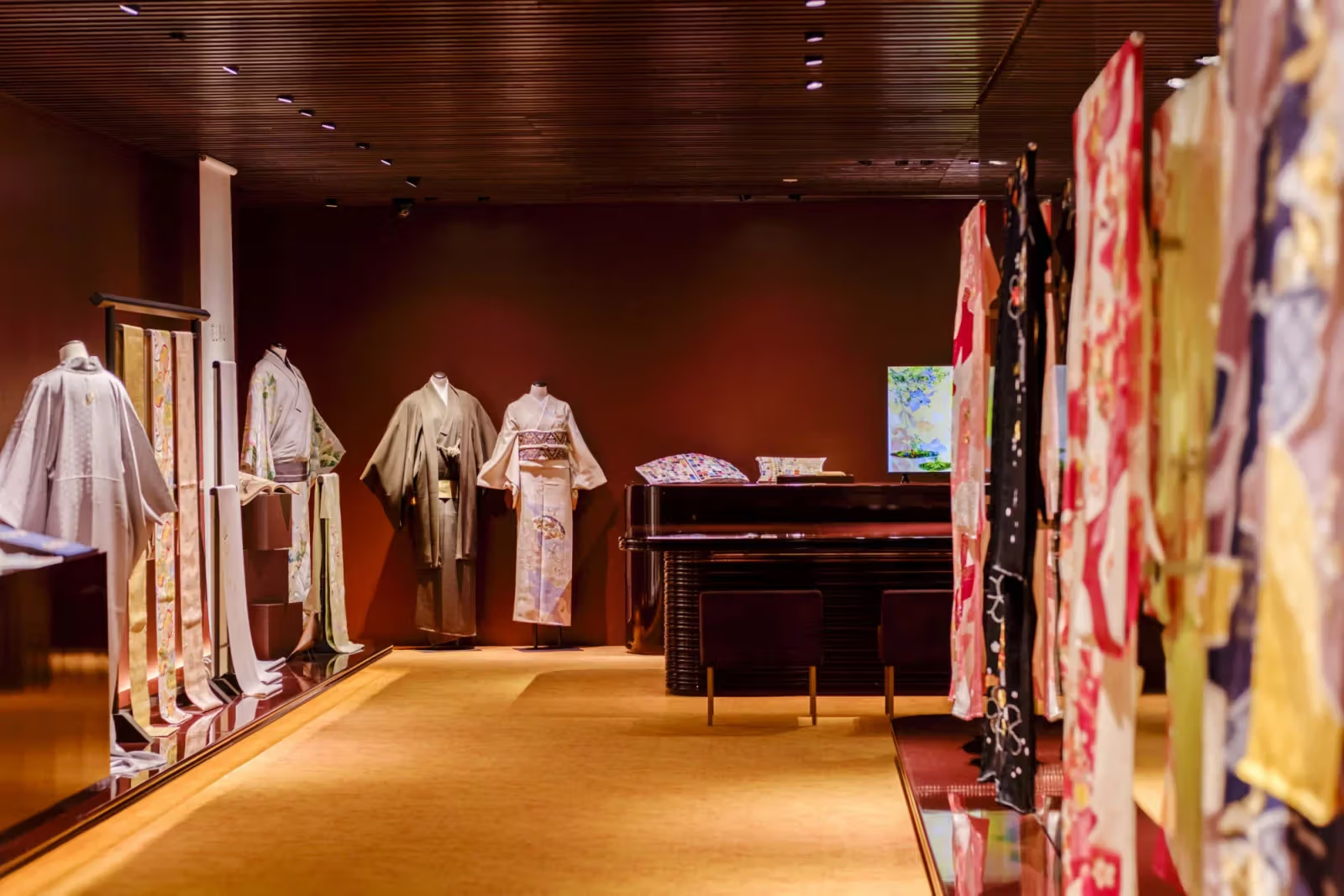
Founded in 1555, Chiso is one of Kyoto's oldest kimono workshops, historically producing ceremonial garments for imperial nobility and Kyoto temples. In this collaboration with Hibiki, Chiso's Yuzen-dyed kimono depicting the four seasons forms the visual centerpiece of the campaign, extending Hibiki's craft narrative beyond whisky into the realm of Kyoto's traditional textile artistry.
Kimono made by Chiso for the HIBIKI advertisement. Image: Suntory
Yuzen dyeing is a traditional technique combining hand-painting with dyeing, commonly used in formal kimono production, emphasizing seasonal motifs and layered coloring. The kimono created by Chiso for this campaign embodies this very technique to express the Japanese seasonal aesthetics that Hibiki emphasizes.
Founded in 1555, Chiso is one of Kyoto's oldest kimono workshops. Image: Suntory
What role does the Yamazaki Distillery play in the Hibiki blend?
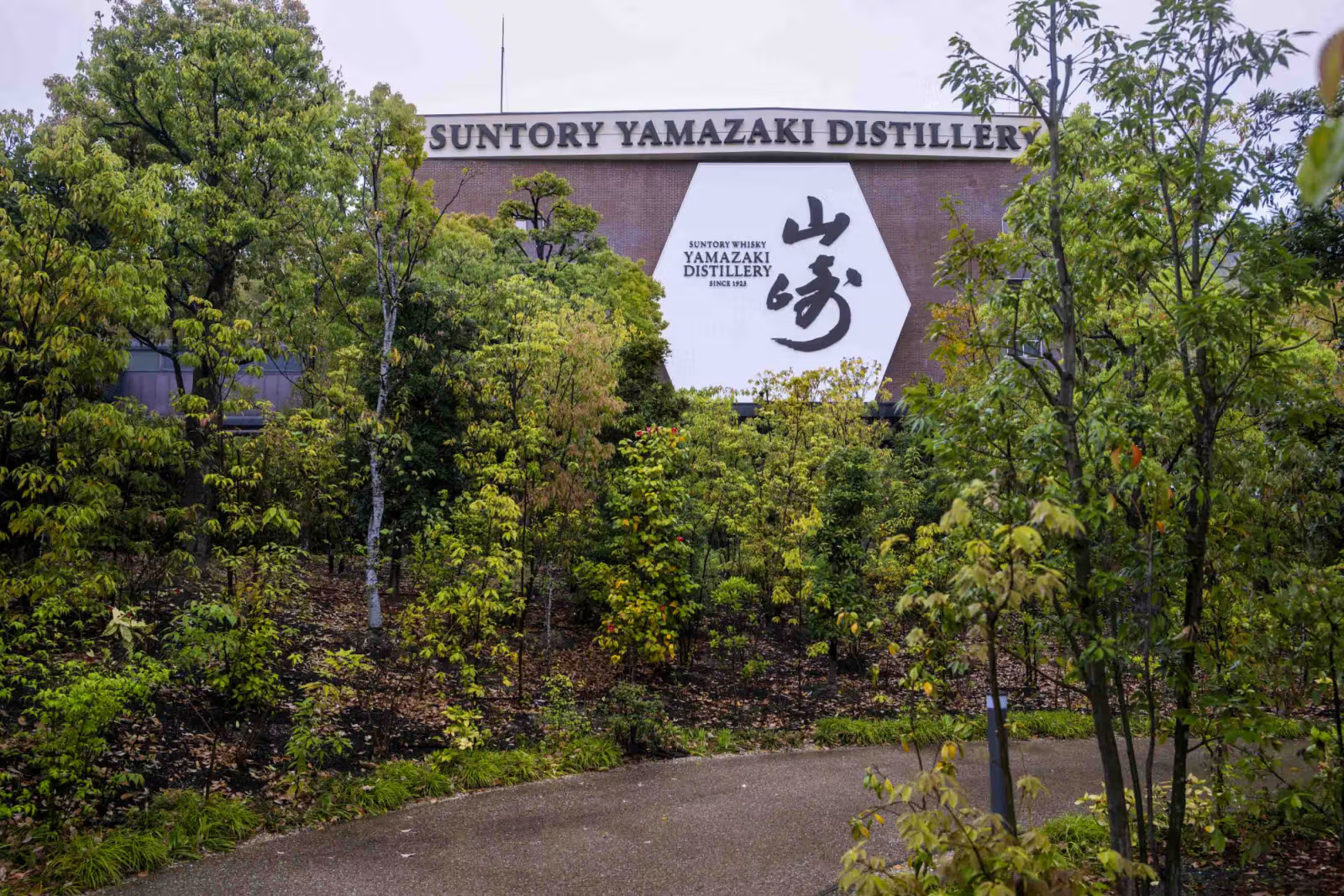
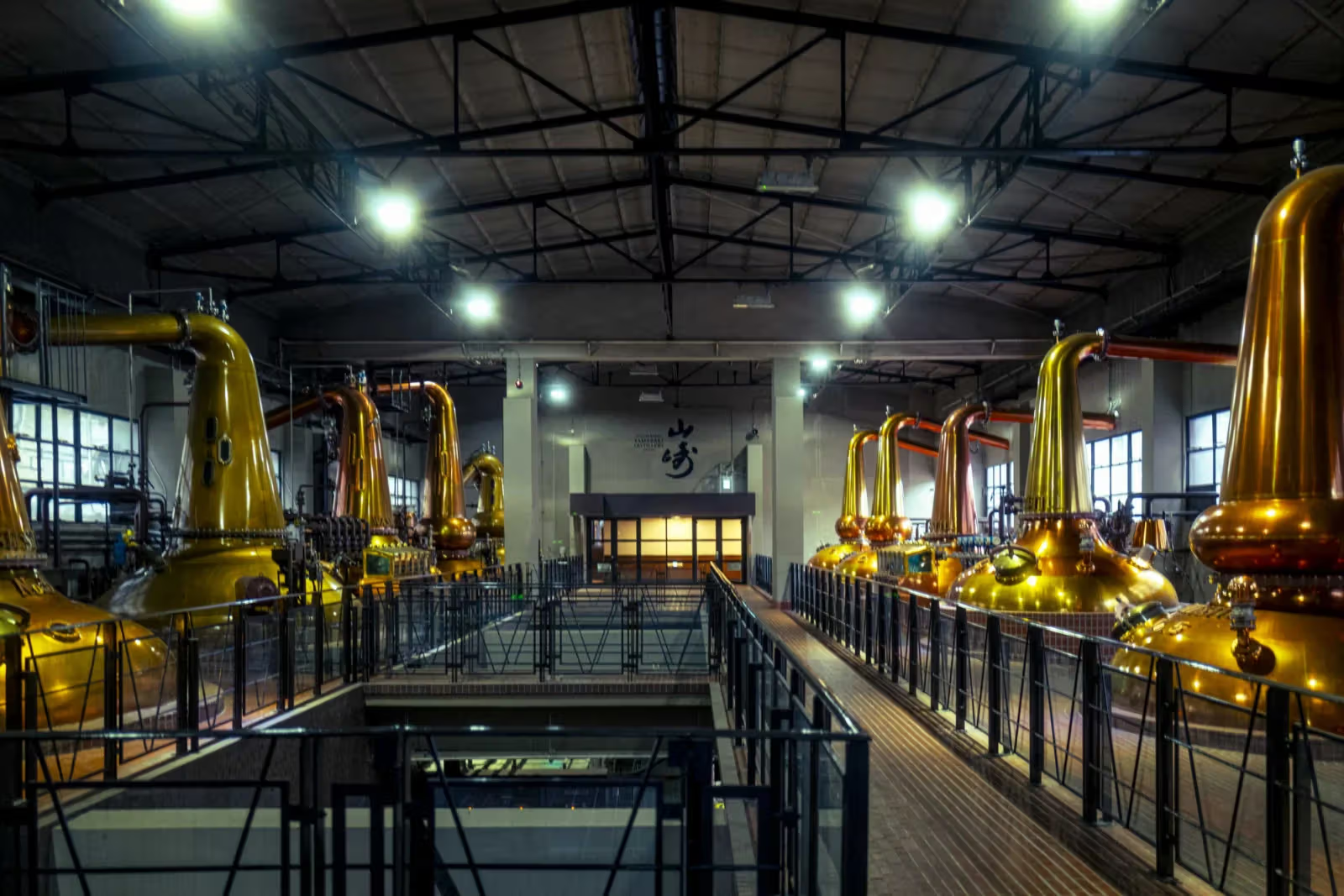
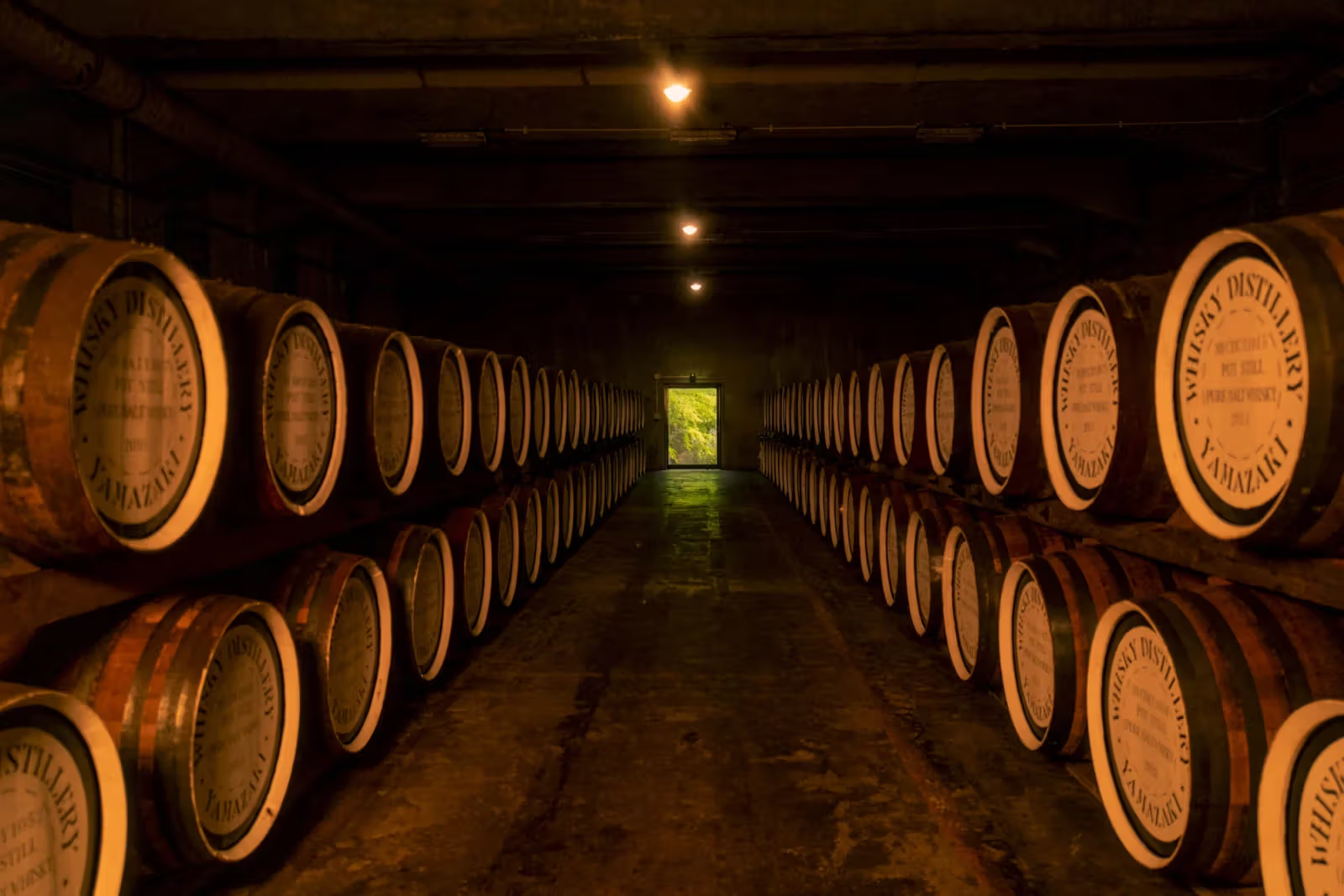
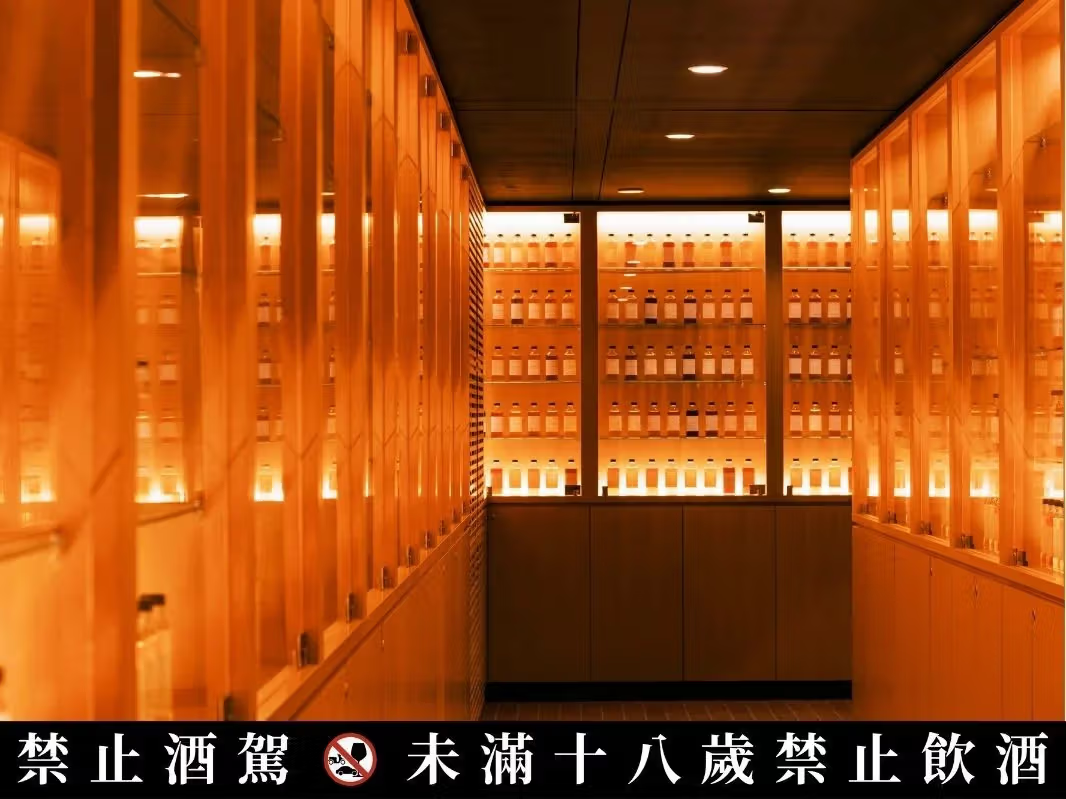
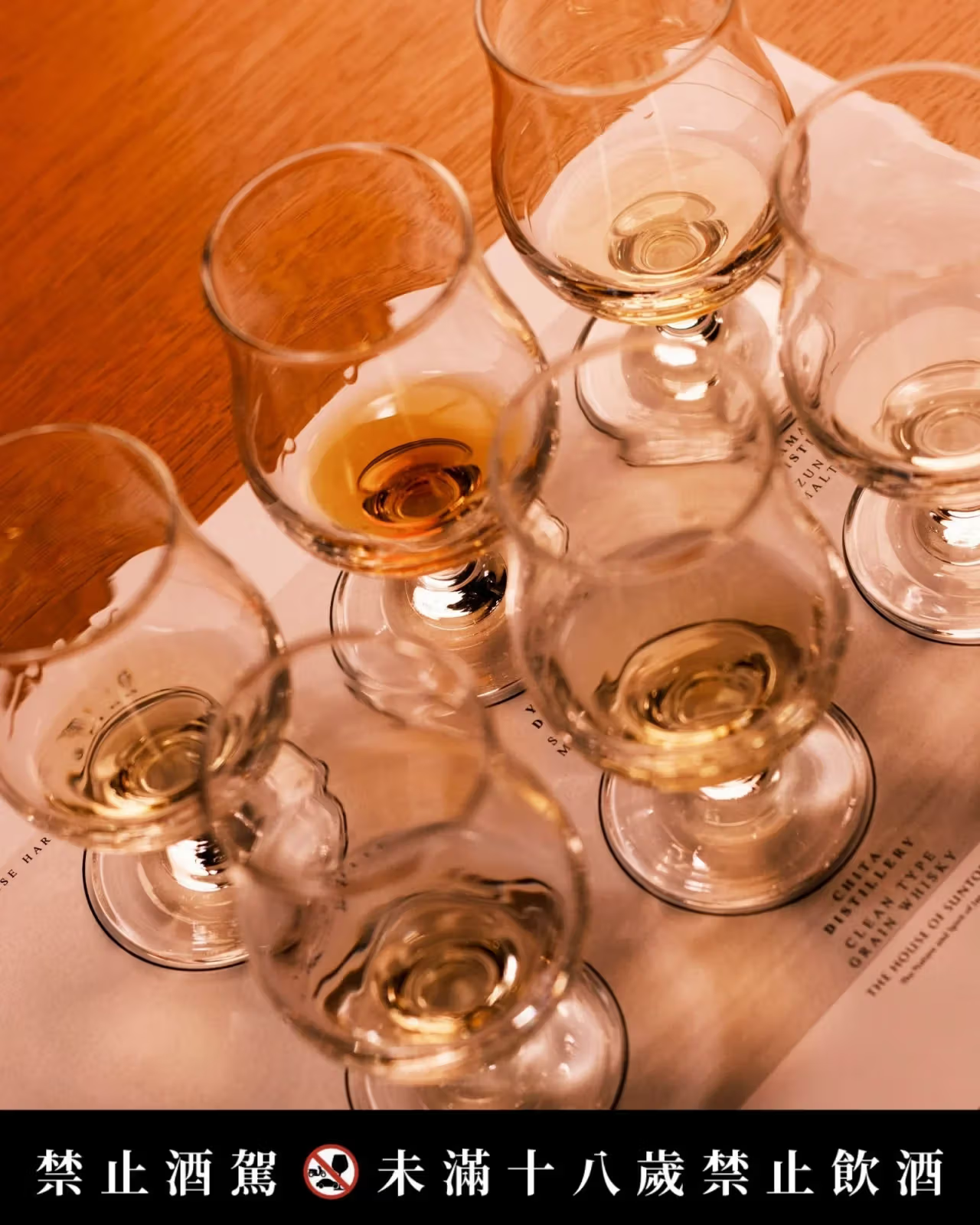
Hibiki is blended from whiskies produced at three distilleries: Yamazaki, Hakushu, and Chita. Among them, the Yamazaki Distillery was established in 1923 by Suntory founder Shinjiro Torii at the foot of Mount Tennozan, southwest of Kyoto, making it Japan's oldest malt whisky distillery. Each of the three distilleries is located in a distinct geographical environment, giving their respective whiskies unique flavor characteristics. The blending process is overseen by Suntory Chief Blender Shinji Fukuyo, who combines whiskies from these different sources to create Hibiki's final flavor profile.
The Yamazaki Distillery was established in 1923 by Suntory founder Shinjiro Torii. Image: SuntoryImage related to Yamazaki Distillery. Image: SuntoryImage related to Yamazaki Distillery. Image: Suntory
Image related to Yamazaki Distillery. Image: SuntorySuntory Chief Blender Shinji Fukuyo. Image: Suntory
Hibiki's bottle design features 24 facets, corresponding to the 24 solar terms in the traditional Japanese calendar, giving tangible form to the concept of time and natural change through the vessel itself—echoing the brand's interpretation of Japanese seasonal aesthetics.
Suntory Chief Blender Shinji Fukuyo oversees the blending of whiskies for Hibiki. Image: Suntory
How does the washi paper label express craft detail?
Hibiki's label is specially developed by Echizen washi artist Eriko Horiki, built on traditional washi papermaking techniques and layered with three sheets of paper. Echizen washi is one of Japan's historic handmade paper production regions. Eriko Horiki maintains a washi gallery in Kyoto, displaying works of varying sizes that use shifting light to reveal texture, allowing viewers to understand the layered structure of washi through the way light passes through the paper.
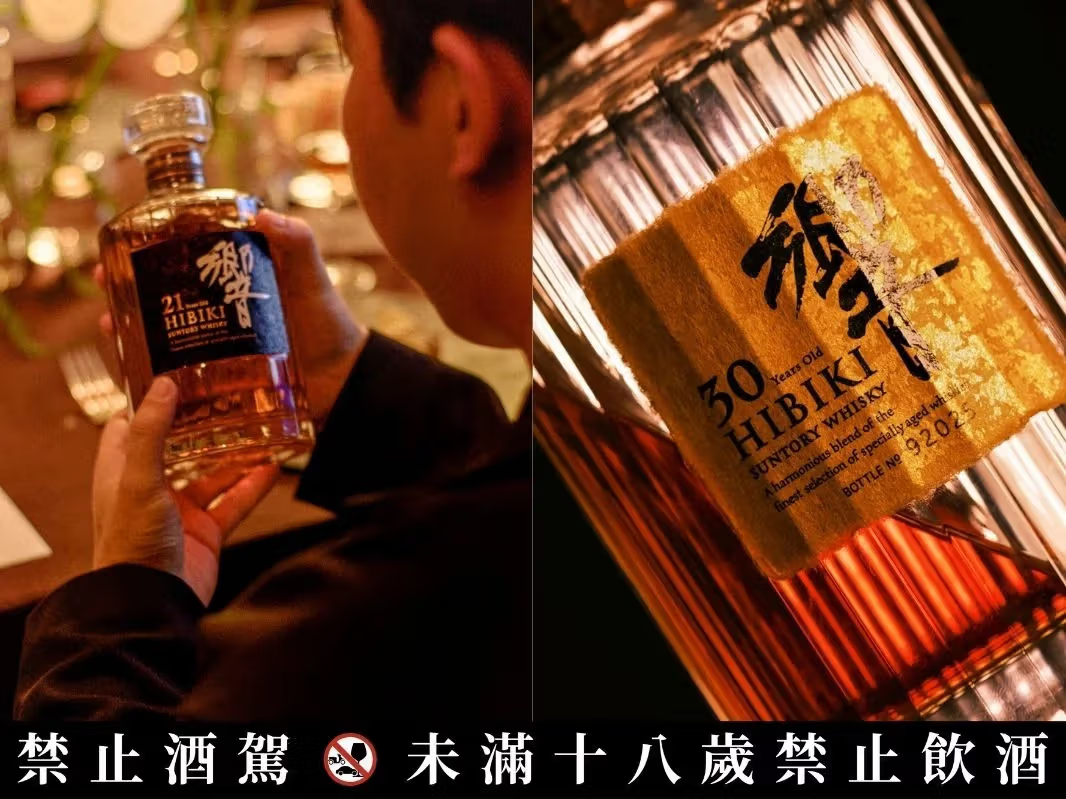
Hibiki's label is made from three layered sheets of Echizen washi paper. Image: Suntory
This three-layered washi label is not merely decorative design but a direct application of Echizen washi's craft characteristics to the label itself, giving Hibiki's packaging design a concrete connection to traditional Japanese papermaking artistry, rather than relying solely on visual symbols of Japanese style.
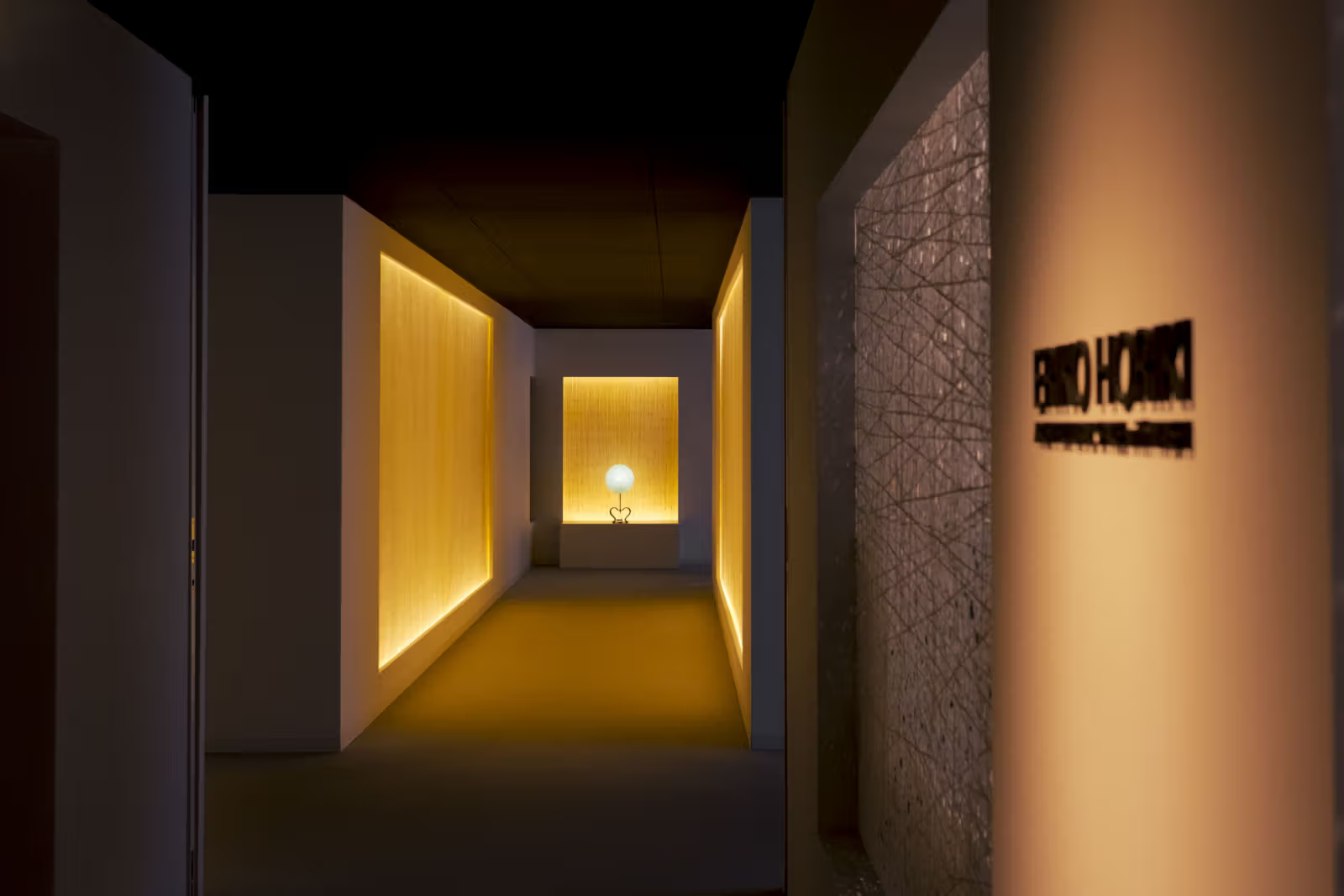
Washi artist Eriko Horiki maintains a gallery in Kyoto showcasing her washi works. Image: Suntory
From Chiso's kimono dyeing and weaving, to the whisky and blending at distilleries like Yamazaki, to Eriko Horiki's washi paper labels, Hibiki's 37th anniversary narrative weaves together multiple traditional craft disciplines from Kyoto. These collaborations reveal the intersection between the whisky industry and traditional craftsmanship, extending the visual language of blended whisky into the distinct craft traditions of textiles and papermaking.