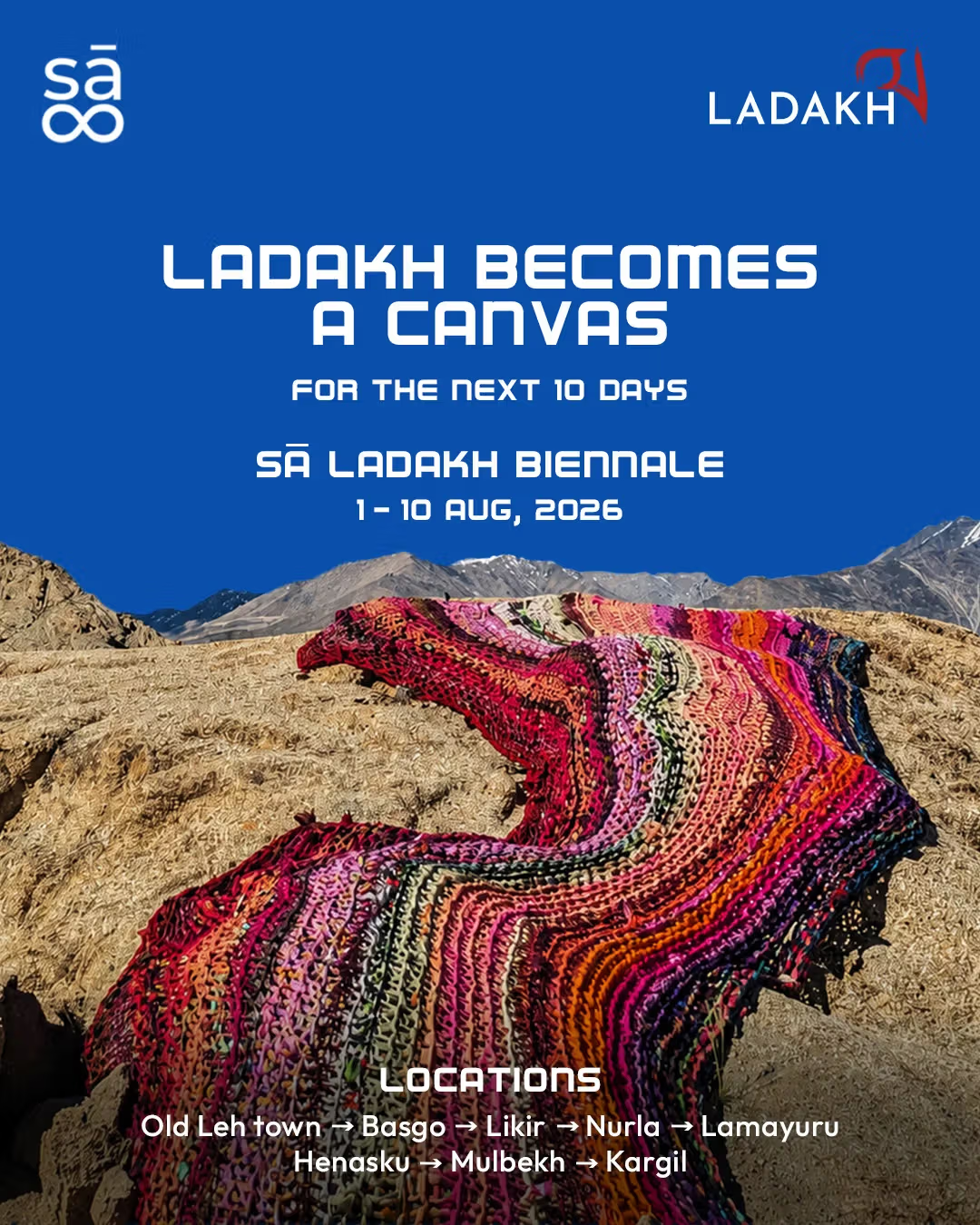
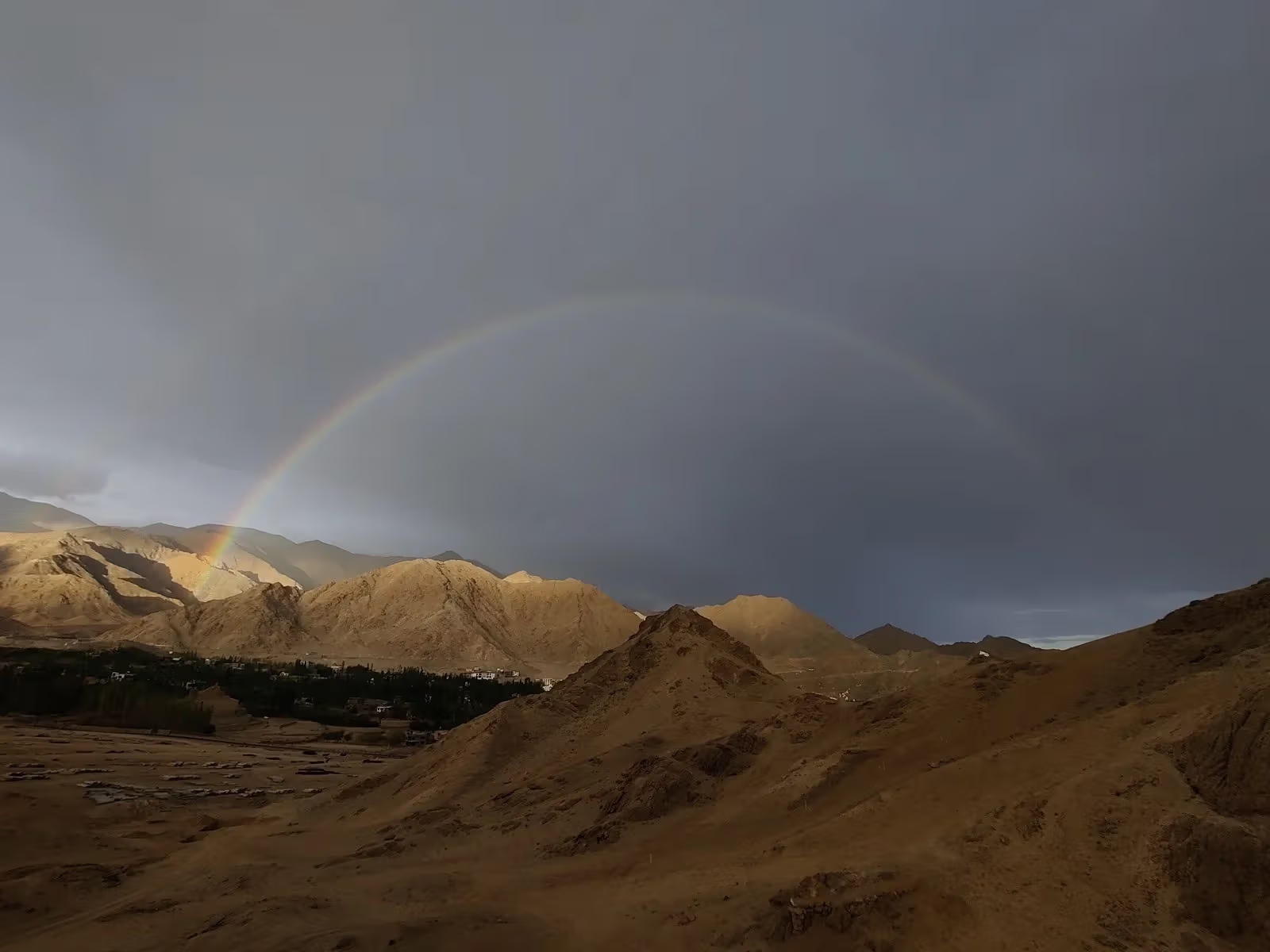
From August 1 to 10, 2026, the sā Ladakh Biennale took place along a route from Leh to Kargil in Ladakh, India, spanning roughly 200 kilometers at an altitude above 3,600 meters. Centered on the concept of "soil" (sā), this regenerative art biennale brought together international and local artists who used natural earth and low-carbon materials to create site-specific installations amid alpine deserts, ancient Tibetan-style forts, and high-altitude lakes. Because of this choice of venue, the works could not exist apart from their surroundings—what viewers saw was a complete visual narrative formed by the installations together with the landscape itself.
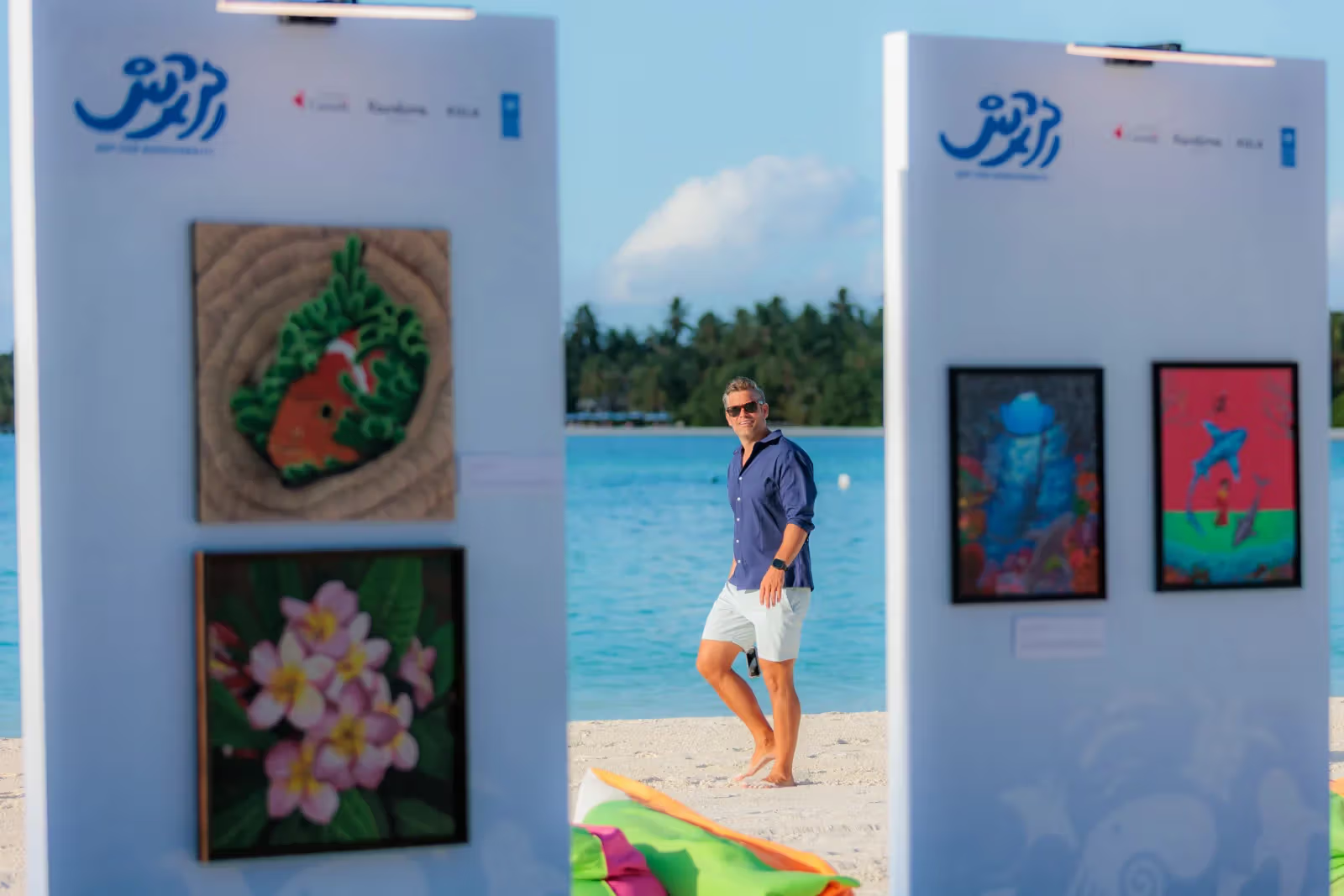
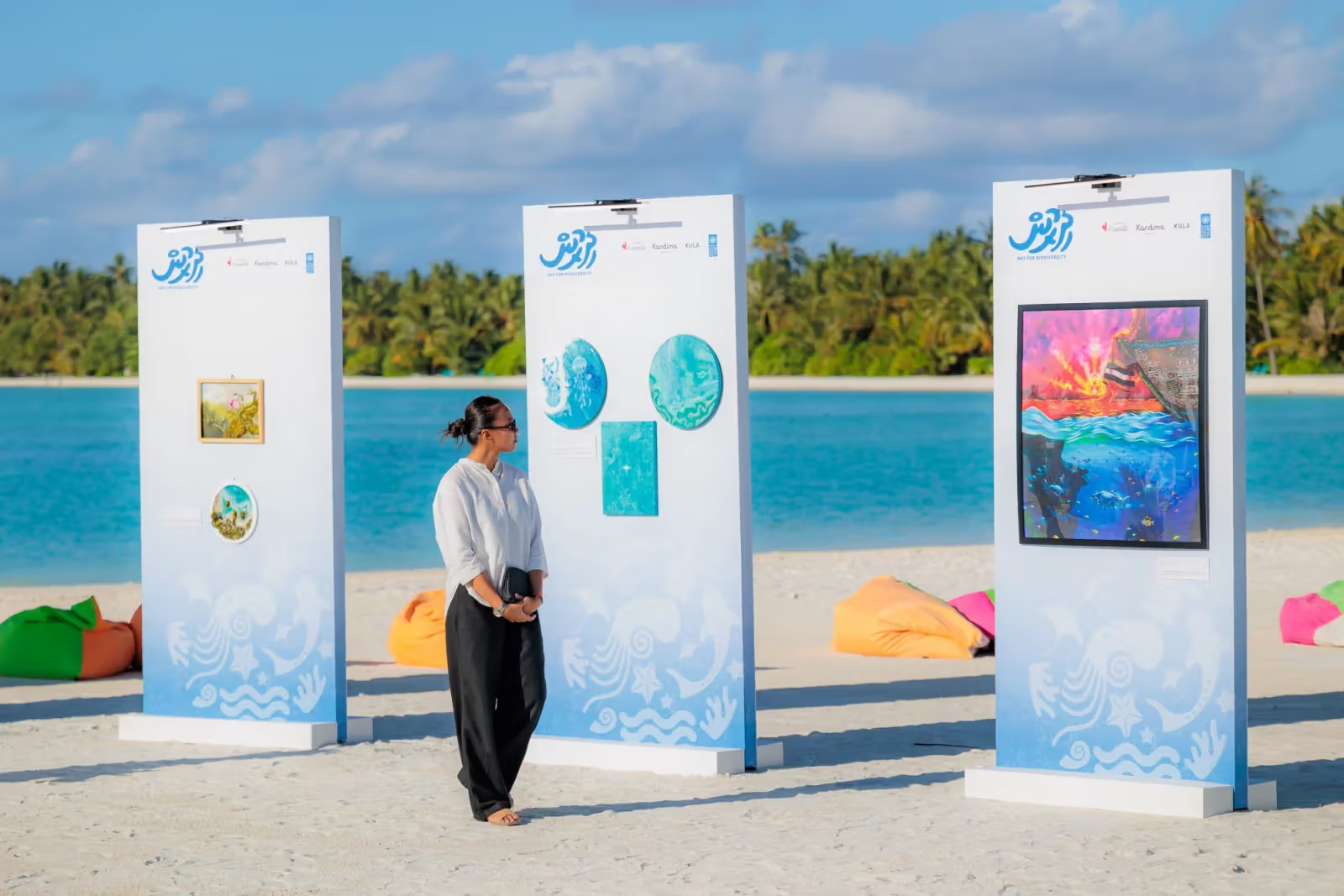
Around the same time, Kandima Maldives presented a special exhibition titled "Dhirun: Art for Biodiversity," originally scheduled to run from July 23 to September 23, 2026, curated jointly by the resort's KULA Art Initiative and the United Nations Development Programme (UNDP). The exhibition brought together works by more than 20 emerging local Maldivian artists and international creators, spanning large-scale ocean-themed installations, contemporary paintings, and digital art. A three-kilometer stretch of white sand beach became an open-air exhibition space, with the theme focusing on marine ecology and biodiversity.
Why do such exhibitions choose mountains or beaches as their venues?
What the two exhibitions share is that neither curatorial team confined the works to an indoor white-cube space; instead, they incorporated the natural landscape itself directly into the creation and presentation of the art. The Ladakh Biennale's installations were placed beside ruins of Tibetan-style forts and high-altitude lakes, with the materials of the works entering into dialogue with the surrounding geology. Kandima's beach exhibition, meanwhile, juxtaposed works on marine ecology themes with the actual beach and coastline, so that the viewing experience was completed as visitors walked along the sand. This dependence on venue means the meaning and presentation of the works cannot easily be transplanted to another location—looking back on these works now requires understanding them together with the exhibition site and landscape as they existed at the time.