No Matcha Shows, No Boba Sales: America's New Wave of Tea Houses Fights the Bubble Tea Boom with Slow Living
New York's Soft Hours, Los Angeles's Tea at Shiloh, and Chicago's Han Cha have all opened their doors in succession. After the matcha and bubble tea craze, they're choosing to ditch the Instagram-ready cream tops and cold-brew foam, returning instead to the rhythm of a slow, two-hour tea session.
Not a single item on the Soft Hours menu exists to be filmed for a video. This was a deliberate choice made by founder Juno Shen when she opened her tea house in New York's Chinatown this past May. "We don't do bubble tea, and we don't do cold-brew foam—we've stripped away all the performance elements you'd find at a trendy tea shop," she says. That statement could almost serve as the dividing line for America's latest wave of tea house openings.
Over the past decade, America's tea market narrative has been almost entirely dominated by two things: bubble tea and matcha. According to reports, tea imports to the U.S. have reached the billions in the past ten years—far exceeding levels from three decades ago—with millennials serving as the primary tea-drinking demographic. Data from New Consumer even shows matcha has overtaken chai as the most popular specialty tea drink in cafés. But now that matcha has become ubiquitous everywhere, a new crop of independent tea houses is choosing to move in the opposite direction—stripping away the rituals performed for the camera and replacing them with something you can sit with for two hours.
Soft Hours, Tea at Shiloh: Leave Your Phone at the Door
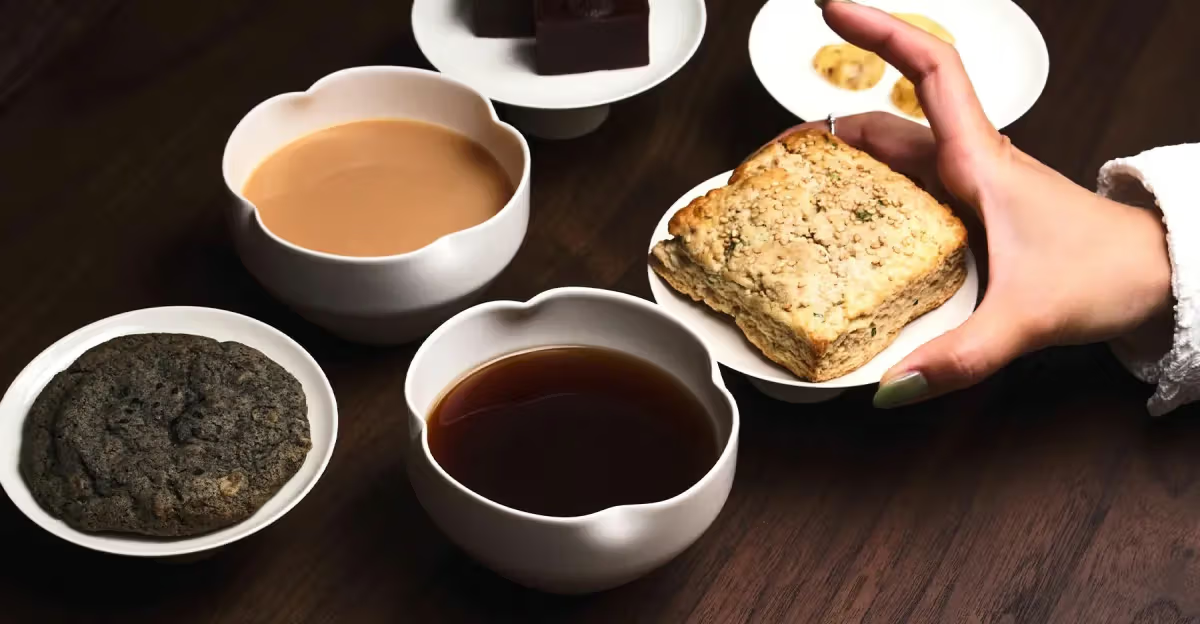
Shen describes her tea house as drawing inspiration from the Song Dynasty, an era when "scholars built rituals meant to slow down time and redirect attention." Laptops aren't allowed at Soft Hours, and the menu centers on Chinese tea: a jasmine-scented green tea, two oolongs with different oxidation levels—one with a plum-like character, the other roasted nearly to a nutty depth—plus a honey-fragrant black tea and a deep, woody fermented pu-erh. She says the only concession she's made to trends is offering every tea as an iced latte, a "soft entry point" for customers just discovering tea.
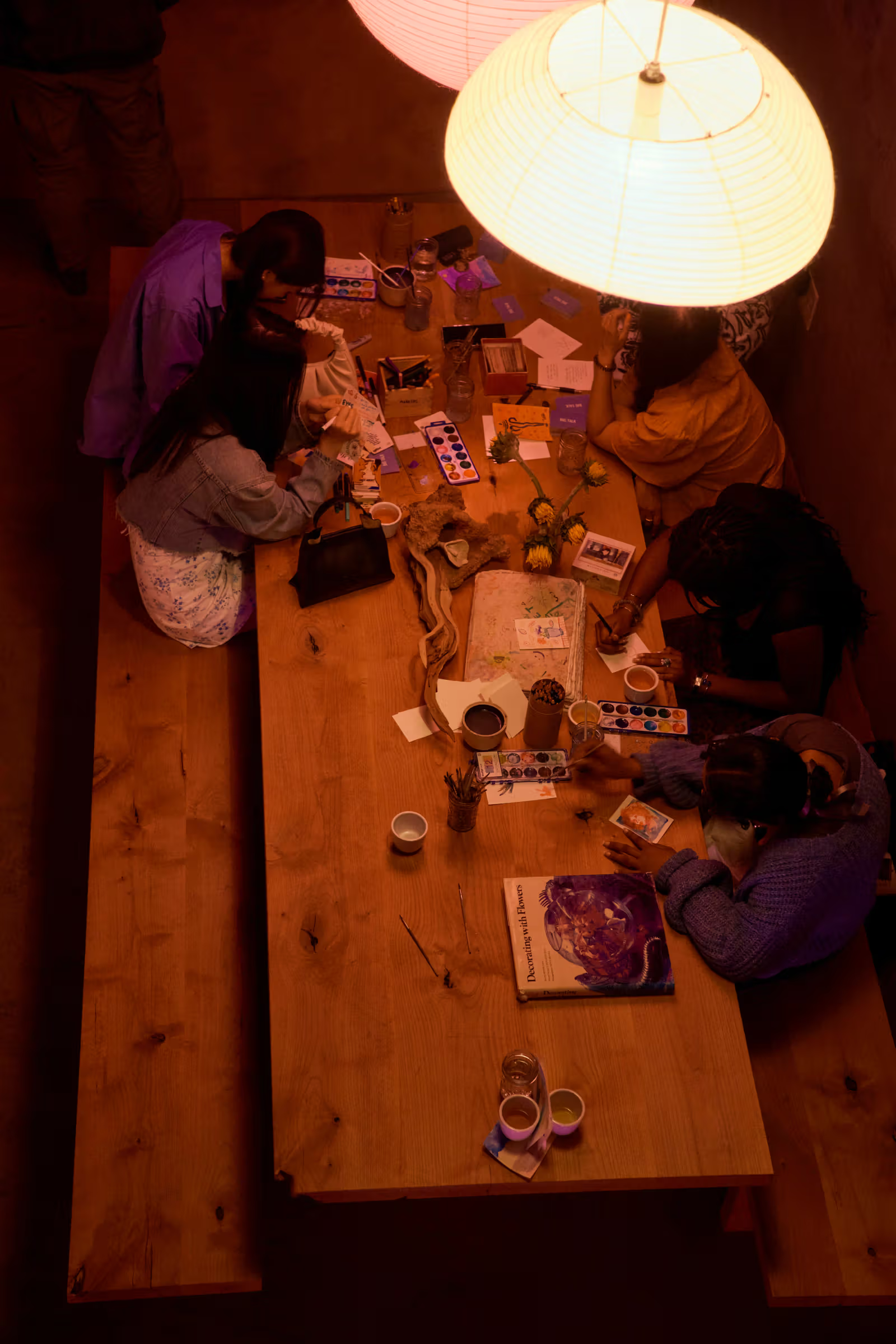
Los Angeles's Tea at Shiloh takes a different approach to slowness. Founder Shiloh Enoki, who previously worked in the music industry, opened the shop in 2022 and designed a "late-night tea house" slot from 7 to 11 p.m., where visitors can enjoy unlimited pours of a house-blended herbal tea, curled up in a high-ceilinged loft covered in soft cushions while a live jazz musician plays. Rather than banning laptops or phones outright, she's stocked the space with watercolors, clay, and board games—"a gentler way of reminding people that at night, this isn't a place to stare at a screen."
Chicago's Han Cha, Kansas City's Tian Tea House: Turning Tea Houses into Social Spaces
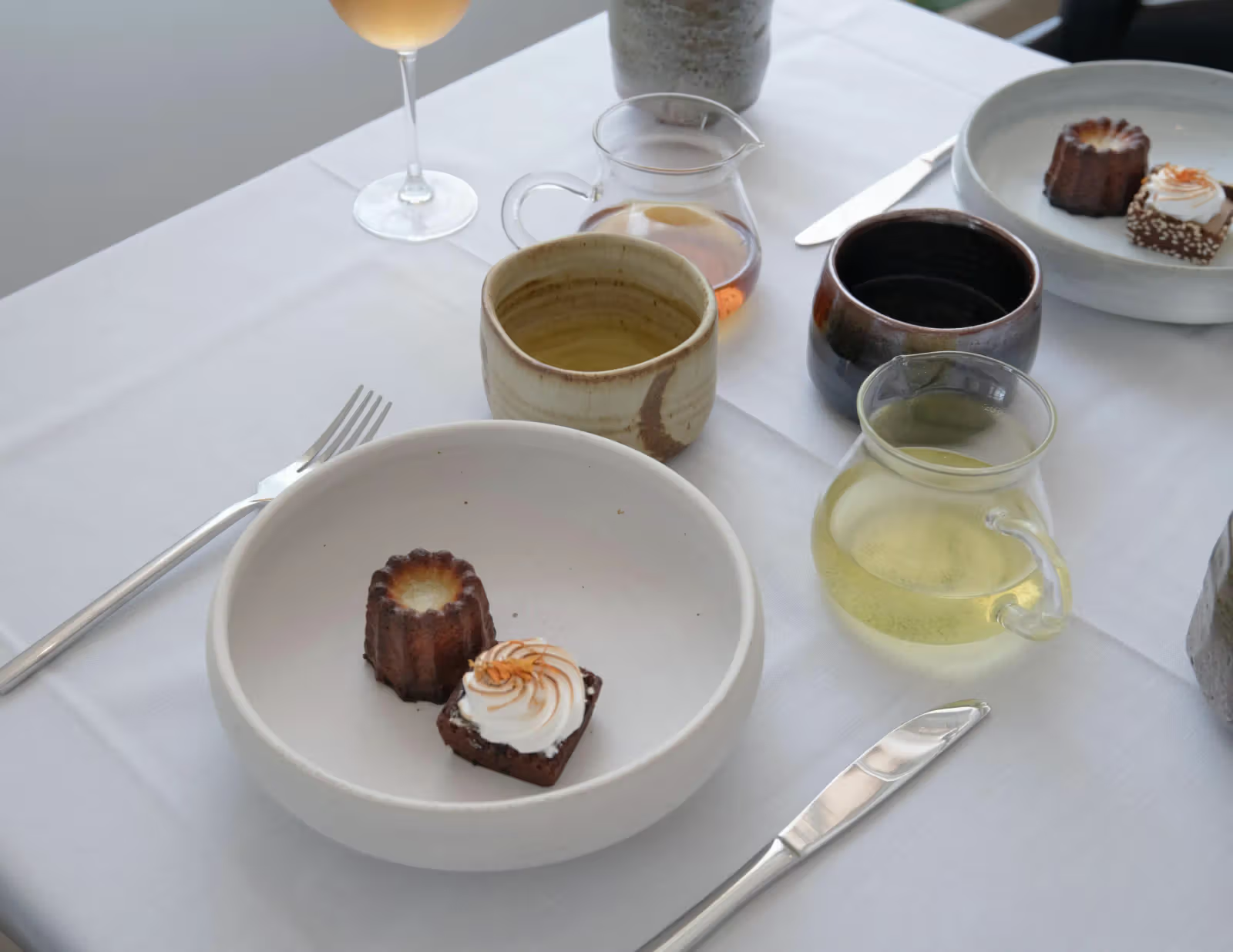
This past July, Han Cha opened in Chicago—a collaboration between Heiji Black and artist Theaster Gates, housed inside his Stony Island Arts Bank building. In the style of an English afternoon tea, it serves nine Asian teas from local Chicago tea company Spirit. During the two-hour reservation window, guests might sip a Taiwanese black tea with notes of quince and orange blossom alongside English cheddar and Korean pickled sides, or order a Thai white tea paired with a Japanese curry-spiced pepper-jack sandwich. Black says she grew up steeped in Korean tea house culture, spaces that "were always meant for socializing and connecting with others"—and that's what set her on the path to creating Han Cha.
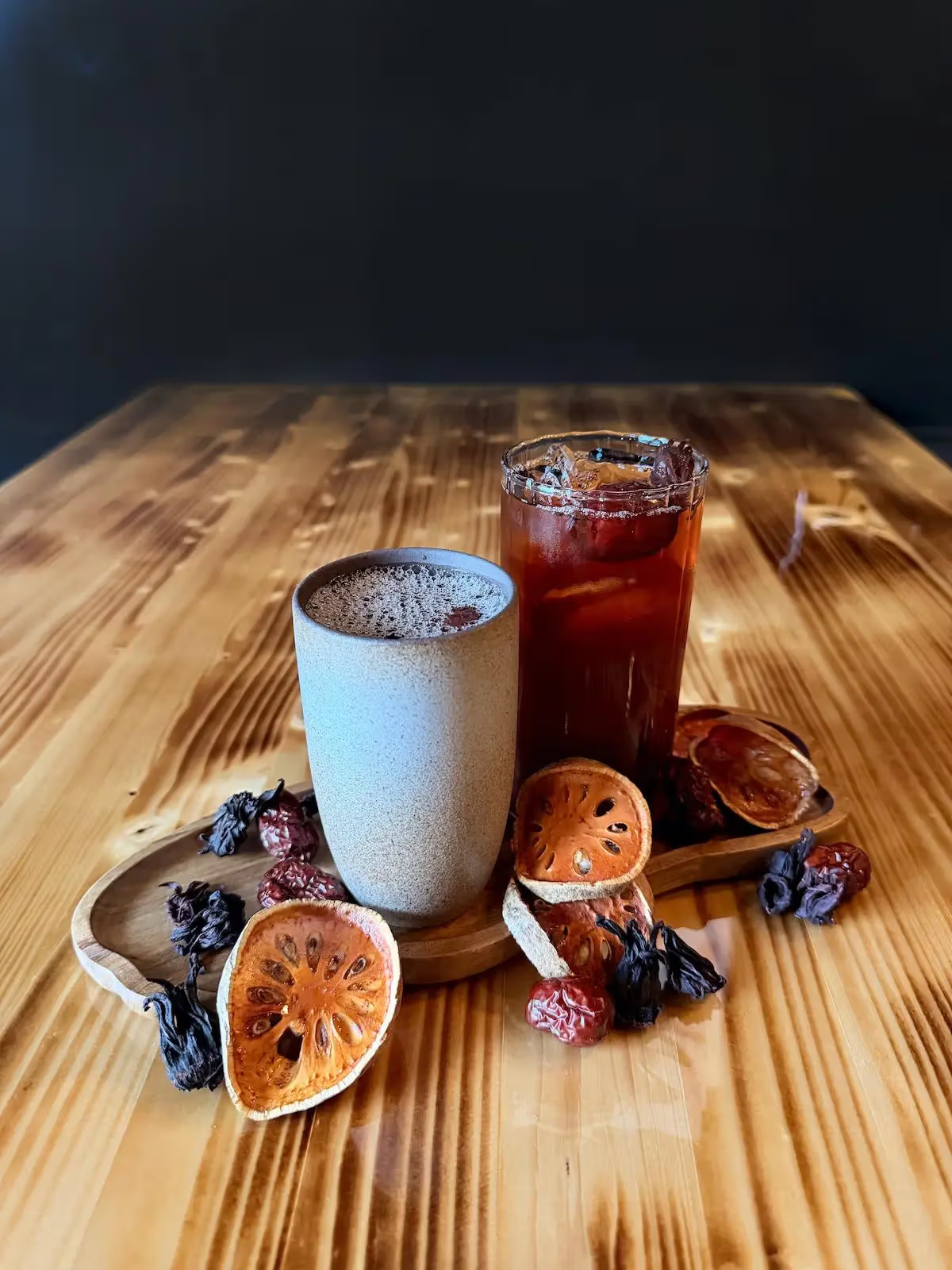
Kansas City's Tian Tea House opened at the end of 2025, serving tea by day and transforming into cocktail bar Moon by night. Co-founder Saranya Hubbard, who grew up in Bangkok's Chinatown, says the shop's best-seller is still matcha—"I hardly have to promote it; it sells itself." But she also teaches Chinese gongfu tea classes and offers lesser-known Thai teas, including versions brewed with roselle and bael fruit. By night, tea becomes the bridge between the two businesses, showing up in whiskey-based matcha cocktails or tea-infused highballs.
Even Chains Are Catching On: HEYTEA's Teabar Turns Bubble Tea Shops into "Slow Tea Houses"
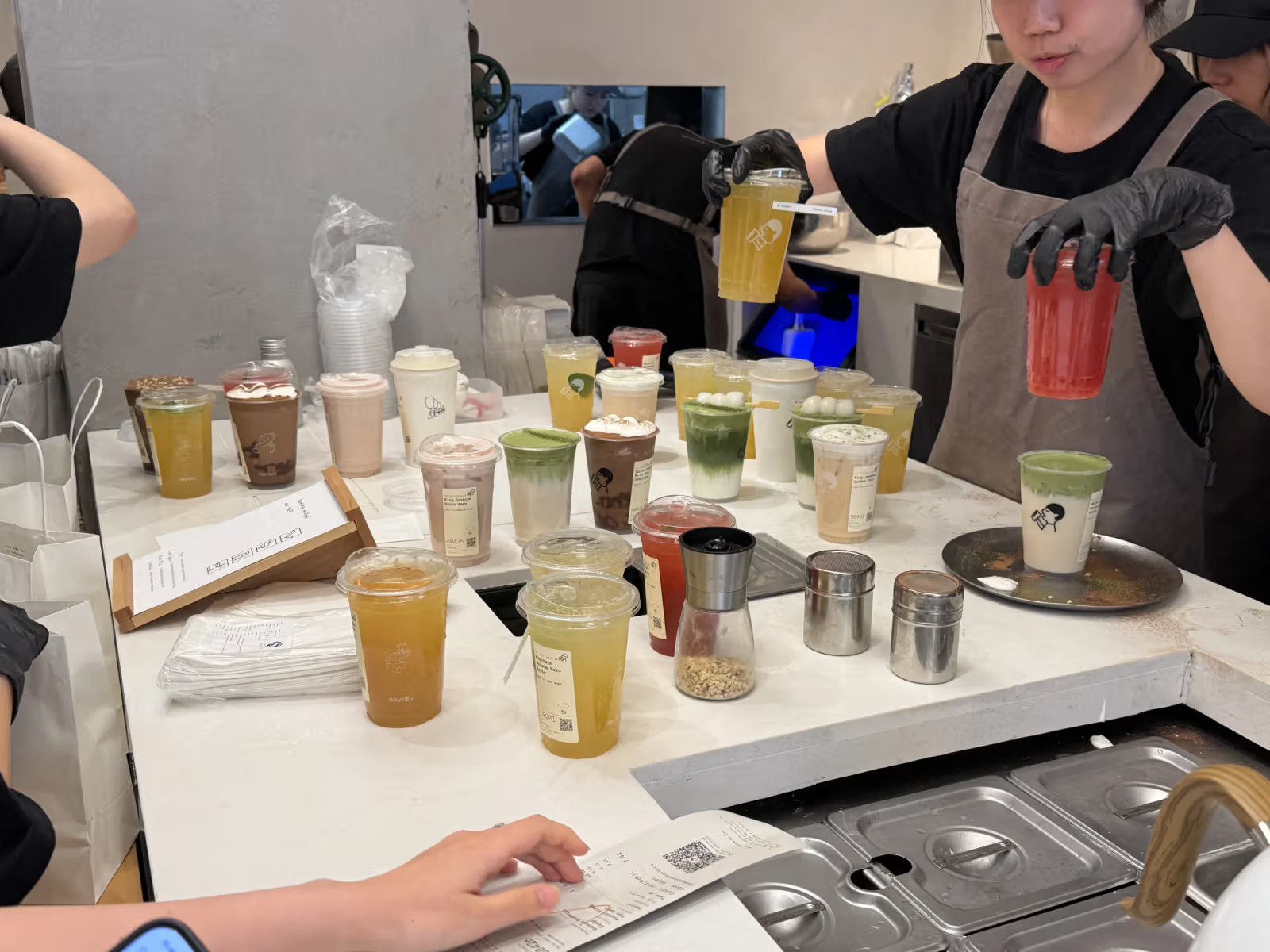
Even chains built on the speed of shaken tea are adjusting their pace. HEYTEA opened its first U.S. location in New York in 2023 and now runs over 40 stores nationwide, built on boba milk tea, fruit teas loaded with toppings, and black teas topped with pillowy cream foam—sitting right at the intersection of bubble tea, matcha, and endless customizable drinks. This past June, HEYTEA brought its sub-brand Teabar to the U.S. for the first time, dine-in only, offering whole-pot teas, tea-flavored ice cream, and a jasmine milk tea crowned with "matcha clouds"—drawing crowds on opening day. Yinnan Shen, HEYTEA's senior PR manager, says that while HEYTEA's regular locations are designed for takeout speed, Teabar was intentionally built as a space meant for lingering—together, the two represent the brand's evolving understanding of what "tea" means. "What HEYTEA is really trying to do is find the most accurate interpretation of tea for people today," she says.
From a laptop-free tea house in New York's Chinatown to a Kansas City shop that pours tea by day and cocktails by night, what these spaces share isn't any particular kind of tea—it's a redefinition of how long drinking tea is supposed to take.