GlenDronach's 200th Anniversary: Boynsmill House 14 Year Old Bridges Three Cask Types
To mark its 200th anniversary, GlenDronach has released a commemorative expression named Boynsmill House 14 Year Old Single Malt Scotch Whisky, taking its name from the historic manor house on the estate where the brand was founded. Master Blender Rachel Barrie builds the whisky around dual sherry cask maturation, with the addition of spirit matured in Bordeaux Claret casks, bottled at 46.8% ABV to present a flavour combination distinct from the brand's existing range.
The GlenDronach was founded in 1826 in Scotland's Forgue valley. To mark its 200th anniversary in 2026, the brand has released a commemorative expression, Boynsmill House 14 Year Old Single Malt Scotch Whisky. The name is drawn from Boynsmill House, the historic manor on the estate where founder James Allardice once entertained guests. This spirit of hospitality from the distillery's earliest days is carried through into both the naming and the blending concept of this release, offering a way into understanding the cask heritage that spans the brand's two centuries.
Key Facts
The GlenDronach was founded by James Allardice in 1826 in Scotland's Forgue valley
The commemorative release is named Boynsmill House 14 Year Old Single Malt Scotch Whisky
Crafted by Master Blender Dr Rachel Barrie
Built around dual Spanish sherry casks — Oloroso and Pedro Ximénez — with the addition of spirit matured in Bordeaux Claret casks
Bottled at 46.8% ABV
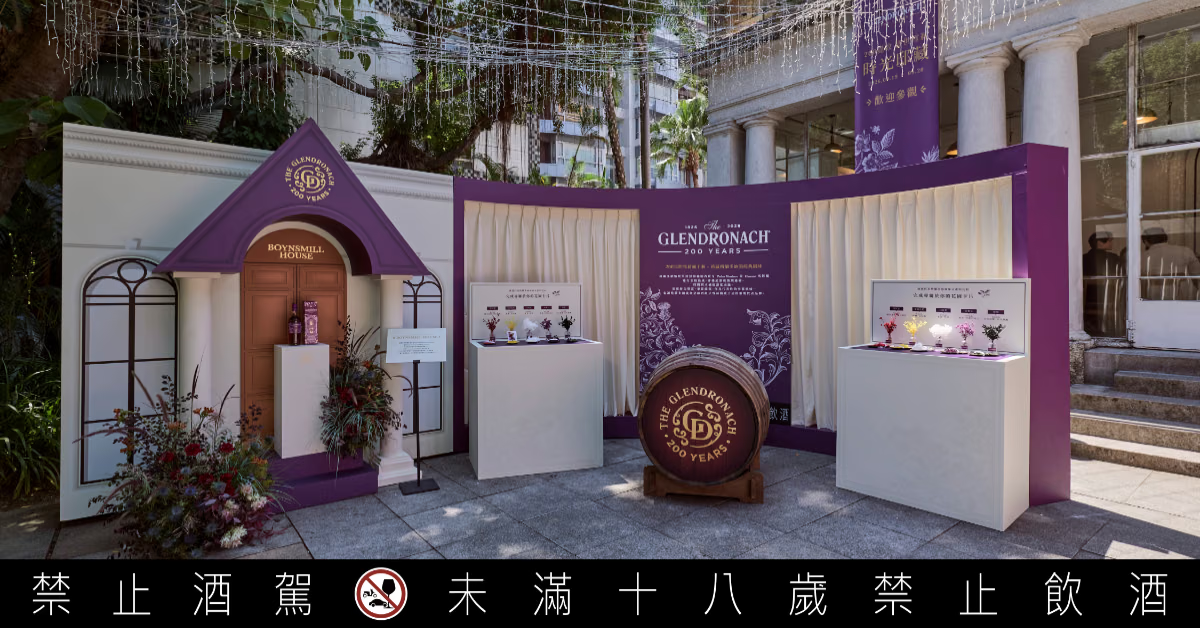
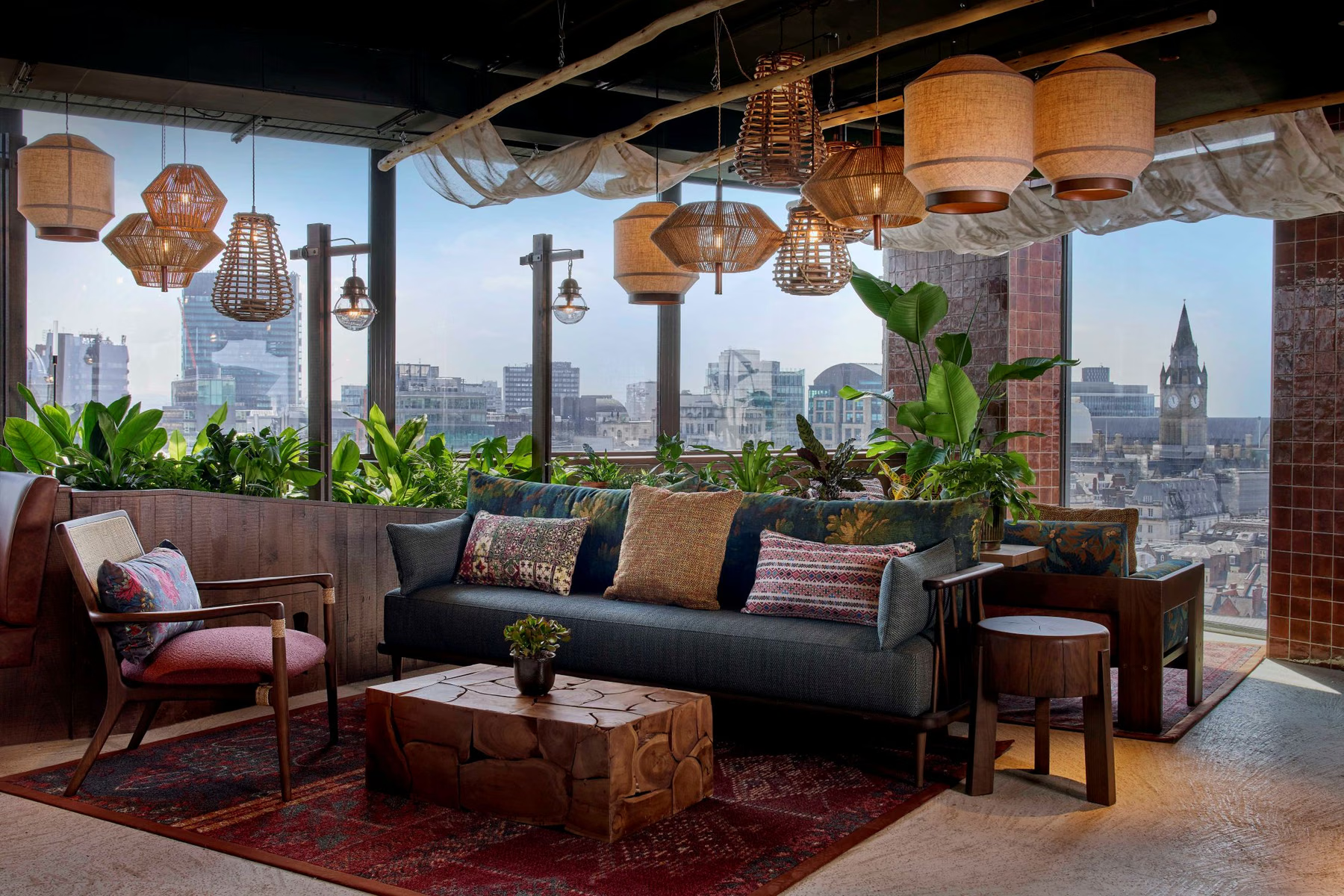
GlenDronach arranged the launch setting around the historic manor house and 200th anniversary concept.
From the Forgue Valley to Boynsmill House, a Starting Point for Hospitality
GlenDronach's history traces back to 1826, when founder James Allardice established the distillery in Scotland's Highland Forgue valley. Boynsmill House, the manor on the estate, was where he once welcomed guests with fine food and drink. This 200-year-old tradition of hospitality has become an important thread in the brand's storytelling, and the direct source of the name for this year's anniversary release.
Marking its bicentenary in 2026, GlenDronach chose to name its commemorative release after Boynsmill House rather than simply using a vintage year or series designation. The intention is to translate a specific place and story from the brand's history into something tangible that can be tasted and collected. For consumers interested in the historical context of whisky, the logic behind this naming is itself a starting point for understanding GlenDronach's 200-year journey.
Dual Sherry Casks as the Backbone, Bordeaux Claret Casks Add Depth
This 14 Year Old expression was blended by Master Blender Dr Rachel Barrie, with a backbone that continues GlenDronach's most emblematic rich sherried character, matured primarily in two types of Spanish sherry casks — Oloroso and Pedro Ximénez (PX). This combination of cask types has long been a strength of the brand, and forms the most recognisable flavour foundation across GlenDronach's range.
What sets this release apart from previous expressions is the inclusion of a small proportion of spirit matured in Bordeaux Claret wine casks. The brand describes this choice as a tribute to the tradition of abundant food and wine that James Allardice offered guests at Boynsmill House. GlenDronach states that after fourteen years of maturation, the whisky presents a bronze hue, with aromas of red berries, dark plum, and Highland toffee sweetness, interwoven with notes of blackberry, stone fruit, and hazelnut. On the palate, layers of malt and dried fruit emerge, finishing on notes of chocolate caramel, bottled at 46.8% ABV.
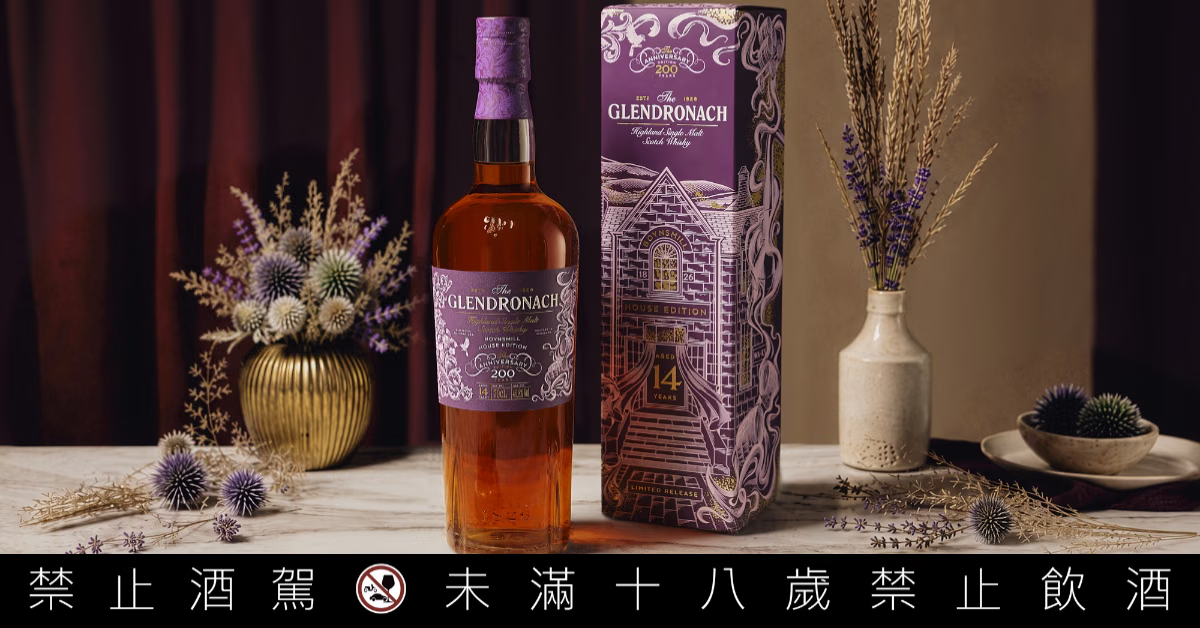
The Boynsmill House 14 Year Old commemorative release with its outer packaging.
How the Taiwan Launch Echoed the Manor House Theme
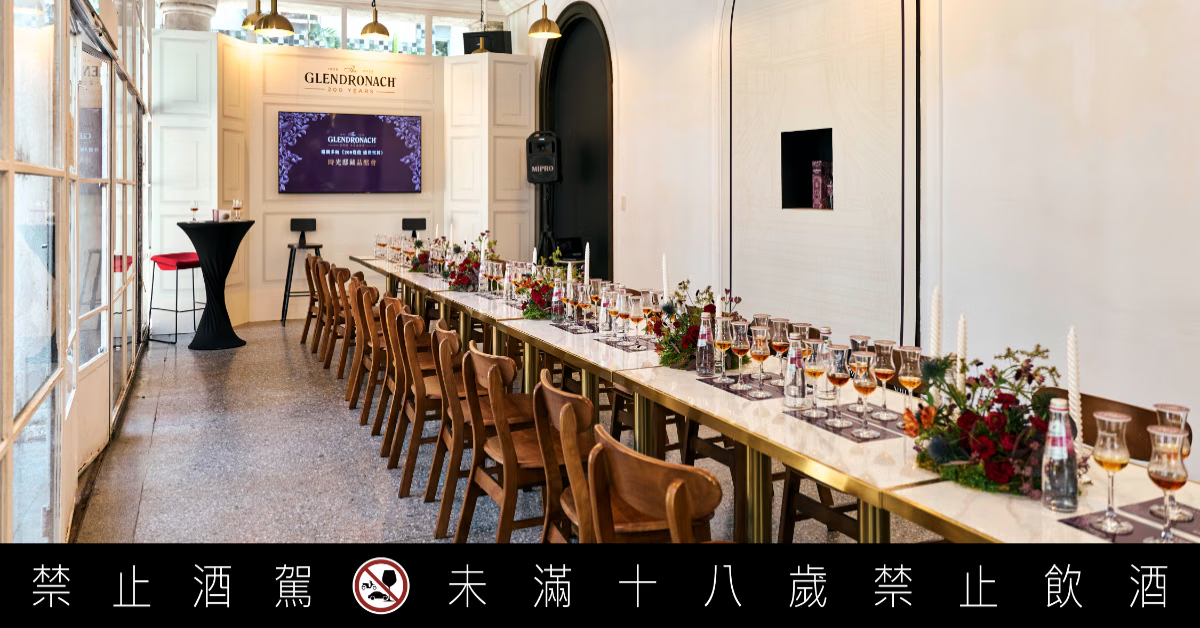
The Taiwan launch was held at Taipei's Taipei Air Station (台北之家), using the historic building and table settings to echo the manor house theme suggested by the whisky's name. What's worth noting here is how the setting extends the brand's story: Boynsmill House served as the source of the whisky's name, while the Taipei launch space brought the concept of hospitality into a local context. The images in this article document the brand's launch event; those interested in future tasting events should confirm dates and details through official channels.
To compare this commemorative release against other GlenDronach expressions, it's worth noting the age statement, the 46.8% ABV, and the combination of three cask types — Oloroso, PX, and Claret — before inquiring with official retailers about availability and bottling details. The 200th anniversary provides the backdrop for this product, but the anniversary designation alone should not be used to infer rarity or collectible value.
Table settings at the brand's launch space continuing the manor house hospitality theme.
Frequently Asked Questions
What casks were used to mature Boynsmill House 14 Year Old?
This whisky is built around dual Spanish sherry casks — Oloroso and Pedro Ximénez — as its core maturation, with a small proportion of spirit matured in Bordeaux Claret wine casks added to the blend. Crafted by Master Blender Rachel Barrie, it is bottled at 46.8% ABV with a 14-year maturation period.
What is the significance of the name Boynsmill House?
The name comes from the historic manor house connected to the distillery's history, with the brand paying tribute to founder James Allardice's tradition of hospitality. The distillery was founded in 1826, marking its 200th anniversary in 2026; the name and the 14-year age statement are separate pieces of information.
How can consumers purchase this commemorative release?
This article does not include Taiwan retail price, bottle size, or limited quantity information. Interested buyers should contact the brand or authorised retailers to confirm bottling details, availability, and pricing. The 200th anniversary designation alone should not be taken to imply a guaranteed limited quantity or investment value.
Persons under 18 must not drink alcohol. Excessive drinking is harmful to health. Do not drink and drive.