ÉTAT HER

Suno's v6 Model Accused by Sony Music and UMG of Being a Facelift, Not a Fix — Old Infringing Data Still Powers Training

Sony Music and Universal Music Group's new lawsuit claims that outputs from Suno's previously unauthorized models were smuggled in through "user interaction" data, even as v6 was marketed as trained on licensed content — with damages sought as high as $9 billion.

Hsin-Yi Ho, Food Editor
Suno's v6 Model Accused by Sony Music and UMG of Being a Facelift, Not a Fix — Old Infringing Data Still Powers Training

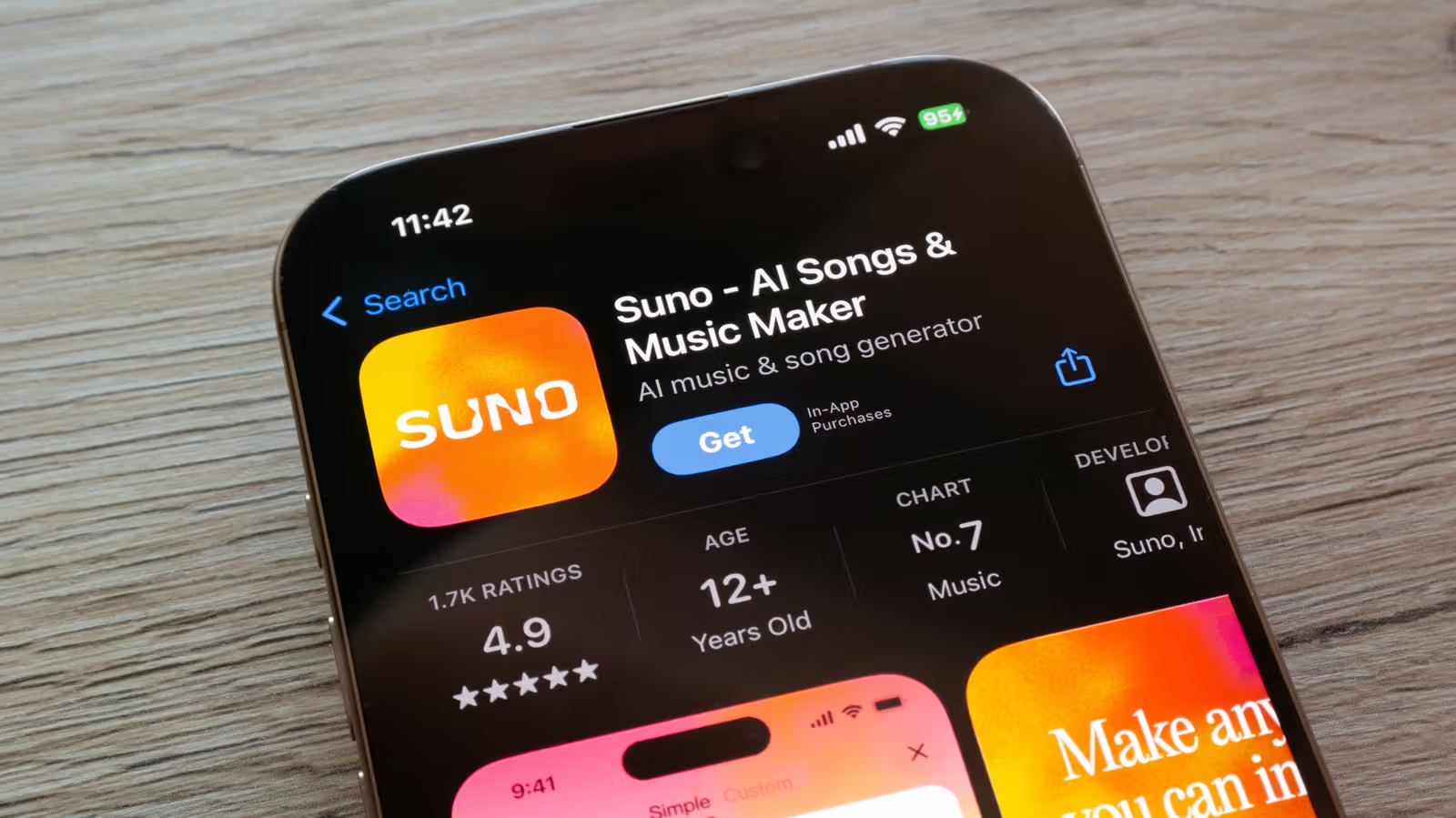
Suno's v6 model was supposed to be an image makeover: it's the company's first release since signing licensing deals with Warner Music Group and BMG, with official messaging emphasizing that training material came from "partner-licensed content." But Sony Music Entertainment and Universal Music Group (UMG) see it differently — according to a lawsuit reported by Variety and obtained by Music Business Worldwide, the two record labels claim in their new suit that v6 is actually continuing to feed on unauthorized old data through a roundabout route.

The dispute hinges on a line Suno itself has publicly admitted: that v6's training data, besides licensed content, also includes "user interactions with the service." Sony Music and UMG interpret this as meaning these interactions are actually outputs and preference signals from earlier model versions — models that were trained using unauthorized copies of the two companies' recordings. In other words, even though v6 appears on the surface to use clean training material, the "taste memory" left behind by the old models may have leaked into the new generation of the product.

Following this logic, the two companies allege Suno has infringed the copyrights of at least 60,202 recordings, which under U.S. copyright law could result in damages of up to $9 billion. According to Music Business Worldwide, Suno could also face additional penalties of up to $2,500 each time it bypassed YouTube's anti-download technology to scrape songs.
Sony Music and UMG Accuse Suno's v6 Model of Being a Facelift, Not a Fix — Still Trained on Old Infringing Data

Responding to the allegations, Suno told Engadget that "these claims are fundamentally wrong, both factually and legally," reiterating that "Suno exists to help more people create new music." The company said it has spent the past two years working toward this goal, and that v6, developed in partnership with WMG, BMG, and Believe, "was trained using content licensed from our partners, interactions from our community (including creations and preference signals), and the learnings our team has accumulated." Suno added that it hopes AI and the music industry can mutually elevate each other going forward, creating new product experiences for artists, fans, and the wider music community.

This lawsuit follows earlier suits filed against Suno by Sony Music, UMG, and WMG, as well as a July 2026 data leak involving Suno — which revealed that the AI company had scraped large volumes of songs and lyrics from platforms like YouTube Music, Deezer, and Genius to train its earlier models. Suno has previously defended this kind of scraping as falling under fair use.

One notable move worth flagging: alongside the launch of v6, Suno also discontinued support for its older models. This at least suggests the company is well aware that a product marketed as trained on licensed material holds up better in the public eye than its past practices. But if the judge accepts the two labels' interpretation of how the training actually worked, this new packaging may not be enough to hold up.

Related

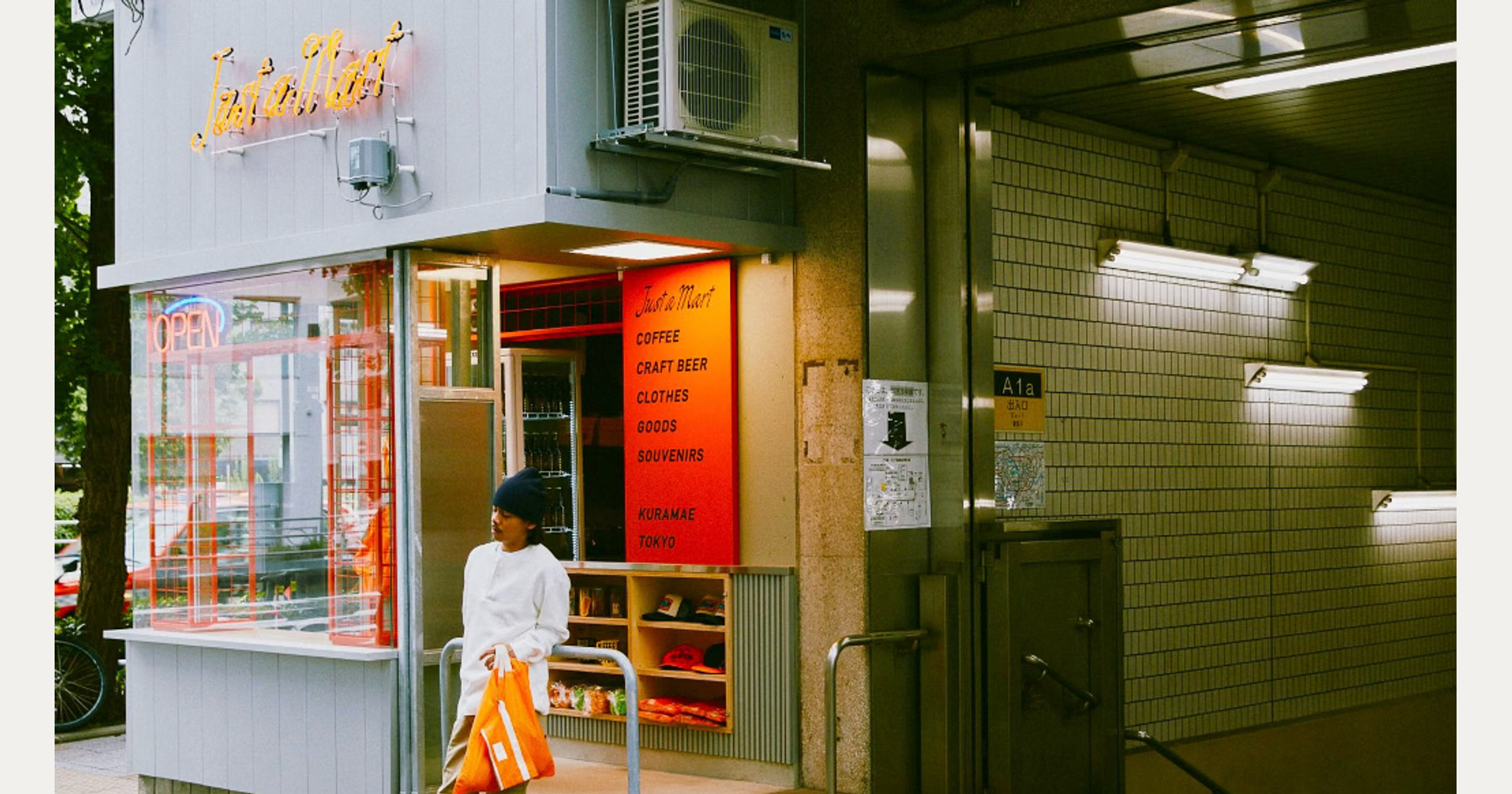
Just a Mart is open in Tokyo’s Kuramae: coffee and small finds beside Exit A1a
Living

Just a Mart is open in Tokyo’s Kuramae: coffee and small finds beside Exit A1a

Opened November 1, the orange-accented shop combines coffee, clothing, goods and original souvenirs. Its announced hours are noon to 20:00 in Japan; check the railway line and exit before adding a stop.

Cath Kidston’s Japanese holiday collection arrives in two waves, from ¥2,860 handkerchiefs to Dreamer accessories
Living

Cath Kidston’s Japanese holiday collection arrives in two waves, from ¥2,860 handkerchiefs to Dreamer accessories

Scalloped handkerchiefs and room socks arrive November 6, followed by Dreamer pouches and hair accessories on November 20. Choose gifts by use and budget before considering packaging and spending thresholds.

Megane Ichiba’s Shaun the Sheep 2027 lucky bags: compare two versions and Japanese shop collection
Living

Megane Ichiba’s Shaun the Sheep 2027 lucky bags: compare two versions and Japanese shop collection

The ¥9,900 online version pairs a blanket with a ¥12,100 eyewear voucher; the ¥11,000 shop version includes a tote and ¥13,200 voucher. For visitors, collection location and voucher restrictions matter before the apparent difference in value.

BaZi, Human Design or tarot? GATSEE maps 24 systems through five starting points
Living

BaZi, Human Design or tarot? GATSEE maps 24 systems through five starting points

GATSEE groups 24 destiny and personality systems by birth data, names, questionnaires, questions and numbers. Its public guide helps readers compare the inputs, missing-time limitations and differences between free charts and personal interpretations.

New Balance’s Taipei 10K recap: pacers, WeiBird’s performance and Pandora rewards by entry group
Living

New Balance’s Taipei 10K recap: pacers, WeiBird’s performance and Pandora rewards by entry group

The November 1 race at Dajia Riverside Park brought together nearly 7,000 runners according to the organiser. Pacers, shoe trials and post-race activities offered different ways to take part, while gifts and prize draws had distinct conditions.

PRIMAVERA Heartfelt launches in Japan on November 2: blend or room spray?
Living

PRIMAVERA Heartfelt launches in Japan on November 2: blend or room spray?

A guide to the 5mL Heartfelt fragrance blend and 50mL room spray, with Japan prices, use-format differences and the product-name checks Taiwan readers should make.