Yoshitomo Nara selected for Japan’s Medal with Purple Ribbon: looking beyond a familiar face
The autumn honours announcement offers a reason to revisit Nara’s paintings, drawings, sculptures and installations. Recognition, exhibition schedules and the market for works are separate matters.
Yoshitomo Nara has been selected for Japan’s autumn Medal with Purple Ribbon, giving viewers familiar with his figures a reason to look beyond a single recognisable image. The announcement reported on November 2 concerns recognition of the contemporary artist. It is not an exhibition opening or a promise about the market value of his work. For readers in Taiwan, his materials, education and experience across countries offer useful context alongside the news.
Nara’s official biography records that he was born in Hirosaki, Aomori, in 1959. He completed his master’s degree at Aichi Prefectural University of the Arts in 1987, went to Germany in 1988 and entered Kunstakademie Düsseldorf, completing his studies in 1993. After living in Cologne, he returned to Japan in 2000. This trajectory is a way into his background; an honours announcement should not be treated as the beginning of his practice or his first international recognition.
Recognition does not reduce the work to one expression
Responding to his selection, Nara expressed surprise and gratitude to people who have seen and supported his work. His response connects an individual honour with the relationship between works and audiences. The announcement and the presentation ceremony remain distinct stages; it does not establish that he has already received the medal at a particular venue.
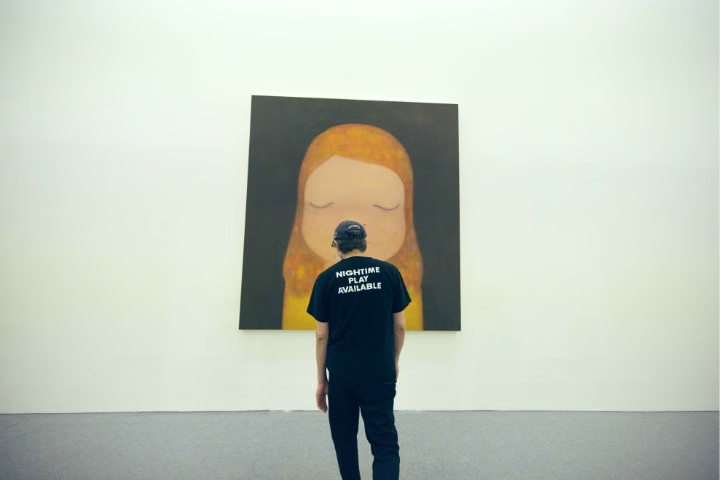
Figures that seem to look back at viewers are a familiar part of his work, but large eyes are only one point of entry. Viewers can examine the gaze, mouth and relationship between a figure and its surrounding space without first assigning a fixed label such as cute, angry or comforting. Different responses need not be compressed into one answer. Observing a work and checking its accompanying information is more specific than relying on a popular description.
Drawings and three-dimensional materials alongside paintings
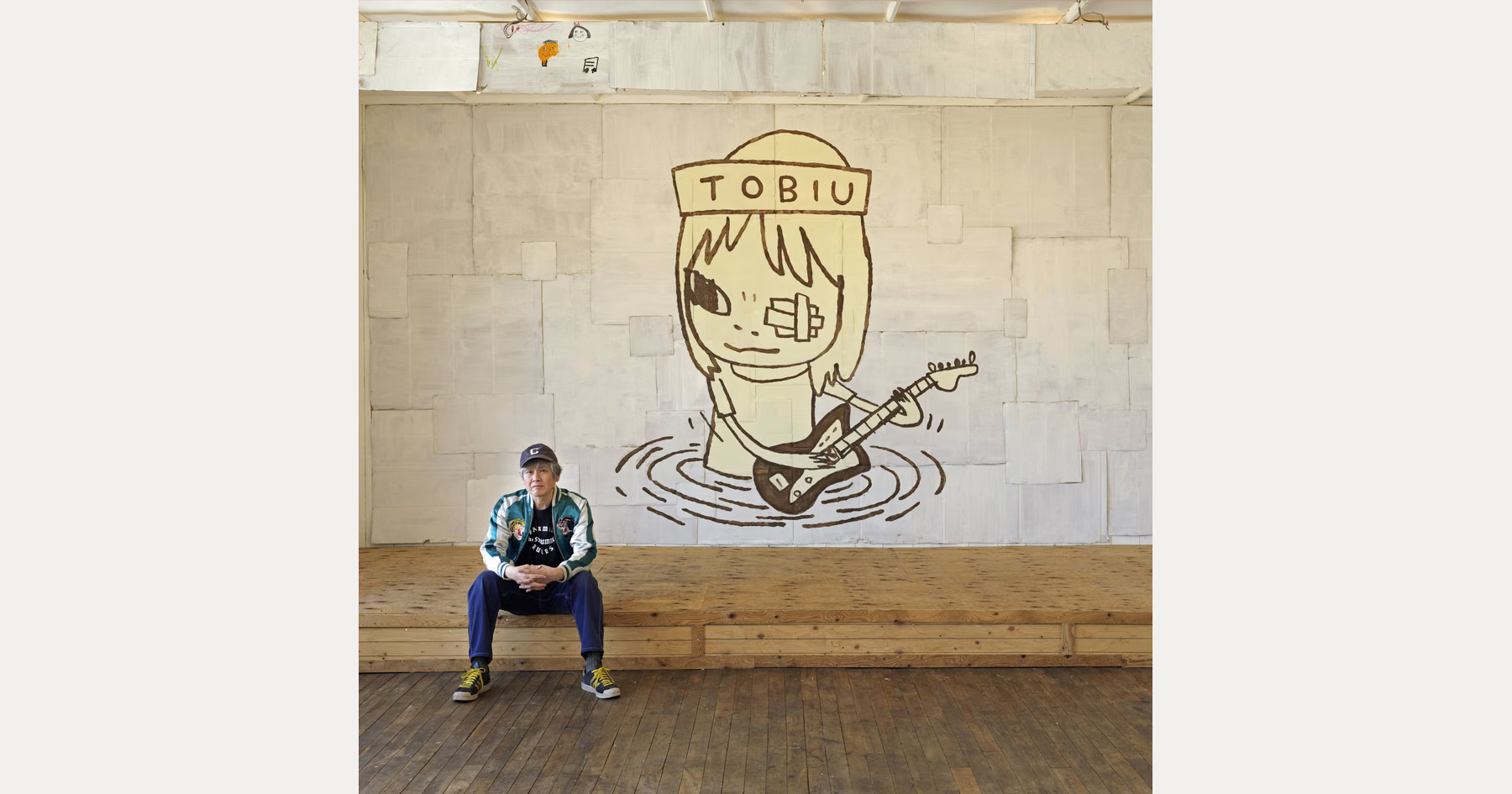
The official biography describes an ongoing drawing practice as well as paintings, sculptures using wood, fibre-reinforced plastic, ceramics and bronze, and hut installations. A sculpture should therefore not automatically be described as enlarged merchandise based on a painted character. Nor can a photograph alone establish its material: the label and information for the particular work remain the relevant references.
The biography also places music, painting and literature among the experiences layered into Nara’s practice. This suggests a practical viewing question: besides the figure’s face, what can be noticed in marks, backgrounds, space and differences between materials? It is a way of approaching the work through its context, rather than assuming that every element has one published symbolic explanation that can be applied everywhere.
Archive photograph of Yoshitomo Nara seen from behind looking at a painting of a closed-eyed figure
How to follow the news back to the works
Readers inspired to visit an exhibition should check the artist’s official schedule and the venue’s current information. Portraits and artwork photographs used in an honours story may be archive material. They do not necessarily show the day of the announcement or works currently on display in Taiwan. Dates, closures, entry arrangements and photography rules need to be checked with the venue being visited.
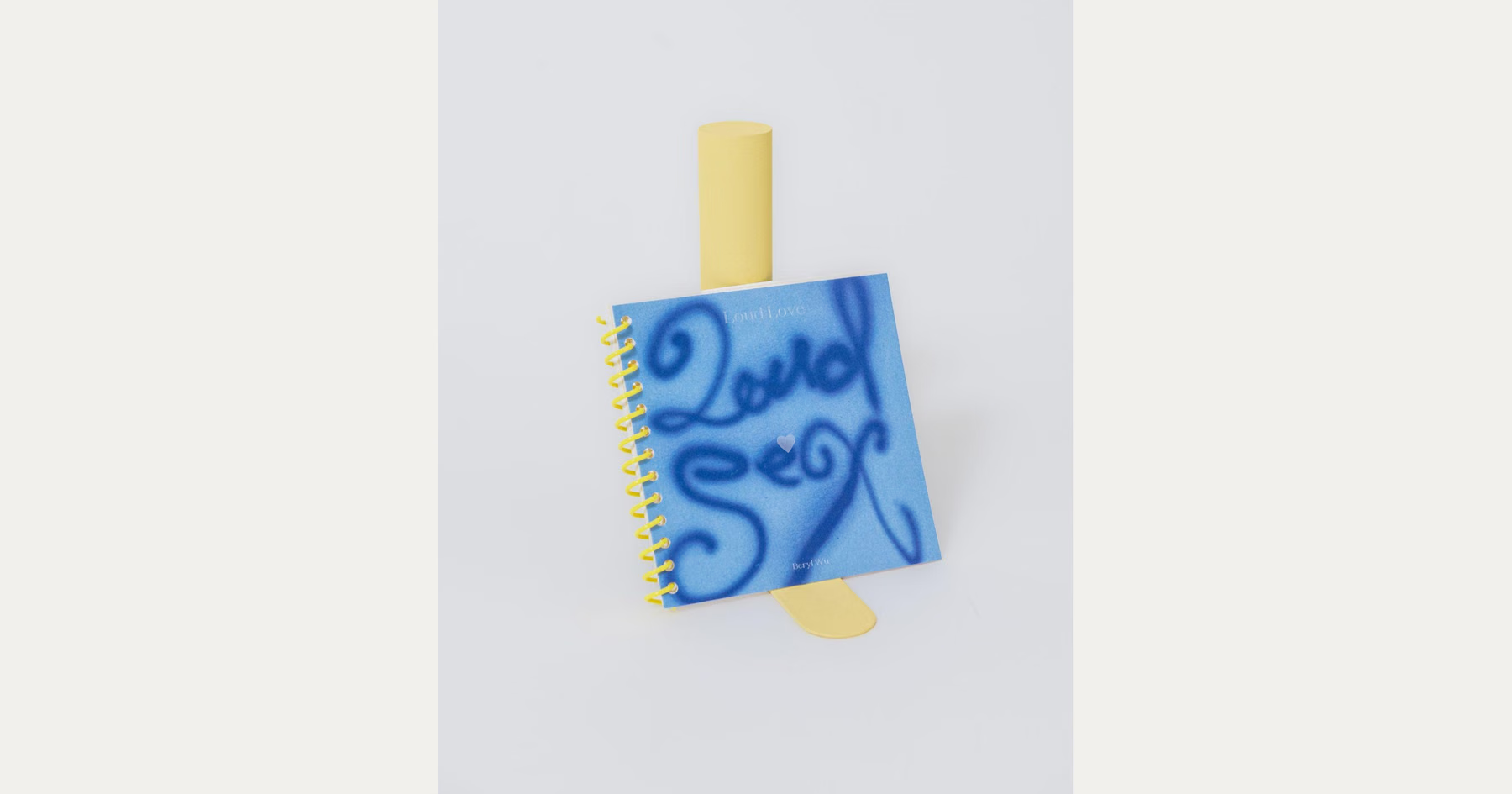
Recognition should also be separated from a purchase decision. Reproductions, publications, exhibition merchandise and original works are different objects. An award does not make every item a limited original or establish that its price will rise. Identifying a work’s title, year, material and exhibition context turns the announcement into a route back to art, rather than a reason to chase prices.
Questions and answers
Does the honours announcement mean a new Nara exhibition has opened?
No. It concerns the autumn honours selection. Exhibitions require separate checks of the artist’s and venues’ official schedules.
Does Nara work only in painting?
No. His official biography also lists drawings, sculptures in wood, fibre-reinforced plastic, ceramics and bronze, and hut installations.
Can artwork photographs in the story be used to plan a Taiwan exhibition visit?
Not by themselves. Archive images do not establish current Taiwan exhibits. Check the venue, dates, closures and entry rules.