After Jared Kushner Buys Sazan Island, Albanians Take to the Streets to Reclaim Their Coast
After Jared Kushner marveled at how unbelievably beautiful Albania was, he rounded up investors to buy a protected, uninhabited island. Now in its third month, the "Flamingo Revolution" has a message for travelers: keep coming, but don't let the country get sold off in backroom deals.
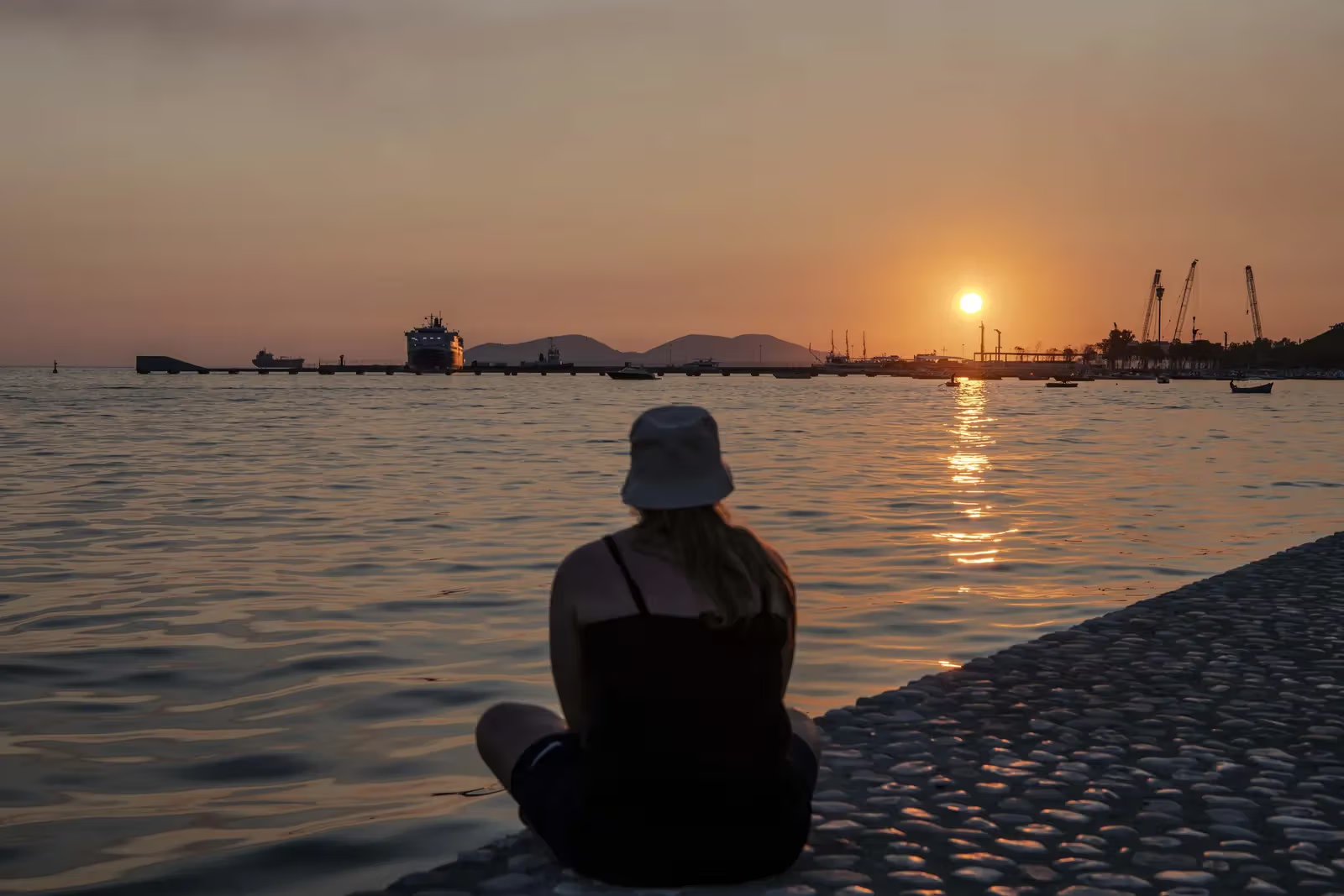
Trump's son-in-law Jared Kushner and his wife Ivanka once stood on Albania's pristine coastline and reportedly wondered, "How is everyone not here?" Most people who have that thought post a photo to their Story. He rounded up a group of investors and bought an entire uninhabited island instead. Sazan Island, a former military base sitting inside an environmentally protected zone, became fair game thanks to a recently passed law granting amnesty for foreign-funded luxury tourism developments.
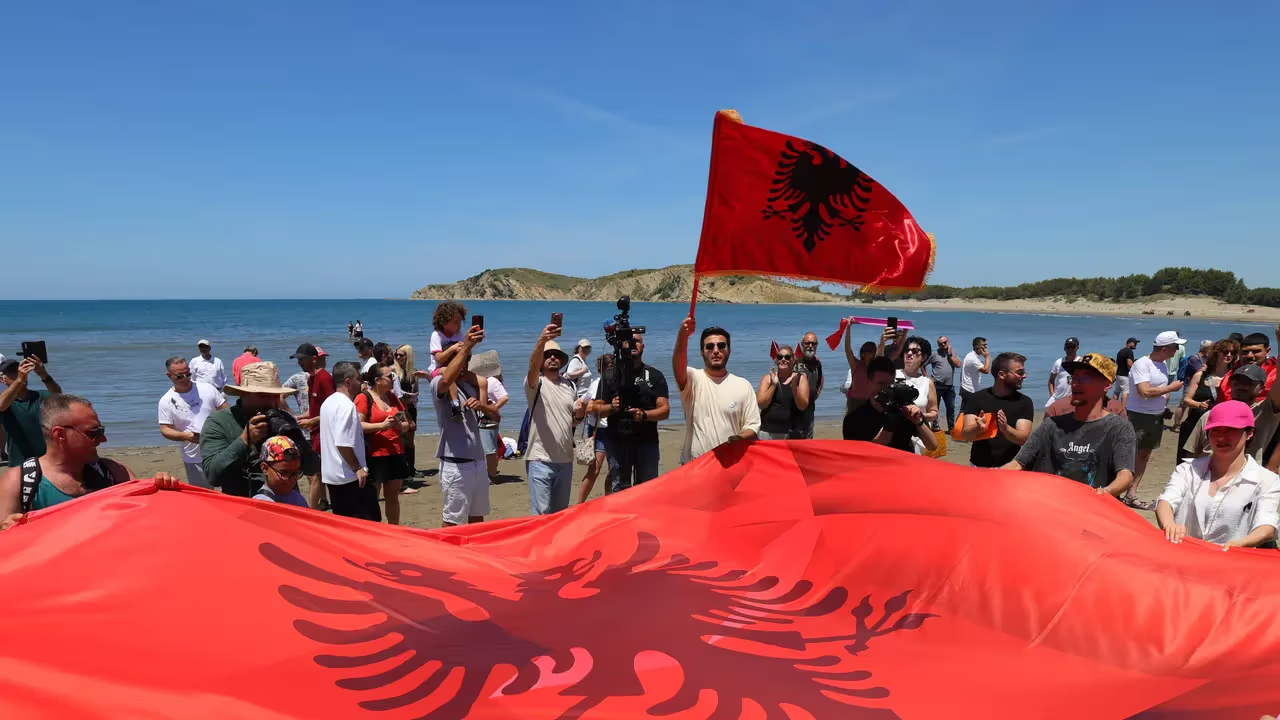
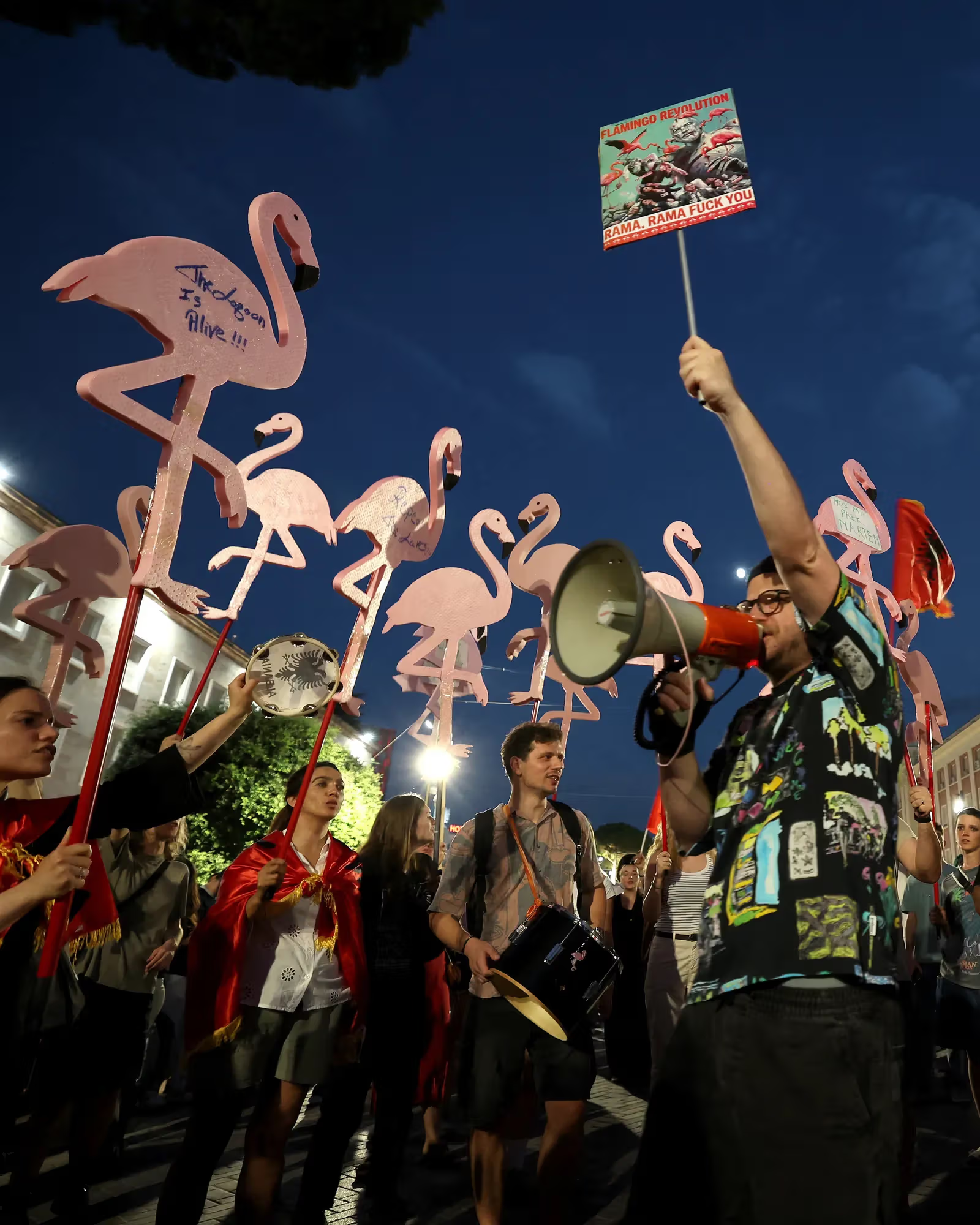
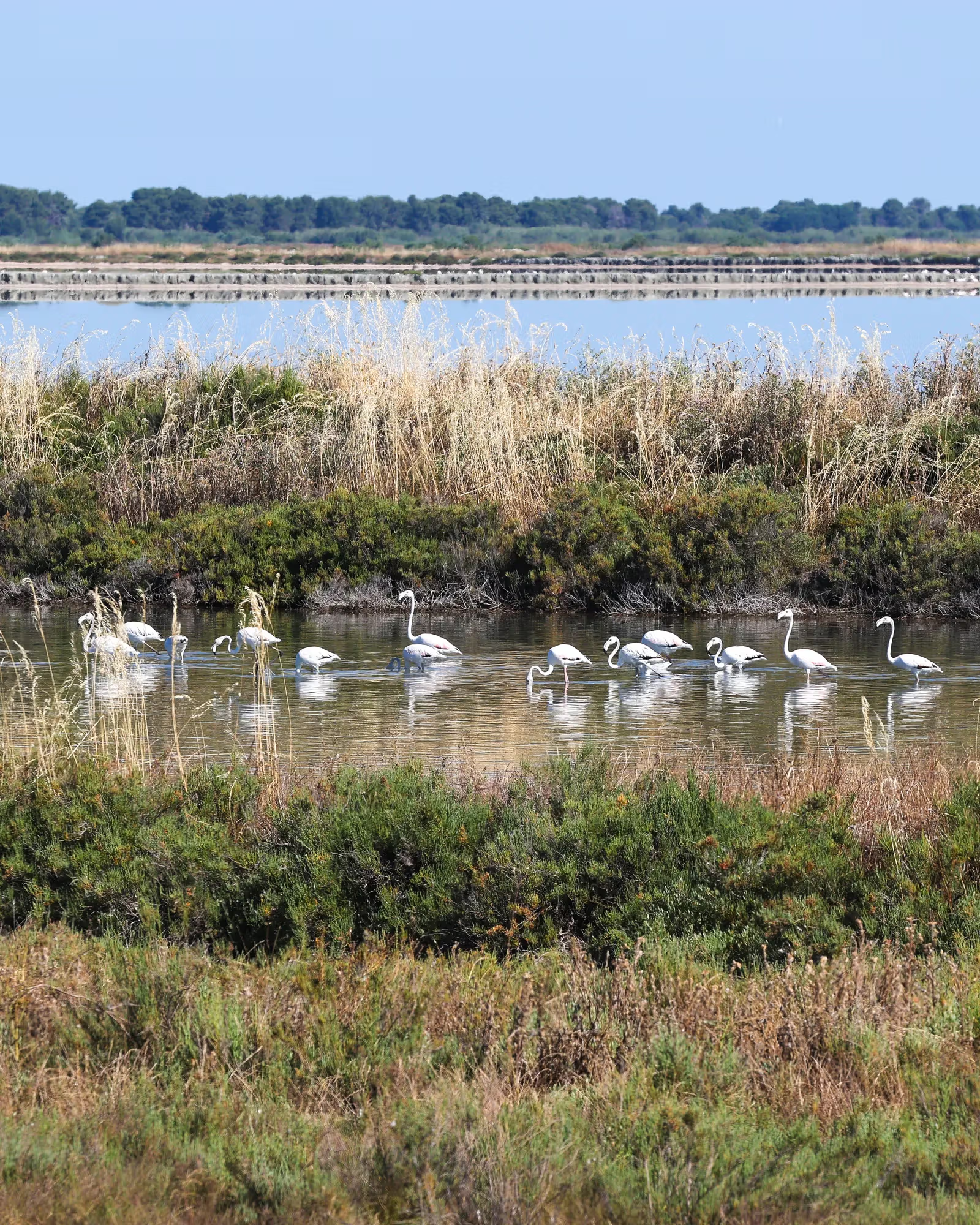
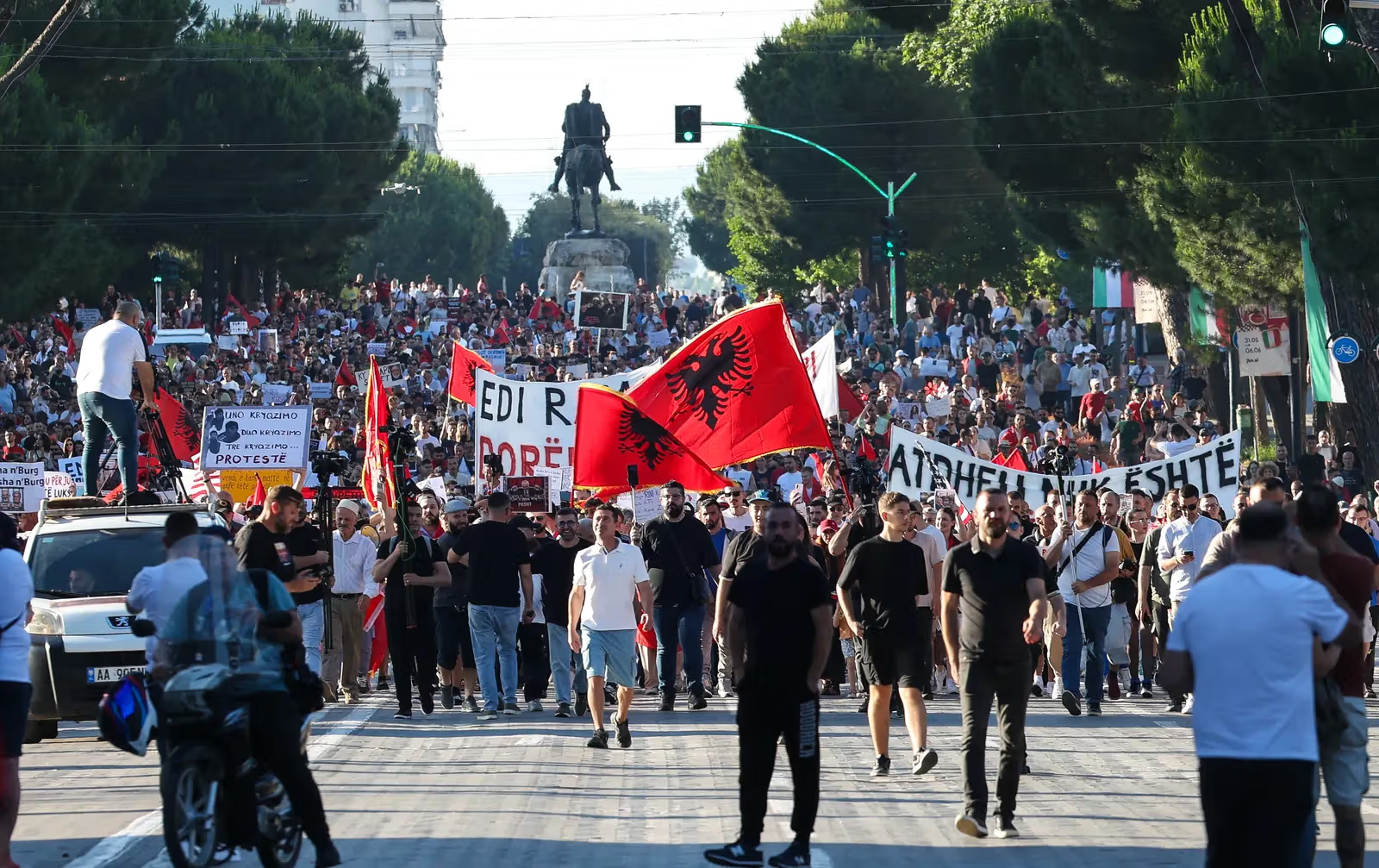
This past May, fences went up around Sazan Island's wetlands and bulldozers rolled in. Residents near the southern town of Zvërnec began protesting, adopting the region's beloved flamingos as their symbol. The "Flamingo Revolution" quickly spread to the capital, Tirana, where peaceful demonstrations are now entering their third month. Pink flamingo cutouts and signs reading "Albania is not for sale" distill the protesters' message into its simplest form.
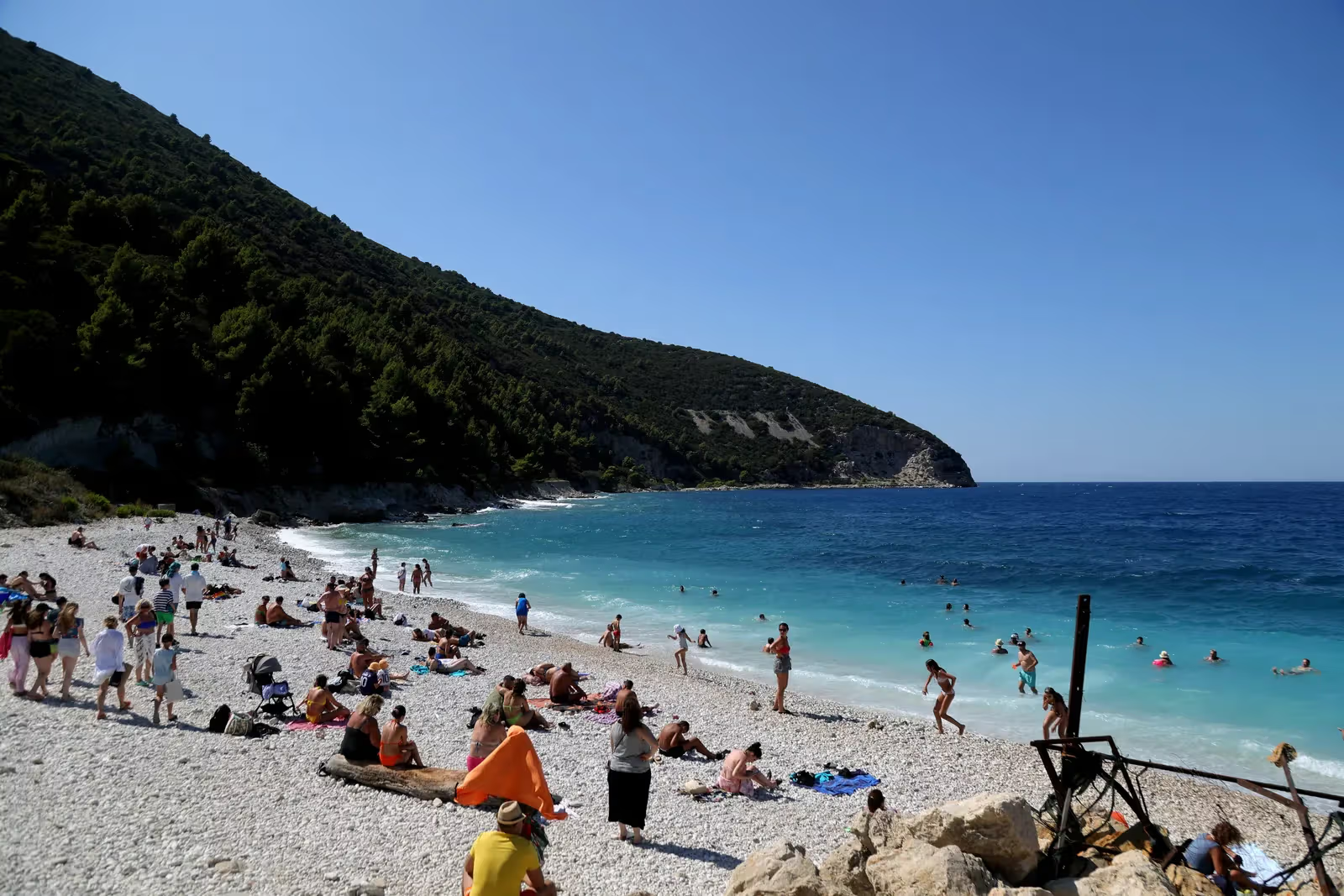
This movement is unfolding in a country that only truly entered the modern tourism era a decade ago. Foreign visitor numbers in Albania have doubled in five years and tripled in ten, with the country now welcoming 12.5 million tourists annually — despite having a population of just 2.3 million, which continues to shrink due to economic emigration. After World War II, the country endured 45 years of isolated communist dictatorship, followed by extreme poverty and violent upheaval in the 1990s. It remains Europe's sixth-poorest country today. Perhaps that's why, beyond the clean beaches, turquoise water, and dramatic mountain peaks, what travelers often remember most is the warmth of the locals — pickpocketing is nearly nonexistent, while being treated to a meal or invited to dinner by a stranger is far more likely.
Not Against Tourism — Against Backroom Deals
Linda Alia, founder of Tirana-based Albanian Food Tours, sometimes brings guests to watch the demonstrations after her walking tours wrap up. "People just know the time and place, and they show up," she says. "There are elderly folks, young couples with kids, even booths where children can draw. All kinds of people are there."
Alia is quick to clarify that protesters aren't against tourism or investment. "We actually want people to come, and we want investment in our economy," she says. Newly built roads and airport expansions have genuinely brought new routes and more direct flights — real, positive change. But there's another side to the coin: "All our politicians are corrupt. Money keeps flowing in, and we have no idea where it's coming from — and all we get in return is severe inflation." She points to the "Green Coast" near the southern town of Dhërmi as an example. "It used to be a beautiful place. Now it's covered in private villas and resorts that locals can't even access."
A Different Kind of Growth Outside Berat
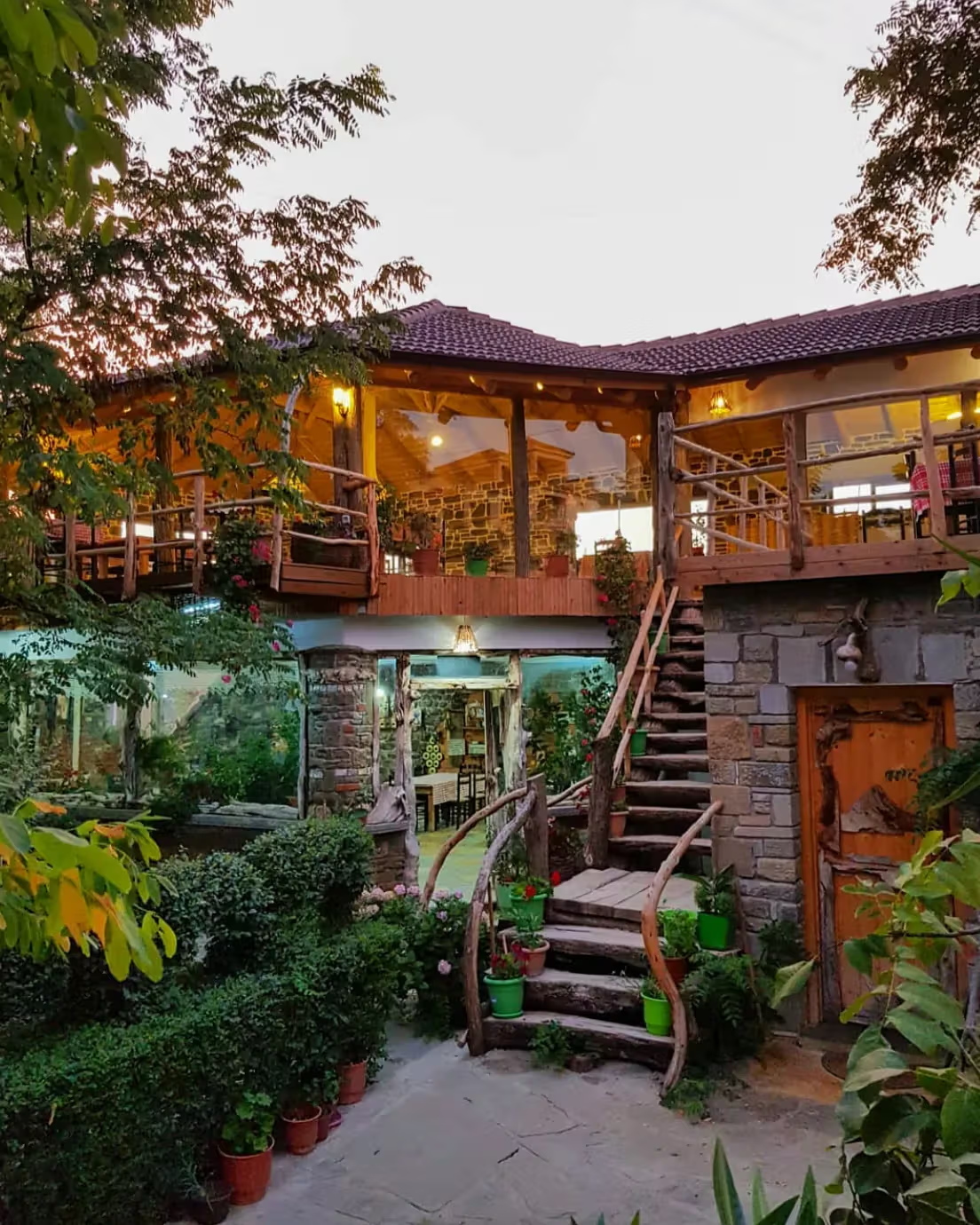
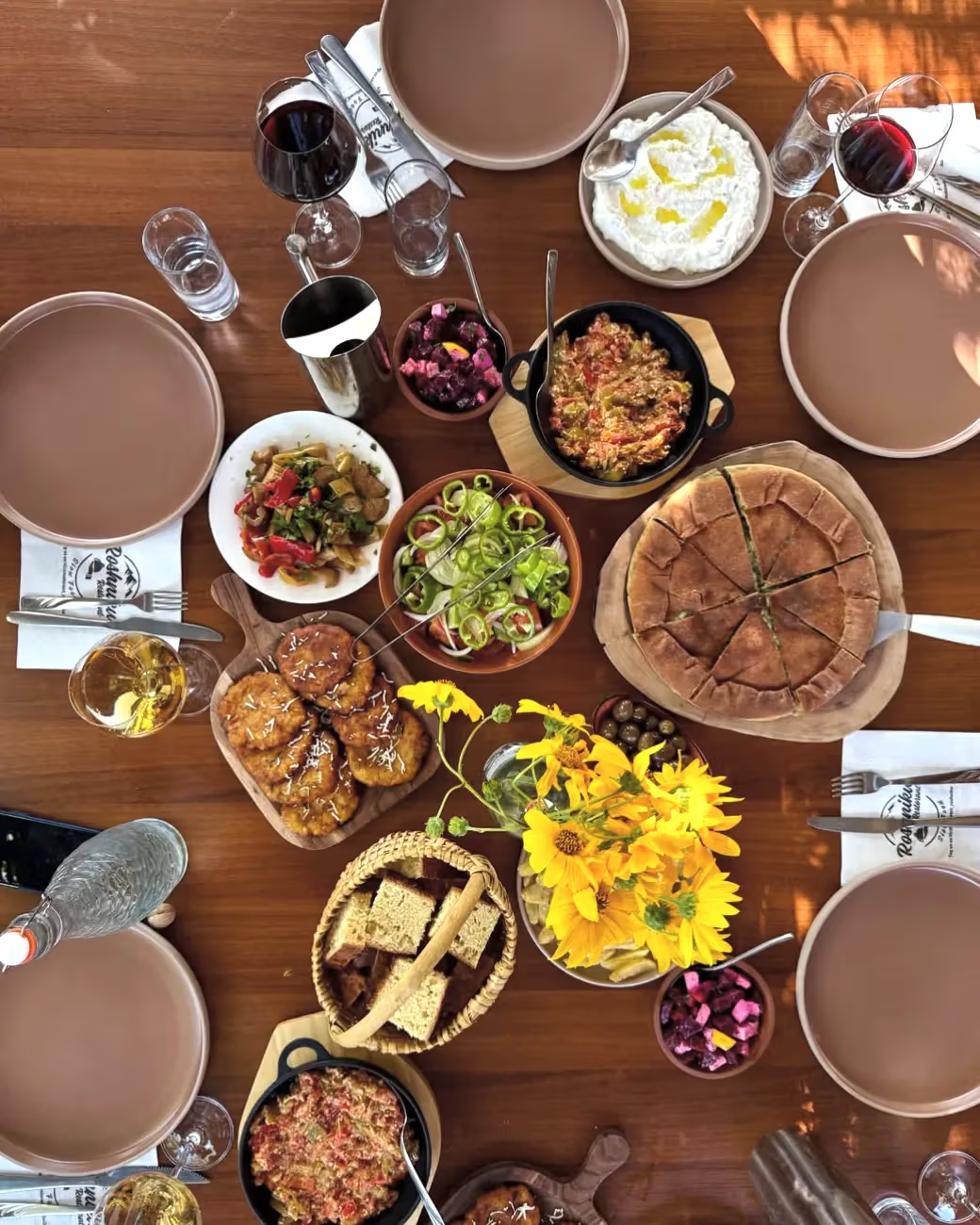
Just outside the UNESCO World Heritage city of Berat, Ardit Fiska, manager of the decade-old family restaurant Restorant Roshniku, says the tourism investment that would actually help is infrastructure — Albania still has no train system, and driving means contending with rough roads and heavy traffic. Five years ago, his family expanded their winery into Albania's first certified agro-tourism site, letting visitors who come for wine tastings or cooking classes stay overnight on-site. Guests learn to make crispy byrek in a wood-fired brick oven, paired with local cheese, and if they're lucky enough to visit in spring, they might get to try roast goat with crackling skin and tender meat. "We add new rooms every year, and people in the village are starting to turn their own homes into guesthouses too," Fiska says. "We hope we don't grow too fast — slow growth is what we want."
As for the protests in the capital, he admits that from his small mountain village, the whole issue feels distant, and it hasn't affected his guests' itineraries — locals in Tirana likewise say the demonstrations haven't disrupted the visitor experience. His advice to travelers is straightforward: "Go to the countryside. Spend an extra night in a village — that's where you'll find the most authentic Albanian hospitality."
Prime Minister Edi Rama, now serving his fourth term, framed the protests as "anti-Trump" in a June interview with Politico: "If it weren't for Jared, nobody would care what's happening in Albania." He's also floated various theories behind the unrest, hinting at social media disinformation, Iran, antisemitism, and Serbian propaganda. But the protesters' core demand has remained consistent throughout: Rama should step down, and future major decisions should be made transparently. Rama has refused to resign, and demonstrators admit a change in leadership might not necessarily make things better — but Alia believes showing up every day to speak out still matters. "Maybe it's not for this particular case," she says, "but at least going forward, corruption and backroom deals won't be so brazen."
For on-the-ground updates, follow Balkan Insight; to find locally-run accommodations, check the Agroturizem website or app.