Nagaoka, Niigata's "Fermentation Town": A One-Mile Walk Through Sake, Miso, and Snow-Aged Ham
Niigata's dramatic temperature swings have long nurtured fermentation traditions like sake and miso. In Nagaoka, a one-mile walking route called Hakko Trip lets visitors explore centuries-old sake breweries and century-old miso makers across six stops in just two hours.
In January, snow in Niigata piles up to seven feet high, burying entire buildings until only their rooftops peek above the surface—taxi drivers have to get out and shovel snow just to make a turn. This was the scene Condé Nast Traveler writer Adam H. Graham encountered when he returned four months after his first visit, when he'd been greeted by croaking frogs and rippling rice paddies in September. It's this extreme seasonal contrast that has sustained Niigata's fermentation culture for centuries.
Niigata's most famous fermented product is sake. Local rice, irrigated with snowmelt from the mountains, is inoculated with koji mold and brewed, then aged in "yukimuro"—snow-cellars that maintain a steady 37°F (about 3°C)—a technique passed down for centuries. Beyond sake, the region is also known for kanzuri, a fiery condiment made from koji, yuzu, and summer chili peppers bleached in winter snow, and sakasuke, a rich, tangy pickle pressed from sake lees.
Nagaoka's Hakko Trip: A One-Mile, Six-Stop, Two-Hour Fermentation Walk
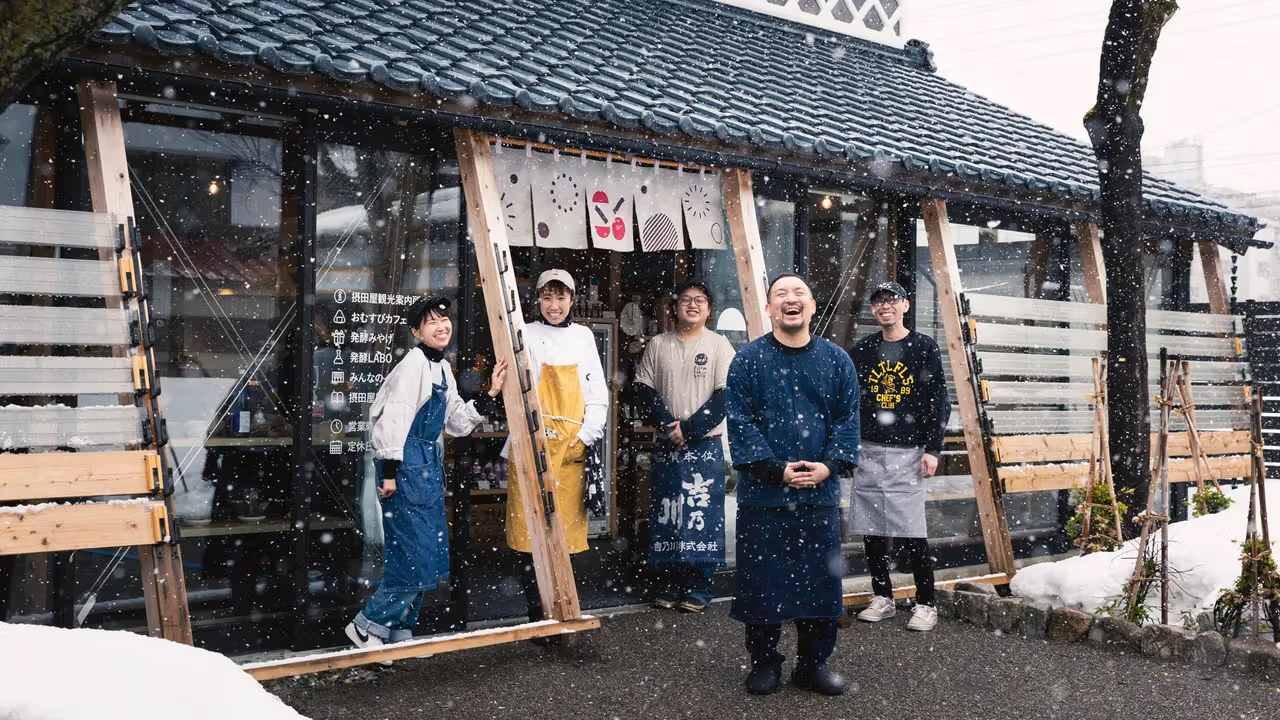
These fermented ingredients can be found all over Niigata, but the industrial river port city of Nagaoka has earned its nickname "Fermentation Town" thanks to snow that purifies the air and warehouses that maintain stable humidity and low temperatures—ideal conditions for cultivating koji mold and yeast strains. In the city's historic Settaya district, a walking route called Hakko Trip stretches about one mile across six stops, taking roughly two hours to complete, with the scent of roasting beans, sake, and miso drifting through the air along the way.
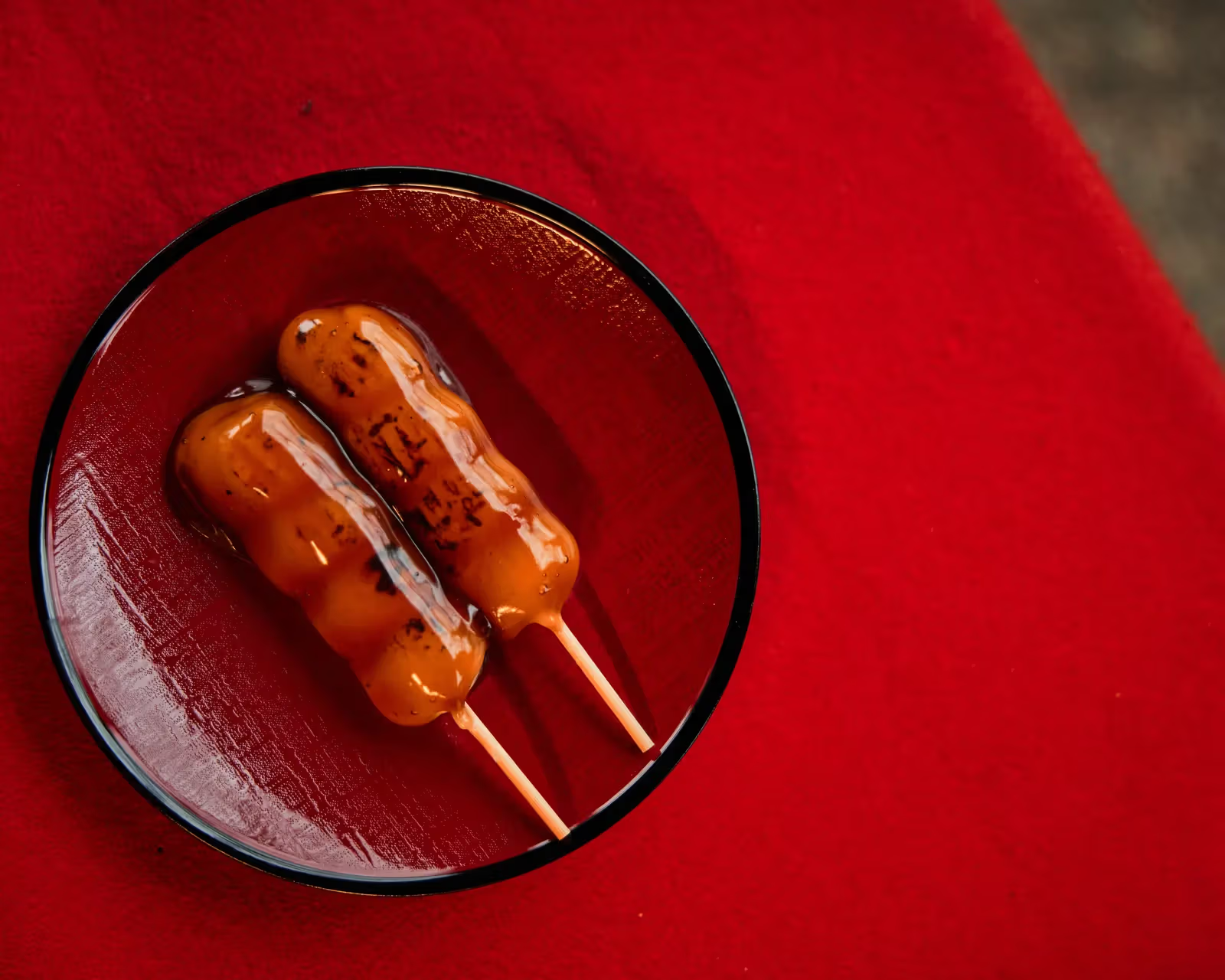
The first stop, Willow House, is a coffee roastery run by Suzu Group, where washi paper lanterns and jazz set the mood for dining. The menu features sourdough bread, caramel apple rolls, toast baked in a bonito-broth white sauce, plus miso-cured potato salad, fermented tomato salsa, and snow-aged ham. Next up is Eguchi Dango, a four-generation-old wagashi shop, where the takeout counter sells skewered dango dumplings coated in thick, fermented soy sauce.
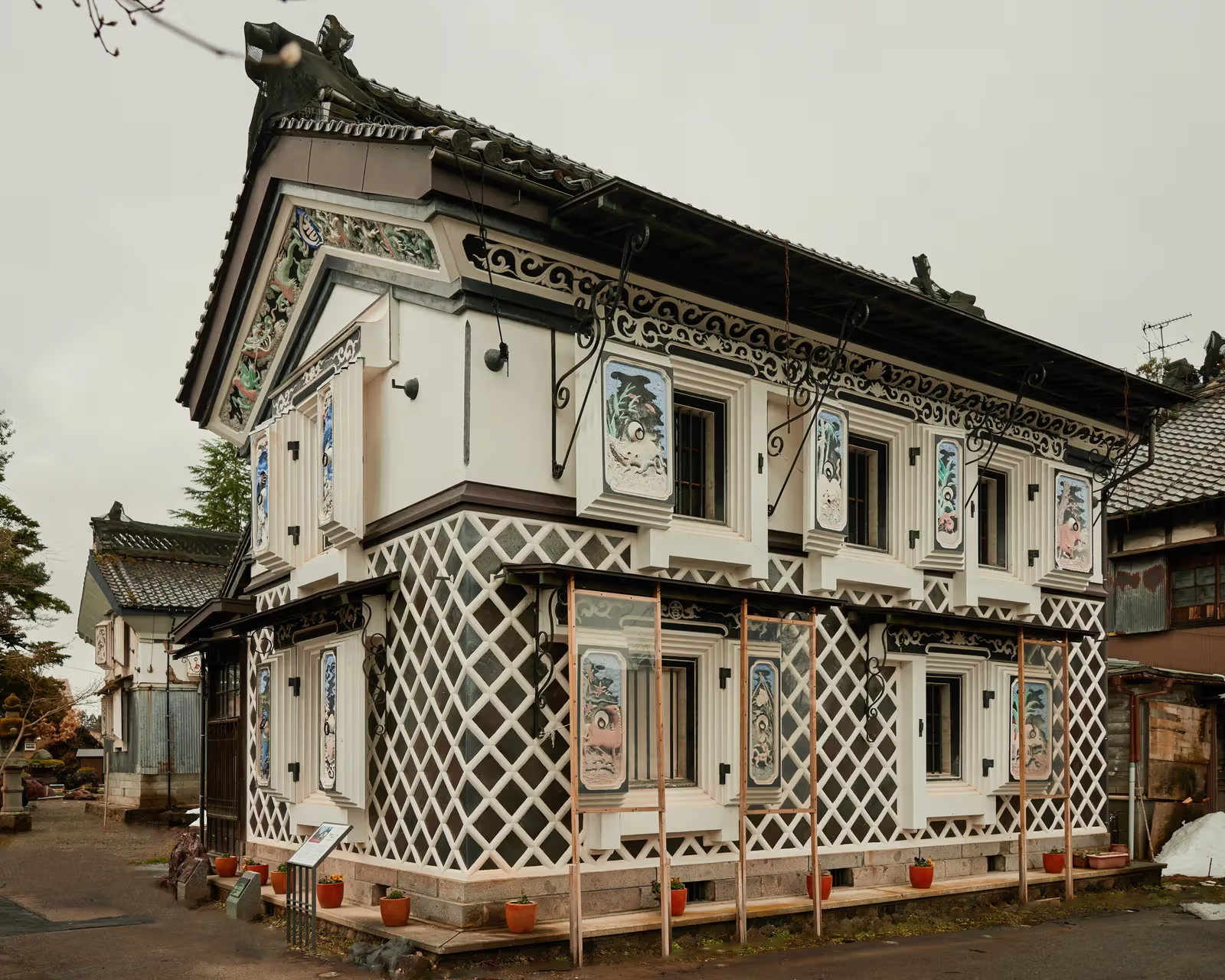
Along the trail sits the Settaya 6th Avenue Fermentation Museum Komegura, once a warehouse for the "Saffron Sake" brewery, its exterior decorated with colorful zodiac motifs. Inside, there's a fermentation exhibit and a café, while the gift shop sells miso, amazake (believed to have restorative health benefits), and a saffron liqueur whose formula was patented back in 1884.
Straying slightly off the main route, the writer visited Yanagi, a venerable miso maker and the first in all of Japan to use brown rice for its koji, enjoying a miso-themed lunch amid rows of wooden barrels. Next was a stop at Nakagawa Sake Brewery, dedicated to reviving Gouriki, a nearly extinct local heirloom rice variety. The final stop was Yoshinogawa, founded in 1548 and still brewing 478 years later—the oldest of Niigata's 91 sake breweries.
A Saying from Snow Country: "Winter's Snow Makes Summer's Sweetness"
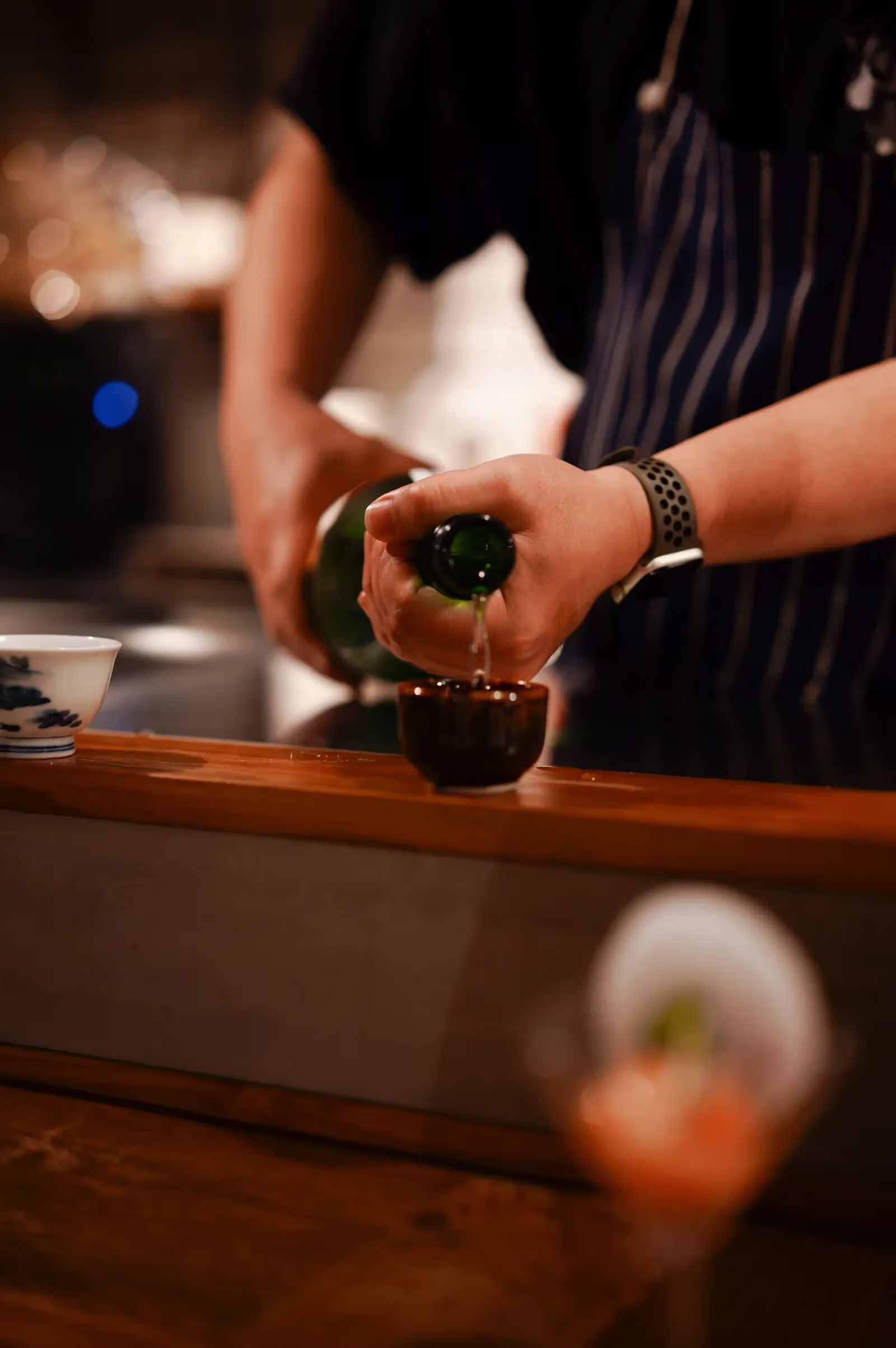
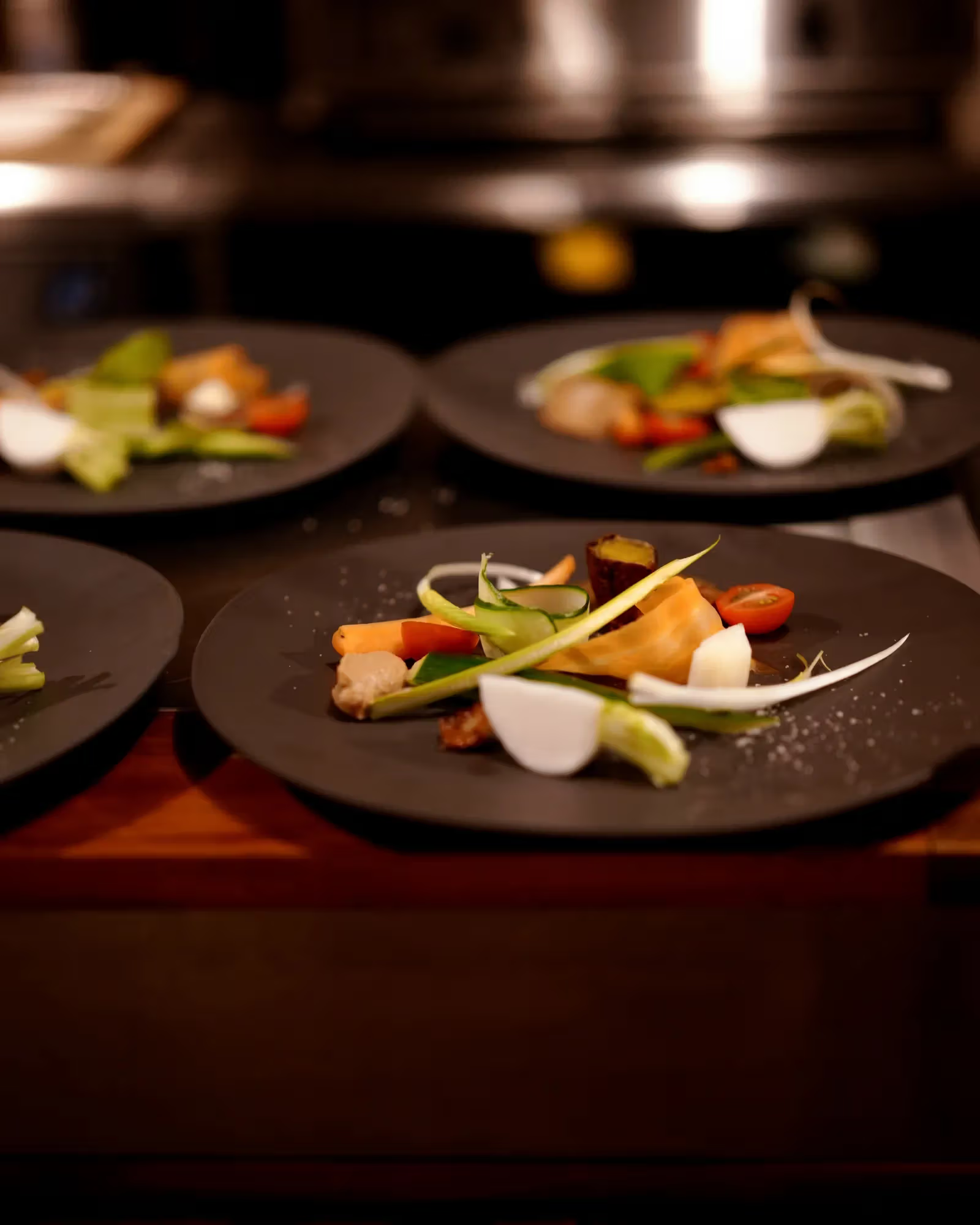
Not on the official route but marked as a must-visit by the writer is Hakko House Nagaoka, a two-room inn. Chef-owner Sho Suzuki serves an eleven-course fermentation tasting menu, each dish paired with a carefully chosen sake, including sweet potato tempura topped with sake-lees cream and lotus root dumplings seasoned with flying fish broth. Between courses, he shared a local proverb: "Winter's snow makes summer's sweetness." In snow country, the seasons aren't isolated events—they're all part of one continuous cycle.