Gut Health Starts at Breakfast: 8 Concrete Tips From Two Dietitians
Sports dietitian Roxana Ehsani and registered dietitian Amy Shapiro point out that morning is when the gut is at its cleanest starting point. From yogurt and oats to whole wheat bagels, here's how eight breakfast choices affect your gut microbiome.
Digestive discomfort is often blamed on eating the wrong things, but these two dietitians point to another variable: timing. Sports dietitian Roxana Ehsani describes morning as the moment your gut "starts with a blank slate"—the first bite of the day directly shapes gut conditions, and the gut is closely connected to skin, heart, brain, and immune health. Amy Shapiro, registered dietitian and founder of Real Nutrition, adds a practical angle: breakfast is the meal where it's easiest to consistently get fiber and varied ingredients long-term, since it's less disrupted by social obligations or eating out compared to lunch and dinner.
Shapiro suggests focusing breakfast on three directions: dietary fiber, fermented foods, and a diverse range of plant-based foods. Some fiber acts as a prebiotic, feeding the good bacteria in your gut; fermented foods may introduce probiotics—live bacteria beneficial to health. The more variety in fruits, vegetables, whole grains, and seeds you eat, the more diverse the bacteria you can nourish. Ehsani also singles out omega-3 fatty acids, which she believes help suppress gut inflammation and protect the digestive tract's mucus barrier. She notes that breakfast tends to be the meal with the highest proportion of carbs and sugar in a day, so bringing your diet composition back into balance early on can benefit your gut for the rest of the day. Don't forget to drink water, either—Ehsani points out that getting enough fluids at breakfast helps gut motility and prevents constipation. Conversely, excessive saturated fat and refined sugar intake is linked to increased gut inflammation and reduced microbiome diversity.
From Yogurt to Bagels: What These Two Dietitians Actually Eat
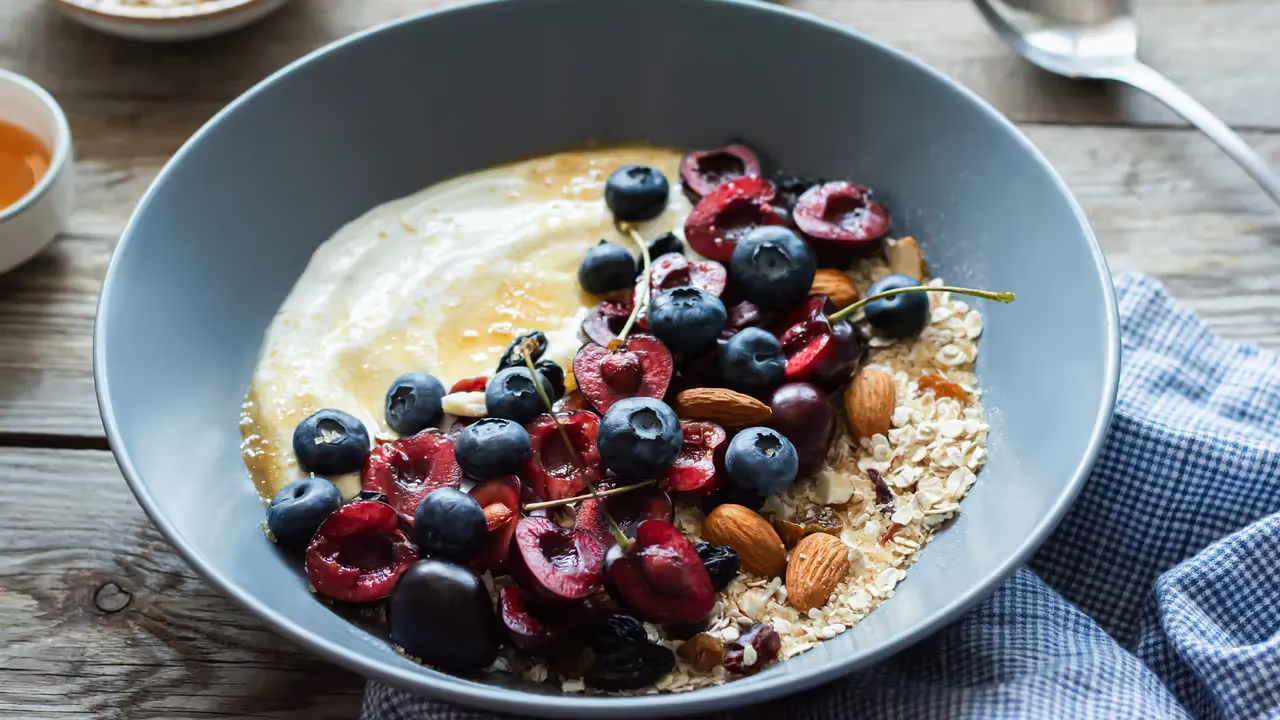
Greek yogurt is what Ehsani calls a "convenient and filling" choice, naturally containing probiotics; pairing it with berries adds fiber and antioxidants. She also mentions bananas—especially when not fully ripe, they contain resistant starch, a type of fiber that ferments in the large intestine and nourishes good bacteria. Walnuts appear in both of their recommendations: Shapiro values them for fiber, healthy fats, and polyphenols, while Ehsani specifically highlights their omega-3 content.
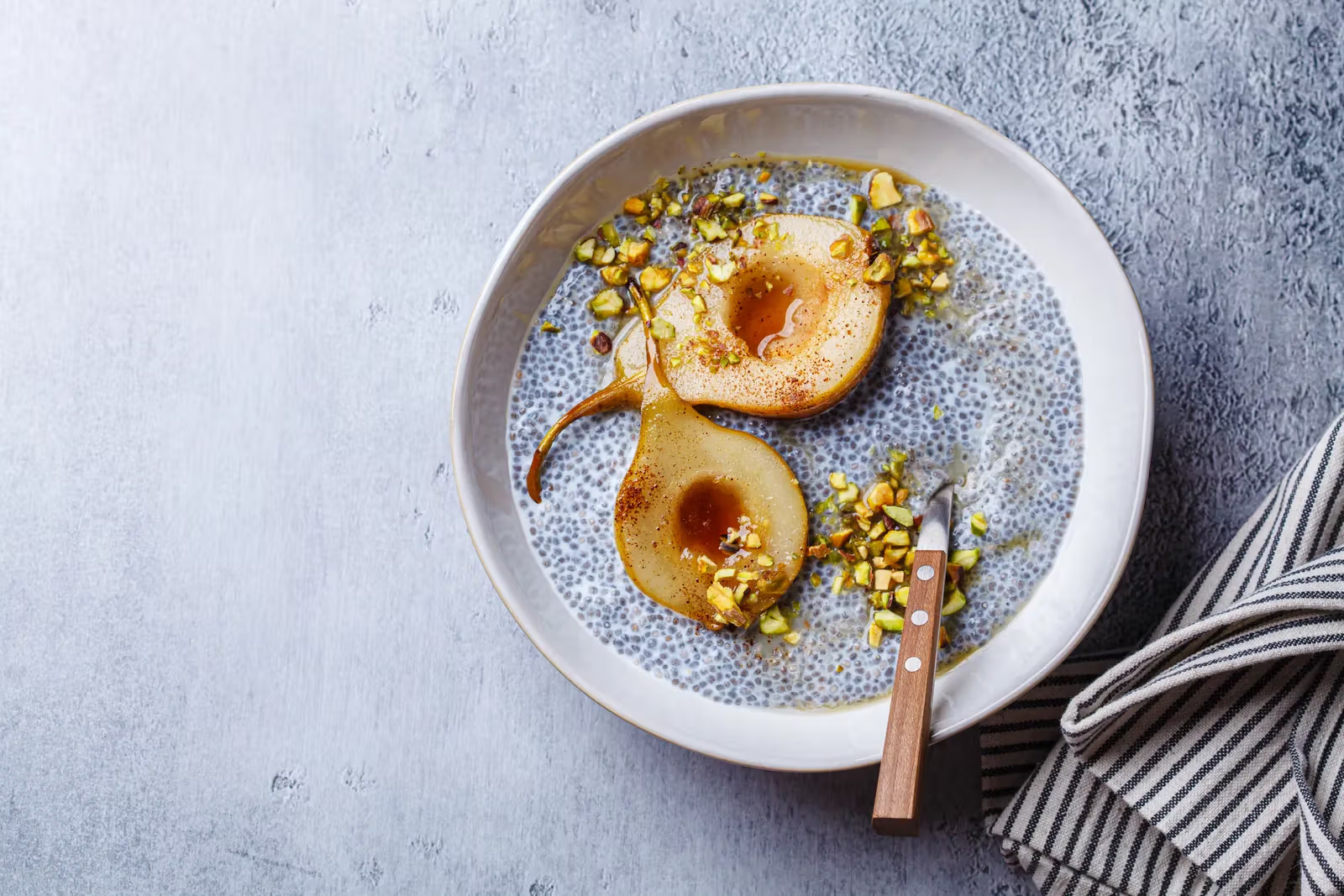
For those who want something to drink, Ehsani's go-to formula starts with kefir (which contains various live bacteria and yeasts including lactobacillus), blended with pineapple, mango, and flaxseed for fiber, antioxidants, and omega-3s. Oatmeal is a whole grain source that, paired with Greek yogurt, fruit, and walnuts, delivers probiotics and antioxidants in one go—Shapiro particularly recommends apples, since they contain pectin that promotes good bacteria growth. Chia pudding's focus is on fiber and the anti-inflammatory effects of omega-3s; Ehsani likes to use kefir instead of milk as the base, finished with sliced pear.
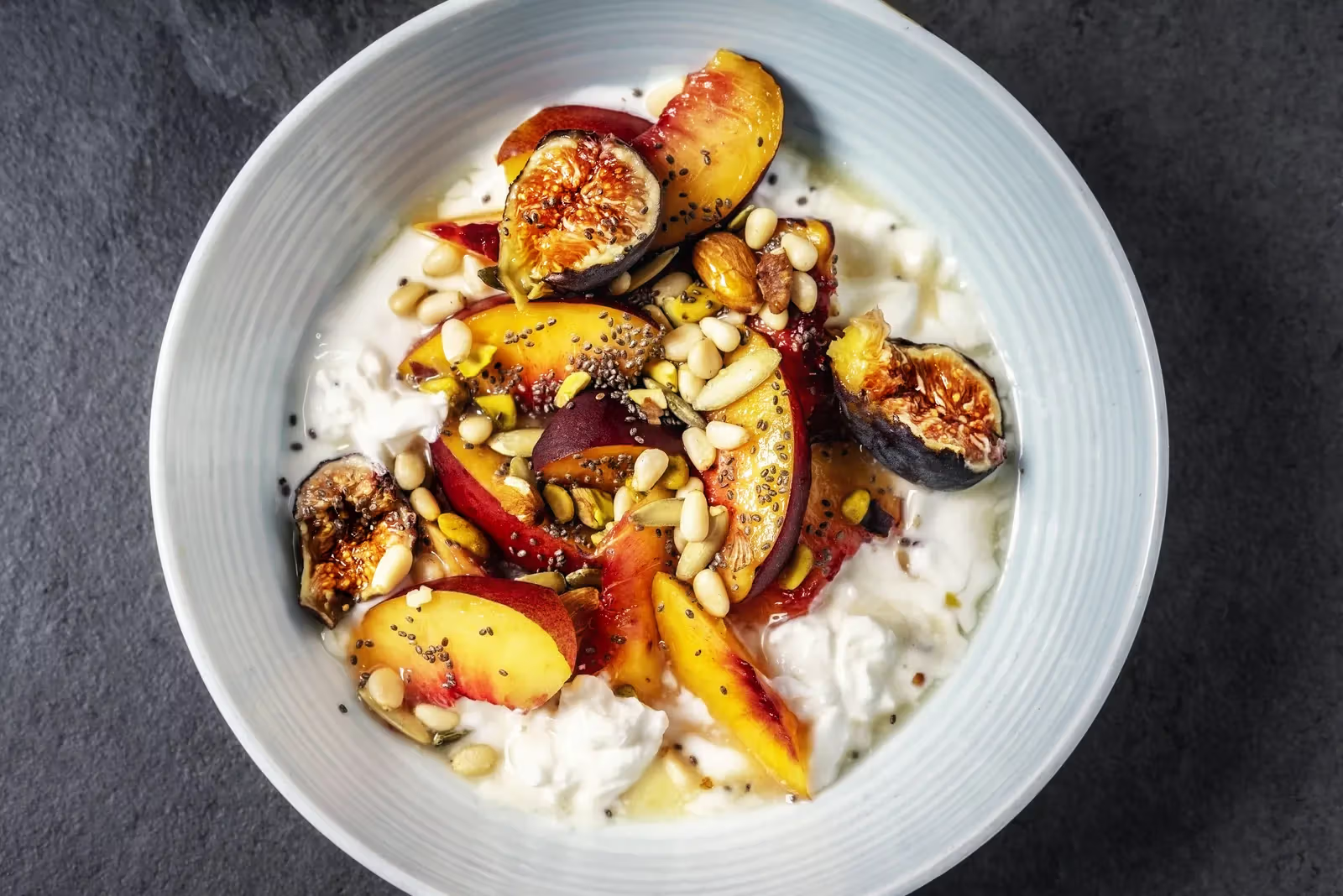
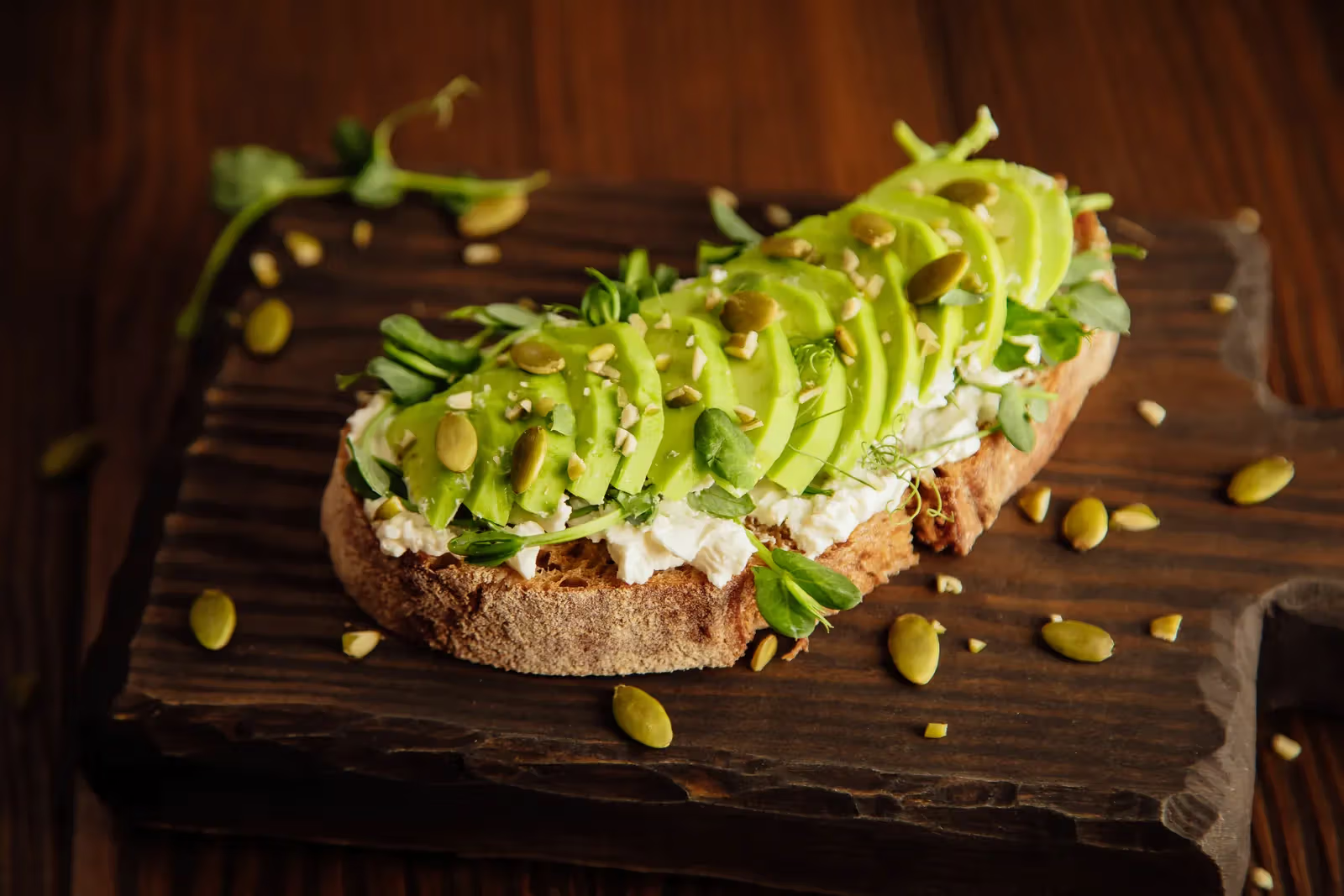
For savory options, Ehsani goes with a whole wheat bagel topped with smoked salmon and avocado, getting omega-3s, healthy fats, and fiber all at once. She swaps in sourdough for avocado toast, topped with avocado and mashed beans. Another combo is sprouted grain bread with almond butter, topped with hemp seeds, banana slices, and blueberries—the sprouted grain bread and almond butter provide fiber, the almond butter brings healthy fats, hemp seeds add omega-3s, and blueberries contribute even more fiber and antioxidants. Shapiro also recommends cottage cheese, as certain types contain both protein and probiotics. Eggs themselves don't contain fiber, but Shapiro points out they're a protein source that helps stabilize blood sugar and slows digestion—she suggests pairing them with a spoonful of kimchi or sauerkraut, since unheated fermented foods can introduce live bacteria. As for beverages, if you're trying to cut back on caffeine, Shapiro notes that drinking coffee on an empty stomach can irritate the stomach; switching to green tea offers polyphenols instead, and she cites related research reviews suggesting green tea may have positive effects on gut microbiota.
Ehsani sums it up as really being about balance: complex carbohydrates, fiber from fruits and vegetables, healthy fats, and protein all showing up in the same meal. Shapiro adds that a single "perfect breakfast" doesn't mean much on its own—your gut microbiome changes based on long-term dietary habits, and eating right consistently matters more than eating well occasionally. The dietary suggestions in this article are for reference only; if you experience persistent digestive discomfort, it's still recommended to consult a doctor or dietitian.